
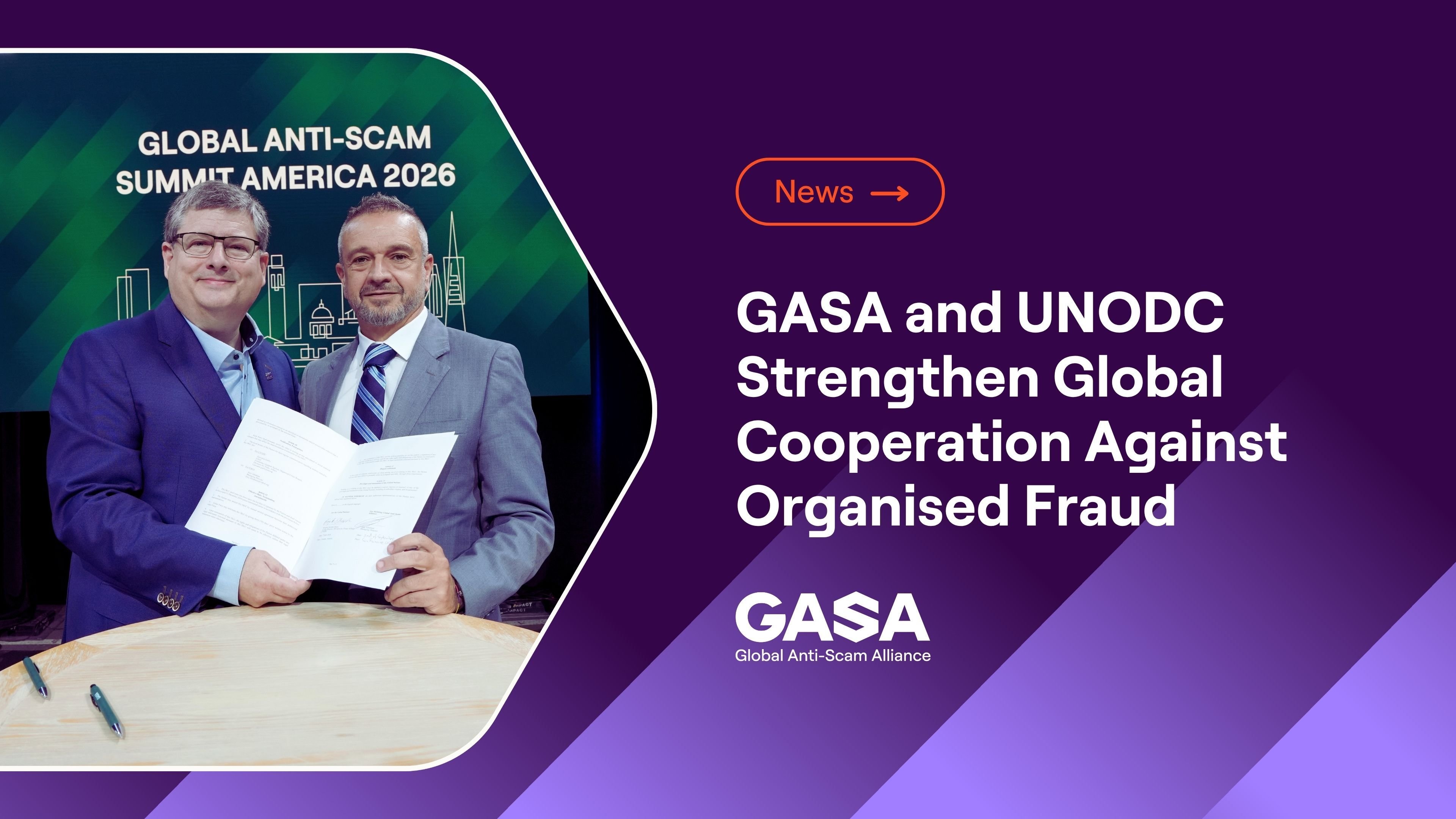
Strengthening Cooperation Against Organised Fraud
Fraud networks increasingly operate across national borders and multiple parts of the digital and financial ecosystem. Telecommunications services, digital platforms, banking infrastructure, online marketplaces and payment systems can all form part of the infrastructure exploited by organised criminal groups.
New technologies are also increasing the scale and speed at which these operations can function, making coordination between jurisdictions and sectors increasingly important.
The partnership between GASA and UNODC is intended to support closer cooperation between governments, law enforcement, the private sector, civil society and international organisations.
Connecting Public and Private-Sector Capabilities
Private-sector organisations often have visibility into different stages of a fraud operation. Telecommunications companies may identify suspicious communications, digital platforms can detect abusive behaviour and financial institutions can identify unusual transactions or movement of funds.
Connecting these capabilities with those of law enforcement, regulators and other public authorities can help identify emerging fraud patterns and support more coordinated prevention and disruption.
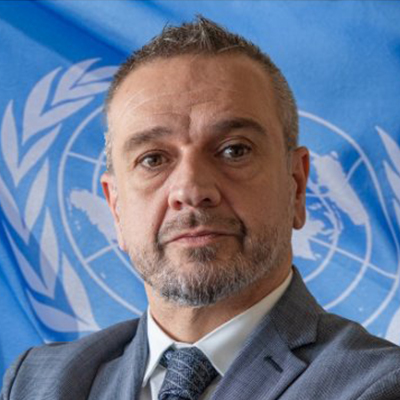
“Because much of this infrastructure is owned and operated by companies, the private sector is often among the first ones to identify emerging fraud trends and respond to illicit activity,” explained Gallo.
“Its technological expertise, operational experience, and innovative capabilities are critical to developing adaptive and comprehensive responses to an evolving threat landscape,” he added.
Through its international network, GASA works to connect organisations across sectors and jurisdictions to share knowledge and develop coordinated approaches to scam prevention and disruption. The MoU provides a framework for bringing this network together with UNODC’s work on transnational organised crime and criminal justice.
Building a Coordinated Global Response
The agreement reflects the need to combine public-sector authority and international cooperation with the operational knowledge and capabilities of organisations that encounter fraud across their services and infrastructure.
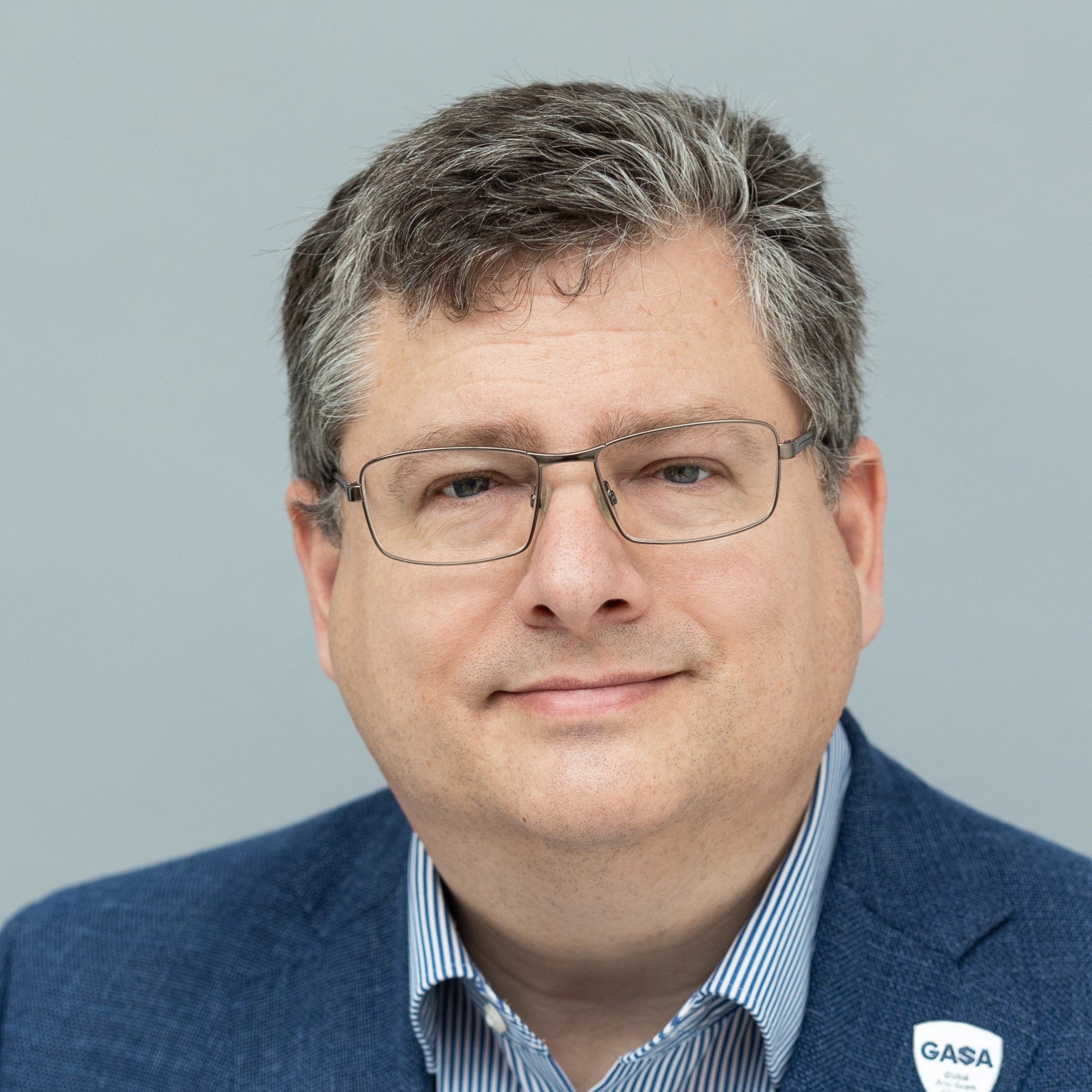
"To protect consumers from the massive impact of fraud and scams, we are building stronger public-private partnerships across the world,” said Jorij Abraham, Managing Director of GASA.
“This is why we have signed an ambitious agreement with UNODC to fight organized fraud together and I greatly look forward to continuing to partner up on coordinating the global counter-fraud response together," he added.
By establishing a formal framework for cooperation, GASA and UNODC aim to support more coordinated prevention, information exchange, research and criminal justice responses across jurisdictions and sectors.
The partnership forms part of broader efforts to develop a whole-of-society response to organised fraud, recognising that effective disruption depends on cooperation between governments, businesses, civil society and international organisations.
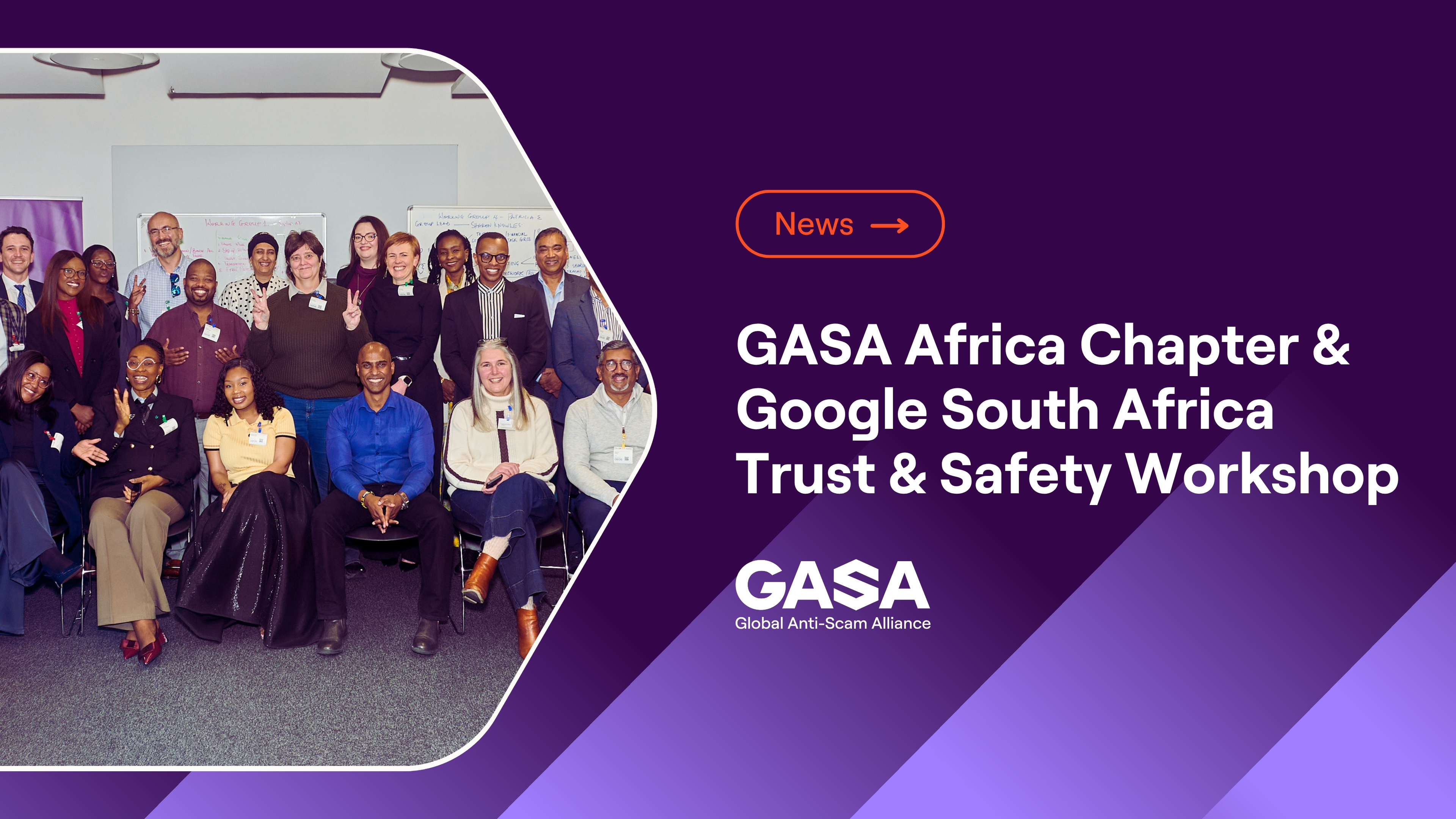
Accra Trust & Safety Workshop Turns Collaboration into Action Against Scams and Fraud in West Africa
GASA Africa Chapter and Google South Africa brought anti-fraud leaders together to strengthen cross-border cooperation and scam prevention.
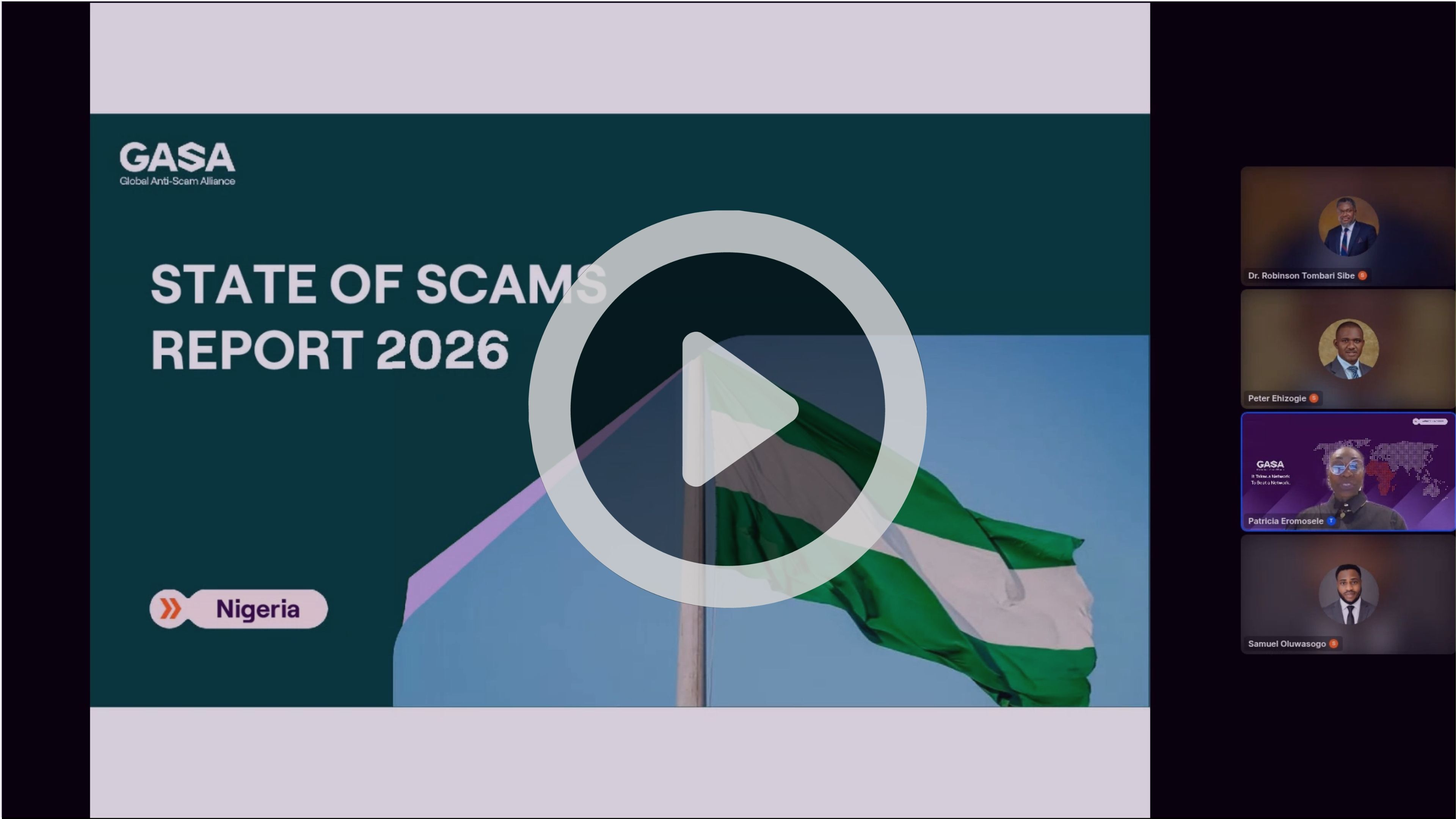
State of Scams in Nigeria 2026: A Comparative Review Across Africa
Nigerian experts examine scam trends, technology, consumer protection and the need for stronger cross-sector collaboration.
Nearly three in four Danish adults encountered scams as estimated losses reach DKK 10.1 billion
New State of Scams Denmark 2026 report finds scam exposure is rising, while victims face repeated financial and emotional harm.
Building a More Trusted Digital Philippines: New Report Underscores the Need for Collective Action as Scam Exposure Continues to Rise
GASA’s State of Scams in the Philippines 2026 Report, in collaboration with Mastercard and Gogolook, highlights the growing scale of the scam challenge in the Philippines.
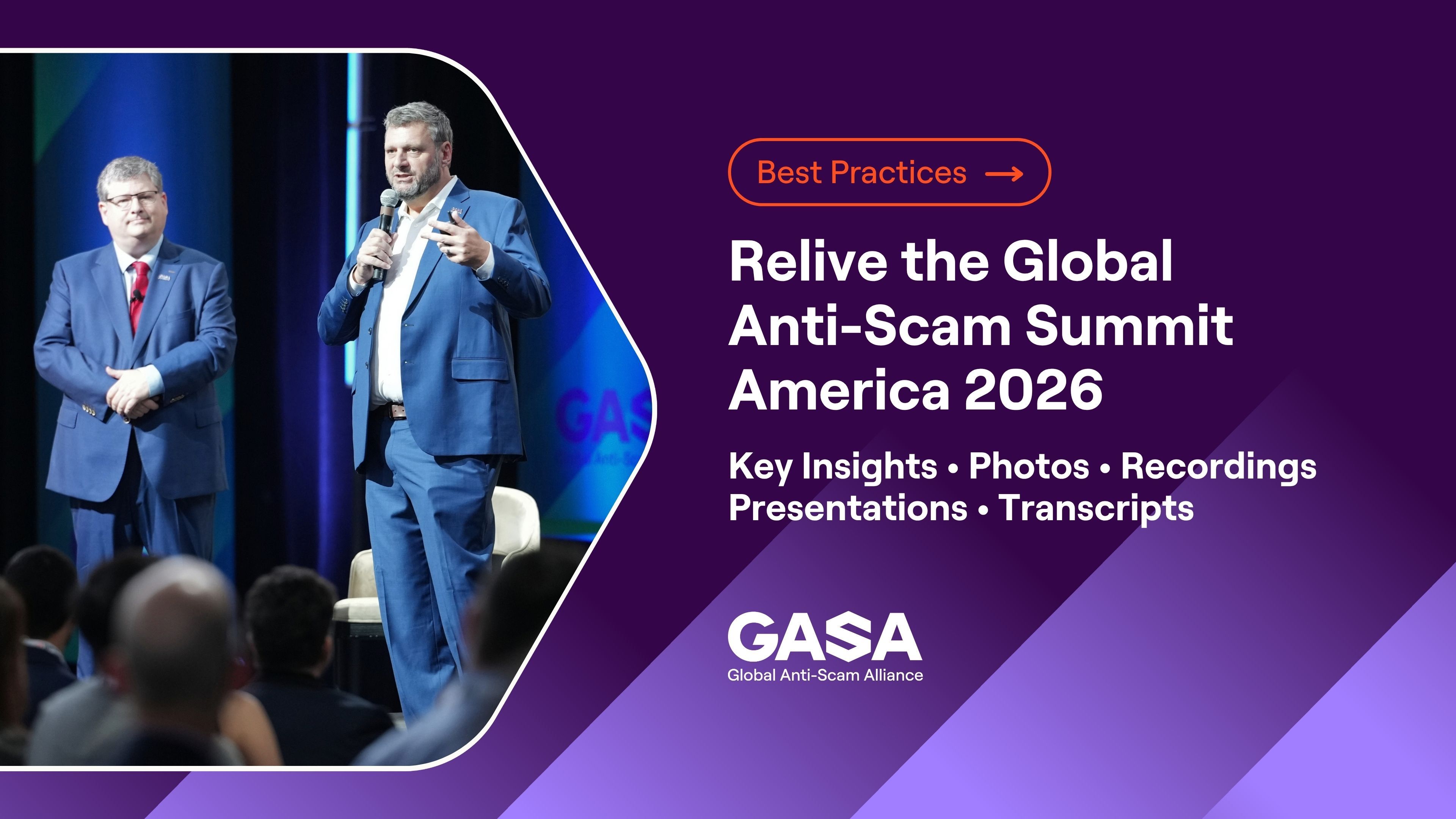
Global Anti-Scam Summit America 2026: Highlights, Insights and Resources
Explore GASS America 2026 highlights and insights, with the Summit summary, photos, presentation slides, transcripts and session recordings from San Francisco.
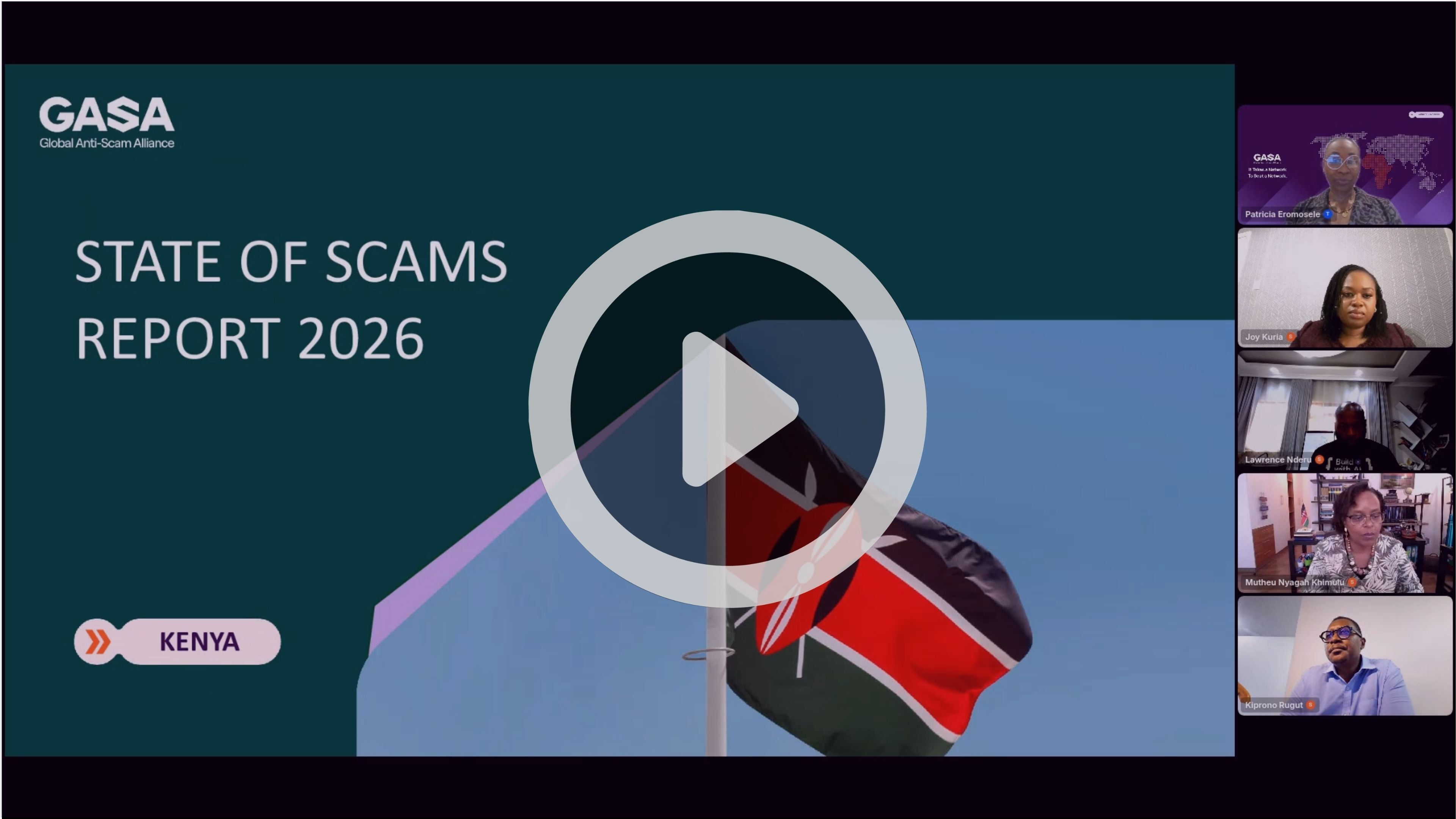
State of Scams in Kenya 2026: A Comparative Review Across Africa
Kenyan experts examine scam trends, data sharing, digital trust and the need for stronger cross-sector prevention.
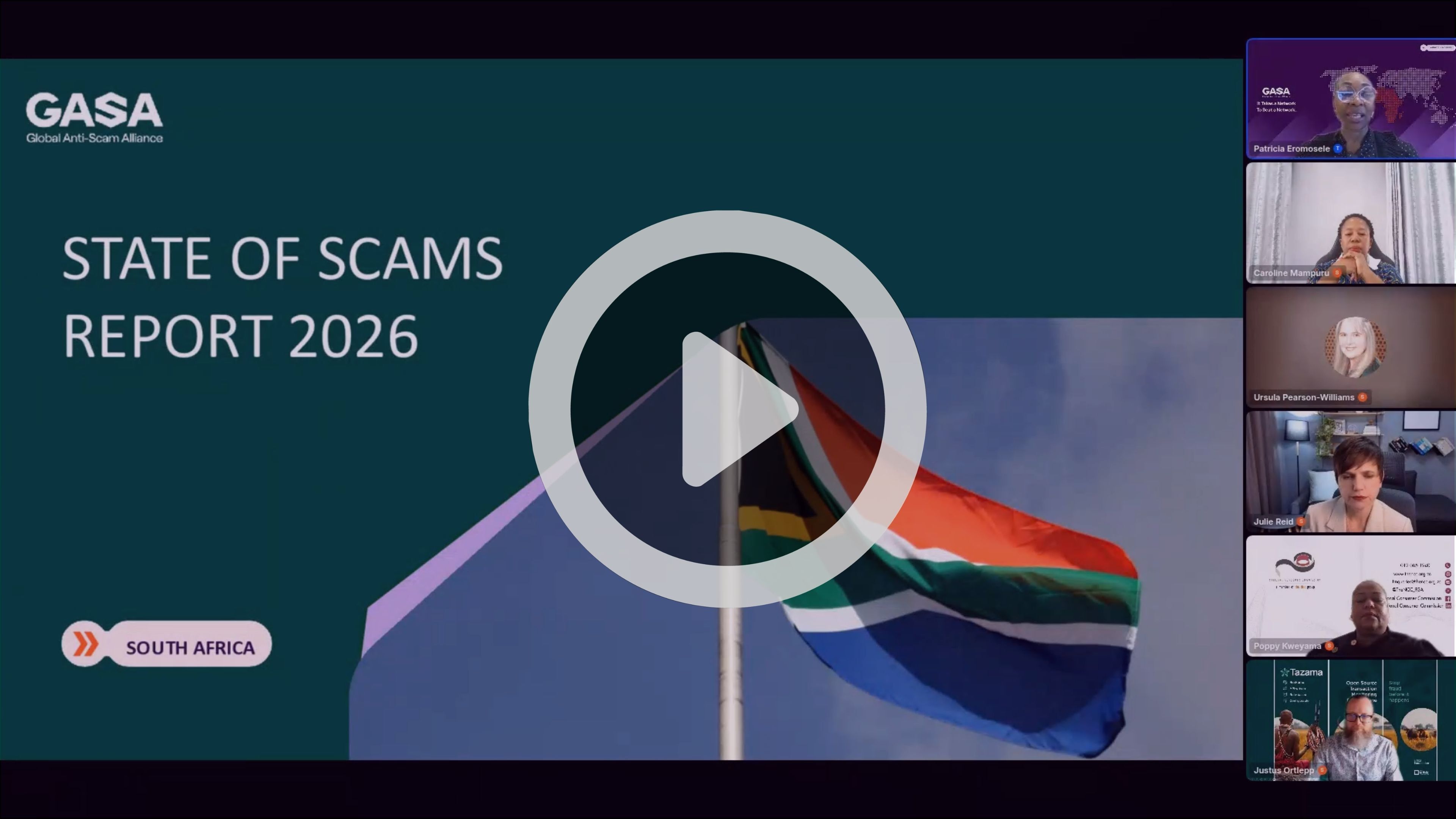
State of Scams in South Africa 2026: A Comparative Review Across Africa
South African experts examine scam trends, AI, consumer protection and the need for stronger cross-sector collaboration.
-3.jpg)
More than one in five adults in Japan encountered scams in the past year
New State of Scams Japan 2026 report examines how scams are reaching consumers and where stronger prevention and collaboration can make a difference