

Date of Event: 26–27 March 2025
Event: Global Anti-Scam Summit London 2025
Date of Event: 26–27 March 2025
Event: Global Anti-Scam Summit London 2025
This panel discussion focused on the growing role of public-private partnerships in combatting scams and financial fraud. As scams become more sophisticated and borderless, collaboration across sectors has become essential to drive prevention, disruption, and victim support.
Adrian Searle of the UK’s National Economic Crime Centre shared insights from a decade of partnership models, including the joint money laundering intelligence taskforce and tactical intelligence exchange between law enforcement and banks. The UK is now broadening this model to include the telco and tech sectors to address emerging scam techniques such as SIM diversion and fraud-as-a-service.
Jean-Jacques Sahel from Google explained how the company integrates scam protection into its products while also leveraging trusted flagger networks, collaborative takedown systems, and multi-party initiatives like the Global Signal Exchange. He stressed the importance of scaling awareness and joint investigations through trust-based engagement with public authorities.
Representing the banking industry, Hedwige Nuyens of the IBFed emphasised the sector’s preference for ecosystem-wide cooperation over additional regulation. She noted that banks cannot tackle scams alone and must coordinate with cloud providers, fintechs, telcos, and social media platforms to avoid displacement of fraud into less regulated channels.
Ruben van Well of the Dutch National Police highlighted operational innovations such as the “no more leaks” initiative, which allows companies to check if user credentials have appeared in seized criminal data. He called for more creative collaboration, such as sharing modus operandi with financial services to enable real-time scam prevention.
Andy White from the Australian Payments Network described the national anti-scam centre model, which has contributed to a 36% reduction in scam losses over two years. Fusion cells, takedown coordination, and proactive policy frameworks have enabled multi-sector responses at scale, supported by recently passed scam prevention legislation.
Speakers agreed that while national initiatives are crucial, scalable international cooperation is now needed. The panel called for greater harmonisation of models, shared enforcement mechanisms, and smarter integration of victim tools and public reporting systems.
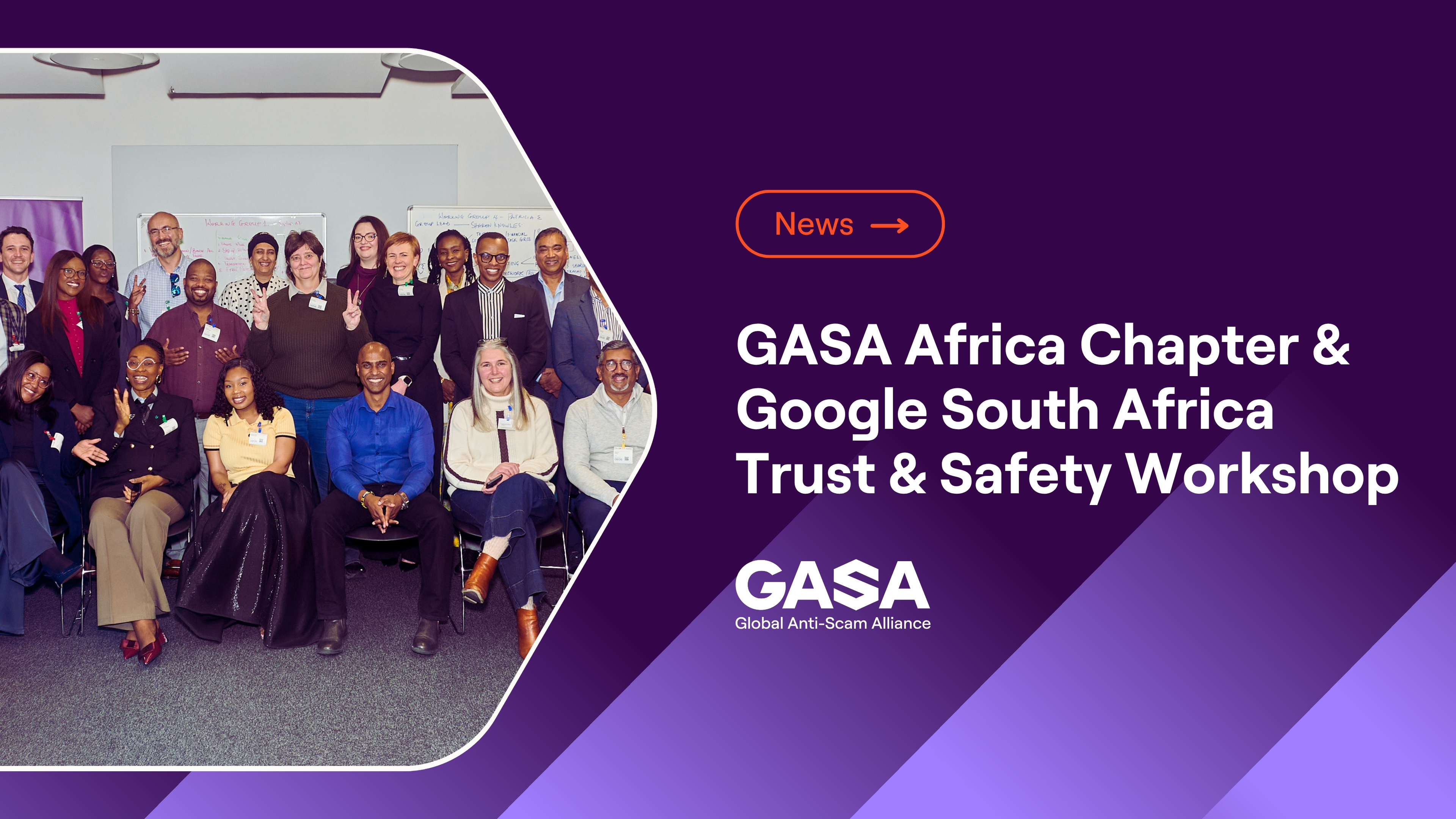
Accra Trust & Safety Workshop Turns Collaboration into Action Against Scams and Fraud in West Africa
GASA Africa Chapter and Google South Africa brought anti-fraud leaders together to strengthen cross-border cooperation and scam prevention.
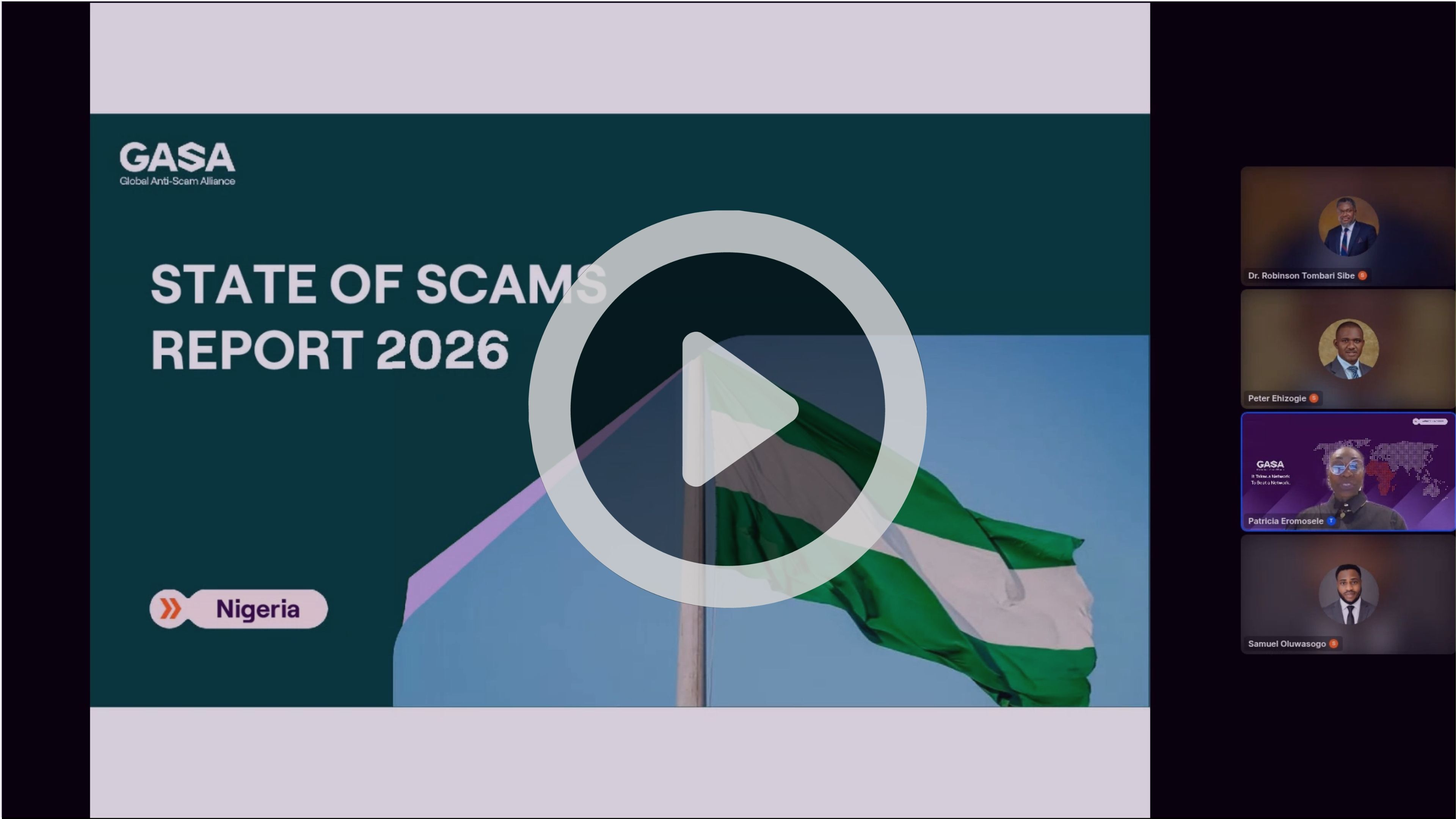
State of Scams in Nigeria 2026: A Comparative Review Across Africa
Nigerian experts examine scam trends, technology, consumer protection and the need for stronger cross-sector collaboration.
Nearly three in four Danish adults encountered scams as estimated losses reach DKK 10.1 billion
New State of Scams Denmark 2026 report finds scam exposure is rising, while victims face repeated financial and emotional harm.
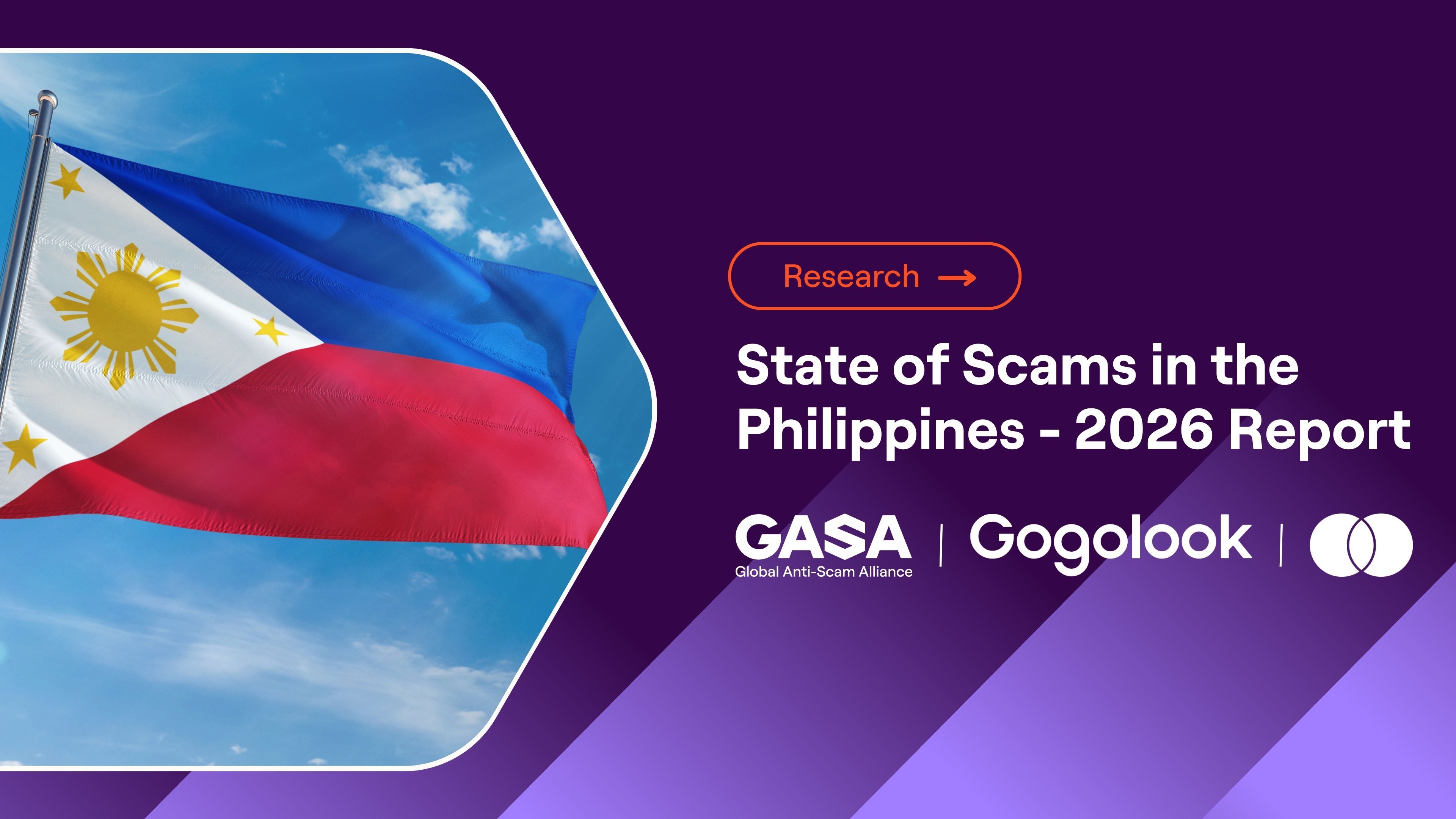
Building a More Trusted Digital Philippines: New Report Underscores the Need for Collective Action as Scam Exposure Continues to Rise
GASA’s State of Scams in the Philippines 2026 Report, in collaboration with Mastercard and Gogolook, highlights the growing scale of the scam challenge in the Philippines.
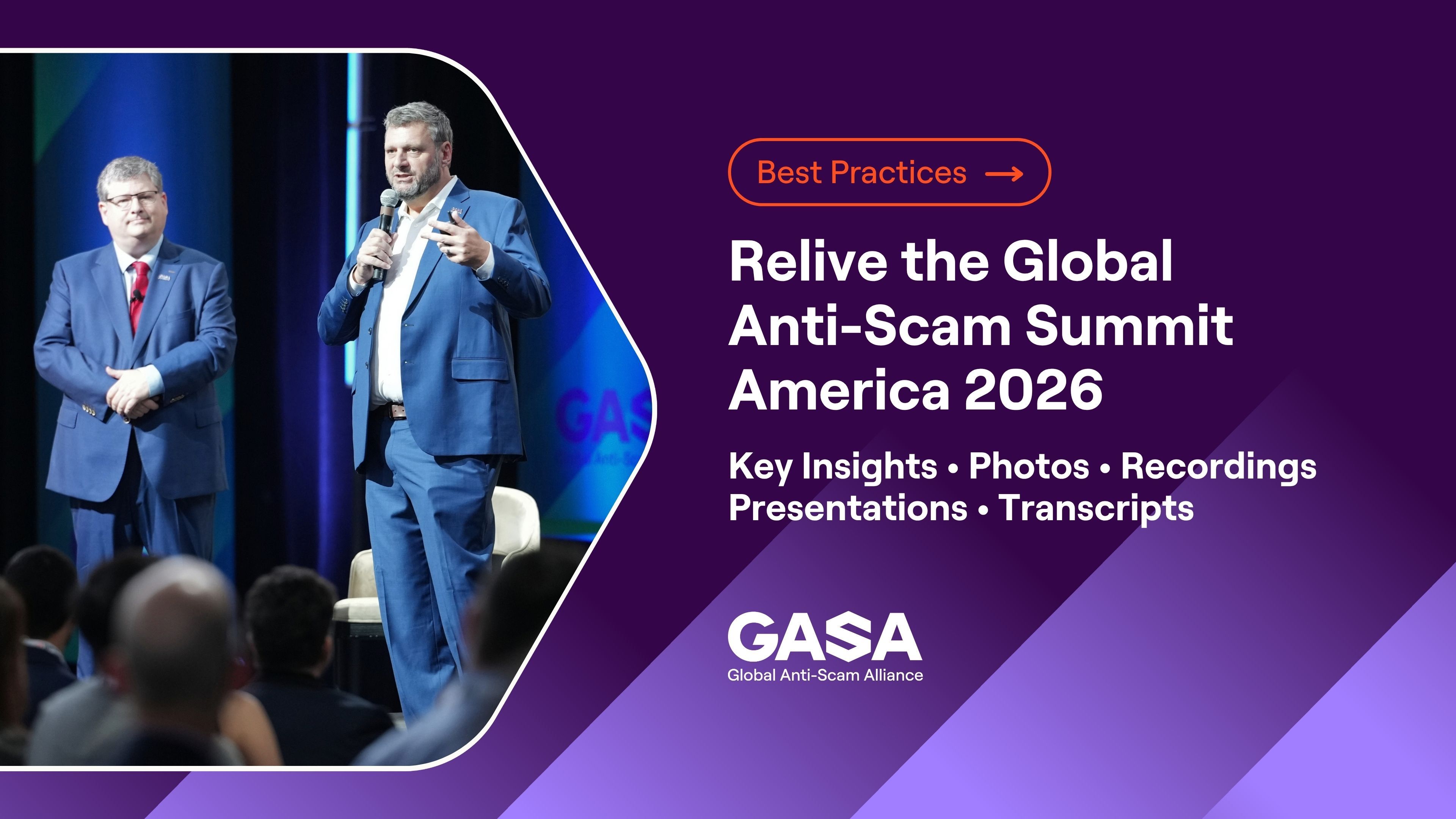
Global Anti-Scam Summit America 2026: Highlights, Insights and Resources
Explore GASS America 2026 highlights and insights, with the Summit summary, photos, presentation slides, transcripts and session recordings from San Francisco.
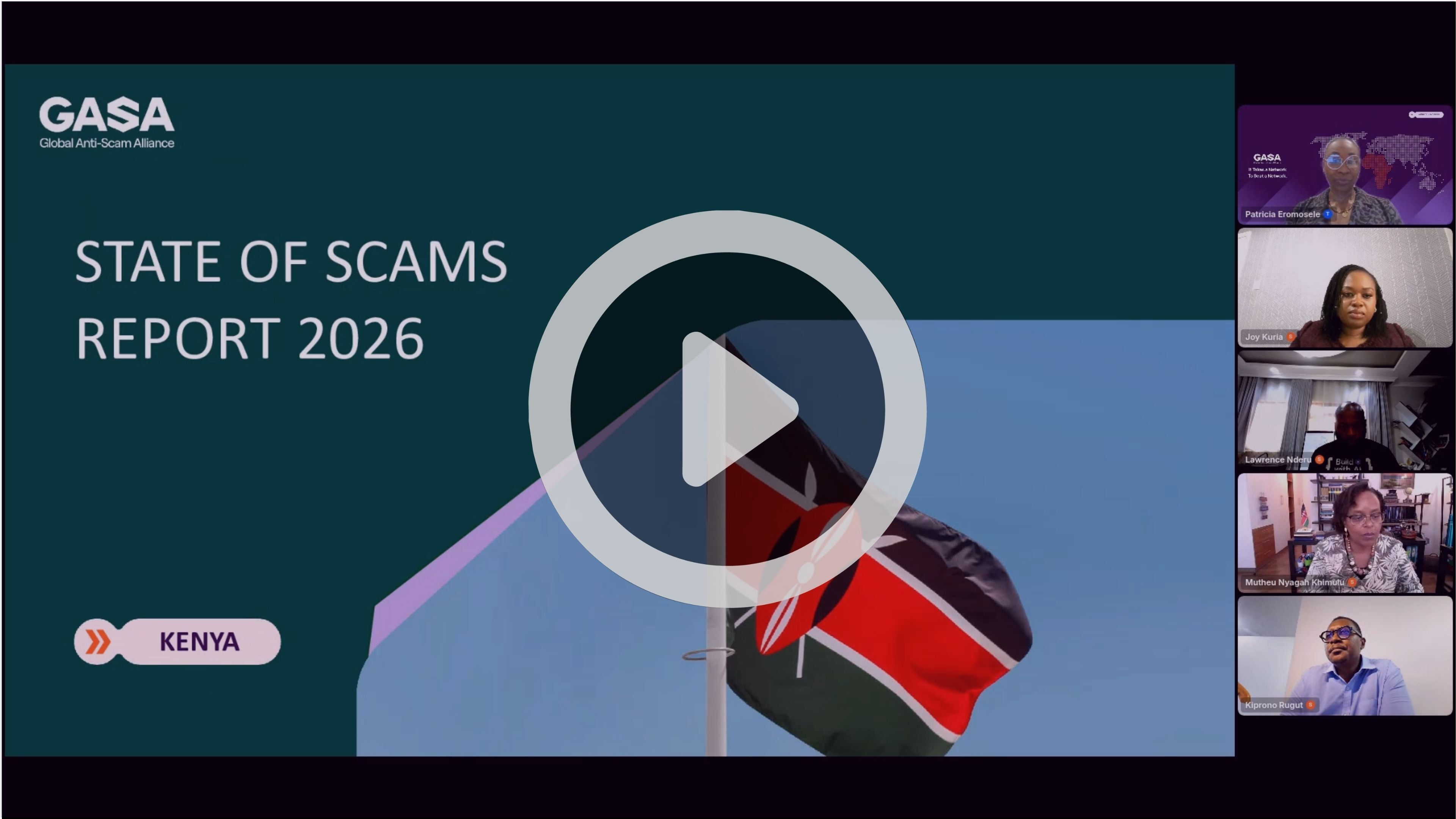
State of Scams in Kenya 2026: A Comparative Review Across Africa
Kenyan experts examine scam trends, data sharing, digital trust and the need for stronger cross-sector prevention.
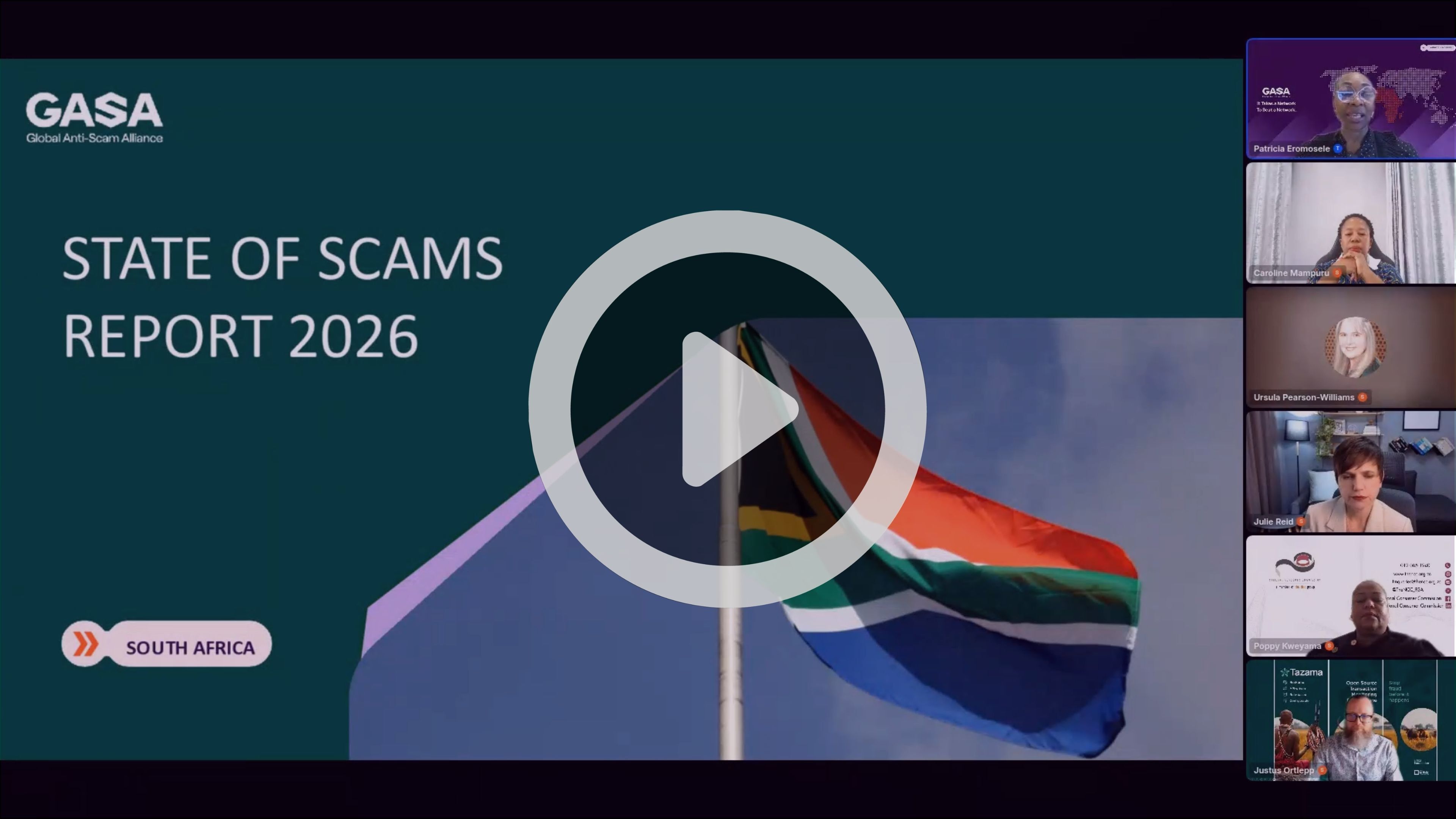
State of Scams in South Africa 2026: A Comparative Review Across Africa
South African experts examine scam trends, AI, consumer protection and the need for stronger cross-sector collaboration.
-3.jpg)
More than one in five adults in Japan encountered scams in the past year
New State of Scams Japan 2026 report examines how scams are reaching consumers and where stronger prevention and collaboration can make a difference