

According to the Global State of Scams 2022 report published by the Global Anti-Scam Alliance , more than $55 billion dollars were lost to scams in 2021, and nearly 300 million consumers were targeted. Research indicates that about 8.3% of all websites are scams. In nearly all countries, scam reporting remains fragmented across entities and prosecution rates are abysmally low, 0.05% by some estimates.
To help companies worldwide better fight scams, Malware Patrol and ScamAdviser are joining forces to produce the “Scam Domains Data Feed.” It features ScamAdviser’s extensive database of scam websites correlated with Malware Patrol’s threat intelligence. The resulting feed is highly actionable, with daily verification of each indicator and hourly updates. It is offered in flexible feed formats that integrate with diverse cybersecurity systems.
The “Scam Domains Data Feed” allows businesses to prevent their employees and customers from accessing websites that are known to be involved in online shopping fraud, advanced fee scams, romance scams, employment fraud, subscription scams and investment and crypto fraud.
Malware Patrol has focused solely on threat intelligence since 2005. The company monitors the latest malicious campaigns to collect indicators of compromise, from malware, ransomware, and phishing to command-and-control systems. This data is enriched to generate a variety of threat intelligence feeds used by companies to improve their threat detection and response time.
ScamAdviser was founded in 2012 and helps over 4 million consumers every month to check if a website is legitimate or a possible scam. The company scans identifies more than 1 million new sites every month. ScamAdviser’s algorithm utilizes more than 40 data points to determine a Domain Trust Score.
Andre Correa , CEO of Malware Patrol explains the cooperation with ScamAdviser, “We started with systems that identify malware and ransomware, quickly moved to phishing and now online scams are the third wave hitting both businesses and consumers. We are happy to expand our offering with the data from ScamAdviser which is unique in its kind.”
Jorij Abraham , General Manager of ScamAdviser elaborates, “Malware Patrol has been nearly twice as long active in the industry as we and has an incredible network in the cybersecurity industry. We are certain they will help expand our reach to realize our mission to help consumers not get scammed.”
The new “Scam Domains Data Feed” is available from Malware Patrol. Companies can take advantage of a 14-day free evaluation to review the data and make the necessary adjustments to integrate it into their existing infrastructure.
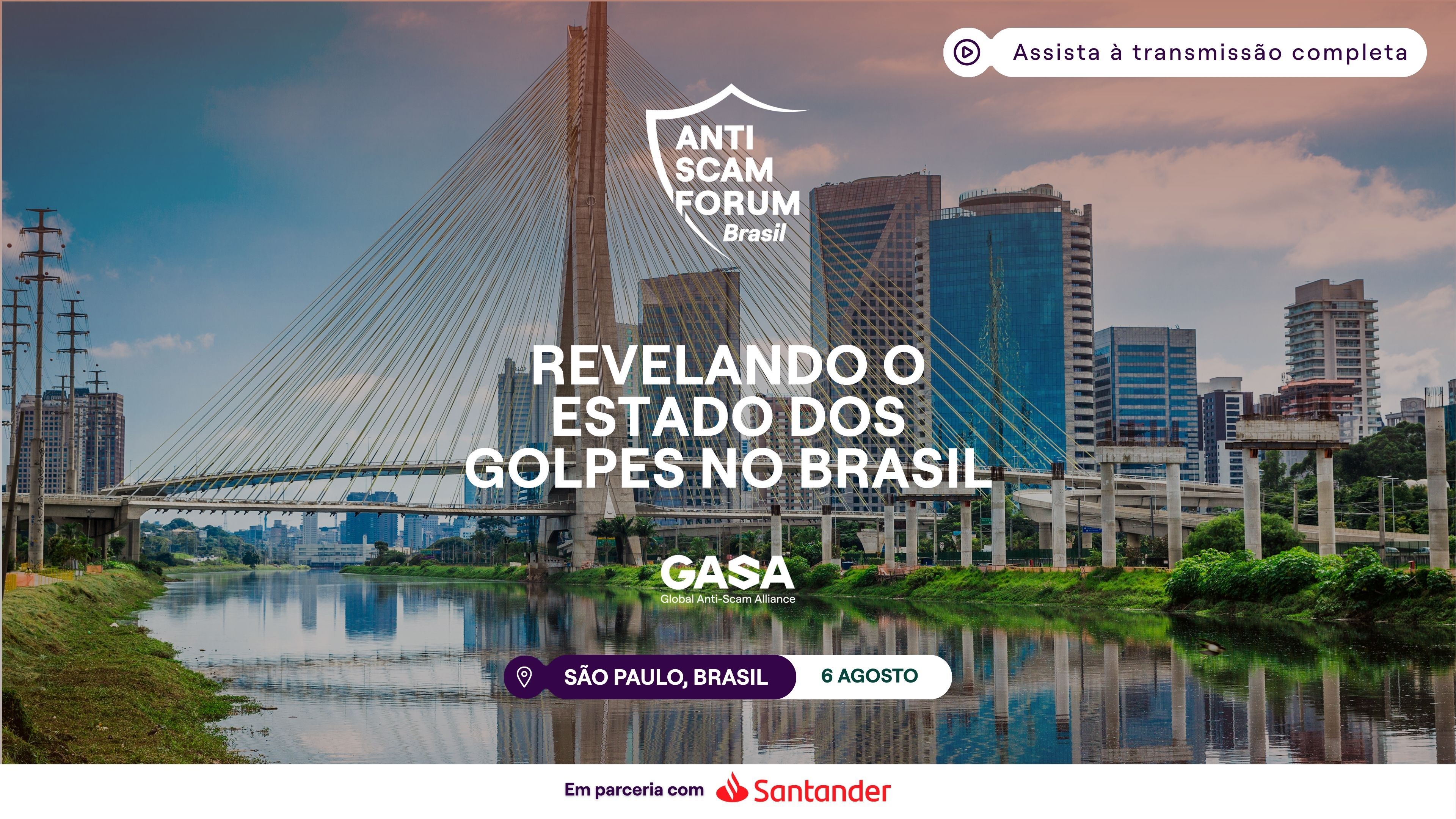
Brazil Anti-Scam Forum 2026: Key Takeaways on Strengthening Scam Prevention in Brazil
Key insights from the Brazil Anti-Scam Forum 2026 on scam trends, prevention, intelligence sharing and cross-sector collaboration.

GASA Consumer Education Working Group Develops 5-Step Response Plan for Scam Victims
GASA’s Consumer Education Working Group sets out a five-step response plan that organisations can use and share to support people affected by scams.
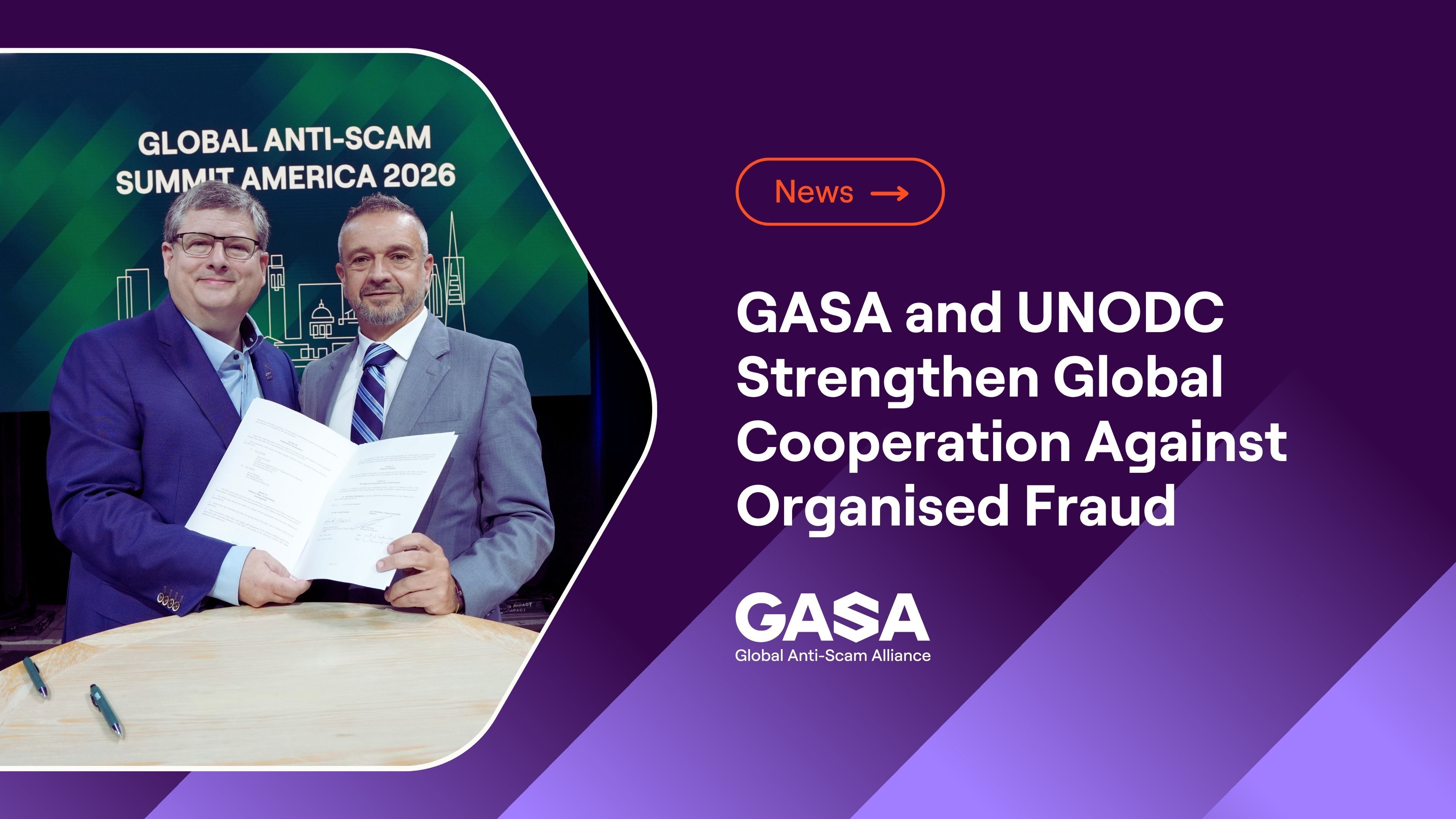
GASA and UNODC Partner to Strengthen Global Response to Organised Fraud
GASA and UNODC sign an MoU to strengthen international cooperation on fraud prevention, research, criminal justice responses and awareness.
Meet the Winners – Scam Fighter Awards at the Global Anti-Scam Summit America 2026
Meet the winners of the Scam Fighter Awards at the Global Anti-Scam Summit America 2026 and learn about their work in education, research, collaboration and technology.

Global Anti-Scam Alliance Partners with TruthScan to Integrate Deepfake Detection on scam.org
Users of scam.org will now be able to upload an image to the website for analysis to determine whether the image is authentic, edited, or generated by artificial intelligence.
From Information Sharing to Intelligence Production: GASA Mexico in Forbes
Sissi de la Peña, Director of the GASA Mexico Chapter, examines in Forbes México what the U.S. memorandum on cyber operations against fraud networks means for the country.
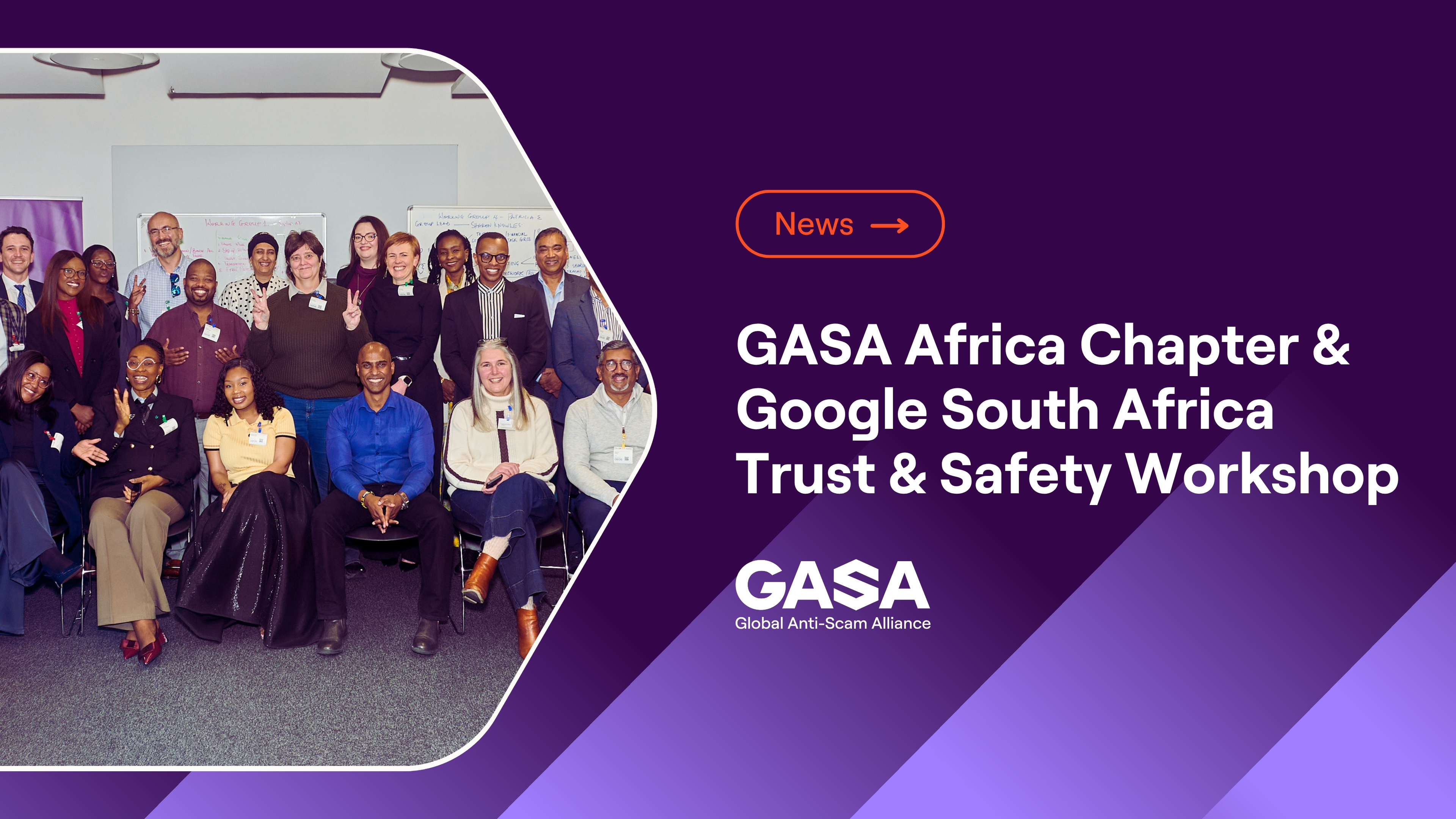
GASA and Google Trust & Safety Workshop Sets Priorities for Anti-Scam Cooperation Across Africa
GASA Africa Chapter and Google South Africa brought anti-fraud leaders together to strengthen cross-border cooperation and scam prevention.
Allstate Identity Protection Joins the Global Anti-Scam Alliance to Strengthen the Fight Against Scams and Identity Theft
Allstate Identity Protection has joined the Global Anti-Scam Alliance (GASA) as a Corporate Member within the North America Chapter.