
Date of Event: 26–27 March 2025
Event: Global Anti-Scam Summit London 2025
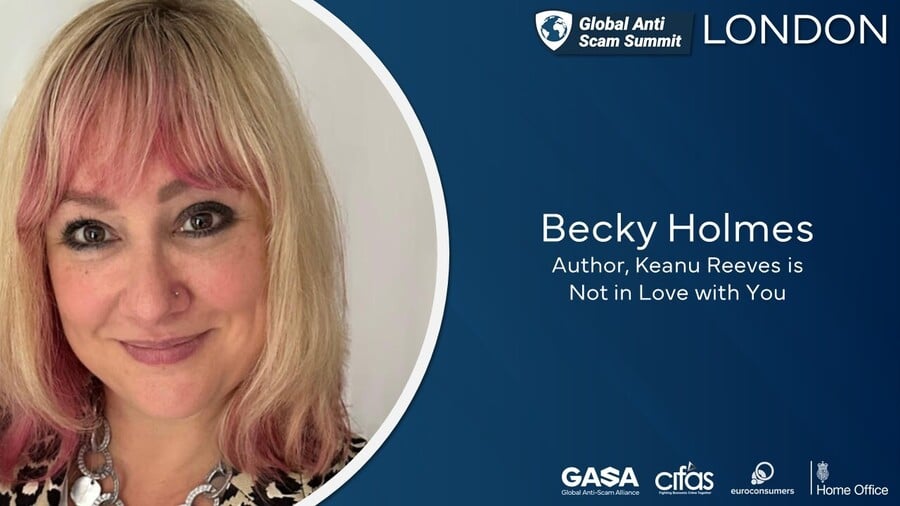
In one of the most emotionally resonant sessions of the summit, author Becky Holmes closed Day 1 with a deeply personal yet sharply critical talk on romance fraud. What began as a humorous look at social media scammers quickly evolved into a compelling argument for reframing how society views and supports victims.
Holmes recounted how lockdown boredom and a wave of fake profiles on Twitter led her to start engaging with scammers—an experience that later formed the basis of her book Keanu Reeves Is Not in Love with You . Her light-hearted “scambaiting” posts gained popularity, but also brought her into contact with real victims of romance fraud, many of whom had never shared their experiences before.
Through stories of women like Franchesca, Sue, and a couple misidentified as criminals by their own bank, Holmes laid bare the devastating psychological impact of romance scams. She critiqued the failure of institutions—from banks to ombudsmen—to provide timely and compassionate support, often leaving victims to battle shame, debt, and disbelief alone.
Drawing parallels between romance fraud and coercive control in abusive relationships, Holmes dismantled myths about gullibility and called for urgent improvements in victim support. She stressed that scams exploit fundamental human needs—love, trust, and connection—and that language like “falling for a scam” only reinforces blame. Her talk ended with a powerful reminder: the common denominator among victims is not stupidity, but kindness.

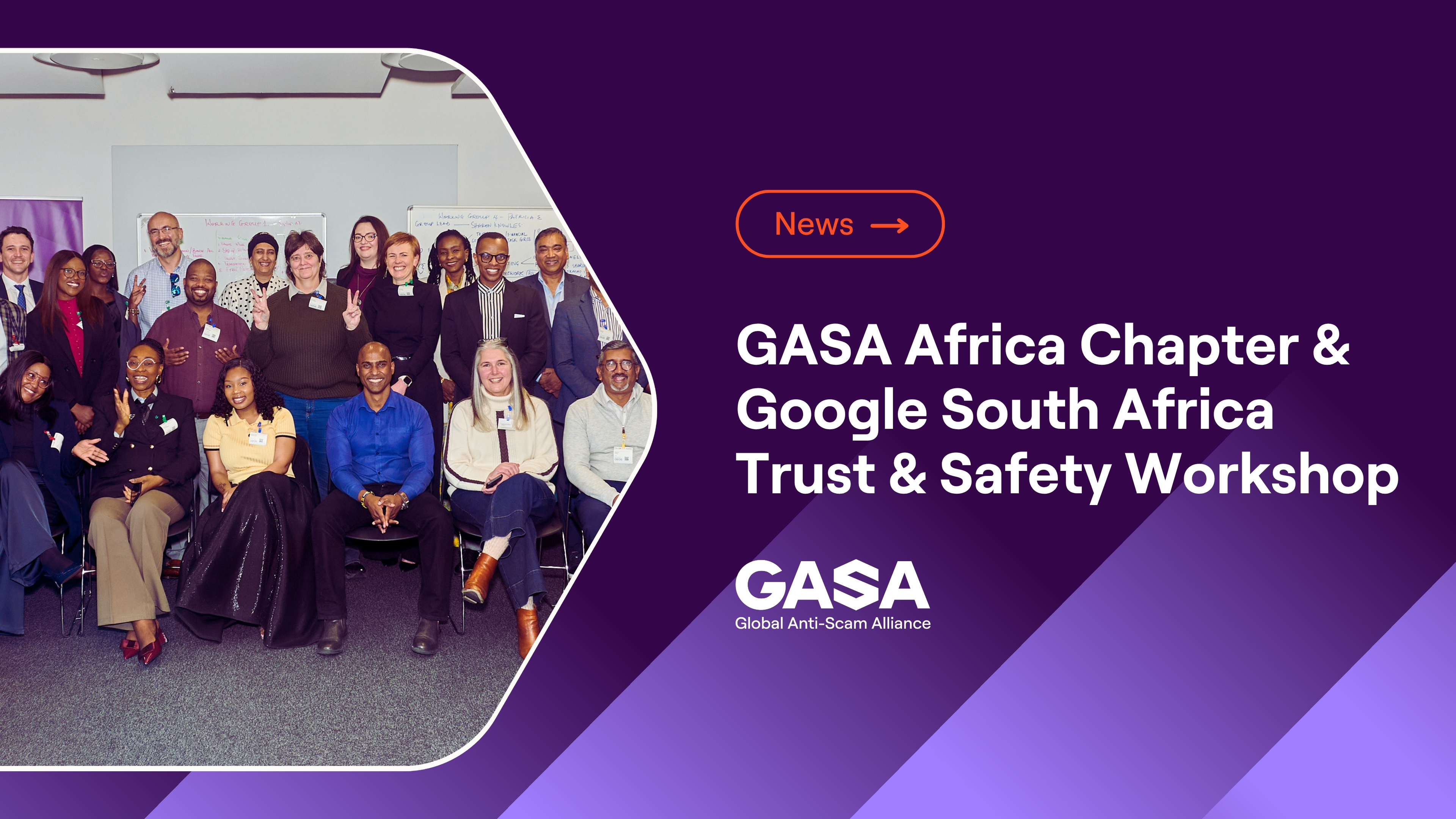
Accra Trust & Safety Workshop Turns Collaboration into Action Against Scams and Fraud in West Africa
GASA Africa Chapter and Google South Africa brought anti-fraud leaders together to strengthen cross-border cooperation and scam prevention.
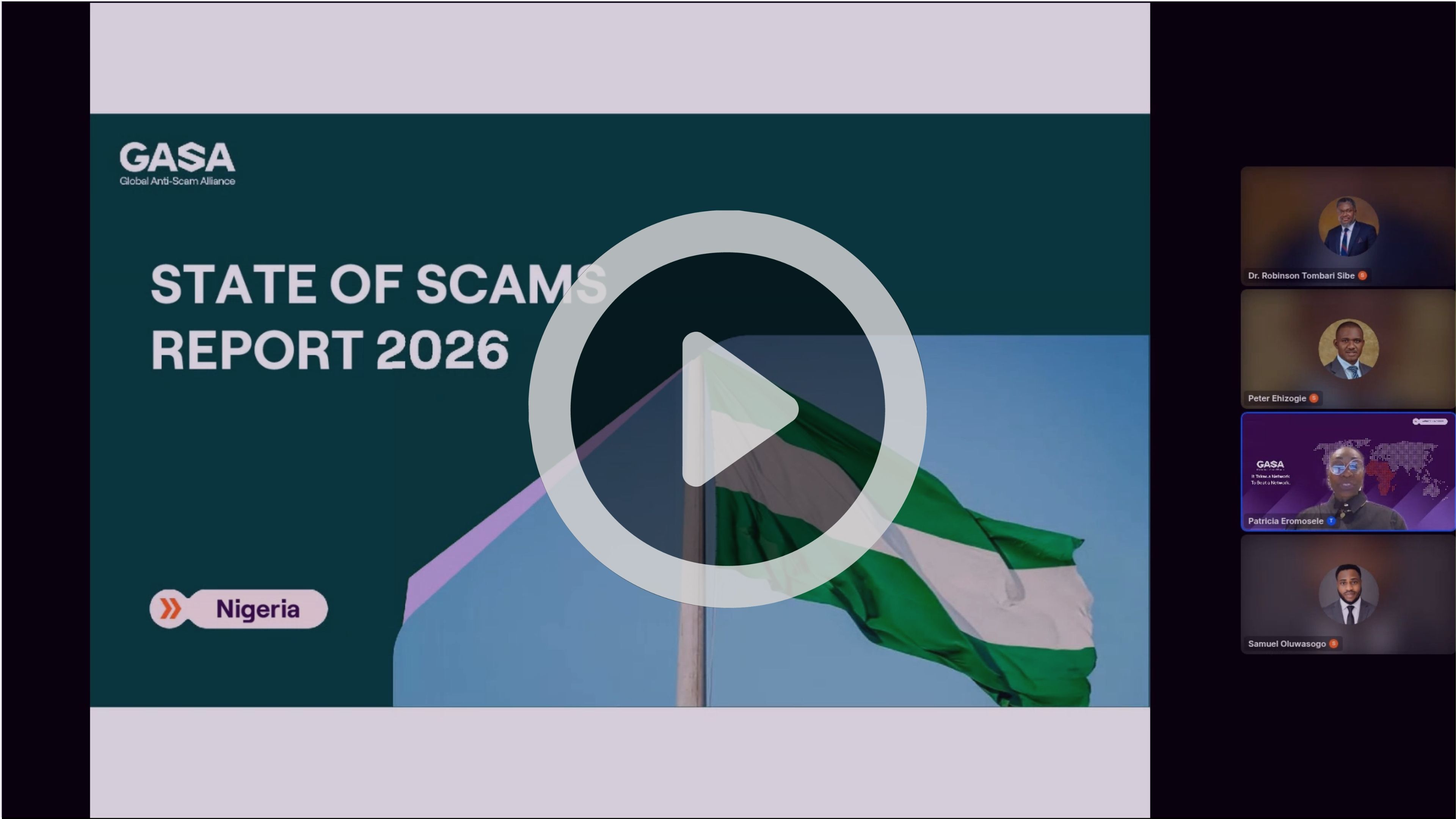
State of Scams in Nigeria 2026: A Comparative Review Across Africa
Nigerian experts examine scam trends, technology, consumer protection and the need for stronger cross-sector collaboration.
Nearly three in four Danish adults encountered scams as estimated losses reach DKK 10.1 billion
New State of Scams Denmark 2026 report finds scam exposure is rising, while victims face repeated financial and emotional harm.
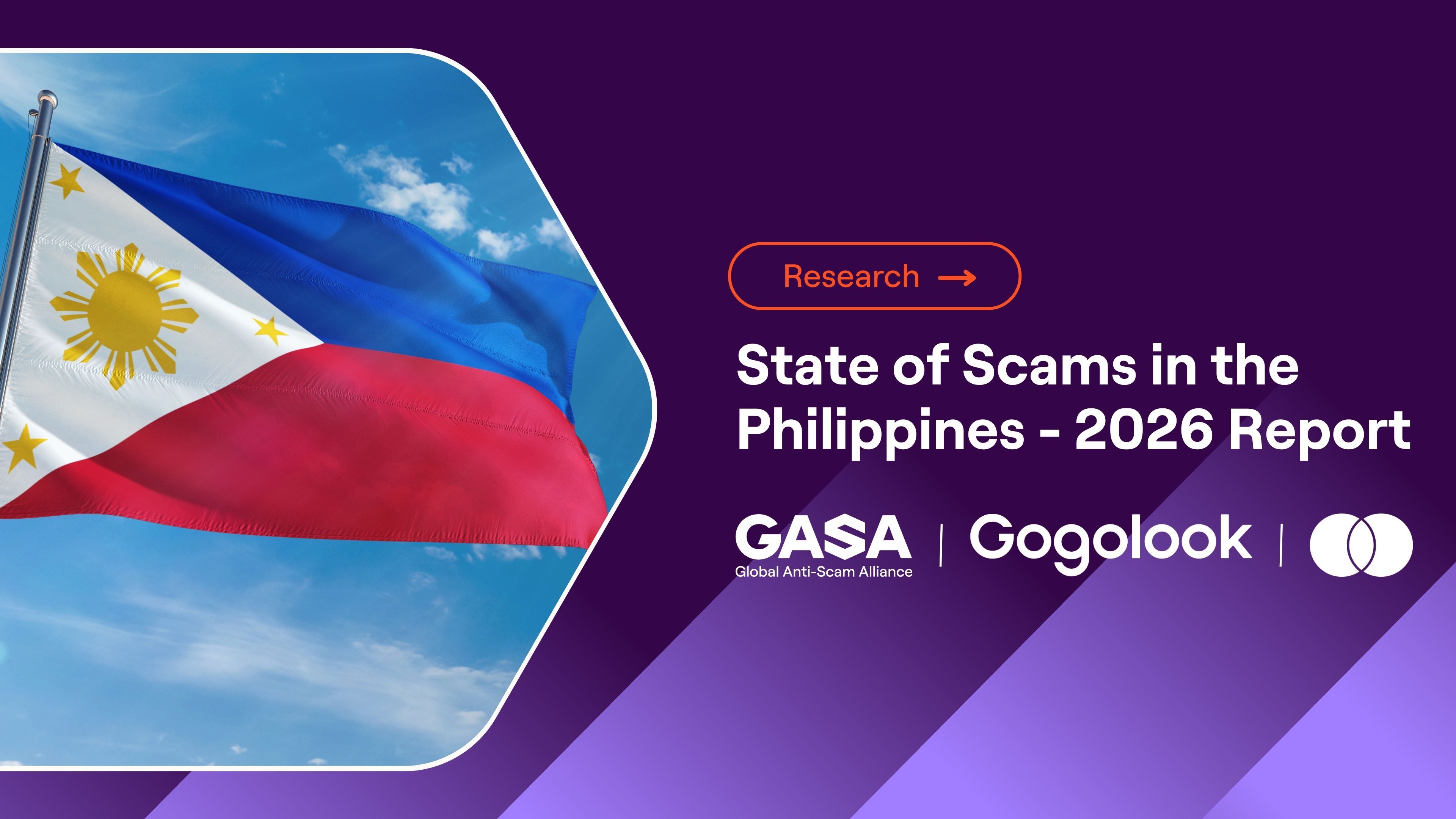
Building a More Trusted Digital Philippines: New Report Underscores the Need for Collective Action as Scam Exposure Continues to Rise
GASA’s State of Scams in the Philippines 2026 Report, in collaboration with Mastercard and Gogolook, highlights the growing scale of the scam challenge in the Philippines.
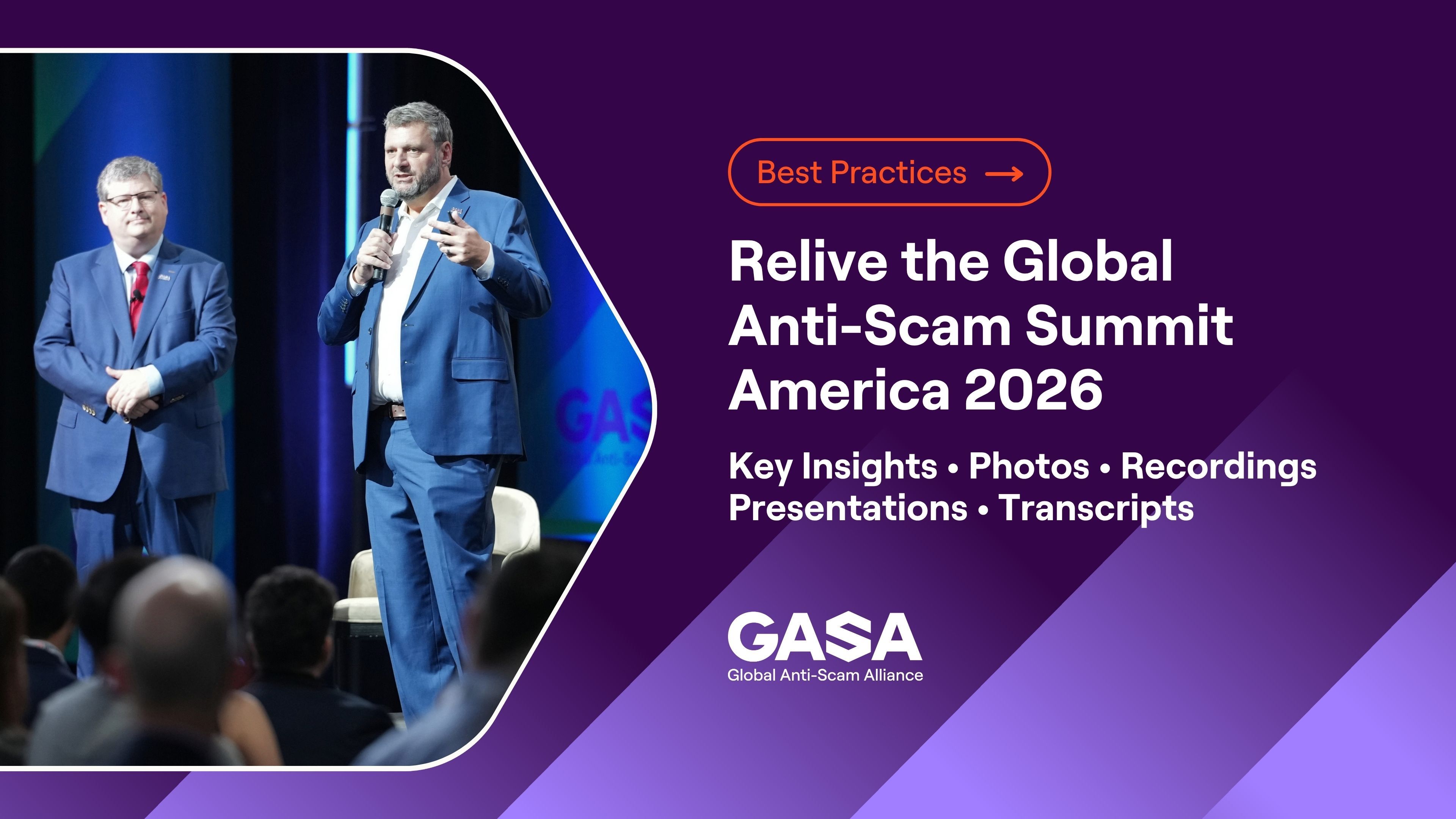
Global Anti-Scam Summit America 2026: Highlights, Insights and Resources
Explore GASS America 2026 highlights and insights, with the Summit summary, photos, presentation slides, transcripts and session recordings from San Francisco.
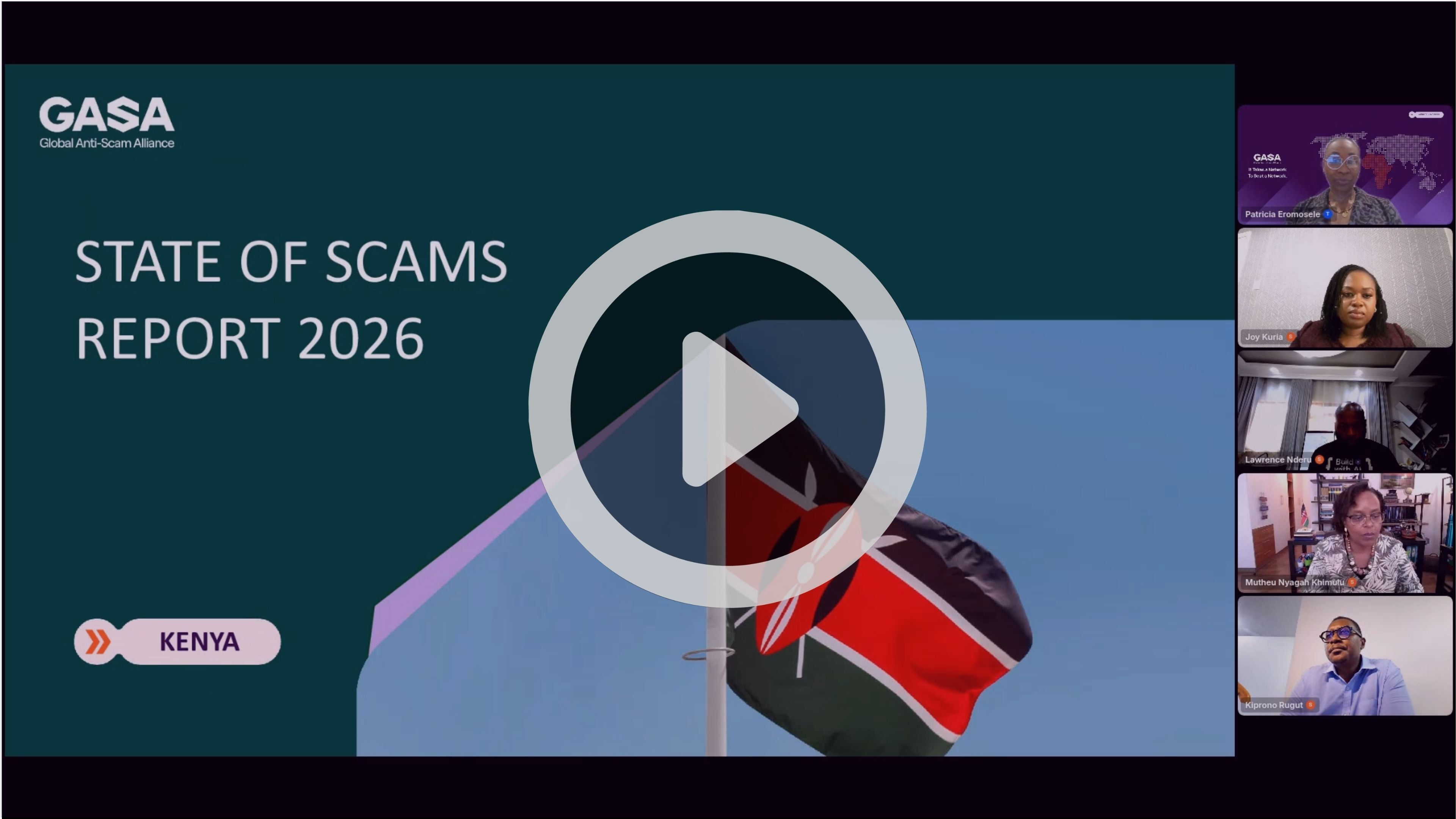
State of Scams in Kenya 2026: A Comparative Review Across Africa
Kenyan experts examine scam trends, data sharing, digital trust and the need for stronger cross-sector prevention.
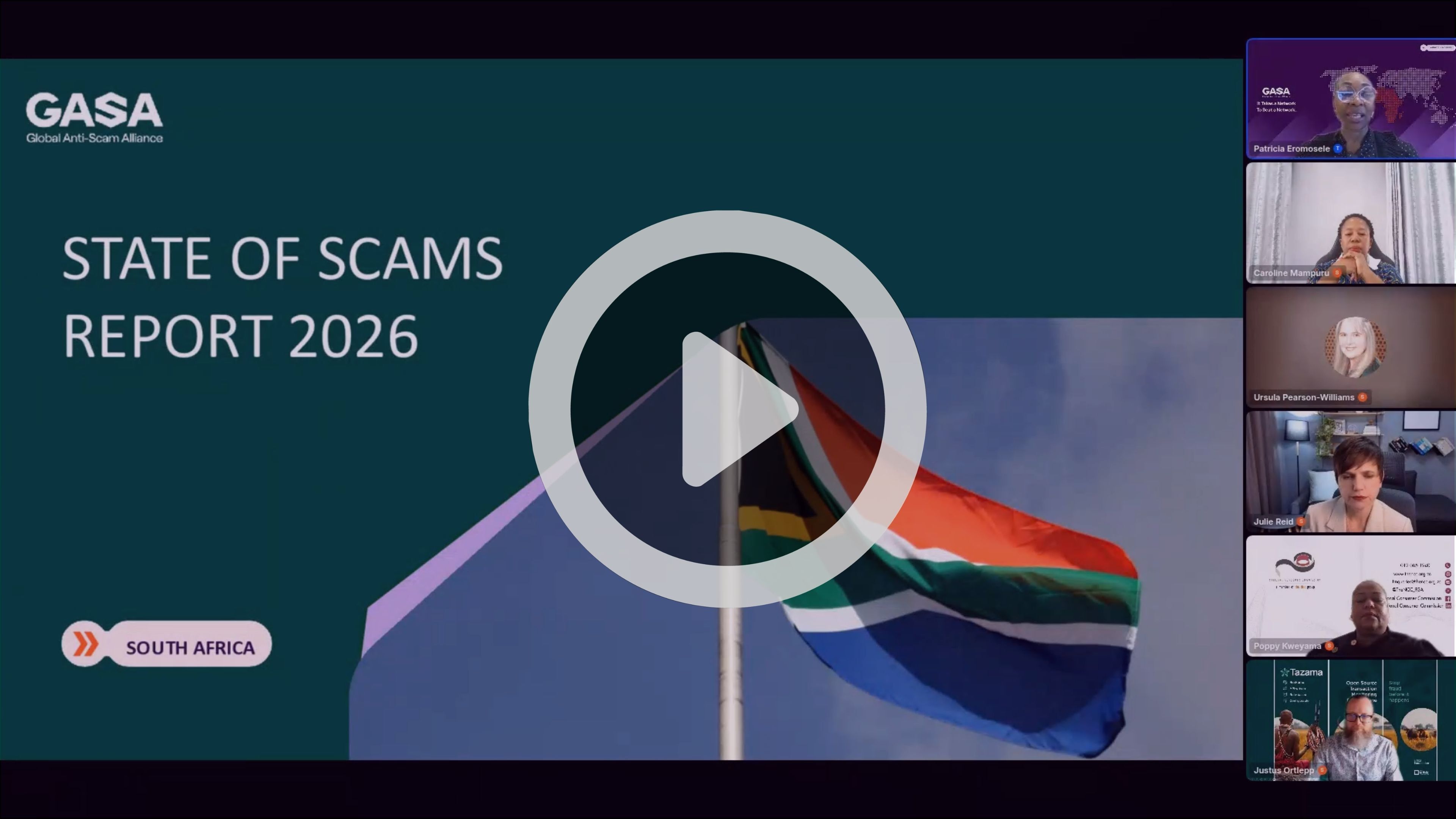
State of Scams in South Africa 2026: A Comparative Review Across Africa
South African experts examine scam trends, AI, consumer protection and the need for stronger cross-sector collaboration.
-3.jpg)
More than one in five adults in Japan encountered scams in the past year
New State of Scams Japan 2026 report examines how scams are reaching consumers and where stronger prevention and collaboration can make a difference