

The Global Anti-Scam Alliance (GASA) has officially partnered with TruthScan.
GASA is integrating TruthScan's deepfake detection technology into scam.org (a scam-prevention website by GASA and Partners).
Users of scam.org will now be able to upload an image to the website for analysis to determine whether the image is authentic, edited, or generated by artificial intelligence.
Both TruthScan and the GASA team believe this partnership will help stop more scams.
Jorij Abraham, Managing Director of GASA, says, "Scammers are massively adopting AI to scam people. AI is no longer only used to create deepfakes of celebrities. Scammers now apply the technology to create real-looking videos of your family or next-door neighbors, aiming to defraud you. I am therefore proud that we have been able to integrate TruthScan into scam.org to help people check photos and videos in real time and prevent people from becoming victims of scams."
Christian Perry, founder and CEO of TruthScan, believes the scam.org partnership is part of TruthScan's broader mission of providing anti-fraud resources to those in need.
"We partner with enterprises, non-profits, and journalists in ways that meet their needs. In this case, we're excited to help GASA and their non-profit initiative to prevent scams by equipping their new platform with accurate AI image detection," Perry says.
This new partnership follows TruthScan's previous partnerships with platforms such as ZeroGPT, DeepAI, and imagedetector.com, which also integrated TruthScan's detection technology.
About TruthScan
TruthScan is an enterprise-grade AI-fraud-prevention and deepfake-detection software. It detects synthetic media, including AI-generated images, videos, audio, and text.
About the Global Anti-Scam Alliance
The Global Anti-Scam Alliance (GASA) is an international organization dedicated to protecting consumers worldwide from scams and online fraud. By uniting governments, law enforcement, consumer protection agencies, financial institutions, technology companies, cybersecurity firms, and victim support organizations, GASA works to reduce the global impact of scams worldwide.
Scam.org is now live at www.scam.org
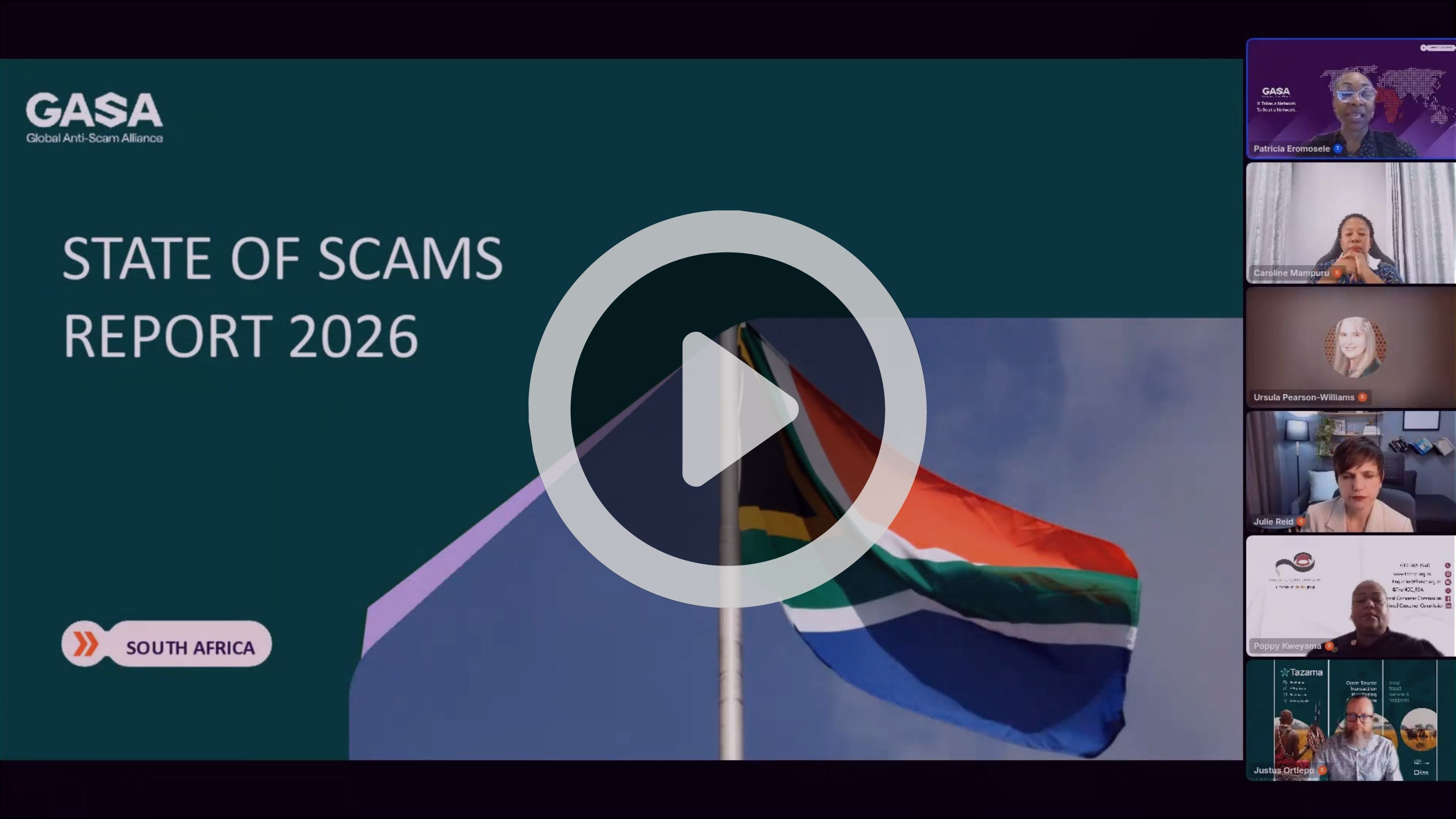
State of Scams in South Africa 2026: A Comparative Review Across Africa
South African experts examine scam trends, AI, consumer protection and the need for stronger cross-sector collaboration.
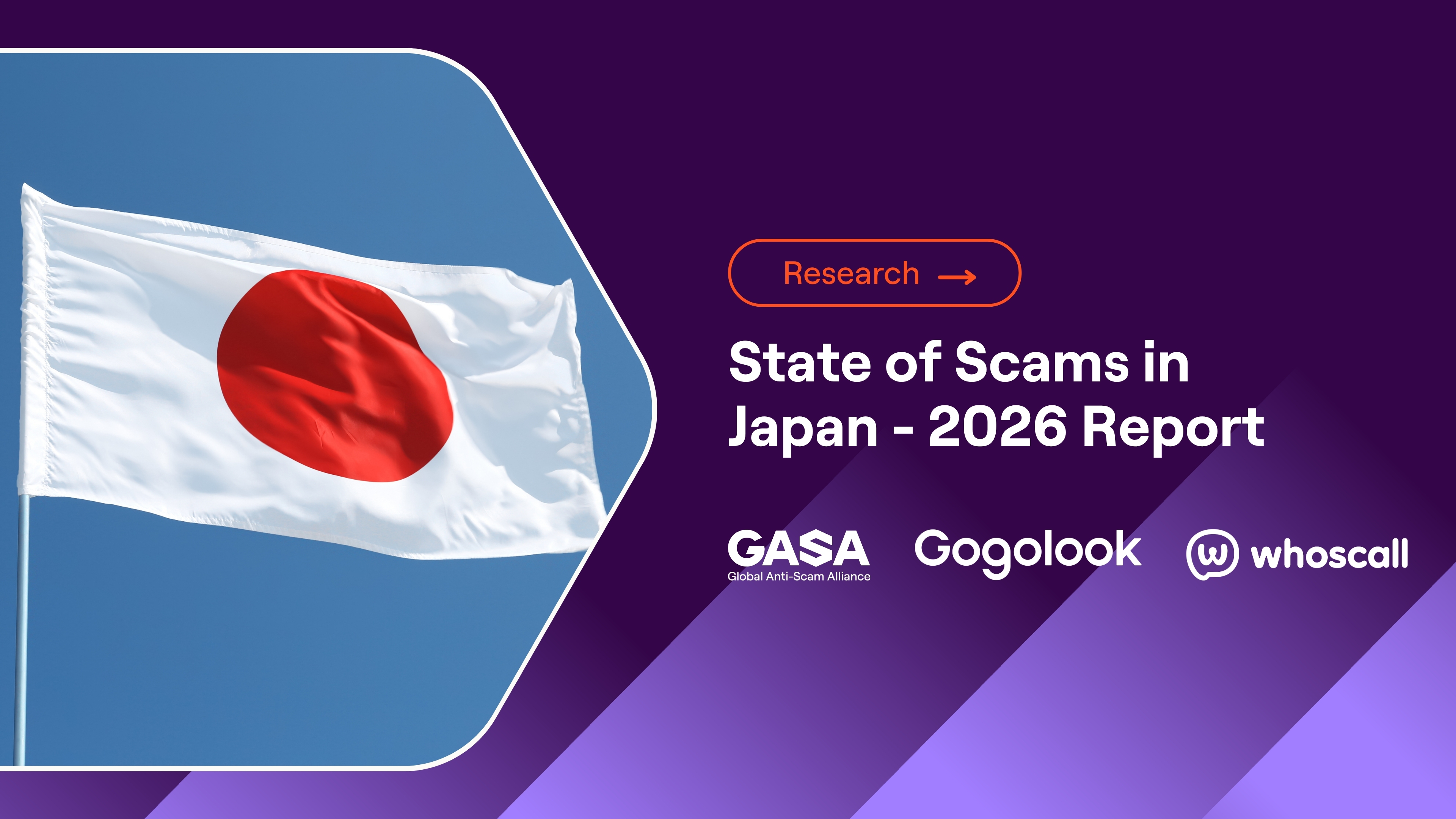
More than one in five adults in Japan encountered scams in the past year
New State of Scams Japan 2026 report examines how scams are reaching consumers and where stronger prevention and collaboration can make a difference
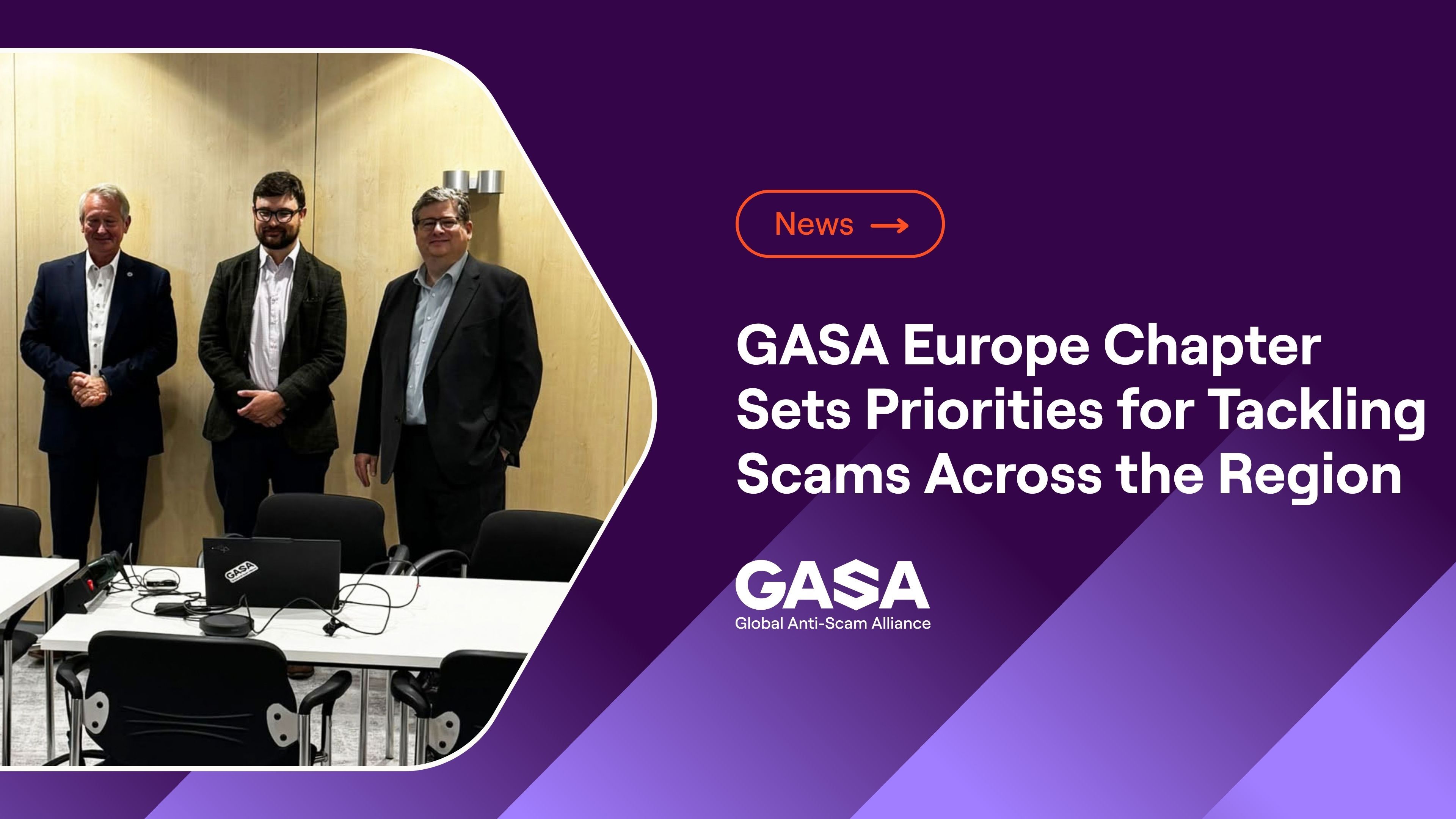
GASA Brings Stakeholders Together in Brussels for First Europe Chapter Meeting
GASA Europe brings 50+ stakeholders together in Brussels to discuss scam trends, data sharing and cross-sector priorities.
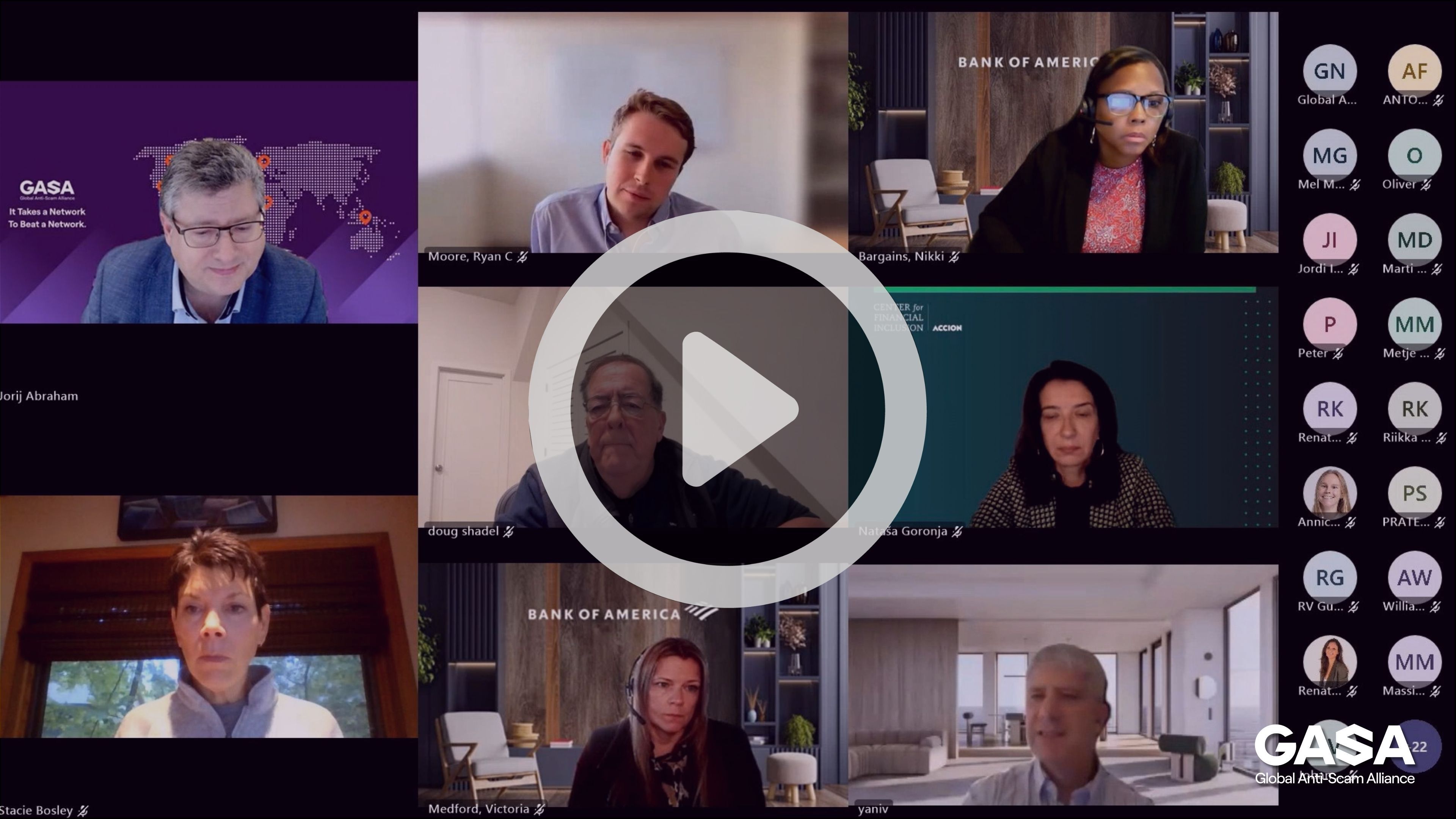
Research Working Group Meeting: Fraudulent Tickets and Robocall Scam Tactics
Research presented to GASA examines consumers’ ability to spot fraudulent tickets and tactics found across 4.49 million scam and spam robocalls.
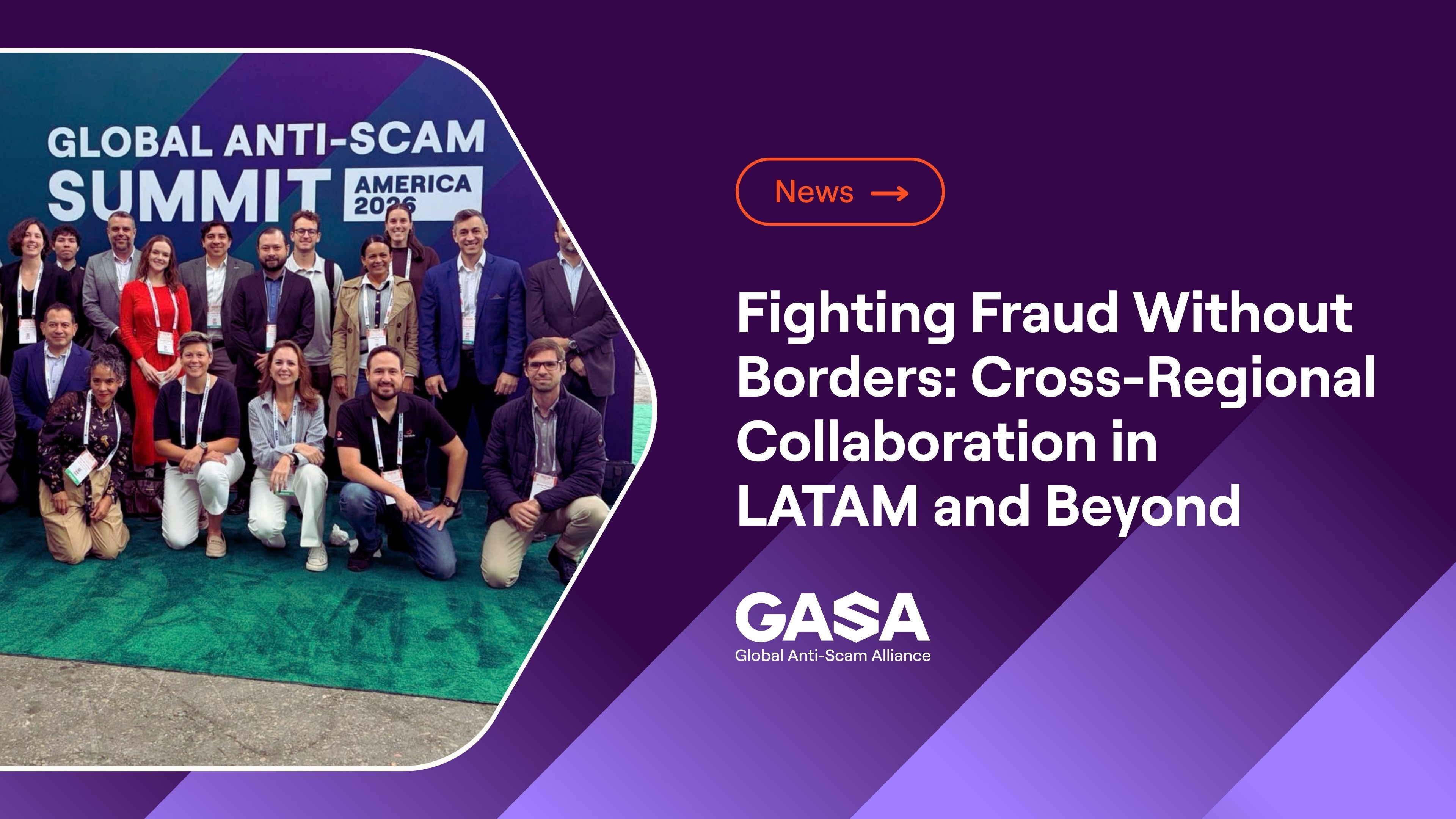
Fighting Fraud Without Borders: Cross-Regional Collaboration in Latin America and Beyond
A roundtable at GASS America examined cross-regional collaboration in Latin America and beyond, focusing on fraud prevention, consumer protection and response.
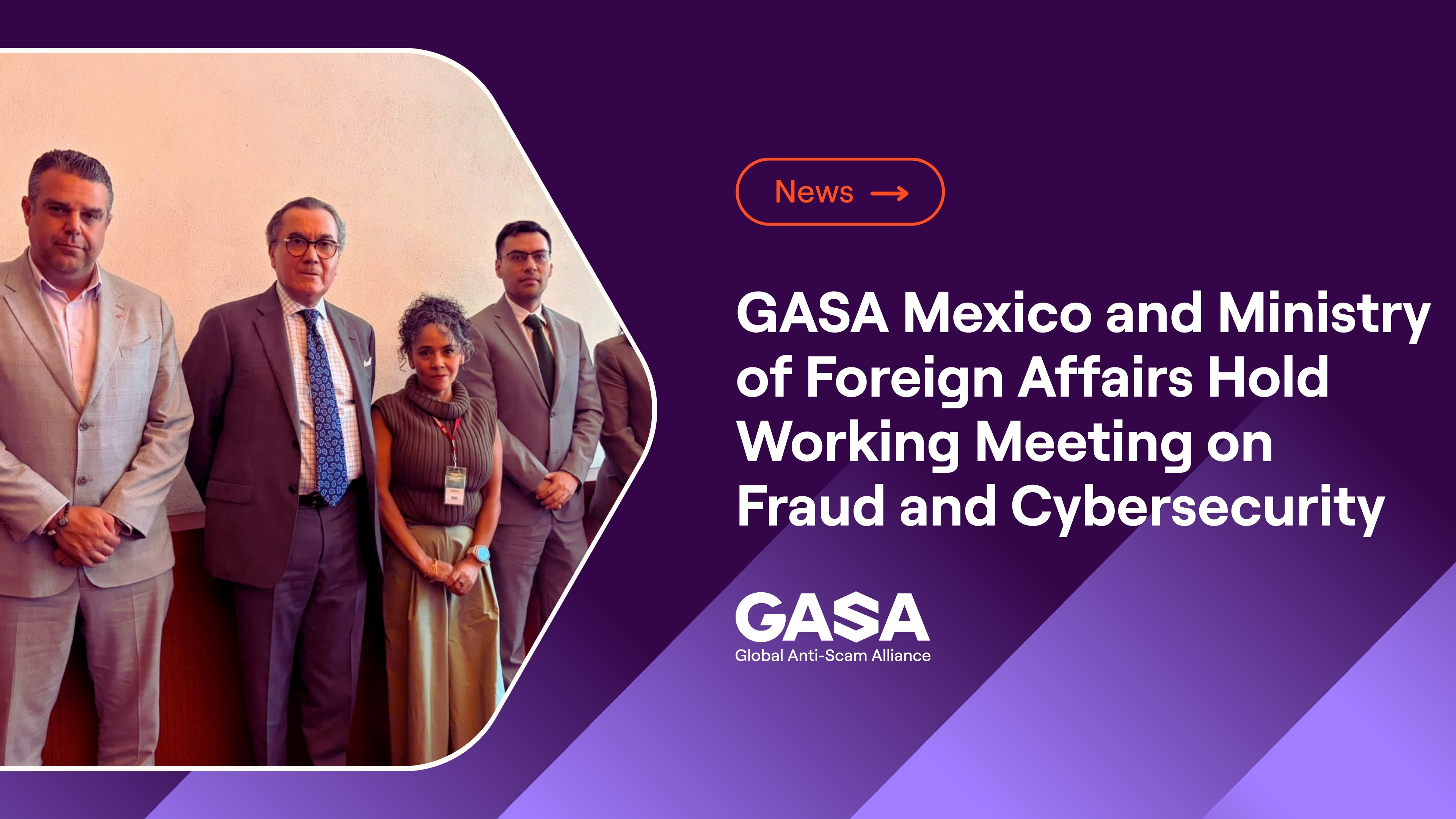
GASA Mexico and the Ministry of Foreign Affairs Hold Working Meeting Ahead of the Chapter’s Annual Forum, “From Coalition to Action”
GASA Mexico and the Ministry of Foreign Affairs convened Mastercard and Scotiabank to discuss fraud, cybersecurity, information sharing and emerging technologies.
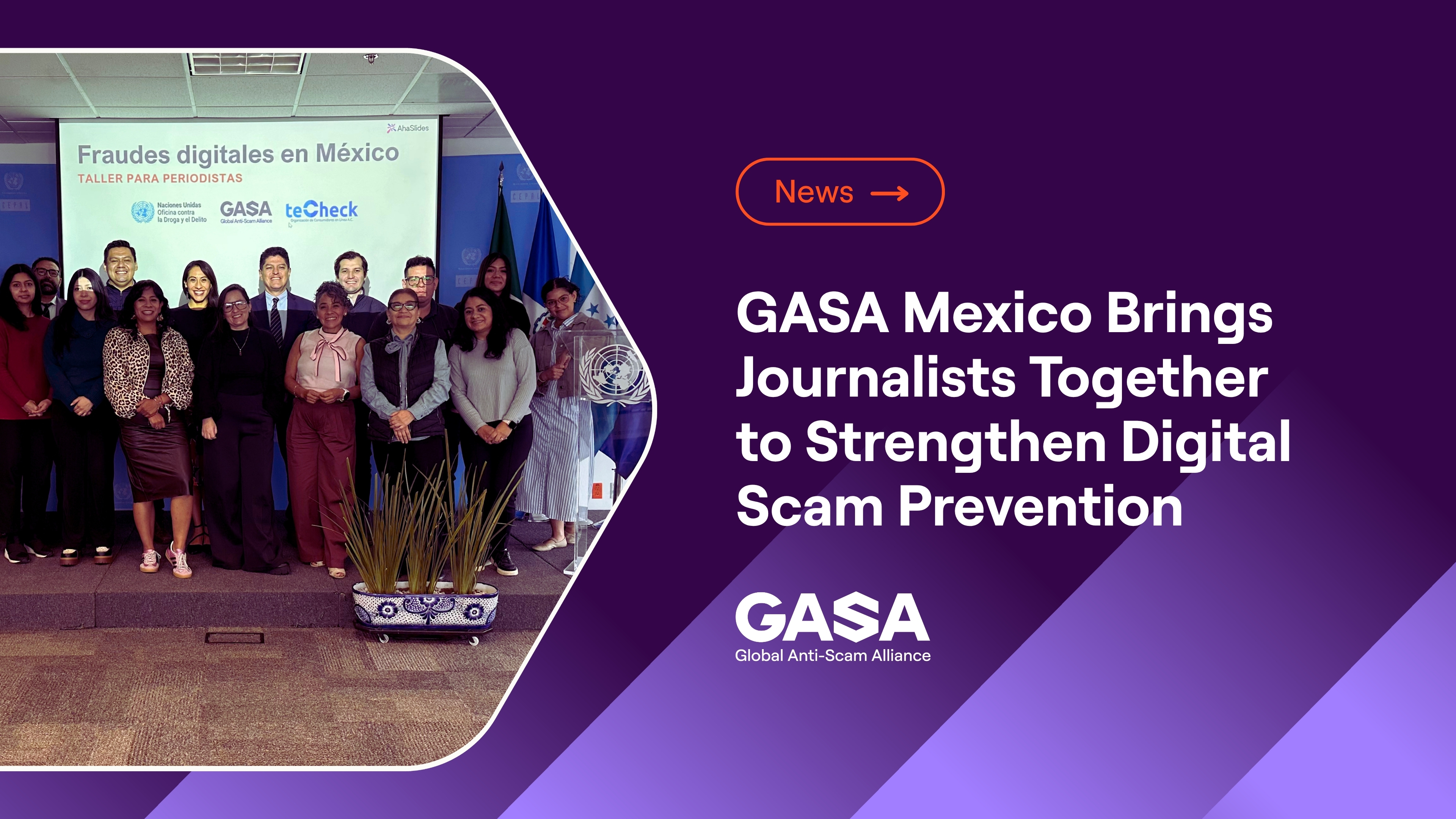
GASA Mexico Workshop Examines the Role of Journalism in Digital Scam Prevention
GASA Mexico brought together journalists and editors to discuss digital scams, victim-centred reporting and the role of media in scam prevention.

Brazil Anti-Scam Forum 2026: Key Takeaways on Strengthening Scam Prevention in Brazil
Key insights from the Brazil Anti-Scam Forum 2026 on scam trends, prevention, intelligence sharing and cross-sector collaboration.