

The rapid evolution of AI technology has been nothing short of transformative, with advancements occurring at an exponential pace. According to a report by PwC , 73% of executives report that their organizations either use or plan to use AI, including generative AI, within their business operations. Additionally, AI tools have become more sophisticated, with models like OpenAI's GPT-4 , Anthropic's Claude , Google's Gemini , and DeepSeek leading the charge in natural language processing, machine learning, and advanced conversational AI.
The AI market is projected to grow significantly, with investments in AI infrastructure by major tech companies like Amazon , Meta , Microsoft , and Alphabet expected to exceed $300 billion in 2025 , while the global AI market size is expected to reach $1.8 trillion by 2030 , highlighting the widespread and accelerating adoption of AI technologies across the globe.
As these tools become increasingly accessible, their adoption has surged across industries, from healthcare to finance. This surge in adoption is mirrored by malicious actors , who are also taking advantage of these advancements. Cybercriminals now use AI-powered tools, such as WormGPT and GhostGPT , to automate attacks, generate convincing phishing emails, and even create malware without the need for technical expertise. The widespread availability of such tools has escalated the cybercrime landscape, making it easier than ever for bad actors to exploit AI for malicious purposes, and posing a growing challenge for cybersecurity professionals.
What Is GhostGPT?
GhostGPT is an uncensored AI chatbot designed specifically for cybercriminals. Unlike mainstream AI models, such as ChatGPT, which have built-in safety mechanisms to prevent harmful use, GhostGPT operates without these restrictions. By bypassing ethical guardrails , this chatbot provides unfiltered answers to sensitive or harmful queries, making it a powerful tool for cybercriminals seeking to enhance their operations.
GhostGPT likely uses a jailbroken version of an open-source large language model (LLM), removing the safety features commonly found in traditional AI systems. As a result, it can assist in generating malicious content, from phishing emails to sophisticated malware, with minimal effort.
One of the key features of GhostGPT is its no-logs policy , which ensures that user activity is not recorded, offering cybercriminals a level of anonymity and further shielding their illicit actions from detection. This lack of traceability makes it an even more attractive tool for bad actors, as it minimizes the risk of law enforcement tracking their activities.
How GhostGPT is Distributed
One of the concerning aspects of GhostGPT is how easily accessible it is to cybercriminals. It’s marketed on various cybercrime forums and is distributed via Telegram , a popular messaging platform known for its privacy features and encrypted communication. Furthermore, the tool is sold through these forums with low upfront costs, allowing bad actors to purchase immediate access without requiring significant technical expertise or specialized tools.
This creates an environment where even novice hackers, with little more than basic knowledge of how to navigate dark web platforms, can begin executing sophisticated cyberattacks. As a result, GhostGPT lowers the barrier to entry for cybercrime, enabling individuals with limited experience to create complex phishing schemes, malware, and even exploit systems.
Key Capabilities of GhostGPT
Cybercriminals are leveraging GhostGPT for a variety of malicious activities, such as:

1. Malware Creation
GhostGPT allows cybercriminals to generate malicious code, including ransomware, backdoors, and exploits, rapidly. This capability significantly lowers the technical barrier for hackers, enabling even those with limited programming knowledge to create effective malware. Traditionally, creating malware required in-depth coding skills, but with GhostGPT, the process is simplified and automated. This has the potential to flood the digital landscape with new threats, impacting organisations and individuals alike, as highlighted in a report by Abnormal Security .
2. AI-Generated Phishing Emails
Phishing scams are becoming more sophisticated, thanks in part to AI tools like GhostGPT. Researchers tested GhostGPT’s ability to generate a convincing Docusign phishing email, and the results were alarming. GhostGPT can craft highly personalised emails that closely mimic legitimate communications from trusted brands, making them difficult to detect by traditional security measures. This ability significantly amplifies the scale and effectiveness of Business Email Compromise (BEC) scams, which have been on the rise.
3. Exploit Development
In addition to malware and phishing scams, GhostGPT can be used to identify and exploit software vulnerabilities. By streamlining exploit development, this AI chatbot enables hackers to quickly develop attacks that can compromise both individual and corporate systems, as highlighted by AgileBlue .
4. Social Engineering Automation
Social engineering attacks, such as spear-phishing or deepfake-based fraud, can now be automated using GhostGPT. By generating realistic dialogues and manipulating victims into revealing sensitive information, this tool significantly increases the speed and scale of social engineering campaigns. The ability to generate tailored messages with minimal effort is a game-changer for cybercriminals, as discussed in the ongoing conversations around AI-powered threats, including articles like this one.
The Implications for Cybersecurity
The emergence of tools like GhostGPT presents significant challenges for cybersecurity professionals. As cybercriminals gain access to sophisticated AI tools, they can scale their attacks, automate processes, and bypass traditional security measures with ease. Traditional email filters and antivirus solutions, which rely on detecting known malware signatures or suspicious keywords, are increasingly ineffective at identifying AI-generated threats.
GhostGPT also demonstrates a worrying trend: the lowering of technical barriers for cybercriminals. In the past, executing sophisticated attacks required advanced coding skills. However, with AI tools like GhostGPT, even individuals with little technical knowledge can launch effective attacks, thereby increasing the volume and frequency of cybercrime.
Defending Against AI-Powered Cybercrime
As AI-driven cybercrime tools like GhostGPT continue to evolve, organisations must adapt their cybersecurity strategies to stay ahead of these emerging threats. Here are some key strategies for defending against AI-powered attacks:
1. Implement AI-Powered Security Solutions
To effectively counter AI-generated threats, businesses should invest in AI-driven security platforms. These solutions can analyse language, context, and subtle behavioural cues to detect phishing emails and malware that may slip past traditional filters. By using AI to identify and mitigate threats, organisations can better protect themselves from the growing wave of AI-driven cybercrime.
2. Continuous Monitoring and Response
Proactively monitoring network activity is essential in identifying anomalies that could indicate a cyberattack. Real-time monitoring, combined with automated response systems, allows organisations to detect and neutralise threats before they can cause significant damage.
Conclusion
The rise of GhostGPT and other AI-driven tools for cybercrime marks a significant shift in the landscape of digital threats. The rapid sophistication of AI-powered attacks demands that organizations evolve their defenses to protect against the future of cybercrime effectively. As AI technology becomes more accessible and powerful, cybercriminals can execute increasingly sophisticated attacks. To stay ahead of these evolving threats, organizations must adapt by integrating advanced AI-powered security measures. By investing in these solutions and continuously monitoring for new threats, businesses can better defend against cybercriminals leveraging AI.
About the Author
James Greening , operating under a pseudonym, brings a wealth of experience to his role. Formerly the sole driving force behind Fake Website Buster, James leverages his expertise to raise awareness about online scams. He currently serves as a Content Marketing & Design Specialist for the Global Anti-Scam Alliance (GASA).
James’s mission aligns with GASA’s mission to protect consumers worldwide from scams. He is committed to empowering professionals with the insights and tools necessary to detect and mitigate online scams, ensuring the security and integrity of their operations and digital ecosystems.

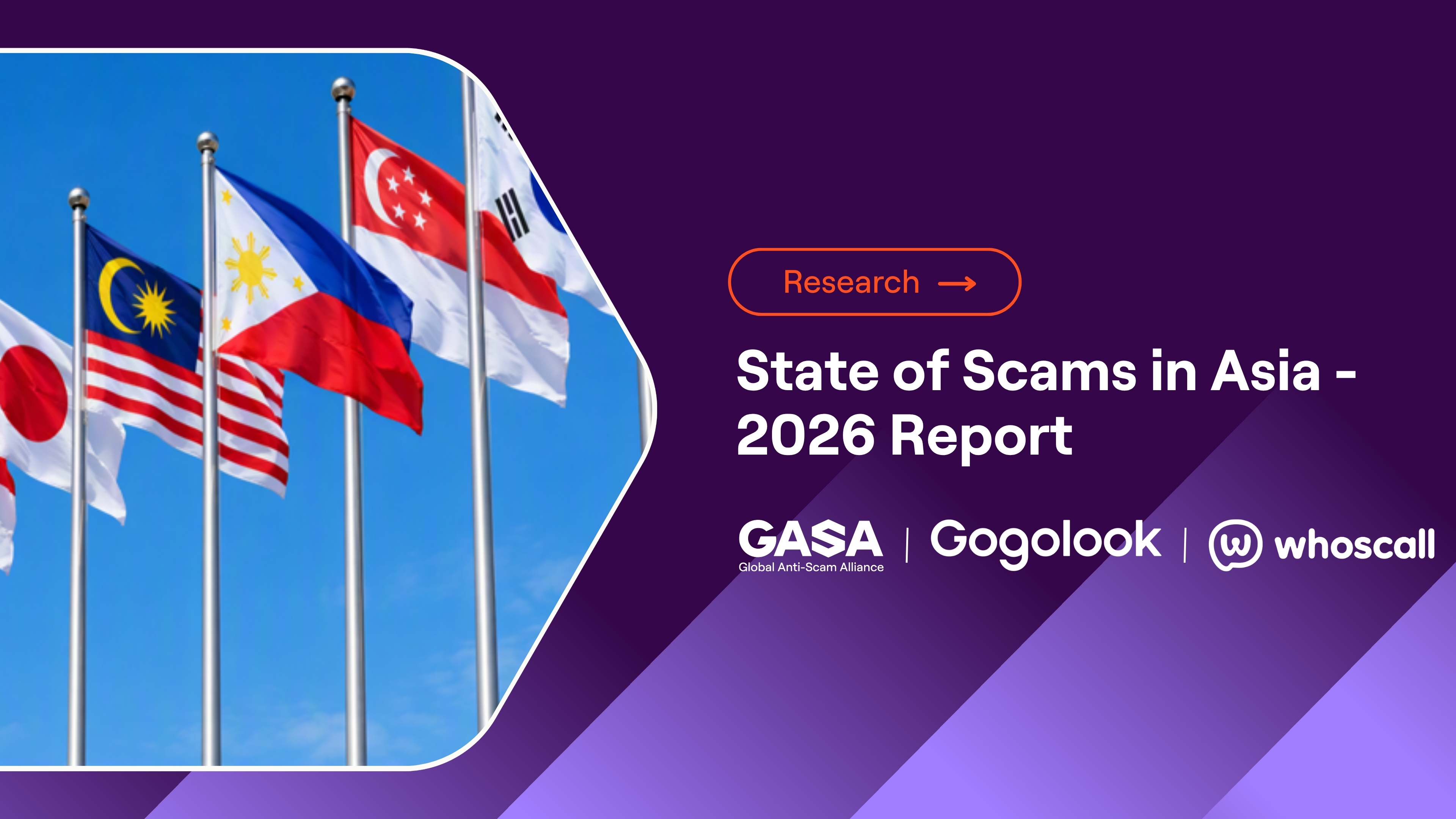
71% of Adults Surveyed Across 13 Asian Markets Encountered Scams, with Estimated Losses of US$136.5 Billion
This study of 17,460 adults across 13 Asian markets shows that scam exposure is widespread, with 71% of participants encountering a scam in the past year. While 66% say they are confident in recognizing scams, 62% of those exposed went on to interact with a scammer. Ultimately, 9% lost money or personal information that led to financial loss, while only 4% reported a scam to the authorities. The findings highlight a significant gap between perceived scam awareness and real-world resilience.

3 Ways to Prevent Cross-Border Payment Scams in Mexico
Learn three ways financial institutions can prevent cross-border payment scams in Mexico through intelligence sharing, payee transparency and real-time analysis.

Accra Trust & Safety Workshop Turns Collaboration into Action Against Scams and Fraud in West Africa
GASA Africa Chapter and Google South Africa brought anti-fraud leaders together to strengthen cross-border cooperation and scam prevention.
State of Scams in Nigeria 2026: A Comparative Review Across Africa
Nigerian experts examine scam trends, technology, consumer protection and the need for stronger cross-sector collaboration.
Nearly three in four Danish adults encountered scams as estimated losses reach DKK 10.1 billion
New State of Scams Denmark 2026 report finds scam exposure is rising, while victims face repeated financial and emotional harm.

Building a More Trusted Digital Philippines: New Report Underscores the Need for Collective Action as Scam Exposure Continues to Rise
GASA’s State of Scams in the Philippines 2026 Report, in collaboration with Mastercard and Gogolook, highlights the growing scale of the scam challenge in the Philippines.
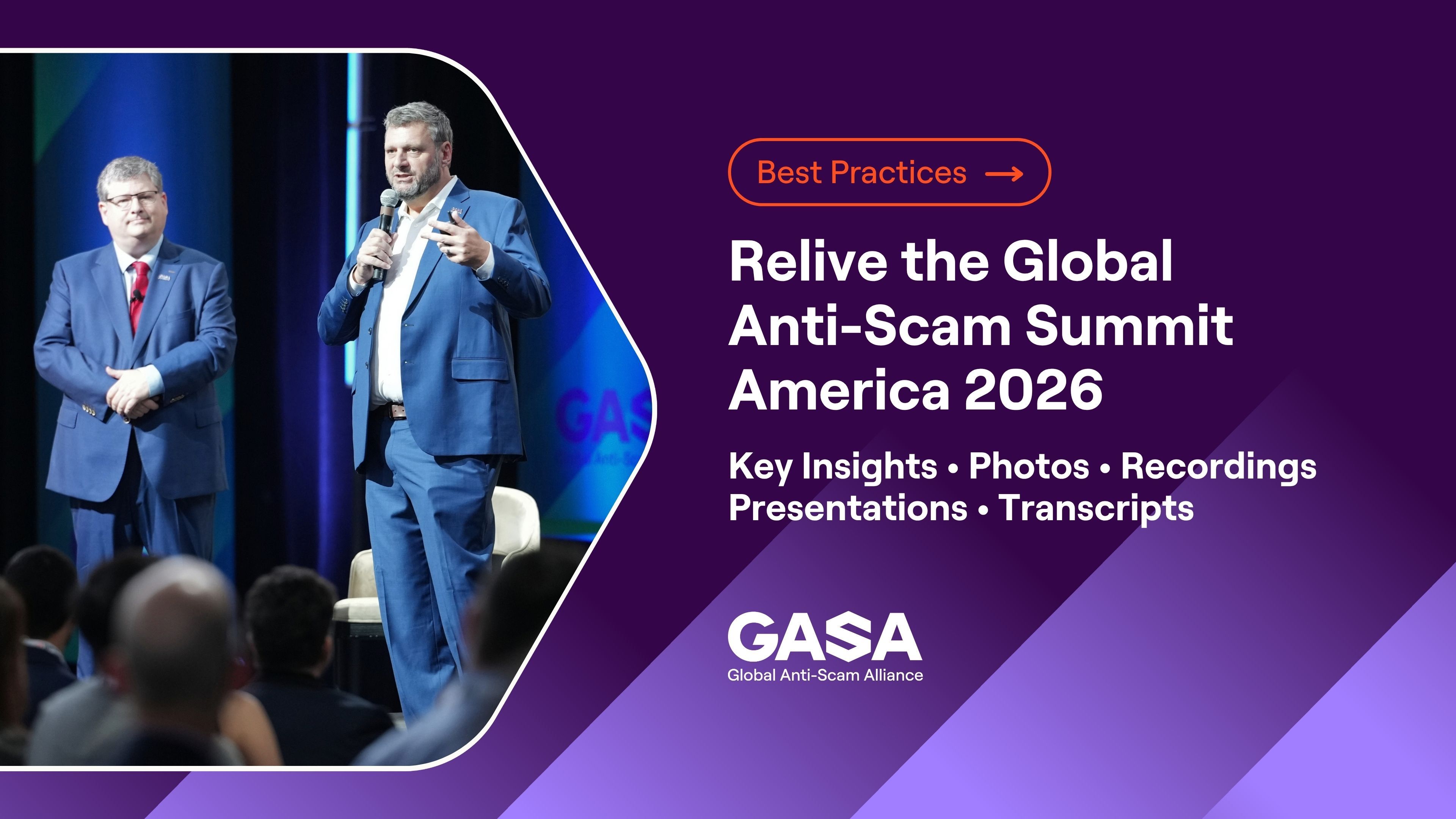
Global Anti-Scam Summit America 2026: Highlights, Insights and Resources
Explore GASS America 2026 highlights and insights, with the Summit summary, photos, presentation slides, transcripts and session recordings from San Francisco.

State of Scams in Kenya 2026: A Comparative Review Across Africa
Kenyan experts examine scam trends, data sharing, digital trust and the need for stronger cross-sector prevention.