
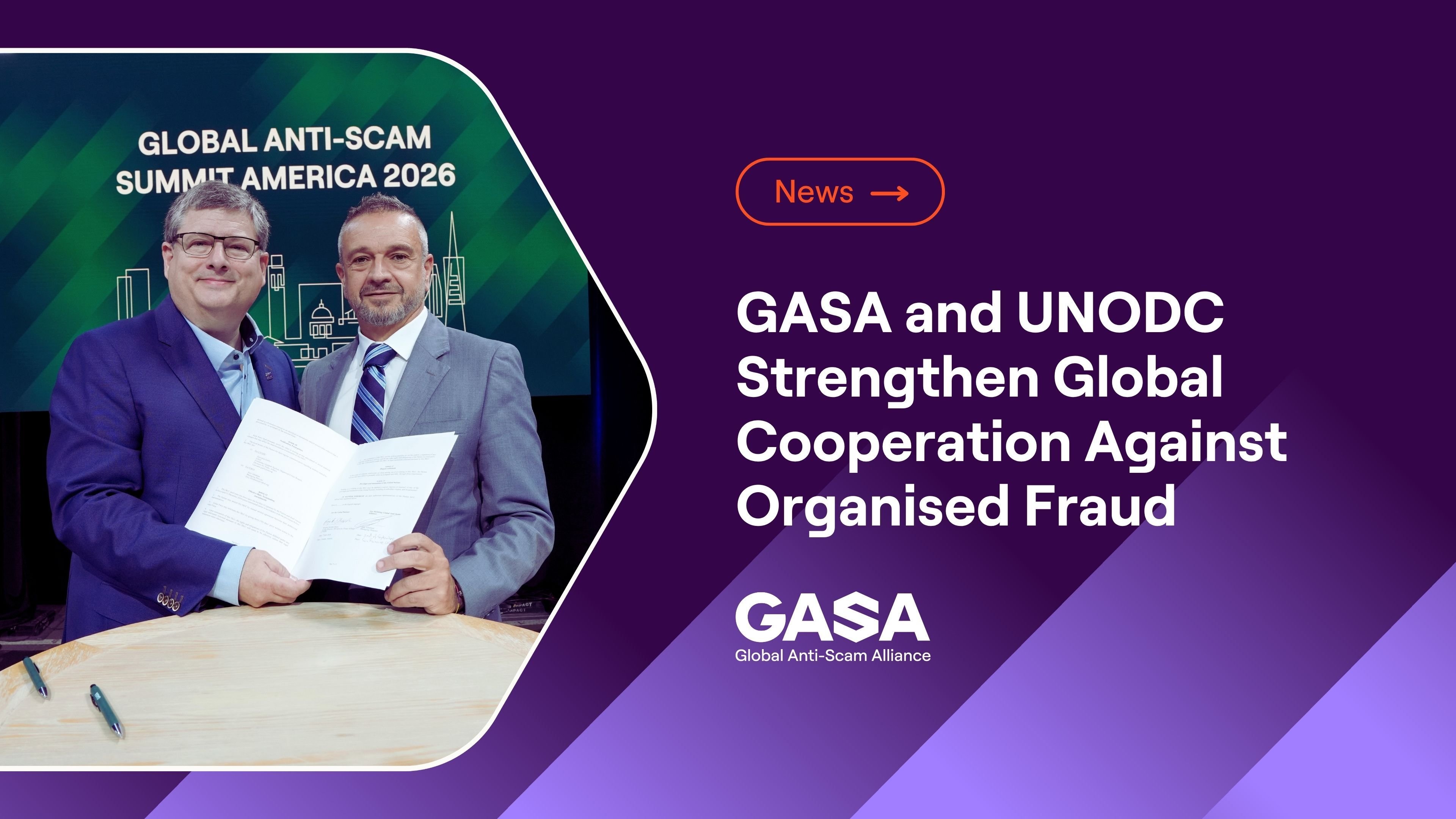
Strengthening Cooperation Against Organised Fraud
Fraud networks increasingly operate across national borders and multiple parts of the digital and financial ecosystem. Telecommunications services, digital platforms, banking infrastructure, online marketplaces and payment systems can all form part of the infrastructure exploited by organised criminal groups.
New technologies are also increasing the scale and speed at which these operations can function, making coordination between jurisdictions and sectors increasingly important.
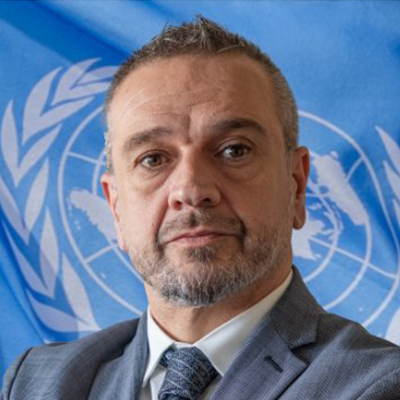
The partnership between GASA and UNODC is intended to support closer cooperation between governments, law enforcement, the private sector, civil society and international organisations.
Connecting Public and Private-Sector Capabilities
Private-sector organisations often have visibility into different stages of a fraud operation. Telecommunications companies may identify suspicious communications, digital platforms can detect abusive behaviour and financial institutions can identify unusual transactions or movement of funds.
Connecting these capabilities with those of law enforcement, regulators and other public authorities can help identify emerging fraud patterns and support more coordinated prevention and disruption.
“Because much of this infrastructure is owned and operated by companies, the private sector is often among the first ones to identify emerging fraud trends and respond to illicit activity,” explained Gallo.
“Its technological expertise, operational experience, and innovative capabilities are critical to developing adaptive and comprehensive responses to an evolving threat landscape,” he added.
Through its international network, GASA works to connect organisations across sectors and jurisdictions to share knowledge and develop coordinated approaches to scam prevention and disruption. The MoU provides a framework for bringing this network together with UNODC’s work on transnational organised crime and criminal justice.
Building a Coordinated Global Response
The agreement reflects the need to combine public-sector authority and international cooperation with the operational knowledge and capabilities of organisations that encounter fraud across their services and infrastructure.

"To protect consumers from the massive impact of fraud and scams, we are building stronger public-private partnerships across the world,” said Jorij Abraham, Managing Director of GASA.
“This is why we have signed an ambitious agreement with UNODC to fight organized fraud together and I greatly look forward to continuing to partner up on coordinating the global counter-fraud response together," he added.
By establishing a formal framework for cooperation, GASA and UNODC aim to support more coordinated prevention, information exchange, research and criminal justice responses across jurisdictions and sectors.
The partnership forms part of broader efforts to develop a whole-of-society response to organised fraud, recognising that effective disruption depends on cooperation between governments, businesses, civil society and international organisations.

From Cyberattack to Scam: How Cybersecurity Protects Businesses and People
GASA Brazil experts discuss how cybersecurity, better data and cross-sector cooperation can prevent scams and disrupt criminal networks.

How Amazon Is Helping Consumers Verify Messages and Avoid Impersonation Scams
Explore how Amazon uses AI and outgoing communication records to verify suspicious messages and inform approaches to impersonation scam prevention.
Whoscall, GASA and Mastercard Release the 2026 Asia Scam Report: Hong Kong
More Than 80% of Hong Kong Respondents Encountered Scams; Phone Calls and SMS Remain the Leading Channels
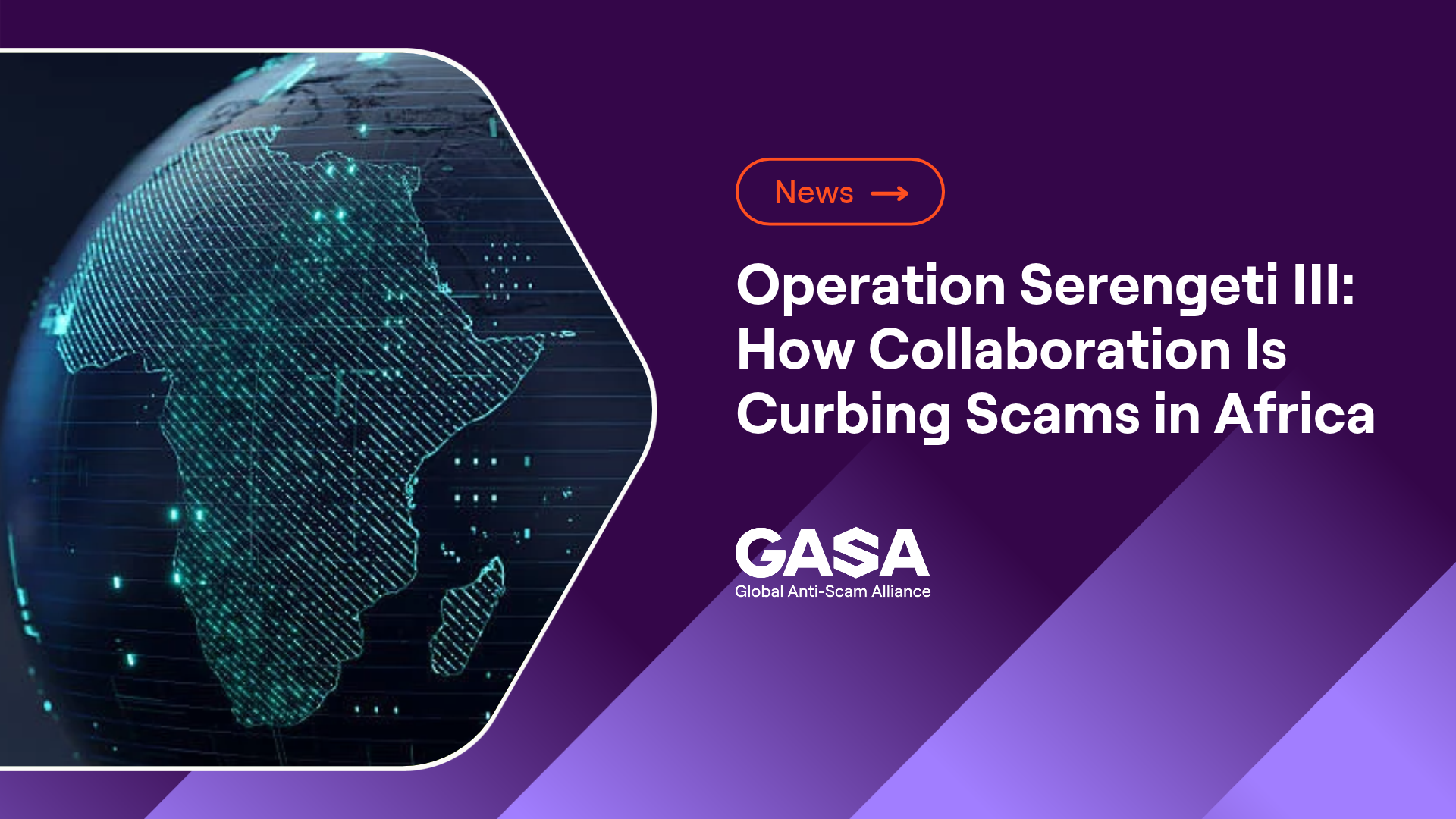
Operation Serengeti III: How Collaboration Is Curbing Scams in Africa
INTERPOL’s Operation Serengeti III led to 1,462 arrests and recovered USD 105M+ across 21 countries. GASA was proud to support it as a partner.
71% of Adults Surveyed Across 13 Asian Markets Encountered Scams, with Estimated Losses of US$136.5 Billion
This study of 17,460 adults across 13 Asian markets shows that scam exposure is widespread, with 71% of participants encountering a scam in the past year. While 66% say they are confident in recognizing scams, 62% of those exposed went on to interact with a scammer. Ultimately, 9% lost money or personal information that led to financial loss, while only 4% reported a scam to the authorities. The findings highlight a significant gap between perceived scam awareness and real-world resilience.
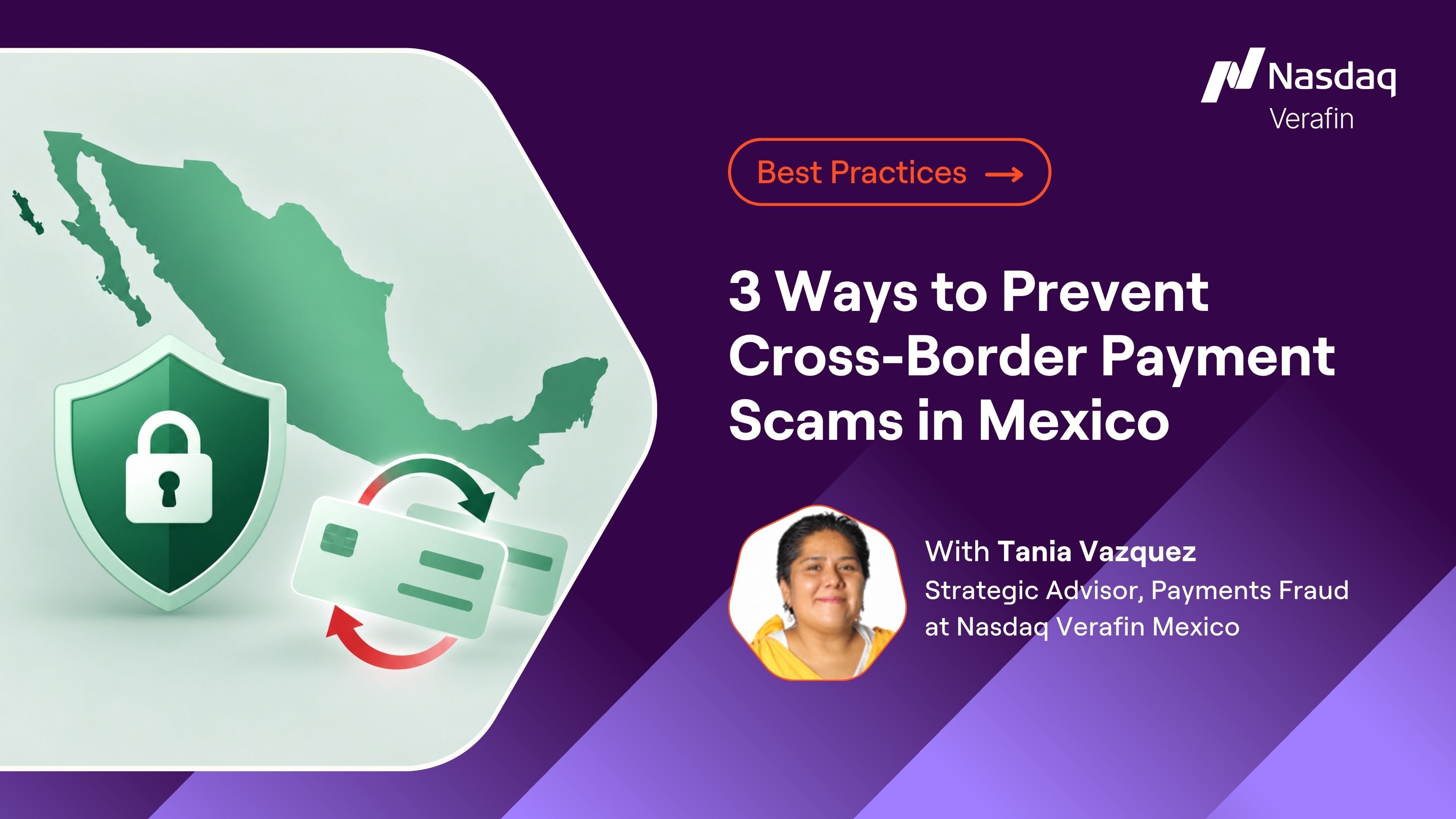
3 Ways to Prevent Cross-Border Payment Scams in Mexico
Learn three ways financial institutions can prevent cross-border payment scams in Mexico through intelligence sharing, payee transparency and real-time analysis.
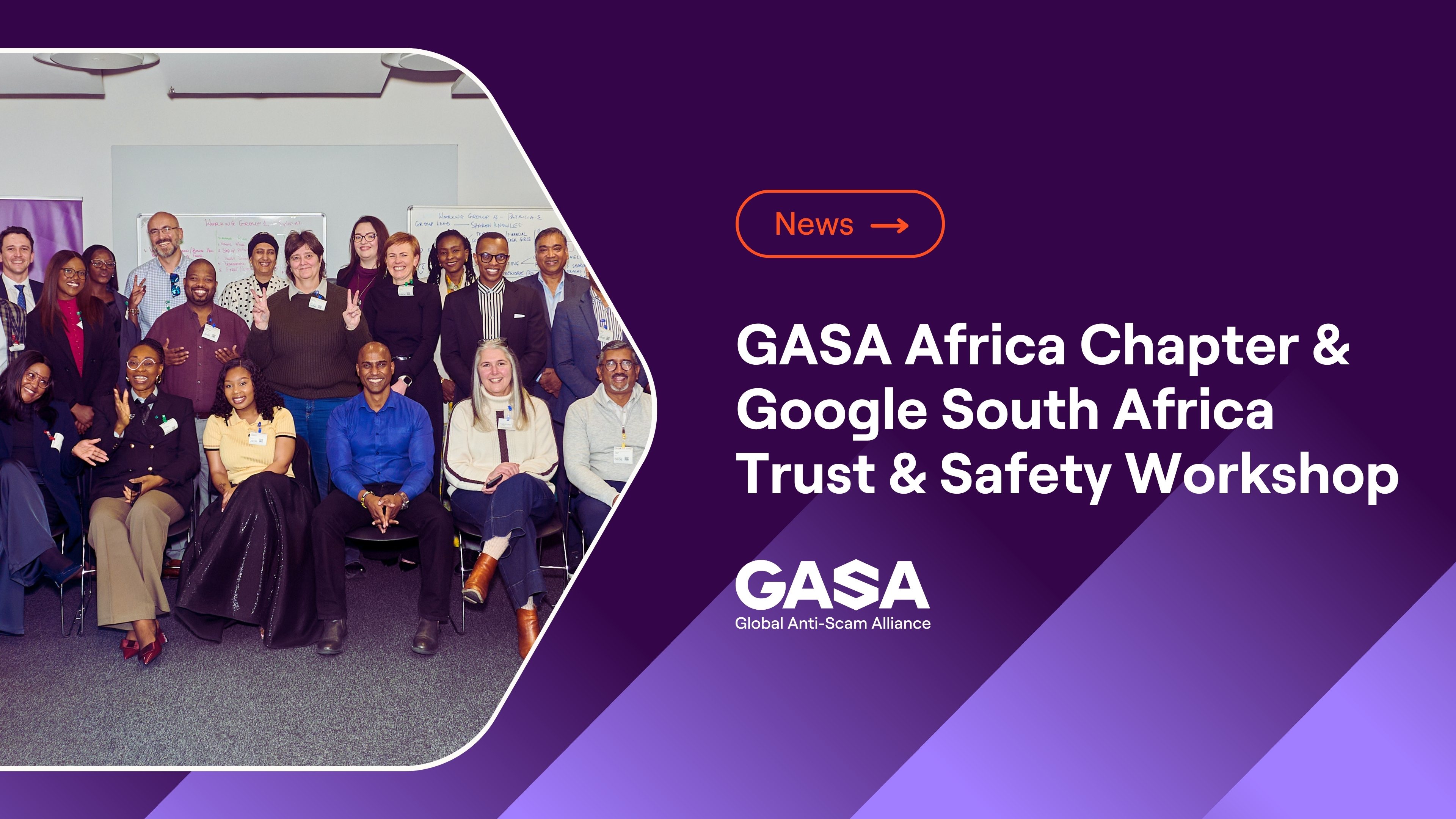
Accra Trust & Safety Workshop Turns Collaboration into Action Against Scams and Fraud in West Africa
GASA Africa Chapter and Google South Africa brought anti-fraud leaders together to strengthen cross-border cooperation and scam prevention.
State of Scams in Nigeria 2026: A Comparative Review Across Africa
Nigerian experts examine scam trends, technology, consumer protection and the need for stronger cross-sector collaboration.