
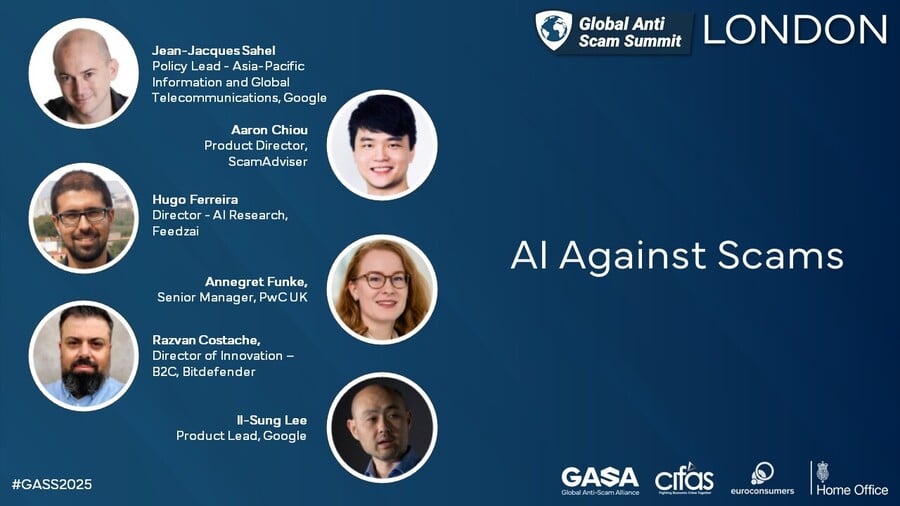
Date of Event: 26–27 March 2025
Event: Global Anti-Scam Summit London 2025
This workshop explored the evolving role of artificial intelligence in combating scams, bringing together leaders in fraud detection, cybersecurity, and consumer protection.
Aaron Chiou from ScamAdviser demonstrated how AI can empower users and institutions alike. Tools like scam content checkers and automated scam operation centres are already helping law enforcement and financial institutions detect fraudulent websites and ads.
Hugo Ferreira from Feedzai explained how behavioural signals, device intelligence, and transaction context can be analysed by AI to detect scams in real time. He stressed the importance of model transparency and using AI to support—not just automate—fraud investigations.
Razvan Costache of Bitdefender described how AI agents are now specialised for different scam types and how predictive AI models are mapping the spread of scam campaigns. He also showcased Scamio, a free AI chatbot helping the public recognise scams through everyday interactions.
Il-Sung Lee from Google provided insights into how AI is deployed across Google’s ecosystem—from Play Protect to safe browsing and call screening—emphasising on-device privacy-preserving threat detection.
Annegret Funke of PwC rounded out the session with practical examples from the field, where AI is being used to streamline operations, improve documentation, and support more effective scam case investigations.
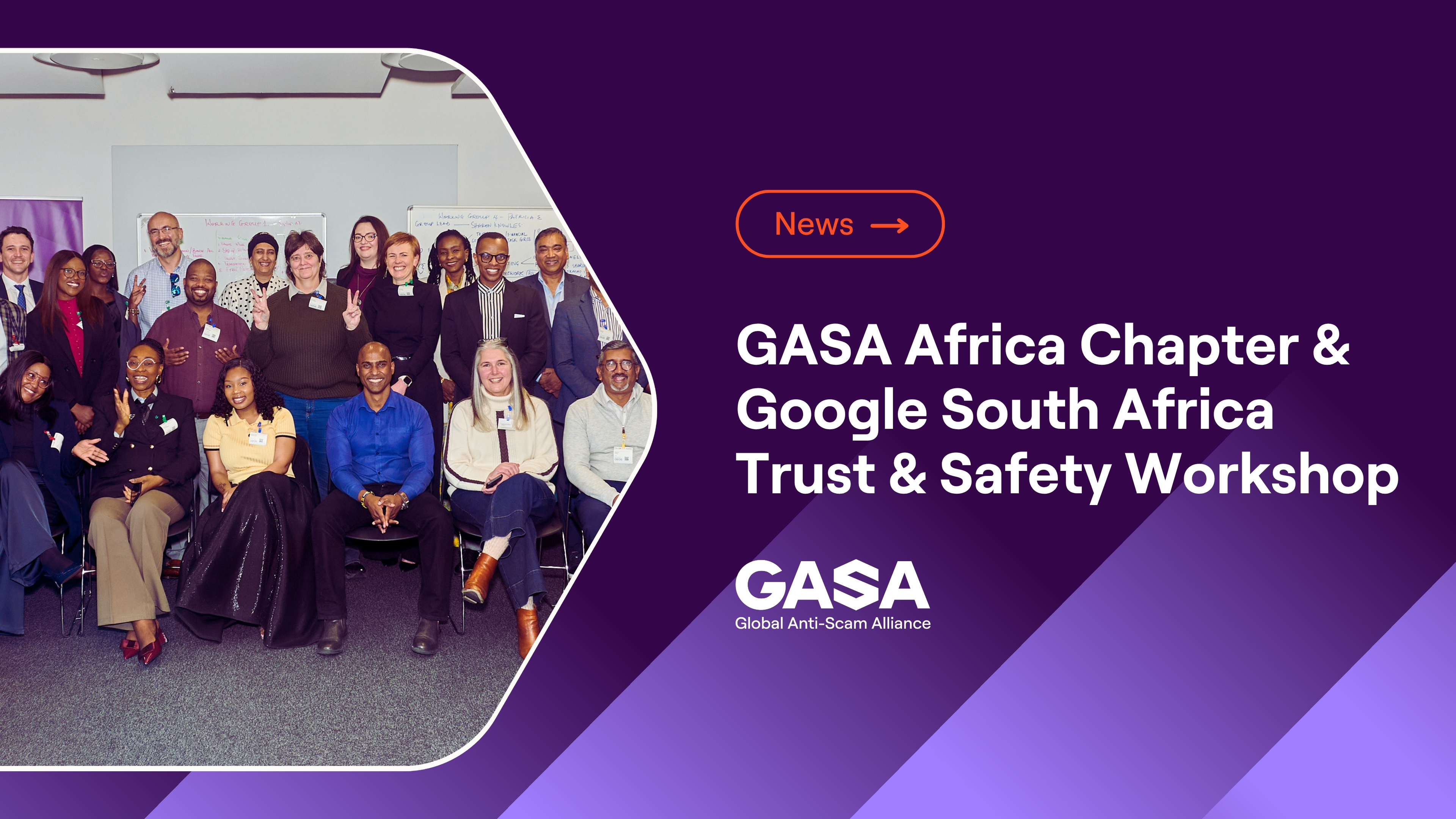
Accra Trust & Safety Workshop Turns Collaboration into Action Against Scams and Fraud in West Africa
GASA Africa Chapter and Google South Africa brought anti-fraud leaders together to strengthen cross-border cooperation and scam prevention.
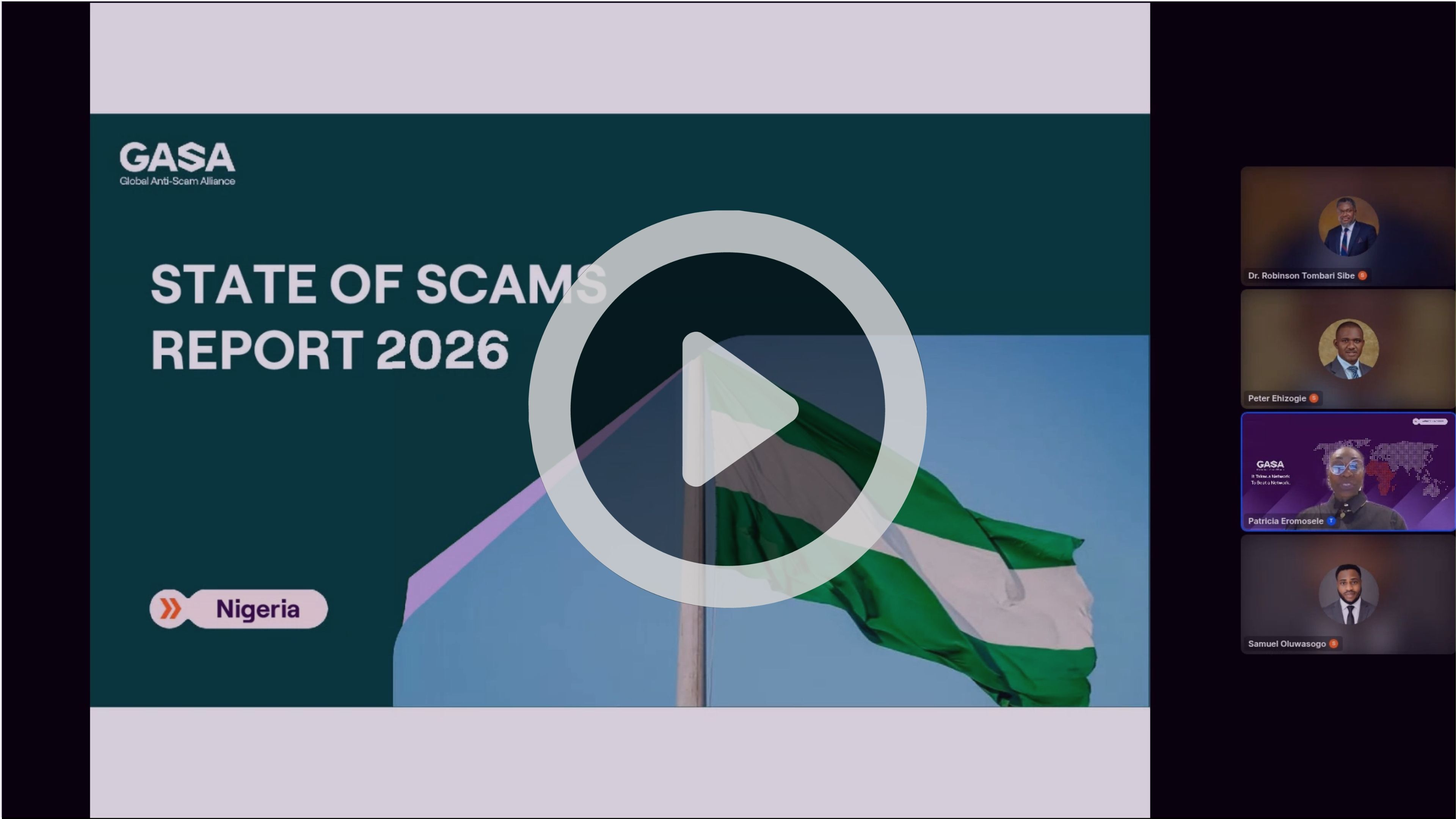
State of Scams in Nigeria 2026: A Comparative Review Across Africa
Nigerian experts examine scam trends, technology, consumer protection and the need for stronger cross-sector collaboration.
Nearly three in four Danish adults encountered scams as estimated losses reach DKK 10.1 billion
New State of Scams Denmark 2026 report finds scam exposure is rising, while victims face repeated financial and emotional harm.
Building a More Trusted Digital Philippines: New Report Underscores the Need for Collective Action as Scam Exposure Continues to Rise
GASA’s State of Scams in the Philippines 2026 Report, in collaboration with Mastercard and Gogolook, highlights the growing scale of the scam challenge in the Philippines.
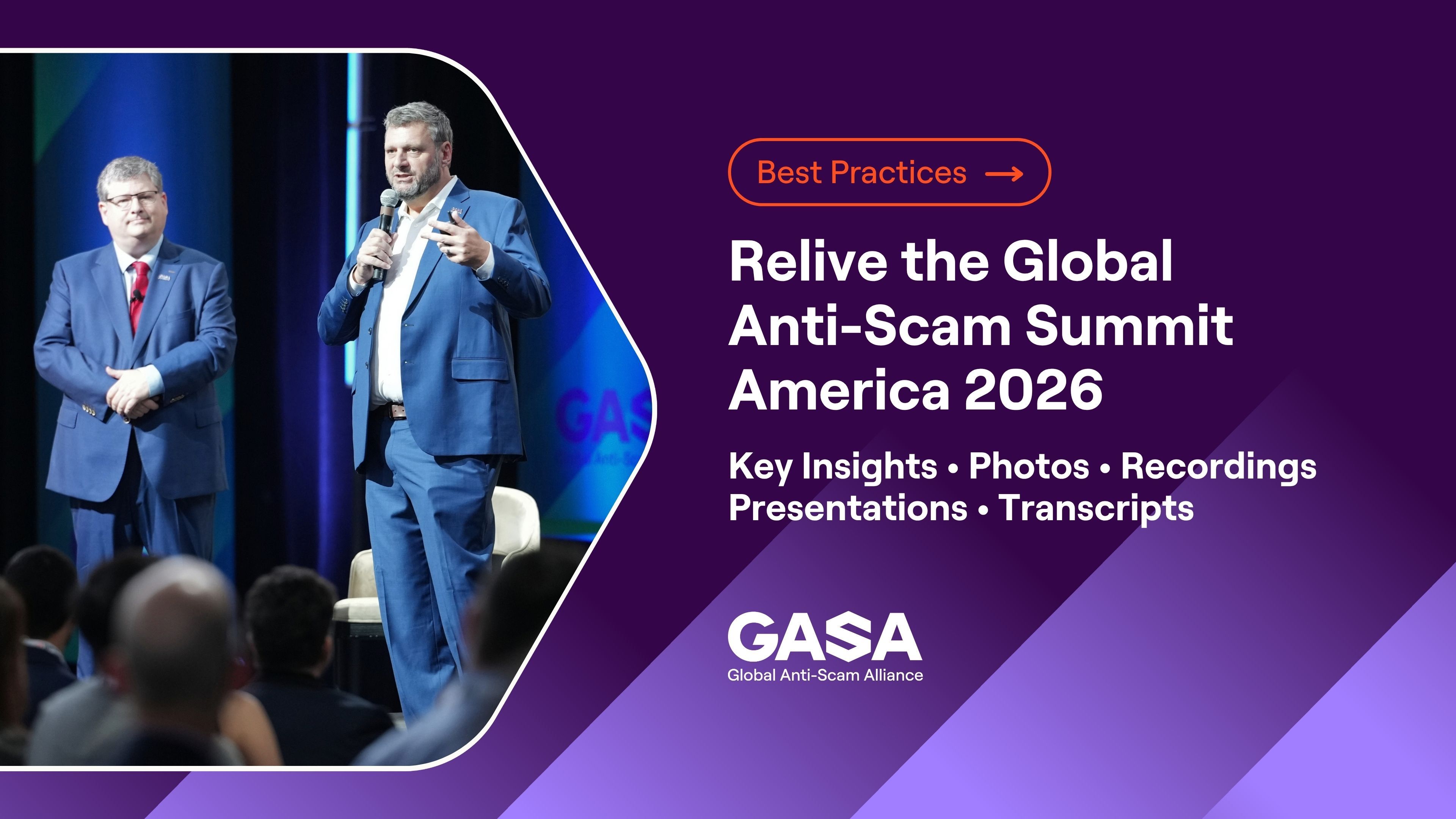
Global Anti-Scam Summit America 2026: Highlights, Insights and Resources
Explore GASS America 2026 highlights and insights, with the Summit summary, photos, presentation slides, transcripts and session recordings from San Francisco.
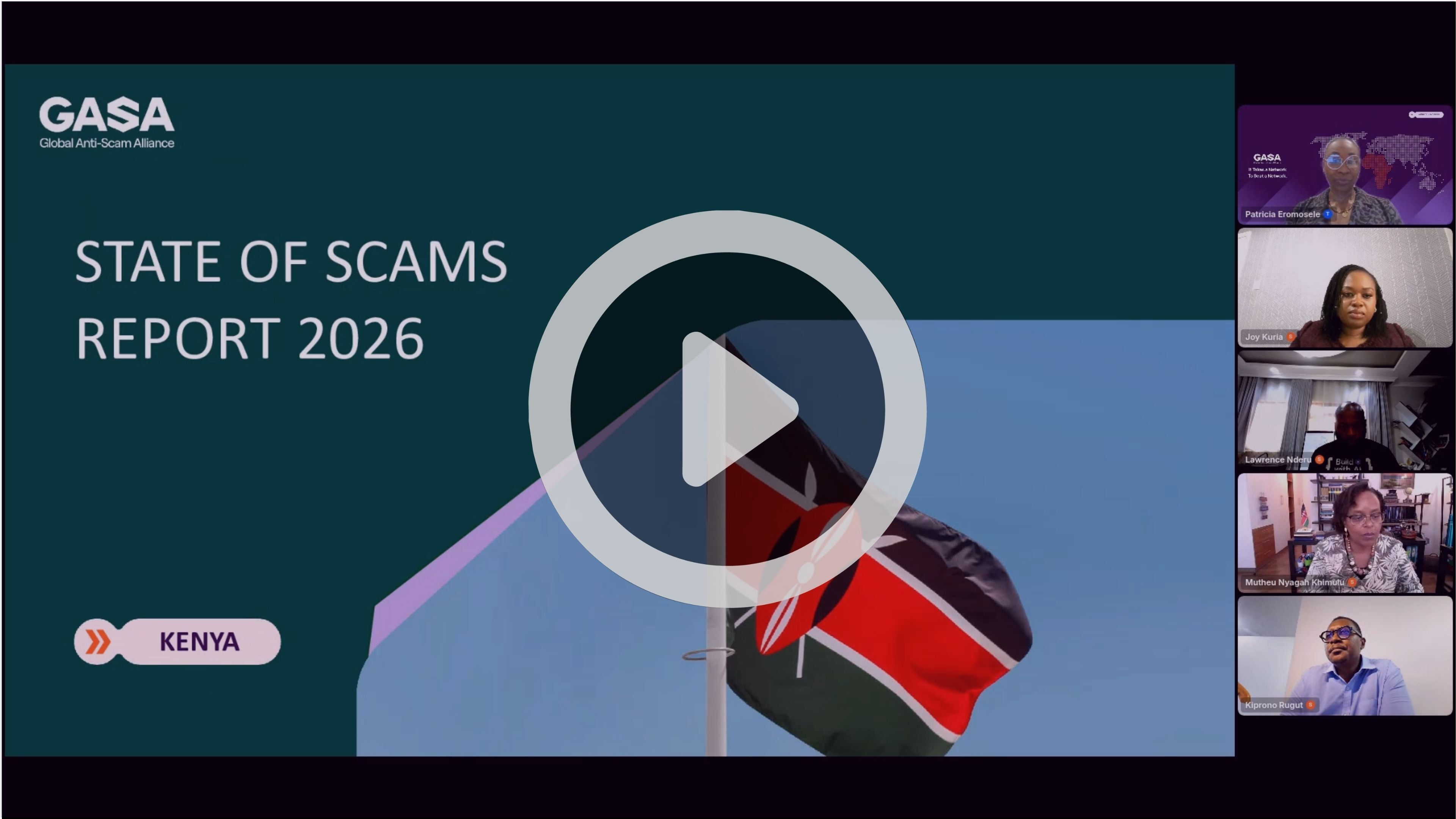
State of Scams in Kenya 2026: A Comparative Review Across Africa
Kenyan experts examine scam trends, data sharing, digital trust and the need for stronger cross-sector prevention.
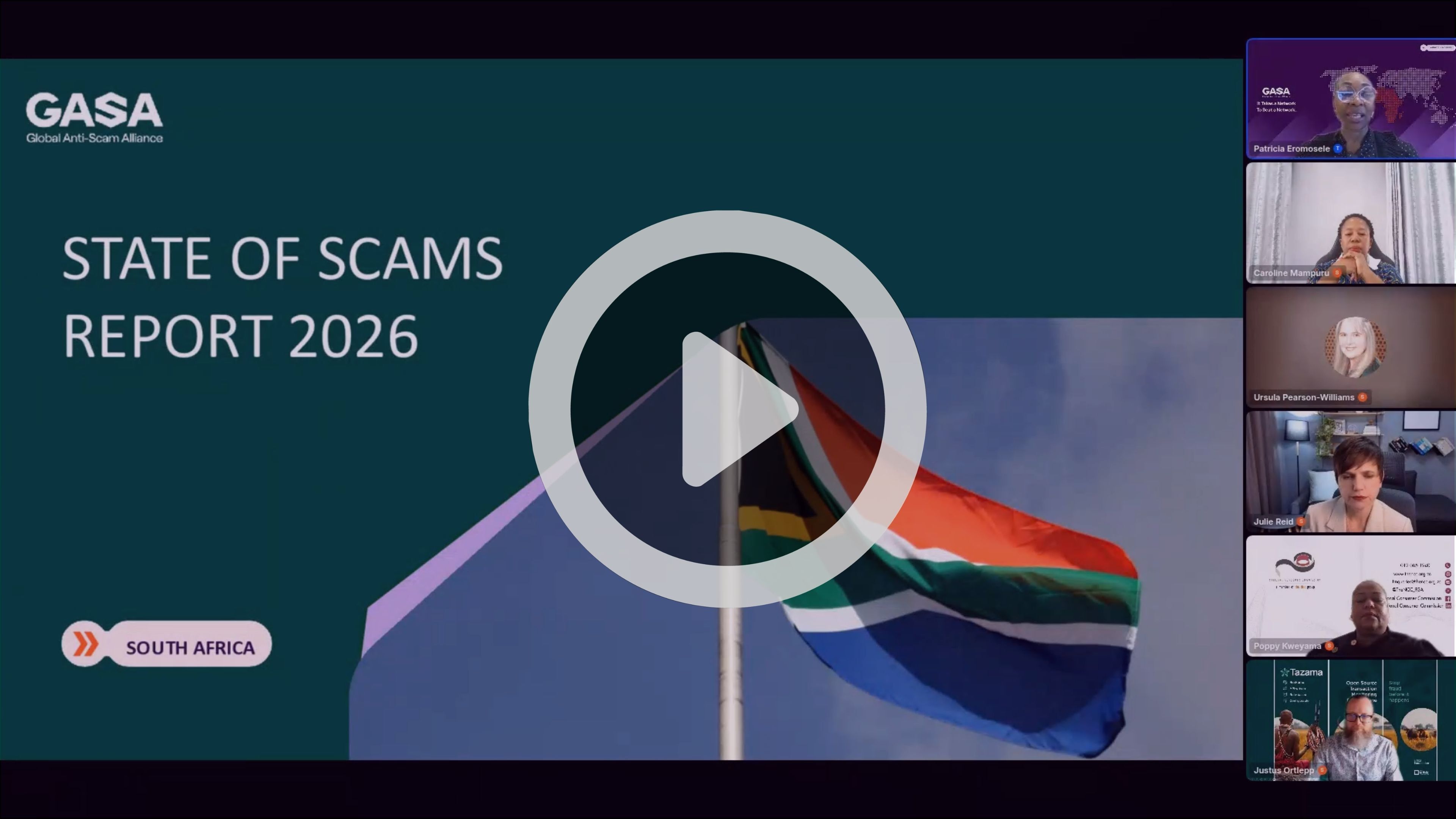
State of Scams in South Africa 2026: A Comparative Review Across Africa
South African experts examine scam trends, AI, consumer protection and the need for stronger cross-sector collaboration.
-3.jpg)
More than one in five adults in Japan encountered scams in the past year
New State of Scams Japan 2026 report examines how scams are reaching consumers and where stronger prevention and collaboration can make a difference