

As scams become increasingly sophisticated, Vodafone has launched Scam Signal , a powerful tool designed to combat impersonation fraud and protect consumers from social engineering scams. This initiative leverages the extensive data available to mobile operators, allowing financial institutions to enhance their fraud detection capabilities in real-time.
Understanding Scam Signal
Scam Signal is part of Vodafone's suite of Application Programmable Interfaces (APIs), which provide businesses with the means to detect and prevent fraud effectively. This service specifically targets Authorised Push Payment (APP) fraud , a prevalent method where criminals deceive victims into transferring money by impersonating trusted sources
such as banks or government agencies.
Utilising advanced analytics, Scam Signal assesses transaction risk in real-time, enabling banks to make informed decisions about whether to allow or block payments. This proactive approach not only aids in fraud prevention but also strengthens the overall security framework of financial institutions.
Real-time Fraud Prevention
One of the standout features of Scam Signal is its ability to provide banks with vital information during live transactions. By analysing extensive network data, the service identifies key indicators of fraudulent activity. Vodafone reports that banks using Scam Signal can detect up to 30% more fraudulent transactions with a very low false positive rate compared to traditional methods. This significant improvement in fraud detection is achieved through real-time data analysis, which allows banks to react swiftly to potential threats.
For instance, if a customer initiates a bank transfer, Scam Signal can assess various data points, enabling the bank's risk engine to make informed decisions. This layer of intelligence is crucial in mitigating the risks associated with APP fraud, providing both banks and consumers with enhanced protection.
Collaboration and Innovation
The launch of Scam Signal highlights the need for close collaboration between mobile operators and financial institutions. Available through Vodafone Identity Hub , this service ensures that advanced fraud detection tools are accessible to a broader range of customers, enhancing protection across various sectors.
Adri Loloci, Senior Global Product Manager for Vodafone Identity Hub , pointed out that while robust measures are in place, scammers are continually adapting their tactics. This ongoing challenge requires constant innovation in the tools and strategies employed to combat fraud, as fraudsters are quick to exploit any vulnerabilities in the system. The collaboration within the CAMARA alliance, a global open-source initiative, aims to define and test APIs that enhance fraud prevention capabilities across the telecommunications and financial sectors.
The importance of this collaboration was recently showcased at the Global Anti-Scam Summit Europe 2024 , where Adri Loloci and Brian Gorman, Fintech Lead at GSMA , presented on "Scam Signal API - Using Mobile Network Intelligence to Fight Scam Fraud." Their insights highlighted the significance of mobile network intelligence in enhancing fraud detection and prevention strategies.
The Impact of Scam Signal
Vodafone's Scam Signal is particularly timely given the growing problem of impersonation fraud. Statistics show that 1 in 15 people have fallen victim to fraudulent activity in the UK , making it imperative for financial institutions to adopt more sophisticated fraud detection methods. As new UK legislation mandates that banks reimburse customers for fraudulent transaction losses, there is increasing pressure on these institutions to implement effective preventative measures.
By integrating Scam Signal into their existing frameworks, banks can not only reduce fraud losses but also build customer trust. A recent survey indicated that 73% of banking customers rank fraud protection among their top three considerations when choosing a bank. Thus, implementing robust anti-fraud measures like Scam Signal can be a differentiator in a competitive market.
Conclusion
With the introduction of Scam Signal, Vodafone is taking a significant step forward in the fight against impersonation fraud. By harnessing the power of real-time data and collaborative efforts, the service aims to create a safer digital environment for consumers and businesses alike. As scammers become more adept at exploiting vulnerabilities, initiatives like Scam Signal are crucial in maintaining trust and security within the financial sector.
The continuous evolution of fraud tactics necessitates that financial institutions remain vigilant and proactive. By utilising advanced tools such as Scam Signal, they can better protect their customers and safeguard their operations against the rising tide of fraud, ensuring a secure future for all stakeholders involved.
About the Author
James Greening , operating under a pseudonym, brings a wealth of experience to his role. Formerly the sole driving force behind Fake Website Buster, James leverages his expertise to raise awareness about online scams. He currently serves as a Content Marketing & Design Specialist for the Global Anti-Scam Alliance (GASA), and contributes to ScamAdviser.com .
James’s mission aligns with GASA’s mission to protect consumers worldwide from scams. He is committed to empowering professionals with the insights and tools necessary to detect and mitigate online scams, ensuring the security and integrity of their operations and digital ecosystems.

3 Ways to Prevent Cross-Border Payment Scams in Mexico
Learn three ways financial institutions can prevent cross-border payment scams in Mexico through intelligence sharing, payee transparency and real-time analysis.

Accra Trust & Safety Workshop Turns Collaboration into Action Against Scams and Fraud in West Africa
GASA Africa Chapter and Google South Africa brought anti-fraud leaders together to strengthen cross-border cooperation and scam prevention.
State of Scams in Nigeria 2026: A Comparative Review Across Africa
Nigerian experts examine scam trends, technology, consumer protection and the need for stronger cross-sector collaboration.
Nearly three in four Danish adults encountered scams as estimated losses reach DKK 10.1 billion
New State of Scams Denmark 2026 report finds scam exposure is rising, while victims face repeated financial and emotional harm.
Building a More Trusted Digital Philippines: New Report Underscores the Need for Collective Action as Scam Exposure Continues to Rise
GASA’s State of Scams in the Philippines 2026 Report, in collaboration with Mastercard and Gogolook, highlights the growing scale of the scam challenge in the Philippines.
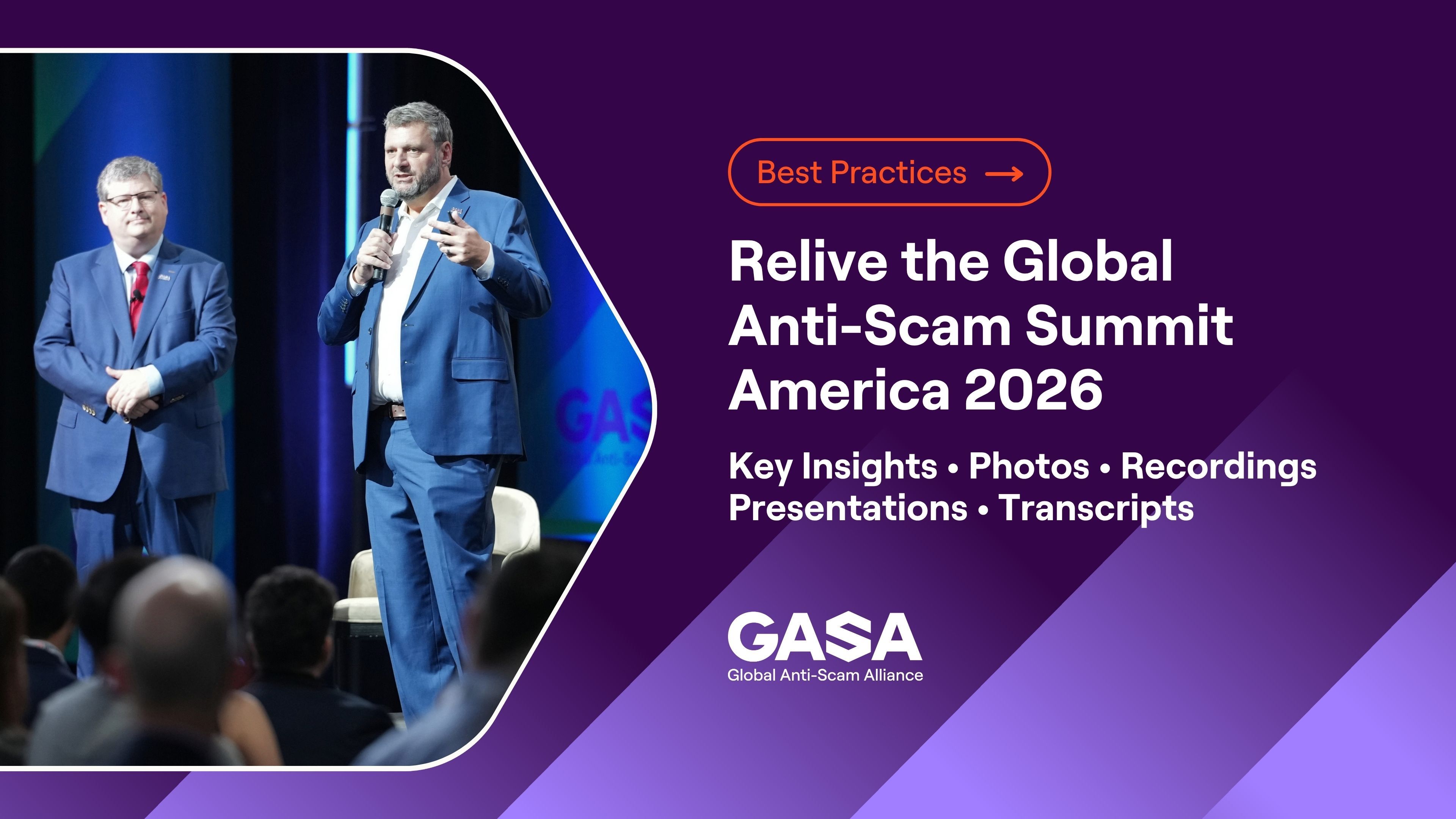
Global Anti-Scam Summit America 2026: Highlights, Insights and Resources
Explore GASS America 2026 highlights and insights, with the Summit summary, photos, presentation slides, transcripts and session recordings from San Francisco.
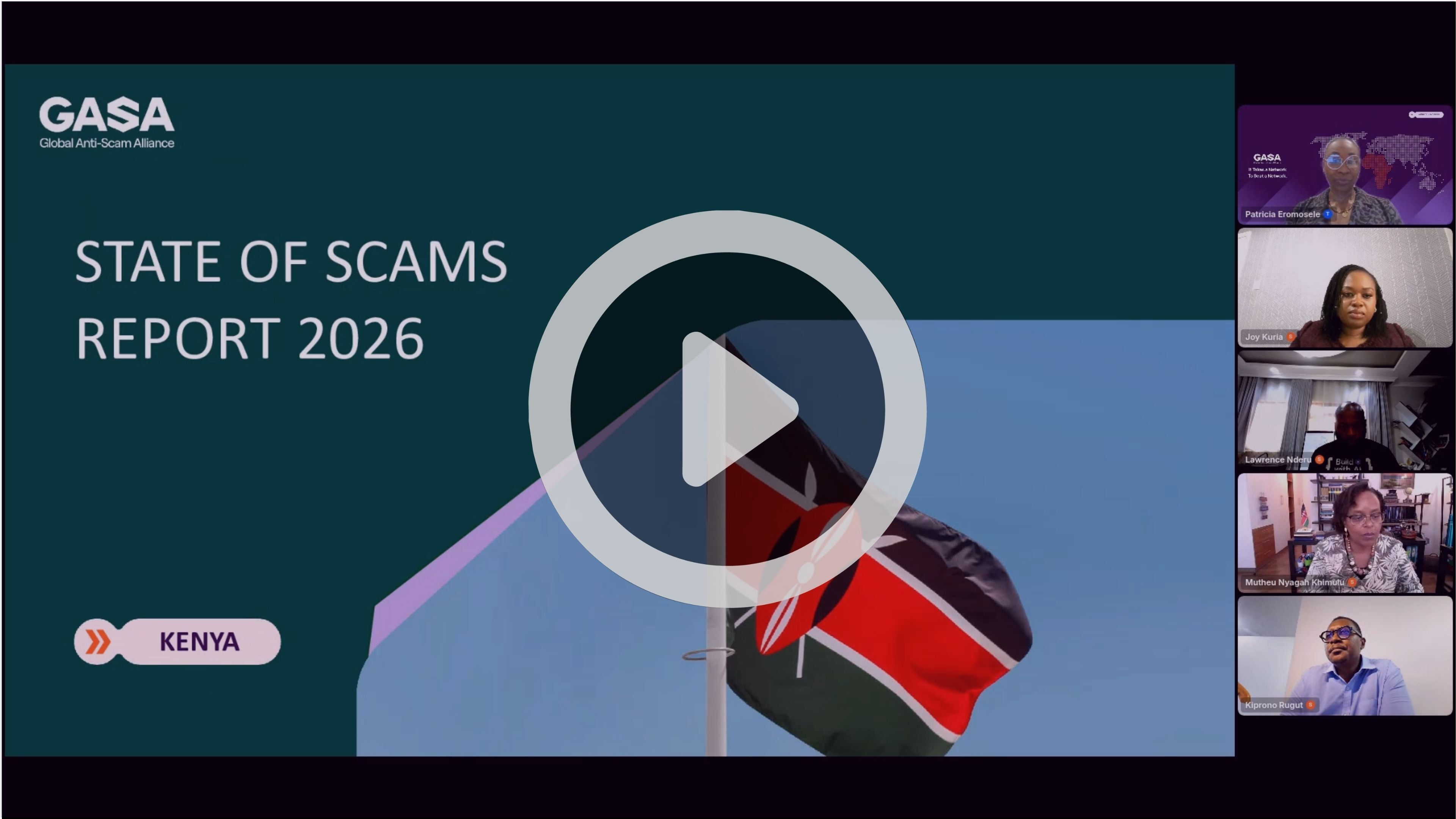
State of Scams in Kenya 2026: A Comparative Review Across Africa
Kenyan experts examine scam trends, data sharing, digital trust and the need for stronger cross-sector prevention.
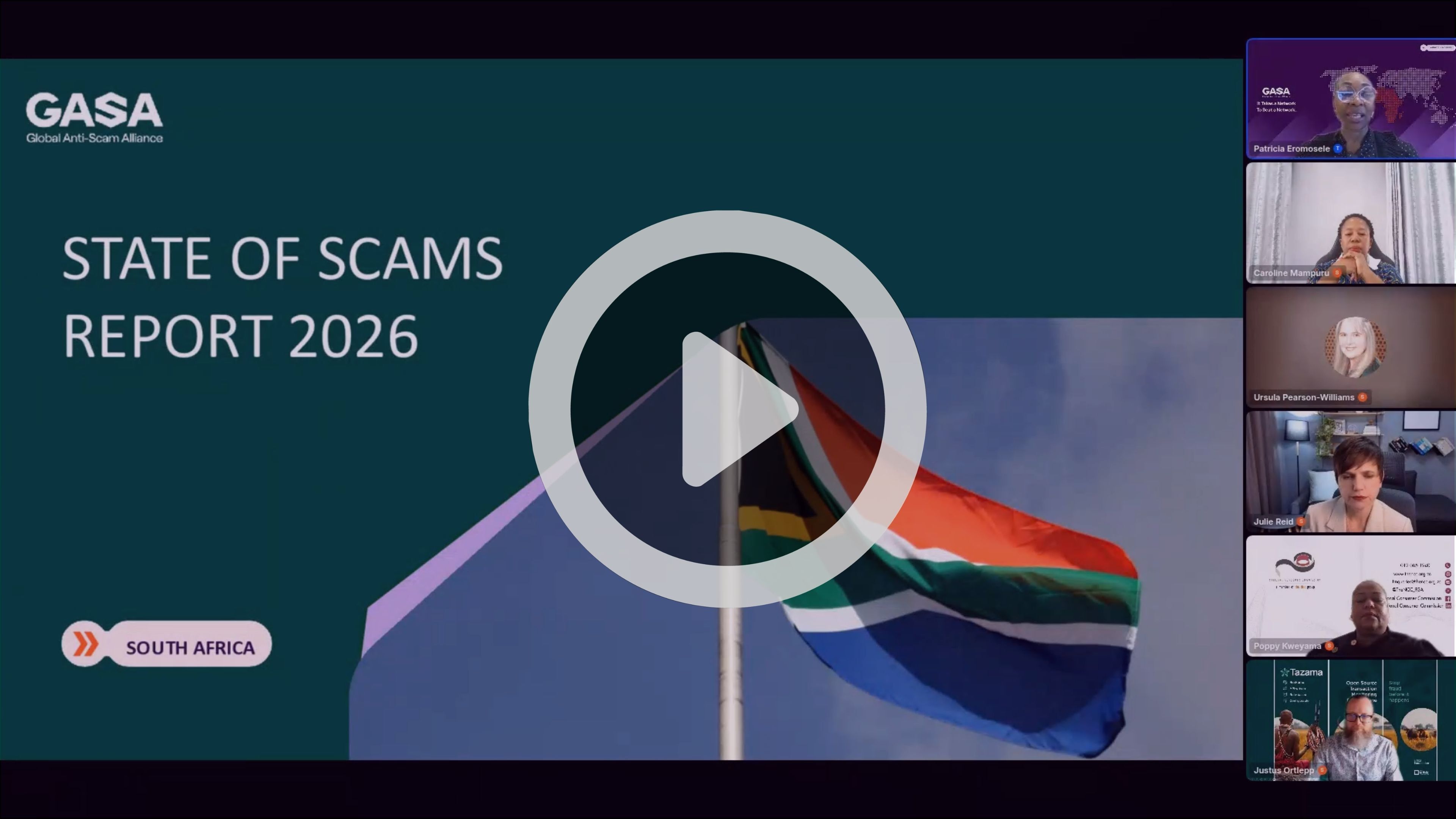
State of Scams in South Africa 2026: A Comparative Review Across Africa
South African experts examine scam trends, AI, consumer protection and the need for stronger cross-sector collaboration.