
Date of Event: 7 October 2026
Event: GASA Africa Webinar
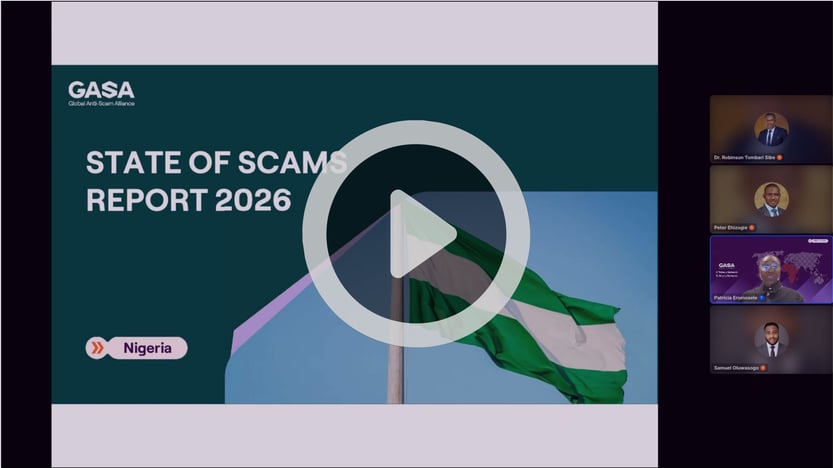
Scams have become a routine part of digital life in Nigeria, reaching consumers through phone calls, messaging platforms, social media and financial services. New research from the Global Anti-Scam Alliance (GASA) shows that 84% of Nigerian adults encountered a scam in the past year, while 54% interacted with a scammer and 22% lost money or shared personal information that subsequently led to money being stolen.
 READ THE REPORT – STATE OF SCAMS IN NIGERIA 2026
Speakers
- Patricia Eromosele, Director, Africa Chapter – Global Anti-Scam Alliance (GASA), Moderator
- Hanniel Jafaru, Executive Director – HTC Africa
- Peter Ehizogie, Management Consultant Services Business Development – Mastercard
- Dr. Robinson Tombari Sibe, CEO and Lead Forensic Examiner – Digital Footprints
- Samuel Oluwasogo – Federal Competition & Consumer Protection Commission (FCCPC)
Scam Exposure Remains Widespread
Nigerian adults experienced an estimated 104 scam encounters per person over the past year, with investment scams generating the highest level of interaction at 40%. Unexpected money scams followed at 33%, while 30% interacted with impersonation scams.
Confidence in recognising scams remains limited, with 49% of respondents saying they were confident they could identify one. Dr. Robinson Tombari Sibe noted that digital knowledge alone does not make someone immune to scams, particularly when criminals exploit trust, urgency, emotion and familiar contexts.
Financial and Emotional Costs Remain High
Scams are estimated to have cost Nigerian adults ₦7.36 trillion over the past year, with victims losing an average of approximately ₦257,008.
Repeat victimisation is also common. 62% of those who lost money were scammed more than once, with victims losing money an average of 2.4 times during the year.
The consequences extend beyond financial loss. 74% of victims said being scammed had a moderate or significant impact on their mental wellbeing.
Awareness Must Keep Pace With Changing Scam Tactics
Dr. Sibe argued that traditional cybersecurity advice, such as looking for poor spelling or other obvious warning signs, is becoming less effective as scams evolve. He pointed to the growing use of AI and the need for awareness programmes that reflect both new technologies and the human vulnerabilities scammers exploit.
Peter Ehizogie examined the role technology can play in prevention, including digital identity, behavioural biometrics and network analysis to identify suspicious activity before transactions are completed. At the same time, he identified consumer education as an important part of reducing vulnerability.
Hanniel Jafaru called for awareness efforts to go further at community level, including the use of local languages and greater outreach to people in rural areas.
Stronger Coordination Can Support Earlier Intervention
Samuel Oluwasogo highlighted how a single scam can move from a messaging platform to a bank transfer and across several institutions. He called for stronger mechanisms between regulators, law enforcement, financial institutions and telecommunications providers to share intelligence quickly, identify emerging patterns and intervene earlier.
Reporting is another part of that response. The Nigeria report found that scam victims were more likely to tell friends and family than report to authorities, while only 11% of those who formally reported financial losses recovered or were reimbursed for their money. Oluwasogo argued that reporting needs to lead to visible action if consumers are to have confidence in the system.
Collaboration emerged as a practical priority across the session. Better connections between existing systems, institutions and intelligence could help Nigeria move from responding after losses occur towards detecting and disrupting scams earlier.
Watch the full discussion below to hear the findings and perspectives from the panel.
 WATCH NOW

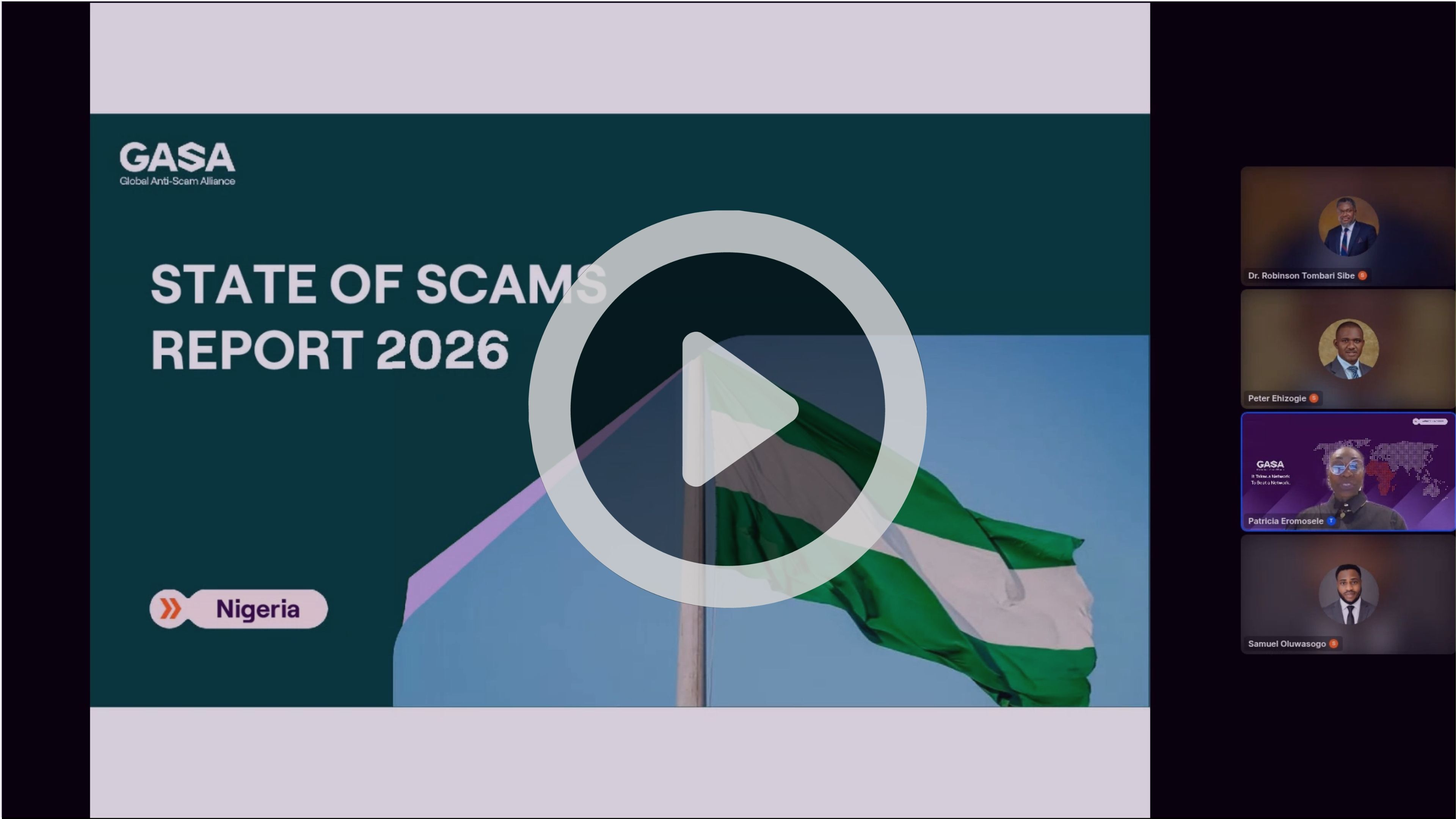
State of Scams in Nigeria 2026: A Comparative Review Across Africa
Nigerian experts examine scam trends, technology, consumer protection and the need for stronger cross-sector collaboration.
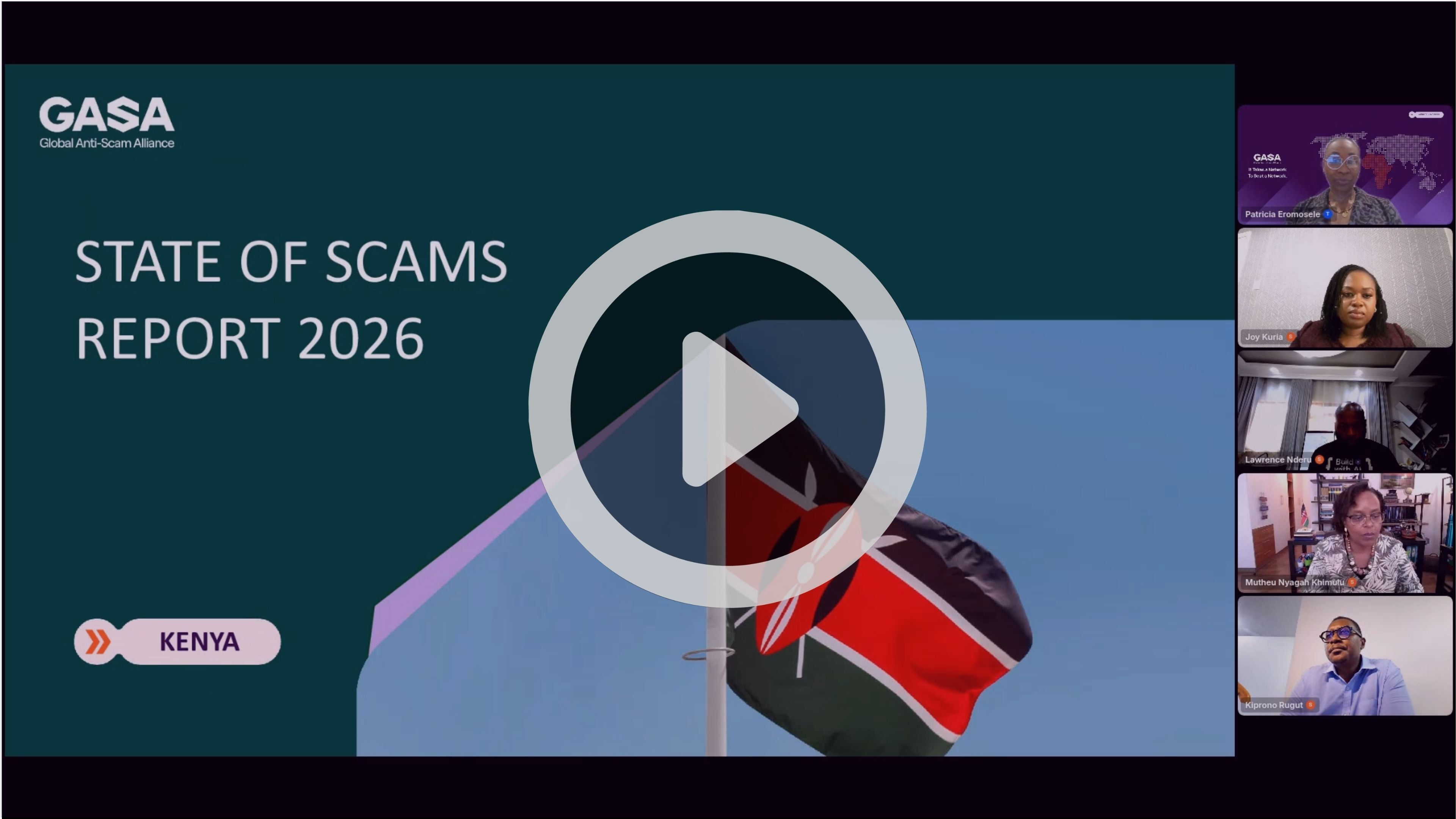
State of Scams in Kenya 2026: A Comparative Review Across Africa
Kenyan experts examine scam trends, data sharing, digital trust and the need for stronger cross-sector prevention.
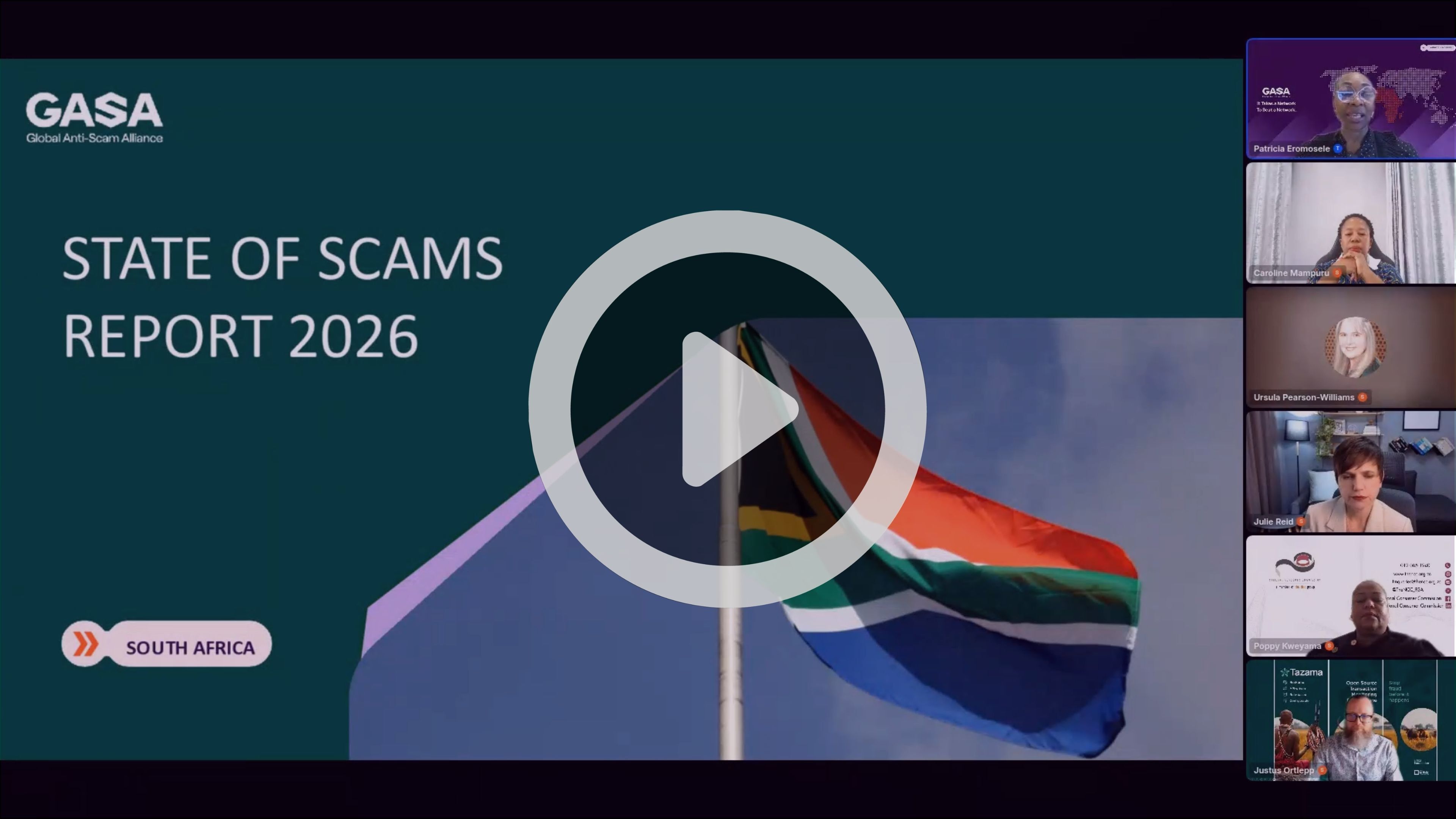
State of Scams in South Africa 2026: A Comparative Review Across Africa
South African experts examine scam trends, AI, consumer protection and the need for stronger cross-sector collaboration.

GASA and Google Trust & Safety Workshop Sets Priorities for Anti-Scam Cooperation Across Africa
GASA Africa Chapter and Google South Africa brought anti-fraud leaders together to strengthen cross-border cooperation and scam prevention.
What Uganda’s IVR Trial Shows About Practice-Based Scam Prevention
A Uganda IVR trial shows how practice-based fraud prevention helped mobile money users reduce losses and increase reporting.
Protecting Seniors and Vulnerable Communities from Fraud
Experts from financial services, internet safety and policy explore how families, banks and communities can better protect vulnerable groups from fraud.
Beyond Compliance: Why Organisational Accountability is Critical for Consumer Protection
How the NDPC-Meta initiative could strengthen data protection, organisational accountability, scam prevention and consumer trust across Nigeria’s digital economy.
Policy Blind Spots in Cyber-Enabled Investment | GASA Africa
GASA Africa Chapter explores cyber risks, investor protection, and policy gaps in digital investment ecosystems.