
Research highlights a gap between confidence in recognizing scams and actual outcomes ahead of the Global Anti-Scam Summit Asia 2026
 BANGKOK, THAILAND – New research from the Global Anti-Scam Alliance (GASA), developed in collaboration with Whoscall, reveals the scale and impact of scams across Asia. Among adults surveyed in 13 Asian markets, 71% encountered a scam in the past year. The study estimates that consumers across those markets lost a combined US$136.5 billion to scams over the same period.
The State of Scams in Asia 2026 report, based on a survey of 17,460 adults, also identifies a gap between confidence and outcomes. While 66% of respondents said they were confident, they could recognize a scam, 62% of those who encountered one interacted with it. Among respondents who interacted with a scam, 26% lost money.
The findings are being released ahead of the Global Anti-Scam Summit Asia 2026, taking place in Bangkok on 10–11 November. Following previous editions in Taiwan and Singapore, the summit will be held in Thailand for the first time, bringing together leaders from across sectors to strengthen the region’s response to evolving scams.
Phone calls and messages remain major points of exposure
Phone calls were the most common channel through which respondents encountered scams (56%), followed by text messages (50%) and instant messaging apps (40%). Shopping, investment and employment scams were the three types with which respondents most commonly interacted.
“Phone and text message scams remain a major challenge across Asia. In Thailand, Malaysia, Vietnam and Indonesia, more than six in ten respondents encountered scams through these channels. As scammers use AI-generated voices and increasingly convincing scripts, identifying suspicious numbers and stopping fraudulent calls at the source becomes even more important,” said Jeff Kuo, CEO of Gogolook. “Whoscall’s observations also suggest that scammers are adapting to tighter SIM registration and identity checks by using international and satellite numbers. That makes continued information sharing across markets essential.”
Despite widespread exposure, 66% of respondents said they were confident in their ability to recognize scams. Yet 62% of those who encountered a scam interacted with it, and 26% of those who interacted lost money.
The harm extends beyond financial losses
The research estimates that consumers across the 13 markets lost US$136.5 billion to scams over the past 12 months. Among respondents who lost money, 51% said they had been scammed more than once.
The effects reached beyond the immediate financial loss. Among those who lost money, 72% reported an impact on their mental wellbeing, 77% experienced at least one emotional impact, and 58% experienced at least one financial impact affecting their everyday lives.

Turning regional evidence into action
The findings will inform discussions at the Global Anti-Scam Summit Asia 2026, where representatives from government, law enforcement, financial services, technology, telecommunications, consumer protection and other sectors will explore ways to prevent and disrupt scams.
The research also points to public support for more proactive intervention. Across the markets surveyed, 71% supported allowing banks to block high-value transactions without a customer’s prior permission when they suspect a scam. Another 69% supported allowing telecom operators or messaging apps to block calls and messages they believe are malicious.
Reporting, however, does not always lead to recovery. While 85% of victims reported their scam experience, outcomes varied depending on where they reported it, and recovery and reimbursement remained limited.
About the research
The State of Scams in Asia 2026 surveyed 17,460 adults across 13 Asian markets: China, Hong Kong, India, Indonesia, Japan, Malaysia, Pakistan, the Philippines, Singapore, South Korea, Taiwan, Thailand and Vietnam. Fieldwork was conducted between March 16 and April 13, 2026. The research was conducted by Opinium for the Global Anti-Scam Alliance and developed in collaboration with Whoscall and Gogolook.
About the Global Anti-Scam Alliance
The Global Anti-Scam Alliance (GASA) is a nonprofit organization bringing together policymakers, law enforcement, consumer authorities, NGOs, the financial sector, telecommunications operators, internet platforms, cybersecurity organizations and other stakeholders to share knowledge and develop solutions to protect consumers from scams.
About Whoscall
Whoscall, developed by Gogolook, is a caller-ID & digital anti-scam tool designed to protect users from scams across various channels, including phone calls, text messages, social media, and links. With over 100 million downloads globally, it features the most comprehensive database in East and Southeast Asia, covering more than 2.6 billion phone numbers.
About Gogolook
Gogolook is a leading TrustTech company established in 2012. With "Build for Trust" as its core value, expanding its business from Asia to Europe and America. A foundation member of the Global Anti-Scam Alliance (GASA), Gogolook has also teamed up with a number of institutes such as the Taiwan National Police Agency, Thai Royal Police, the Philippines Cybercrime Investigation and Coordinating Center, the Fukuoka city and Shibuya city government, and the Royal Malaysia Police to fight scams, dedicated to creating a "scam-free environment."
Registration for the Global Anti-Scam Summit Asia 2026 is open. For the programme and registration details, visit the summit website:

71% of Adults Surveyed Across 13 Asian Markets Encountered Scams, with Estimated Losses of US$136.5 Billion
This study of 17,460 adults across 13 Asian markets shows that scam exposure is widespread, with 71% of participants encountering a scam in the past year. While 66% say they are confident in recognizing scams, 62% of those exposed went on to interact with a scammer. Ultimately, 9% lost money or personal information that led to financial loss, while only 4% reported a scam to the authorities. The findings highlight a significant gap between perceived scam awareness and real-world resilience.
Building a More Trusted Digital Philippines: New Report Underscores the Need for Collective Action as Scam Exposure Continues to Rise
GASA’s State of Scams in the Philippines 2026 Report, in collaboration with Mastercard and Gogolook, highlights the growing scale of the scam challenge in the Philippines.
More than one in five adults in Japan encountered scams in the past year
New State of Scams Japan 2026 report examines how scams are reaching consumers and where stronger prevention and collaboration can make a difference
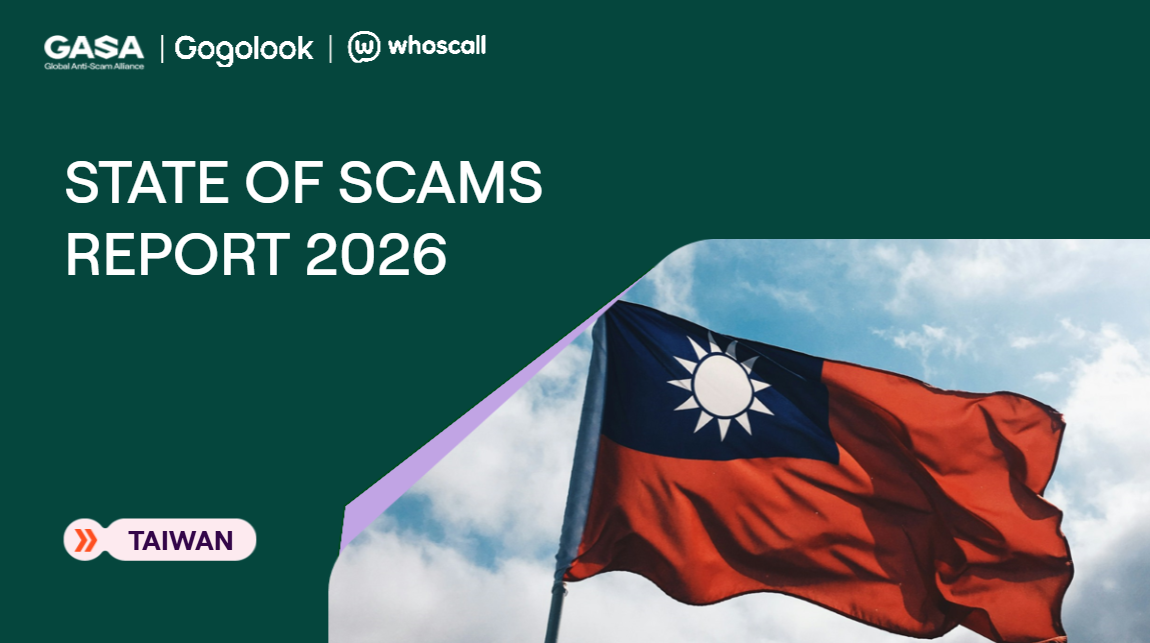
GASA and Whoscall Release 2026 Asia Scam Report – Taiwan
The 2026 Asia Scam Report – Taiwan, provides an in-depth look at scam exposure, channels, victim experiences, and scam awareness among people in Taiwan.
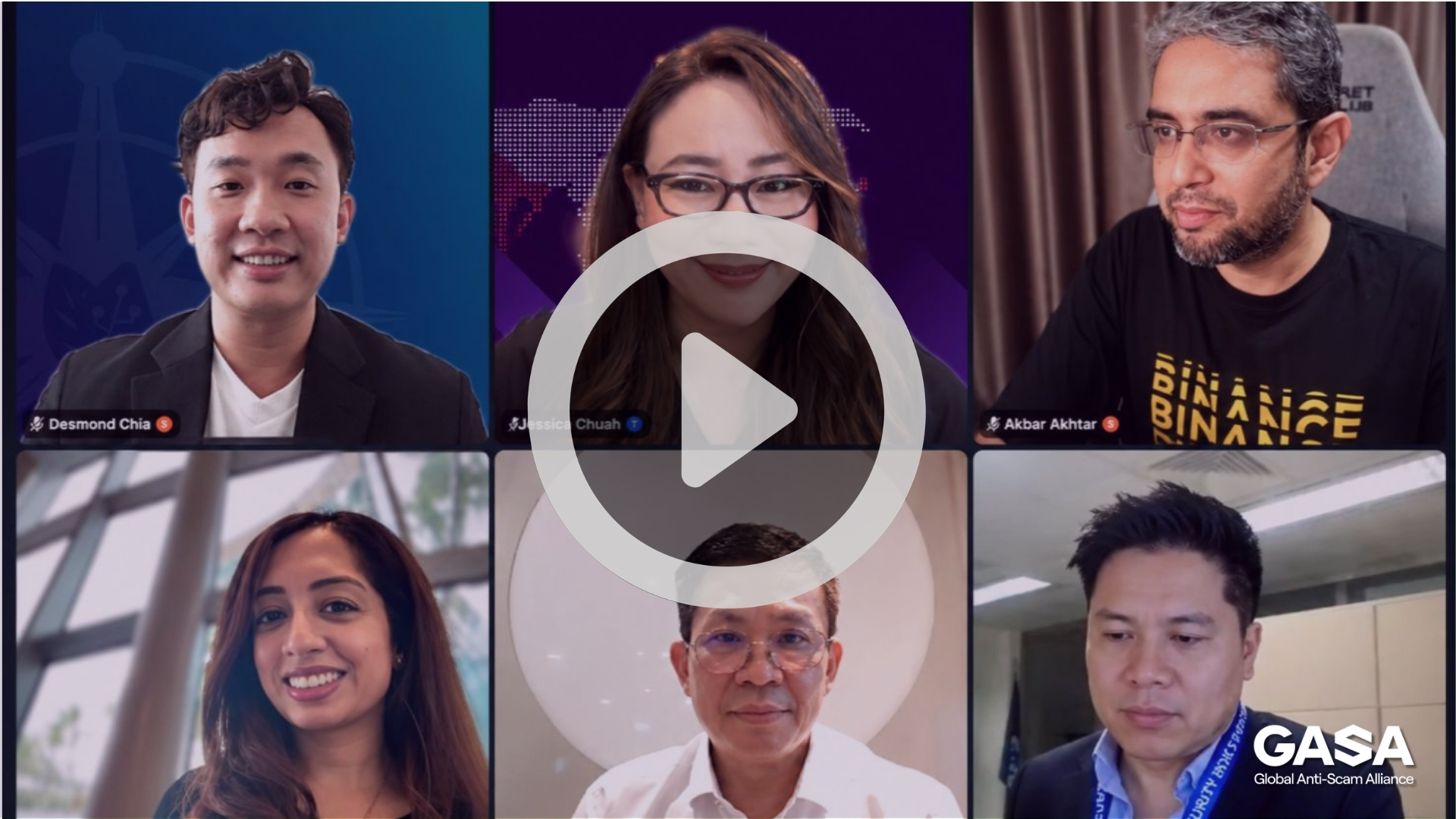
Fighting Crypto Scams in Singapore: Strengthening Public-Private Partnerships
On 07 July, the Global Anti-Scam Alliance (GASA) hosted a webinar bringing together leading voices from the crypto industry, law enforcement, compliance, and civil society.
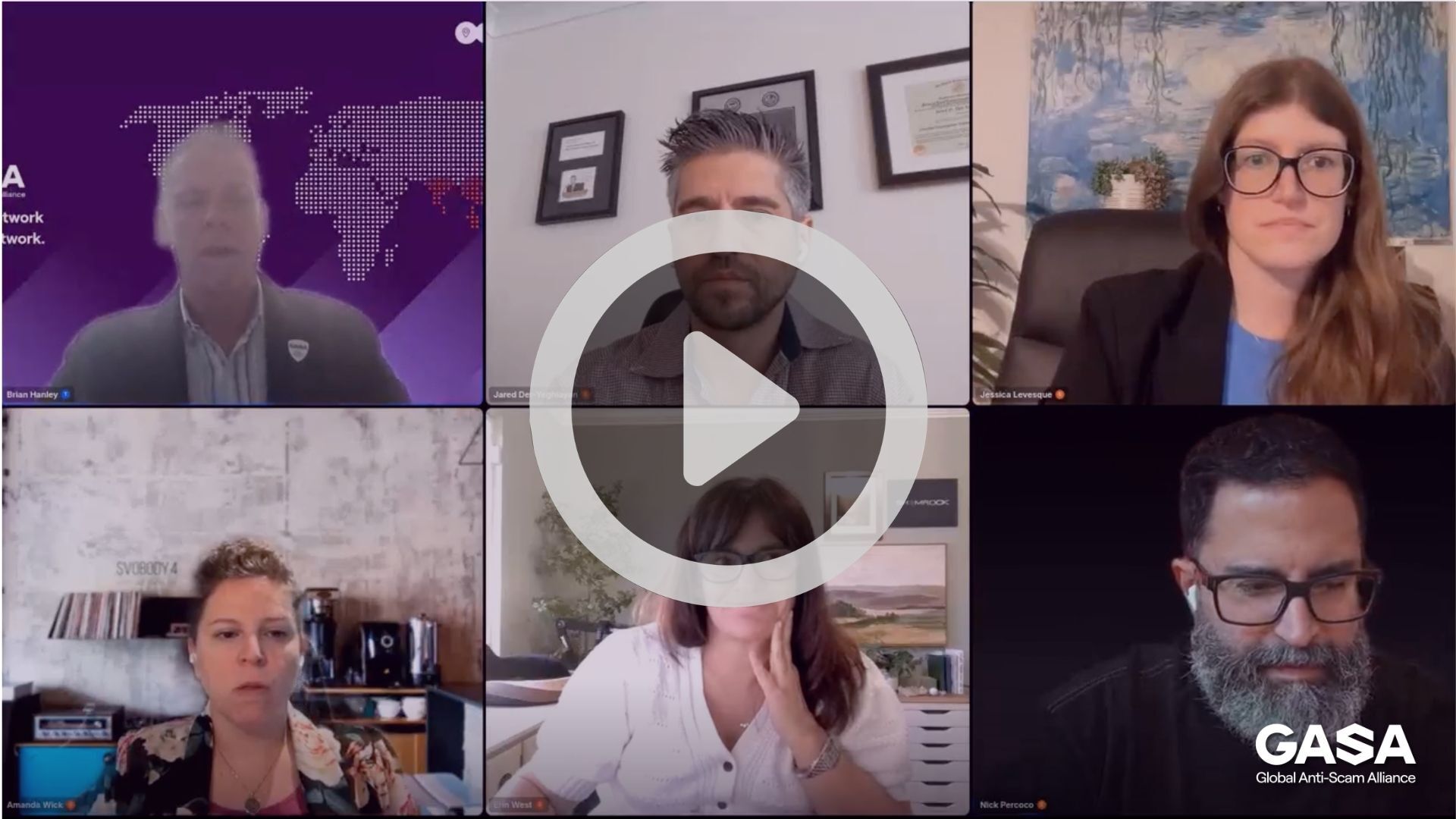
Anatomy of an Investment/Crypto Scam
On 21 May, the Global Anti-Scam Alliance (GASA) hosted a webinar bringing together leading voices from the crypto industry, law enforcement, compliance, and civil society.
Republic of Fiji Officially Joins Scam.org as National Anti-Scam Hub
Milestone Partnership Announced at Global Anti-Scam Summit in Lisbon, Following First Preview at UN Fraud Summit in Vienna
Game Over for Scammers: Regional Defenses Against Online Gambling–Related Scams
Experts from INTERPOL, ACMA, and DGOJ examine how gambling-related scams operate and how global enforcement is responding.