

Artificial intelligence (AI) has revolutionised various sectors, but its increasing misuse in scams and fraud presents a significant challenge for anti-scam experts. This article explores actionable strategies professionals can adopt to counteract AI-driven fraud, incorporating insights from recent presentations from the Global Anti-Scam Summit Europe 2024 and reports on combating AI scams.
Understanding the Threat Landscape
AI’s dual role in the world of fraud is a growing concern. According to a report by Signicat , over 40% of detected fraud attempts targeting financial institutions in Europe now utilise AI , with 29% of these attempts being successful. This statistic underscores the escalating challenge faced by anti-scam experts.
On one hand, AI significantly enhances security measures. Advanced AI technologies can analyse vast amounts of data to detect unusual patterns, improve authentication processes, and automate the identification of suspicious activities, thereby strengthening fraud prevention efforts. For instance, AI systems can quickly adapt to new threat patterns, making them invaluable in the fight against evolving scams.
On the other hand, AI also empowers scammers with sophisticated tools. As highlighted by David Capezza, Vice President of Europe Risk Advisory at Visa at the Global Anti-Scam Summit Europe 2024 , AI’s capabilities are leveraged to execute sophisticated phishing attacks, create convincing deepfakes, and embed malicious code, complicating traditional fraud detection mechanisms. These advancements enable scammers to exploit vulnerabilities more effectively, leading to increased fraud attempts and financial losses.
Joc Cing Tay, Vice President of Engineering at Gogolook , has also emphasised the escalating use of AI in scams . The increasing sophistication of these scams necessitates a robust, multi-faceted approach to defence. While AI offers powerful tools for enhancing security, its misuse underscores the need for continual innovation and vigilance in combating fraud.
Strategies for Counteracting AI-Driven Scams
1. Collaboration and Information Sharing
Collaboration is crucial for effective anti-scam strategies. Jorij Abraham, Managing Director of the Global Anti-Scam Alliance (GASA) , stressed the importance of global cooperation in combating scams. Sharing intelligence and best practices across borders can significantly enhance anti-scam efforts.
Anti-scam experts should leverage platforms like the GASA Directory to connect with other professionals, share insights, and collaborate on innovative solutions. By working together, experts can pool resources and knowledge to tackle the evolving landscape of AI-driven scams more effectively.
2. Leveraging Advanced Technologies
Embracing and deploying cutting-edge technologies is essential in the fight against AI scams. Recent advancements offer promising tools to counteract fraudulent activities. For instance, ZerID's caller validation system , presented by Daniel E. Thomas, Co-Founder and CEO of ZerID at the Global Anti-Scam Summit Europe 2024, aims to reduce phone fraud by 30% by 2030 . This real-time verification technology helps consumers ascertain the legitimacy of callers, thus mitigating the risk of phone scams.
Similarly, Bitdefender's AI-powered chatbot, Scamio , offers a proactive approach to scam prevention. By interacting with users in natural language, Scamio assists in identifying potential scams and provides valuable educational resources, enhancing public awareness and protection.
3. Adopting Comprehensive Security Measures
Implementing a multi-layered security approach is crucial for protecting against AI-driven scams. The evolution of payment systems has made fraud detection more complex due to the involvement of multiple entities in the payment process. To address these challenges, experts should adopt a combination of smart friction techniques and tailored solutions.
Visa’s strategy includes deploying technologies to detect anomalies across various payment methods and creating bespoke solutions for different types of payment providers. These measures aim to detect and prevent fraudulent activities without disrupting legitimate transactions, thus maintaining a balance between security and user experience.
4. Promoting Consumer Education and Awareness
Educating consumers about the risks associated with AI-driven scams and providing them with tools to recognise and avoid fraud is vital. Innovative solutions like content credentialing and blockchain technology can enhance transparency and trust in digital transactions.
Organisations should focus on raising awareness through public campaigns and educational initiatives. By informing consumers about common scam tactics and providing resources to verify the legitimacy of digital content, experts can empower individuals to protect themselves from AI-powered fraud.
Conclusion
The fight against AI-driven scams requires a multi-pronged approach involving collaboration, advanced technologies, comprehensive security measures, and consumer education. To effectively tackle these challenges, anti-scam experts should consider the following actionable strategies:
Fostering International Collaboration : As highlighted by the experiences shared by Aileen Yap, Assistant Director - Singapore Police Force, Anti-Scam Command at the Global Anti-Scam Summit Europe 2024 , learning from international best practices can be invaluable. For example, Singapore's Anti-Scam Command adjusted its strategies based on insights gained from visits to facilities in Thailand and other countries. These visits revealed that Thailand’s approach of co-locating anti-money laundering divisions with the anti-scam command headquarters improved coordination and efficiency. In response, Singapore encouraged banks to join their headquarters to enhance collaborative efforts. Such exchanges of knowledge and practical adjustments underscore the importance of global partnerships and adaptability.
Implementing Best Practices : Anti-scam experts should actively engage in global networks to share and adopt best practices . Platforms like the GASA Directory provide opportunities for professionals to connect, share insights, and develop innovative solutions. For instance, cross-border collaborations could involve joint development of fraud detection technologies or shared intelligence on emerging scam trends.
Deploying Advanced Technologies : Leveraging cutting-edge technologies is crucial. Initiatives like ZerID’s caller validation system and Bitdefender's Scamio chatbot demonstrate how advanced tools can significantly impact fraud prevention. Experts should continuously evaluate and integrate such technologies into their systems to stay ahead of evolving scam tactics.
Enhancing Consumer Education : Raising awareness through public campaigns and educational initiatives is vital. Organisations should invest in resources that help consumers understand and recognise AI-driven scams. This could include partnerships with tech companies to develop educational tools or public service campaigns focused on identifying common scam tactics.
Adopting Comprehensive Security Measures : A multi-layered security approach can balance security and user experience. For example, Visa’s strategy of detecting anomalies across various payment methods and creating bespoke solutions for different types of payment providers can serve as a model for other organisations. Implementing similar strategies tailored to specific needs can help in addressing the complexities of modern fraud.
By embracing these strategies and fostering global cooperation, anti-scam experts can enhance their defences against AI-driven fraud. The insights from recent discussions and technological advancements offer a solid foundation for reinforcing global efforts to combat scams and build a more secure digital environment.
About the Author
James Greening , operating under a pseudonym, brings a wealth of experience to his role as a scam investigator, content writer, and social media manager. Formerly the sole driving force behind Fake Website Buster, James leverages his expertise to raise awareness about online scams. He currently serves as a Content Writer and Social Media Manager for the Global Anti-Scam Alliance (GASA), and contributes to ScamAdviser.com .
James’s mission aligns with GASA’s mission to protect consumers worldwide from scams. He is committed to empowering professionals with the insights and tools necessary to detect and mitigate online scams, ensuring the security and integrity of their operations and digital ecosystems.

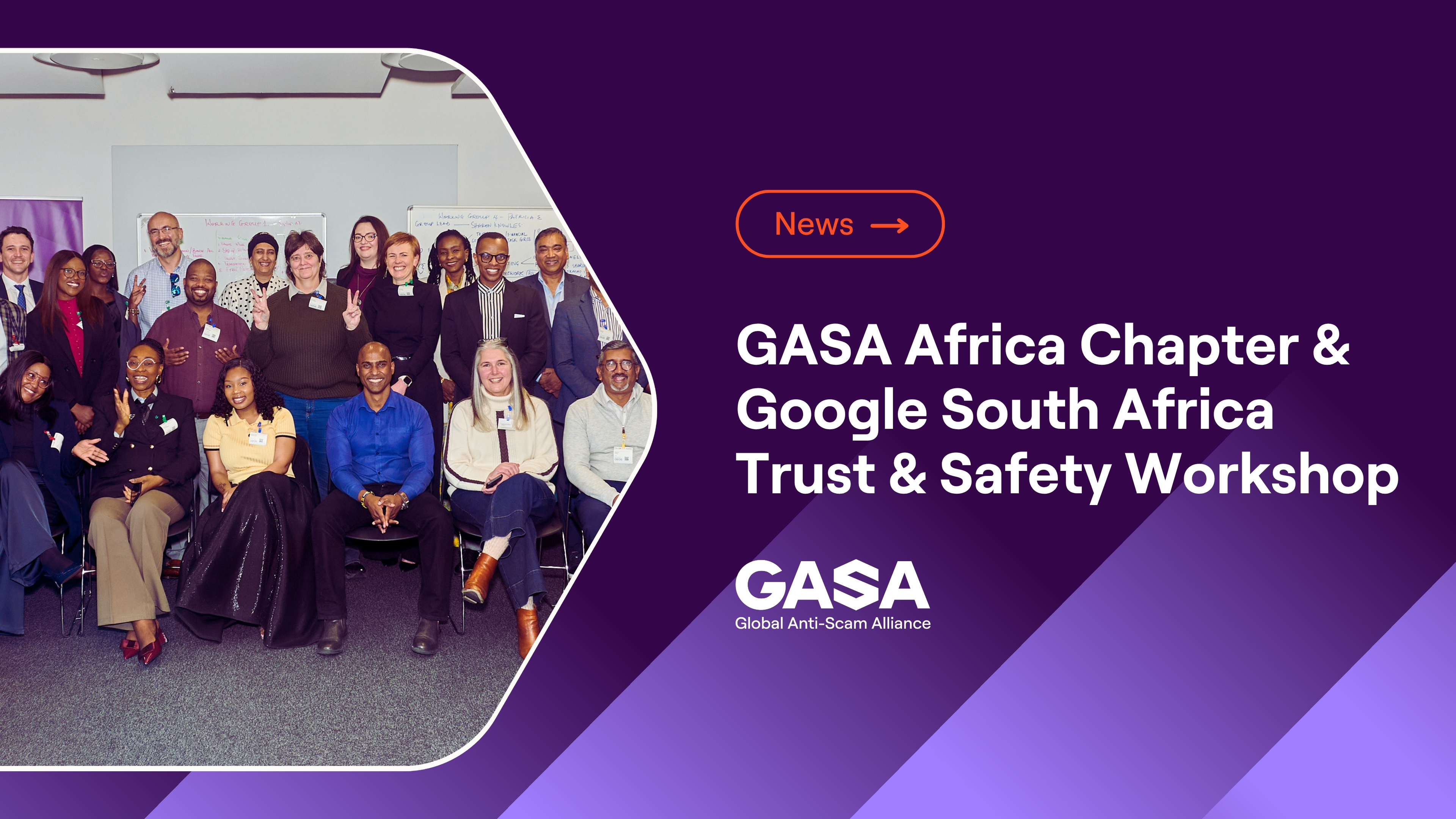
Accra Trust & Safety Workshop Turns Collaboration into Action Against Scams and Fraud in West Africa
GASA Africa Chapter and Google South Africa brought anti-fraud leaders together to strengthen cross-border cooperation and scam prevention.
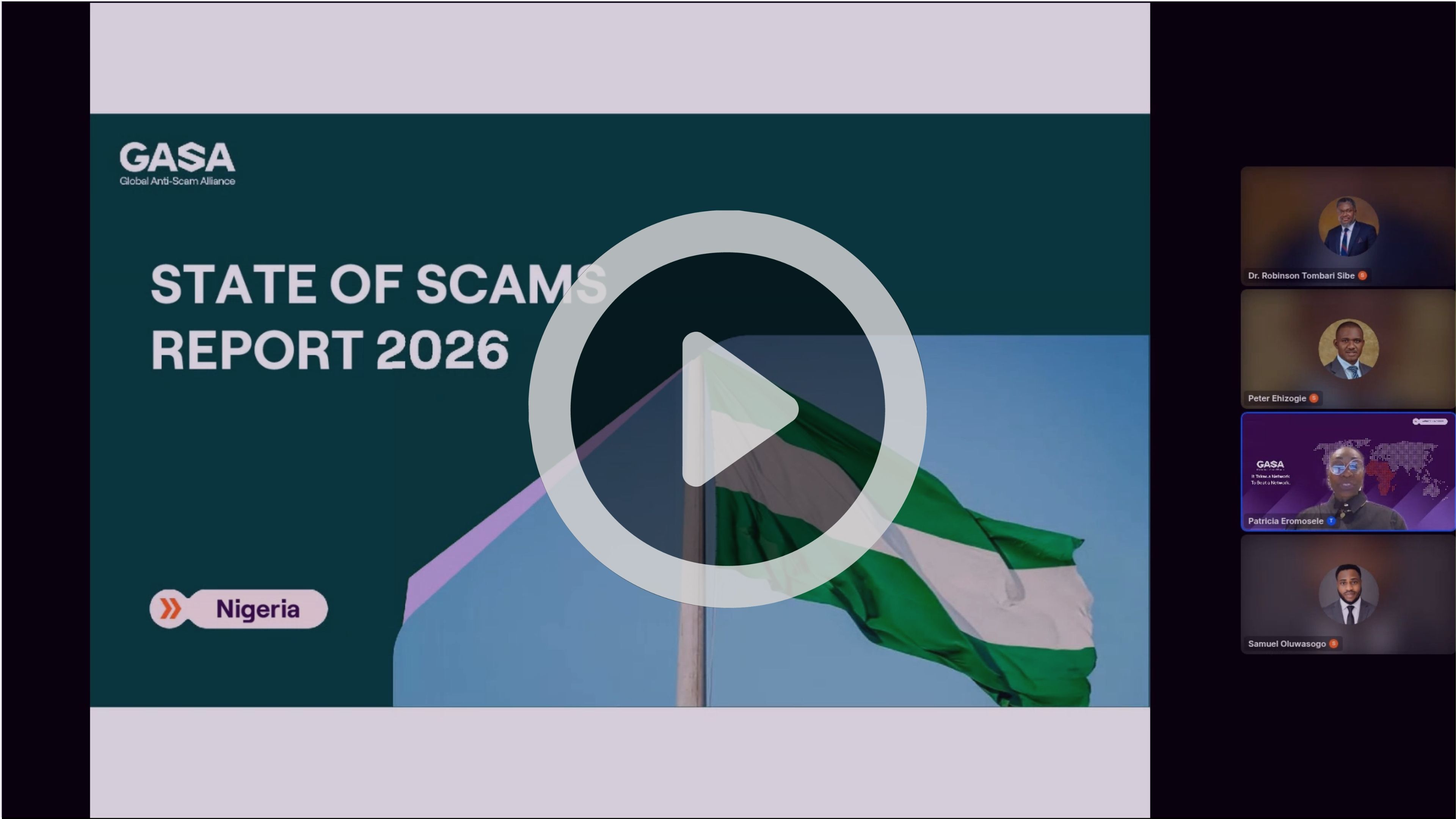
State of Scams in Nigeria 2026: A Comparative Review Across Africa
Nigerian experts examine scam trends, technology, consumer protection and the need for stronger cross-sector collaboration.
Nearly three in four Danish adults encountered scams as estimated losses reach DKK 10.1 billion
New State of Scams Denmark 2026 report finds scam exposure is rising, while victims face repeated financial and emotional harm.
Building a More Trusted Digital Philippines: New Report Underscores the Need for Collective Action as Scam Exposure Continues to Rise
GASA’s State of Scams in the Philippines 2026 Report, in collaboration with Mastercard and Gogolook, highlights the growing scale of the scam challenge in the Philippines.
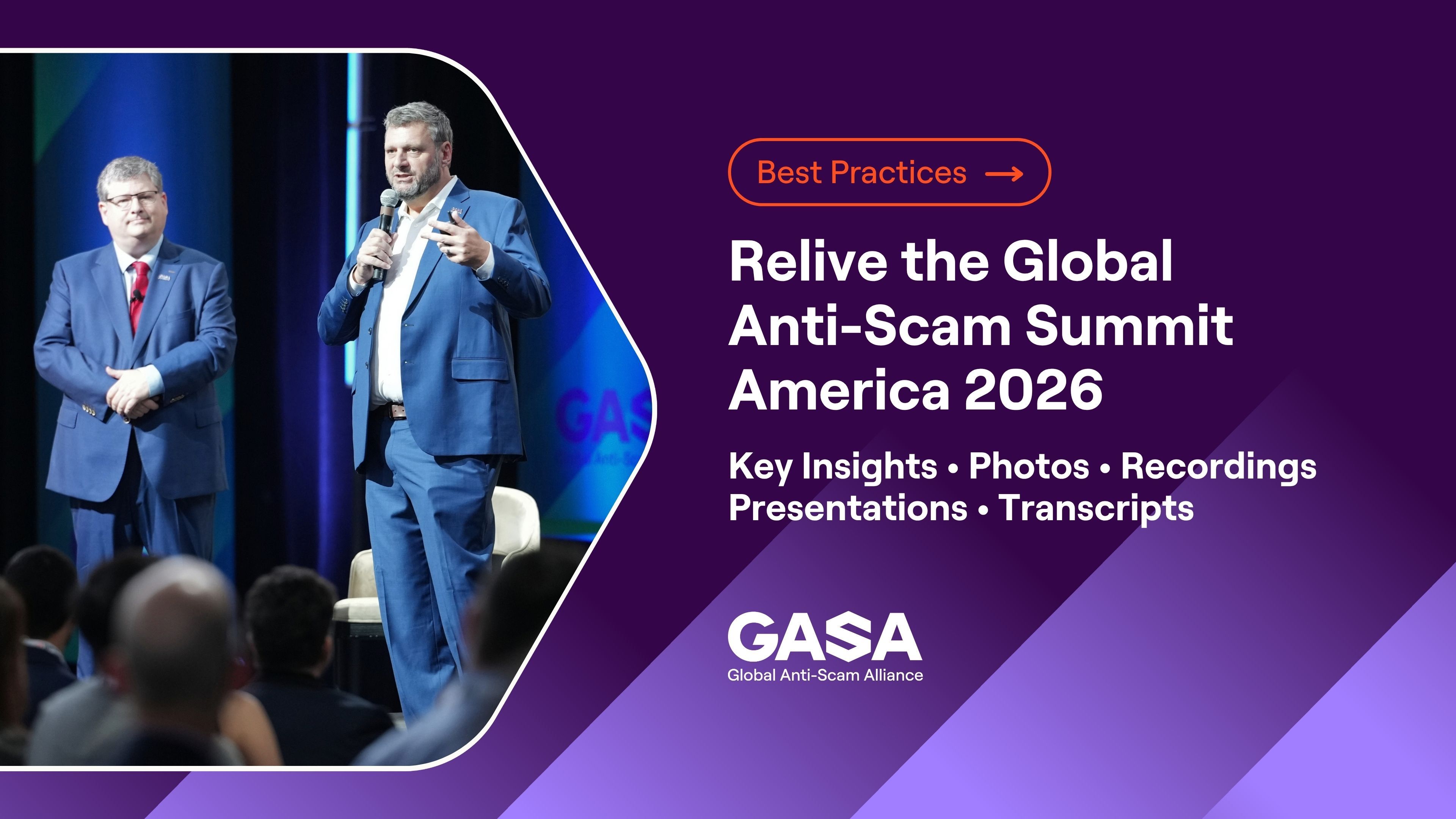
Global Anti-Scam Summit America 2026: Highlights, Insights and Resources
Explore GASS America 2026 highlights and insights, with the Summit summary, photos, presentation slides, transcripts and session recordings from San Francisco.
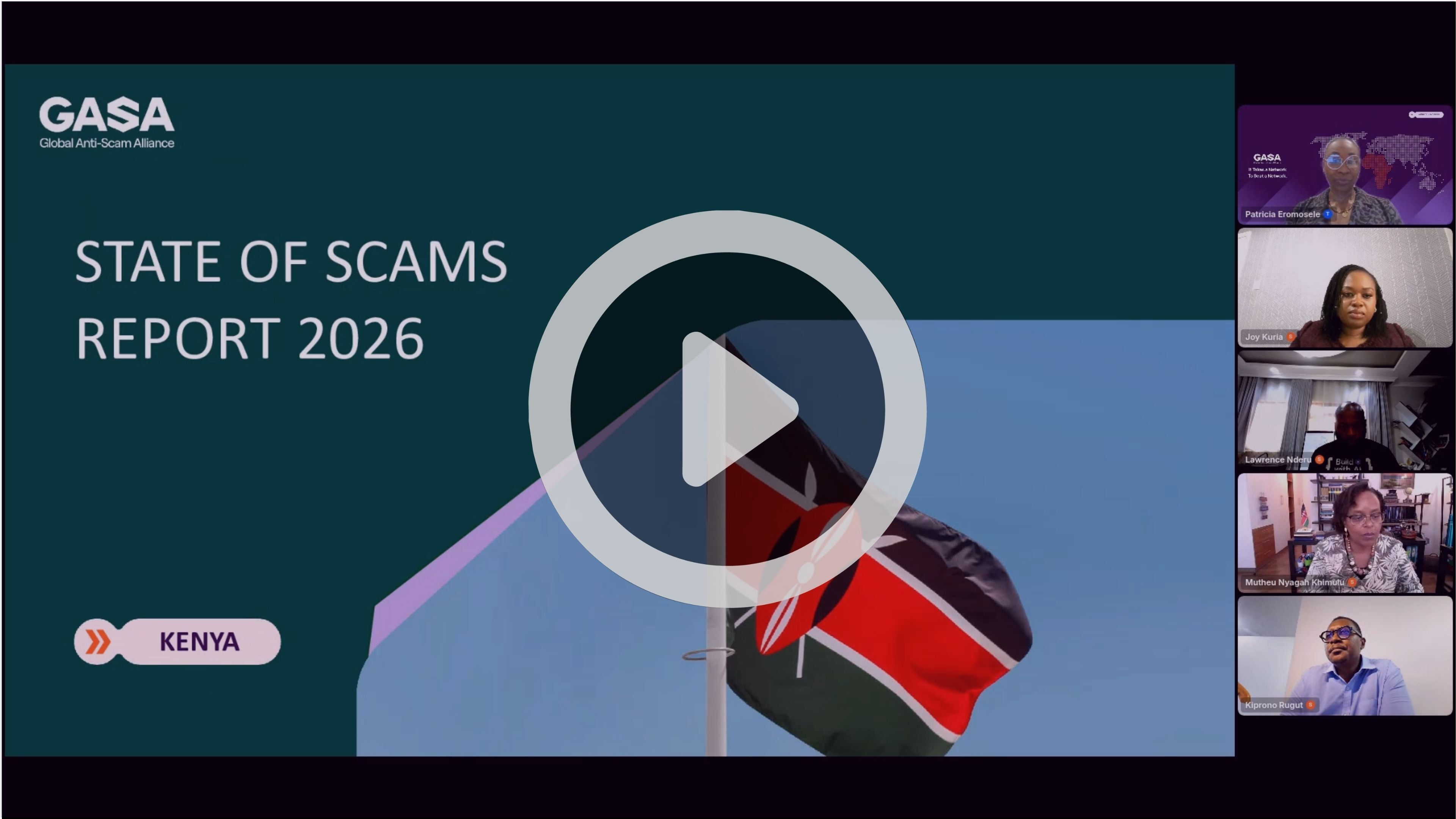
State of Scams in Kenya 2026: A Comparative Review Across Africa
Kenyan experts examine scam trends, data sharing, digital trust and the need for stronger cross-sector prevention.
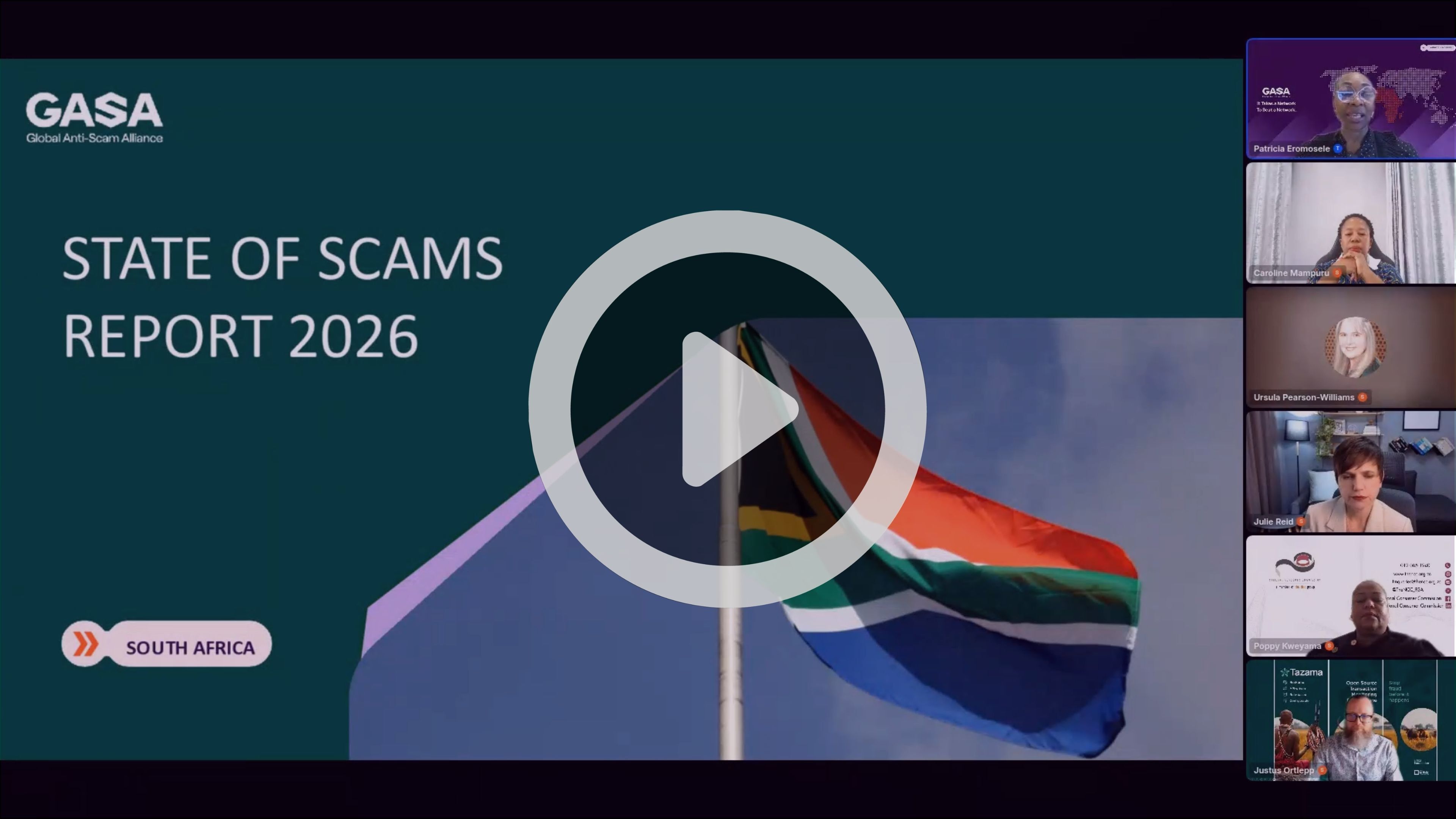
State of Scams in South Africa 2026: A Comparative Review Across Africa
South African experts examine scam trends, AI, consumer protection and the need for stronger cross-sector collaboration.
-3.jpg)
More than one in five adults in Japan encountered scams in the past year
New State of Scams Japan 2026 report examines how scams are reaching consumers and where stronger prevention and collaboration can make a difference