

Picture this: you have one of the best arsenal in your defense, but you hardly use it in your time of need. This has been the case with the “warning list” that Britain’s Financial Conduct Authority has consistently published since 3rd April 2016.
One question lingers, has this warning list been effective in, I don’t know, warning people? Is this list a financial watchdog or just a post-scam confessional booth, reassuring victims with a polite, "Yes, you were scammed. Better luck next time!"?
We were inspired to continue this discussion after coming across a detailed article from Investigative Journalist & Researcher Dimitris Dimitriadis , available here on CircleID. Following up on his analysis, let’s take a look at how the FCA’s watchlist can be empowered to help warn people about potential scams.
Make the FCA Website More User Friendly
Let’s face it, the FCA is not the most user-friendly website out there. Leave alone the elderly and less tech-savvy, even the geeky younger generation will struggle to access the warning list.
Of course, this isn’t something new and has been pointed out many times over. In fact, Which? A consumer watchdog urged FCA to make its warning list a bit more accessible and consider including APIs. Well, that didn’t happen.
However, making the list easily accessible does not necessarily mean that consumers will automatically start looking it up. Many people will only bother to check once they have lost money to scammers. This nullifies the whole essence of the list which is meant to warn people and not to confirm whether they have actually been scammed.
Due Diligence is a Must
With scams, there is a common trick of giving people unnecessary pressure so that they forgo doing their due diligence. In most cases, people will do the bare minimum and with the false sense of urgency created by scammers, there is little chance to make a sober, well-thought-out decision.
If only people were to search for the domain, or business/individual on Google, they would most likely see if the entity has been blacklisted. In most cases, if an entity is on the warning list, chances are, it will be among the top results on Google making it easier for everyone to see.
Interestingly, scammy websites have a short shelf life with many being taken down the minute they get on the warning list. According to Investigative Journalist & Researcher Dimitris Dimitriadis , less than 10% of a sample of 4,000 were only after being blacklisted on the FCA’s warning list. The remaining websites will most likely be taken down within weeks.
However, not every dubious website will be taken down as scammers know that some people will carelessly click on any link and will do little to no due diligence. This brings us to the next question, should FCA be “fraudcasting” suspicious websites?
Clicking on Scammy Websites Should Come With a Warning
After testing about 100 websites from the warning list, Dimitriadis’ CircleID piece pointed out that none came with a warning attached to it. This is despite all the suspicious websites meeting Google’s definition of “suspicious” or “deceptive”. Google claims this warning is turned on by default, which was not the case here.
This could also indicate another key issue for the Financial Conduct Authority who should be pushing known feeds of scam websites to search engines. One of the ways people can protect themselves is by having a browser extension that warns them, without fail, if a site is potentially dangerous.
Several features in the market can help protect consumers from scams. The BBB Scam Tracker , GASA’s Best Scam Fighting Tool of the Year , is a go-to tool. Others, such as the Scam Fighting Tool Runner-up, Fake-Shop Detector Plug-in from ÖIAT (Österreichisches Institut für Angewandte Telekommunikation). Additionally, the ScamAdviser’s browser extension is also a good feature for detection.
The Rise and Rise of Similar Scam Templates
Many of the persisting websites have one thing in common, a recurrent template. There is a notion that scammers are generally lazy, which shows with this type of dubious website. The scam websites tend to share the same content, design, layout, and more. In fact, if you are not too careful, you won’t notice that the URL has changed. The fact that there are a lot of these websites on FCA’s warning list potentially indicates the rise of a new type of SaaS offering- Scams as a Service.
Shockingly, when CircleID used Domain Crawler to weed out the common template, they noticed that often only a fraction using the same template and/or h1 tags were on the warning list . This leaves the British public potentially exposed to potential scams using the same standard template that the FCA is not warning them about.
Parting Shot: FCA Warning List can Warn more People
The Financial Conduct Authority (FCA) boasts one of the most extensive databases alerting the public to potential scams. Yet, there's room for improvement in reaching a wider audience, particularly those less familiar with technology or less vigilant in their practices.
Furthermore, the FCA could advocate for increased warnings, urging prominent search engines like Google to display alerts for every website on their cautionary list.
Lastly, a more proactive approach to identifying and adding similar websites linked to potential scam networks to their warning list could enhance the FCA's effectiveness in safeguarding the public.
For individuals contemplating investments or engaging in online transactions, it is imperative to prioritize due diligence. Consider the warning list as an indispensable tool in safeguarding yourself against the potential hazards of online scams.
In conclusion, implementing these enhancements within the Financial Conduct Authority's (FCA) warning system can have a positive impact on consumers globally.
By reaching out to more folks and teaming up with major search engines like Google, the FCA's efforts could become a guide for other countries.
Being more watchful and taking steps against scam networks could set a good example. As scams often transcend national borders, the FCA's improved approach could inspire similar efforts in other countries, fostering a more interconnected and fortified defense against online fraud on a global scale. This would make the online world safer for people globally, creating trust and security for everyone.

BanCoppel joins the Global Anti-Scam Alliance to bolster fraud prevention and safeguard individuals entering the banking system.
BanCoppel has joined the Global Anti-Scam Alliance (GASA) as a Corporate Member of the GASA Mexico Chapter.
The emotions scammers exploit: how social engineering influences our decisions
How scammers use fear, urgency, excitement and trust to influence decisions, and how recognising these tactics can help people prevent fraud.

Global Anti-Scam Alliance Welcomes Mastercard as Founding Member of Its Mexico Chapter
The Global Anti-Scam Alliance (GASA) announces the membership of Mastercard as a Member of its Mexico Chapter.

What Uganda’s IVR Trial Shows About Practice-Based Scam Prevention
A Uganda IVR trial shows how practice-based fraud prevention helped mobile money users reduce losses and increase reporting.
FTC’s Never EVER Campaign Helps Prevent Elder Financial Abuse With Simple, Specific Scam Warnings
The FTC’s Never EVER campaign uses simple, specific imposter scam warnings to help prevent elder financial abuse and support coordinated consumer education.
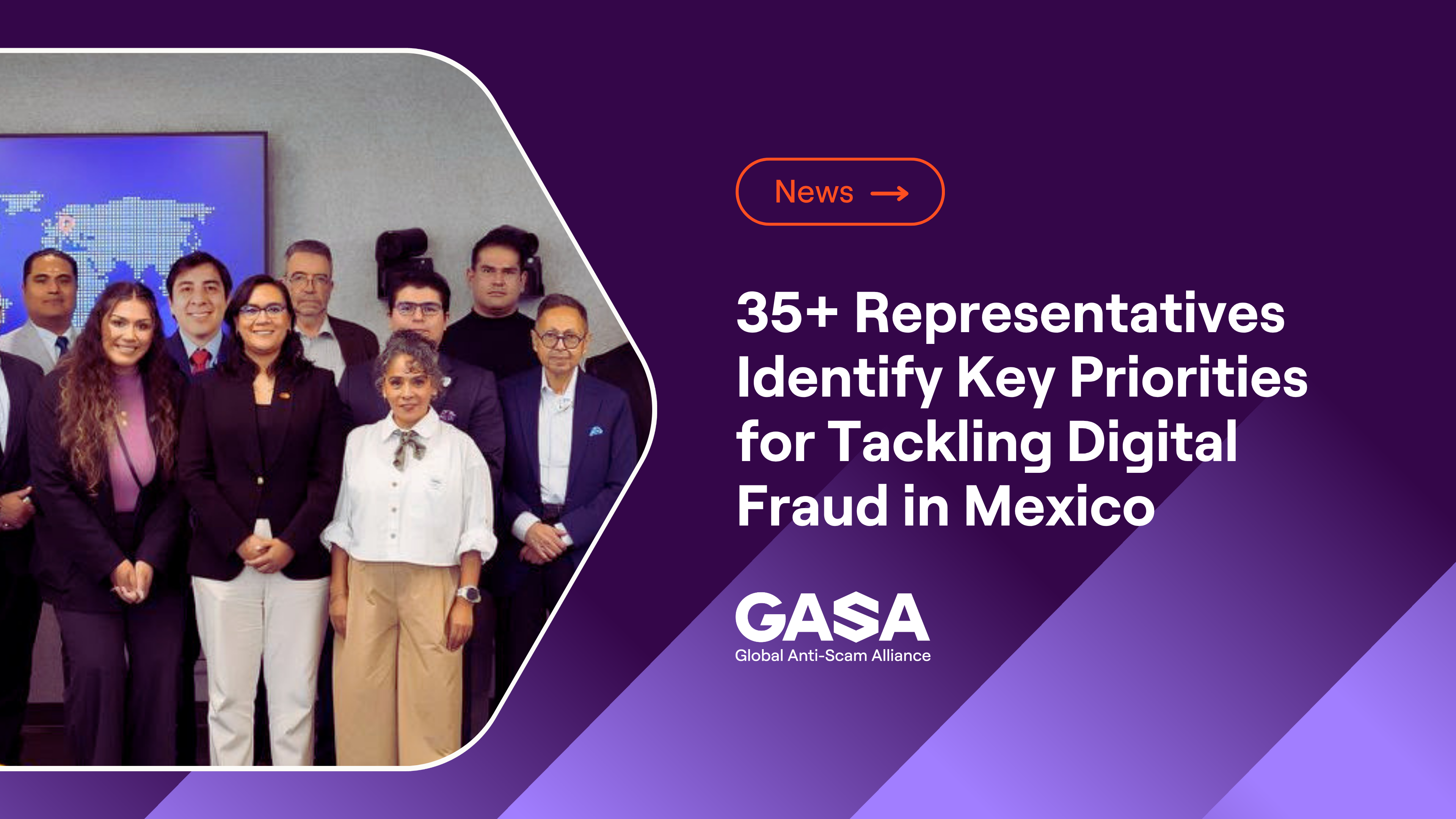
GASA Mexico's Second Roundtable Advances Coordinated Action Against Digital Fraud
GASA Mexico's second roundtable brought together more than 35 representatives to strengthen coordination across cybersecurity, fraud prevention and other sectors.

Cognyte Joins Global Anti-Scam Alliance to Fight Financial Fraud Threats
Cognyte, a global leader in investigative analytics software, today announced its membership in the Global Anti-Scam Alliance (GASA).
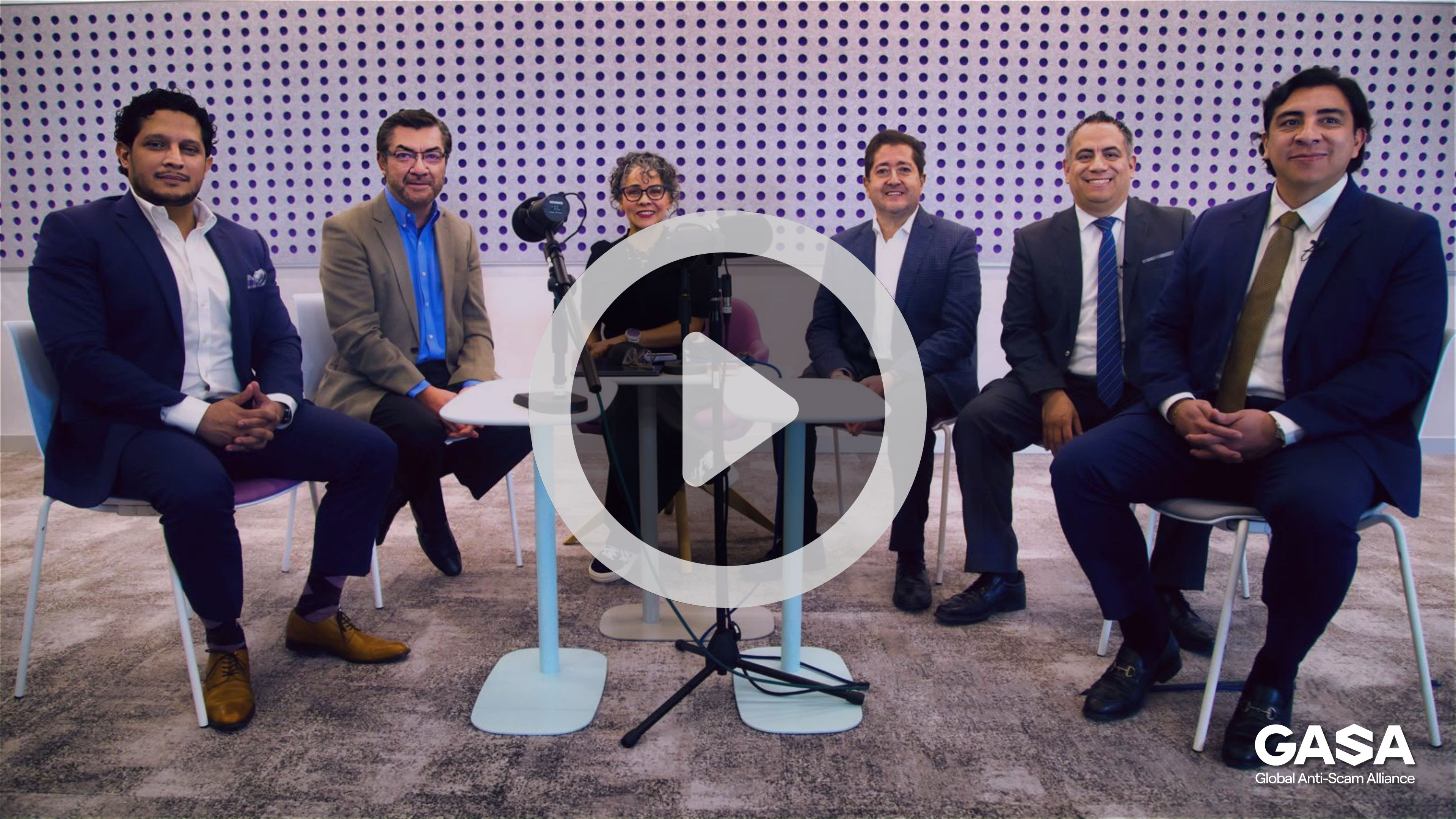
A network is beaten by a network: Mexico's banks move from remediation to prevention
GASA convened the ABM Fraud Committee and Mexican banks to advance the enriched agreement and strengthen coordinated fraud prevention across the sector.