
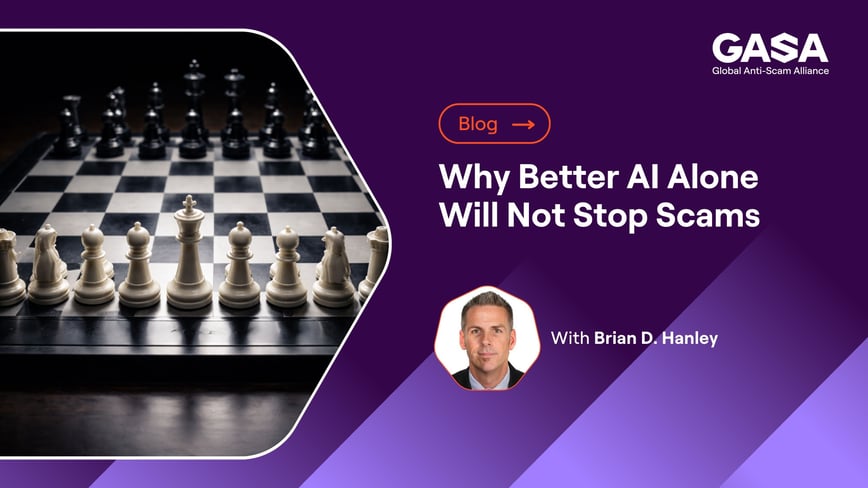
Fraud and scams are out of control. Everyone knows it. Attempts are up, losses are up, and complexity is up. And the standard response has been predictable – fight deception with better detection. Enter AI, faster models, and myriad “solutions”. Yet outcomes keep getting worse.
That is because we are fighting a strategic problem with tactical tools. Across the ecosystem, governments, platforms, banks, telcos, and exchanges are deploying AI-driven fraud detection at scale. Each organization is doing what it can within its own mandate, budget, and risk appetite. On paper, this looks like progress. In practice, it is a fragmented arms race.
Scammers are winning this asymmetric war, exploiting the seams across channels and jurisdictions, and rapidly adopting cheap AI tools openly available for as little as $25. GenAI has dramatically changed the fraud landscape, not just in volume, but in sophistication and conversion. Scams now feel personal and much more persistent, with conversations adapting in real time. AI removes barriers at the moment when trust matters most. Voice cloning and video deepfakes shatter our normal skepticism, moving scam victims from first contact to irreversible action in a matter of hours, not days, thereby shrinking the window for intervention.
At the same time, our defenses remain siloed. Each institution sees a slice of the scam journey. Platforms see behavior, telcos see origin signals, banks see transactions, law enforcement see victims; no one sees the whole picture. Most AI fraud models are trained on an organization’s own data, its customers, its transactions, its historical fraud cases. Alerts trigger when activity crosses thresholds that make sense for that organization’s risk appetite, regulatory exposure, and cost tolerance. Moreover, decisions are optimized for internal risk, not system-wide harm. Scammers exploit this perfectly.
They probe the ecosystem for weak seams. When pressure rises on one platform, they shift to another. When banks tighten controls, they reroute through payments, crypto, or telcos. Fraud does not move in a straight line; it moves to the weakest control point. When detection improves in one sector, scammers shift to another channel. When one platform tightens controls, activity migrates to the next weakest link. This is the balloon effect -- squeeze in one place and the fraud pops up somewhere else.
The result is a tactical arms race. Everyone deploys the best weapons they can afford, not the weapons the system actually needs. Large technology platforms invest heavily in AI detection and trust infrastructure. Top-tier e-commerce players are not far behind. Banks vary widely depending on leadership, regulation, and willingness to pay. Telcos operate on the thinnest margins of all, despite sitting at the front lines of scam delivery. This uneven defense landscape guarantees failure.
Even the best AI model cannot compensate for fragmented visibility. It cannot see what it is not allowed to see, and it cannot act where it has no authority. It cannot coordinate responses across institutions that do not share signals, timing, or incentives. More AI inside silos will not fix this. In fact, it may make things worse. Faster detection in one place simply may accelerate displacement elsewhere. This is not a technology failure. It is a coordination failure.
What reduces losses today is not smarter detection alone, but rather earlier intervention enabled by shared signals and clear shared responsibility. We need to know who acts when risk first appears and align incentives so that speed matters more than liability avoidance.
We see this where coordination exists. National Anti-Scam Centers are one example. When designed well, they provide a focal point for cross-sector intelligence, escalation, and action.
Not just reporting and dashboards, but actual operational coordination. Shared signal environments are another. When banks, platforms, telcos, and exchanges act on common indicators in near real time, scams attack chains break earlier. Infrastructure gets disrupted, victims get contacted by their bank before trust in the scam hardens, and losses stop.
These are not theoretical benefits; they are observable outcomes. The lesson is simple. Fraud is now a system-level risk, and it must be managed as such. That requires strategy, not just tactics. A strategy starts with accepting that no single actor can solve this alone, which is why the Global Anti-Scam Alliance (GASA) exists, bringing together government, law enforcement, industry and civil society to find solutions.
Our strategy should prioritize early disruption over late-stage recovery and invest in shared visibility, not just internal performance metrics. Until we make a shift, we will keep building better tools, and we will keep losing because scammers are not fighting tactically. They are exploiting our lack of strategy, and they are very good at it.
Sign up to the GASA newsletter for regular updates on scam prevention, research, and best practices.
About the Author
Brian D. Hanley is the Director - Asia-Pacific at the Global Anti-Scam Alliance (GASA), building coalitions across the region to combat scams. He has worked in 30+ countries as an international development expert, and brings more than 20 years of experience advancing democratic governance, human rights, civil society and media across Asia and the Pacific.

State of Scams in Nigeria 2026: A Comparative Review Across Africa
Nigerian experts examine scam trends, technology, consumer protection and the need for stronger cross-sector collaboration.
Nearly three in four Danish adults encountered scams as estimated losses reach DKK 10.1 billion
New State of Scams Denmark 2026 report finds scam exposure is rising, while victims face repeated financial and emotional harm.

Building a More Trusted Digital Philippines: New Report Underscores the Need for Collective Action as Scam Exposure Continues to Rise
GASA’s State of Scams in the Philippines 2026 Report, in collaboration with Mastercard and Gogolook, highlights the growing scale of the scam challenge in the Philippines.
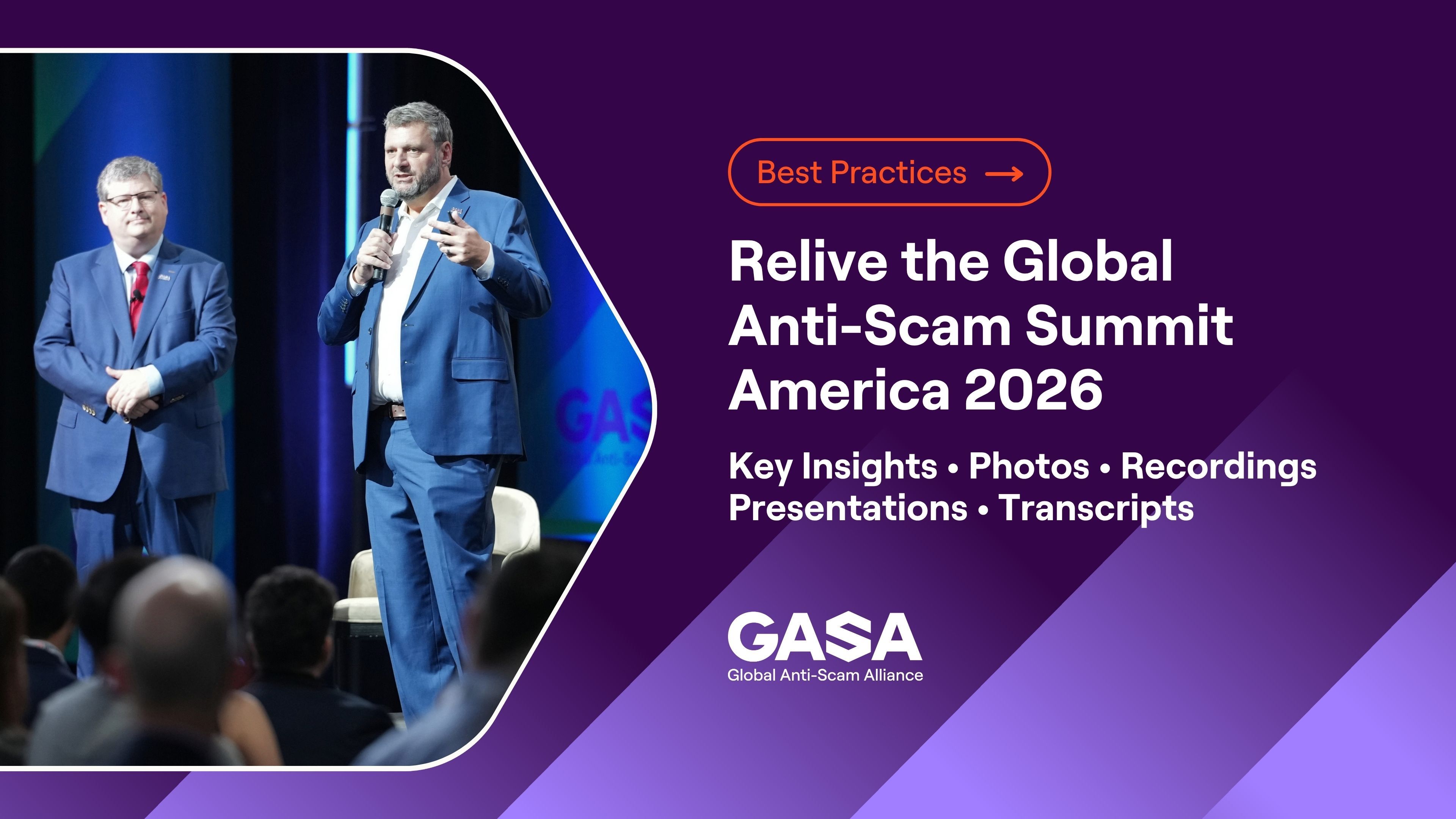
Global Anti-Scam Summit America 2026: Highlights, Insights and Resources
Explore GASS America 2026 highlights and insights, with the Summit summary, photos, presentation slides, transcripts and session recordings from San Francisco.
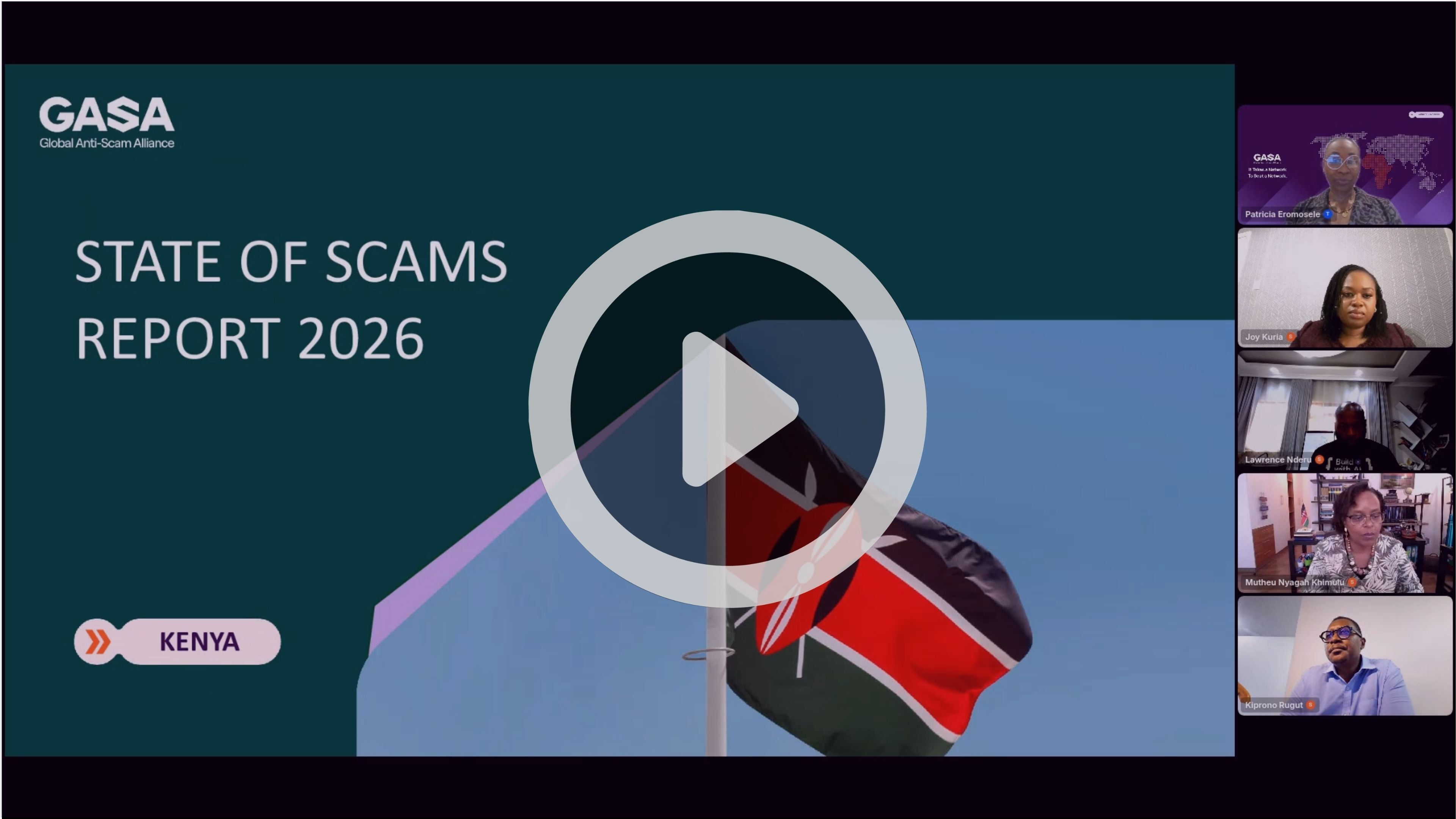
State of Scams in Kenya 2026: A Comparative Review Across Africa
Kenyan experts examine scam trends, data sharing, digital trust and the need for stronger cross-sector prevention.
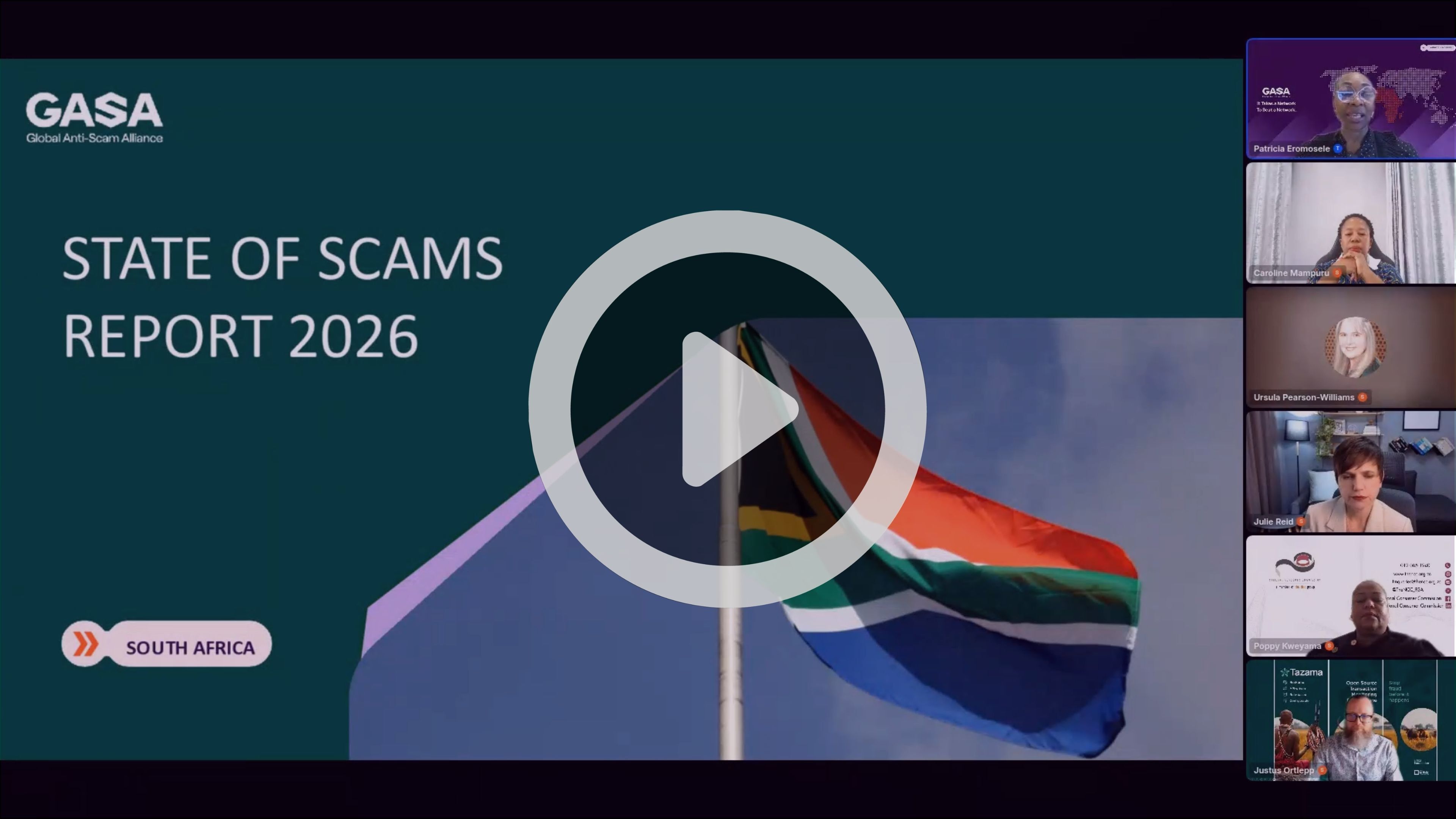
State of Scams in South Africa 2026: A Comparative Review Across Africa
South African experts examine scam trends, AI, consumer protection and the need for stronger cross-sector collaboration.
-3.jpg)
More than one in five adults in Japan encountered scams in the past year
New State of Scams Japan 2026 report examines how scams are reaching consumers and where stronger prevention and collaboration can make a difference
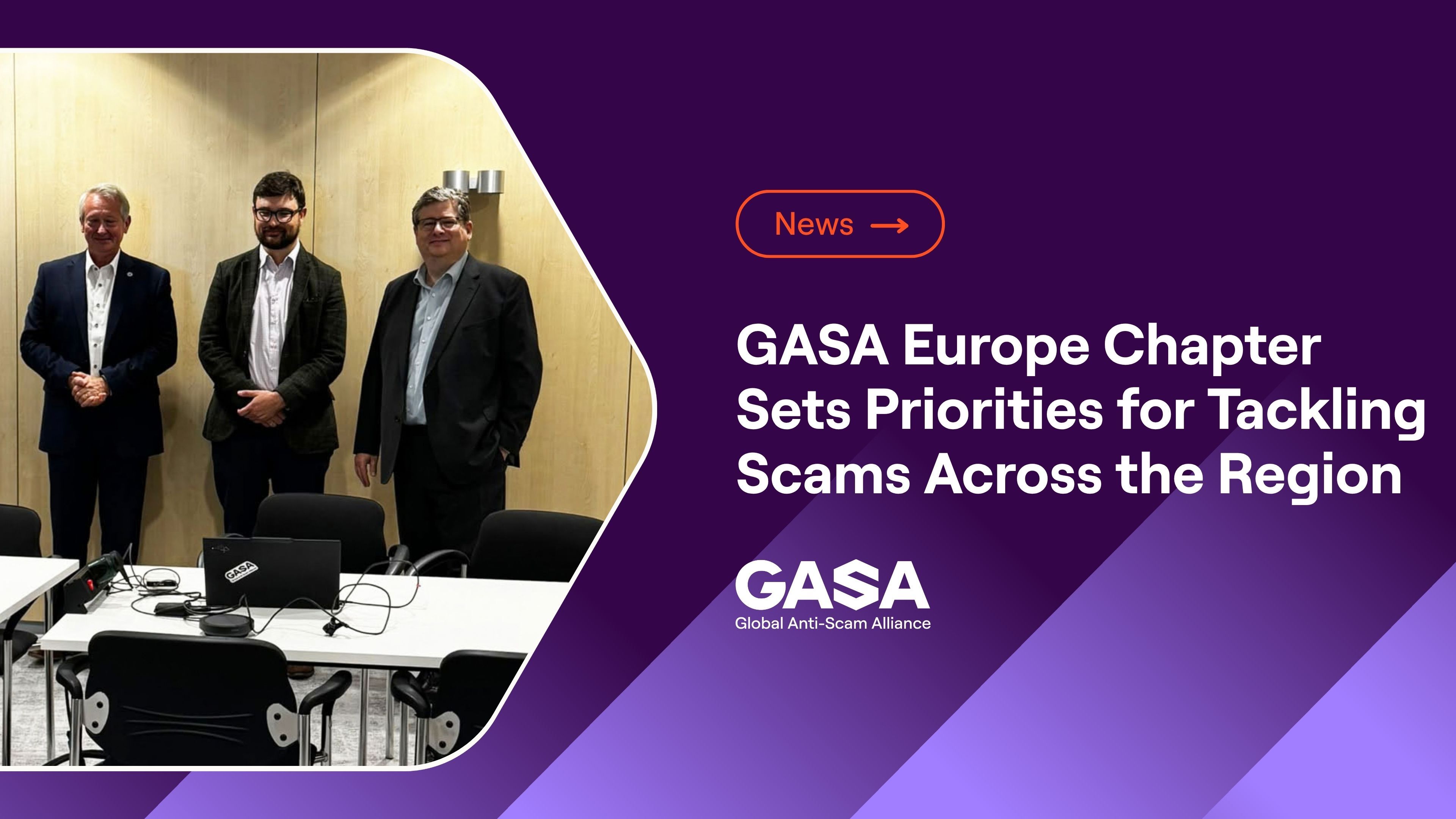
GASA Brings Stakeholders Together in Brussels for First Europe Chapter Meeting
GASA Europe brings 50+ stakeholders together in Brussels to discuss scam trends, data sharing and cross-sector priorities.