

Date of Event: 23 July 2026
Event: GASA Africa Webinar
Fraudsters increasingly target seniors and vulnerable communities through romance scams, bank impersonation, fake investments, online shopping fraud and family emergency schemes. While technology helps criminals reach potential victims at scale, the discussion highlighted that scams ultimately exploit human vulnerabilities such as trust, loneliness, financial pressure and fear.
Hosted by the GASA Africa Chapter, this webinar brought together experts from financial services, internet safety and policy to examine how these scams operate, the warning signs families and communities should recognise and the measures organisations can take to intervene before money is lost.
Speakers
-
Roshan Jelal, Head of Fraud Risk – FNB South Africa
-
Emmanuel Adinkrah, President and CISO – Global Internet Safety Foundation
-
Andrei Skorobogatov, Director of Policy – Global Anti-Scam Alliance
-
Patricia Eromosele, Director – GASA Africa Chapter (Moderator)
Roshan Jelal explained that fraud is increasingly driven by industrialised criminal ecosystems operating across countries, platforms and payment systems. Seniors may be targeted because they have accumulated savings, are more likely to respond to calls and messages or may be less familiar with evolving digital threats. Vulnerable communities can also be drawn into fraudulent investment and income schemes during periods of financial pressure.
The discussion identified several warning signs, including unexpected urgency, requests to transfer money or download software, secrecy surrounding a new online relationship and calls from people claiming to represent a bank or another trusted authority. Families were encouraged to approach potential victims without judgement, create a shared safe word to verify genuine emergency requests and give people time to pause before making payments.
Speakers also emphasised that awareness initiatives must reach people through the channels they already use. In many African communities, this means combining digital campaigns with radio, community centres, marketplaces, churches and mosques. Messages should be delivered in locally relevant languages and reflect the cultural circumstances in which scams occur.
Financial institutions, technology companies and telecommunications providers also have an important role. Safety should be incorporated into banking and payment services from the design stage, supported by behavioural analysis, real-time warnings, additional checks for unusual transactions and simple reporting channels. Faster intelligence sharing between banks, platforms, telecommunications providers, regulators and law enforcement can help stop payments, preserve funds and disrupt the infrastructure supporting scams.
The webinar reinforced that protecting vulnerable people requires more than expecting individuals to recognise every new tactic. Effective prevention depends on inclusive technology, accessible education, early intervention, compassionate victim support and coordinated action across the wider anti-scam ecosystem.
Watch the full discussion below to learn how Africa can strengthen protection for seniors and vulnerable communities against fraud.

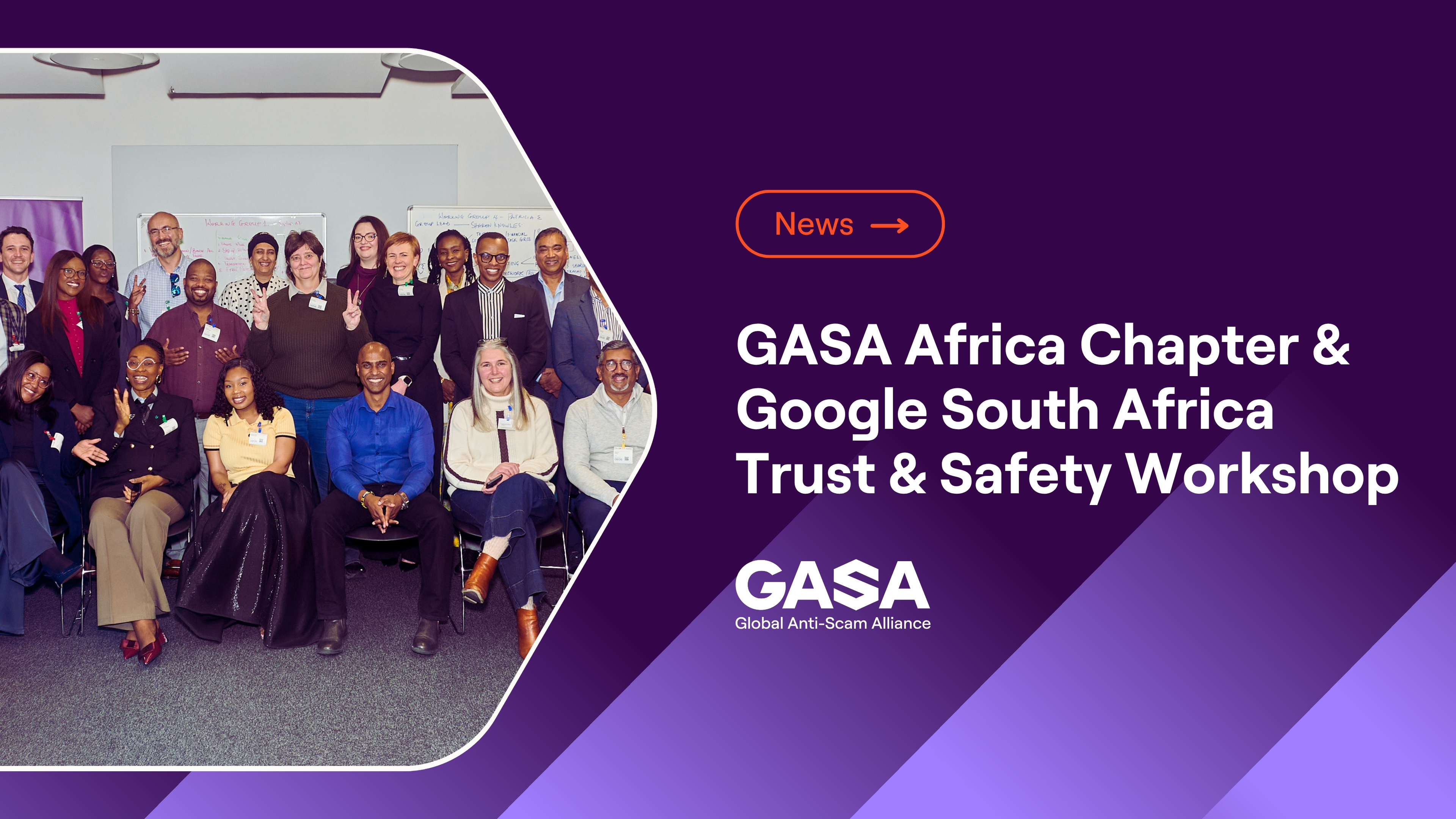
Accra Trust & Safety Workshop Turns Collaboration into Action Against Scams and Fraud in West Africa
GASA Africa Chapter and Google South Africa brought anti-fraud leaders together to strengthen cross-border cooperation and scam prevention.
State of Scams in Nigeria 2026: A Comparative Review Across Africa
Nigerian experts examine scam trends, technology, consumer protection and the need for stronger cross-sector collaboration.
State of Scams in Kenya 2026: A Comparative Review Across Africa
Kenyan experts examine scam trends, data sharing, digital trust and the need for stronger cross-sector prevention.
State of Scams in South Africa 2026: A Comparative Review Across Africa
South African experts examine scam trends, AI, consumer protection and the need for stronger cross-sector collaboration.
GASA and Google Trust & Safety Workshop Sets Priorities for Anti-Scam Cooperation Across Africa
GASA Africa Chapter and Google South Africa brought anti-fraud leaders together to strengthen cross-border cooperation and scam prevention.
What Uganda’s IVR Trial Shows About Practice-Based Scam Prevention
A Uganda IVR trial shows how practice-based fraud prevention helped mobile money users reduce losses and increase reporting.

Protecting Seniors and Vulnerable Communities from Fraud
Experts from financial services, internet safety and policy explore how families, banks and communities can better protect vulnerable groups from fraud.
Beyond Compliance: Why Organisational Accountability is Critical for Consumer Protection
How the NDPC-Meta initiative could strengthen data protection, organisational accountability, scam prevention and consumer trust across Nigeria’s digital economy.