

Sextortion—where perpetrators threaten to release intimate or embarrassing content unless victims pay a ransom—has become a growing threat, particularly among teenagers. Scammers often target teens on social media platforms such as Snapchat or Instagram by posing as young, attractive individuals to gain their trust. They build a rapport through friendly and flirtatious messages, eventually convincing the teen to send explicit photos or videos. Once the scammer has these images, they turn to blackmail, threatening to share the content with the teen’s friends, family, or school unless their demands—often for money or more explicit material—are met. This manipulative scheme preys on trust and fear, leaving teens vulnerable to exploitation.
According to the Internet Watch Foundation, there was a 19% increase in child sexual abuse reports related to sexual extortion in the first half of 2024 compared to the same period in 2023. Additionally, the National Center for Missing & Exploited Children (NCMEC) reported over 12,600 sextortion cases involving minors between January 2022 and December 2023, with at least 20 linked to suicides .
This rise in teen-targeted sextortion schemes has led to a closer examination of the financial mechanisms that enable such crimes. This article delves into the various payment methods that teens use to pay off extortion demands, as detailed in the report Teen Sextortion Victim Payments by Alison Jimenez of Dynamic Securities Analytics , and highlights key findings from multiple studies on the financial systems behind sextortion.
The Financial Mechanisms Behind Teen Sextortion
The process of financially motivated sextortion follows a clear sequence, where the victim is coerced into paying a ransom to prevent the release of compromising material. Once the victim is manipulated or coerced into sending money, the extortionists use various platforms to collect payments, many of which are accessible to teens due to their ease of use. These payment platforms often lack robust consumer protections.
As Alison Jimenez states, “But for the ability to monetize sextortion of children, both the amount of explicit imagery and the number of children exploited would be lower.” This highlights the core issue—financial incentives, combined with the relative ease with which perpetrators can target minors and escape.
Payment Methods Used by Victims
Teens have limited access to traditional financial products, and as a result, they often rely on alternative methods to facilitate payments. Gift cards , peer-to-peer (P2P) apps , and family-linked accounts play a major role in enabling sextortion payments. Below are the various methods frequently mentioned in victim reports:
P2P Apps (Cash App, Venmo, Zelle, Apple Pay)
Peer-to-peer apps are among the most commonly used platforms by sextortion victims, largely due to their accessibility and convenience. These apps allow users to send money directly from one person to another, making them an attractive option for both teens and scammers.
Cash App : As highlighted in the report, Cash App is one of the most frequently referenced platforms for sextortion payments. The platform allows teens aged 13 to 17 to use the app through a "sponsored" account, where parents or guardians can monitor transactions. However, despite these safeguards, scammers have exploited this feature, making Cash App a popular choice for sextortion.
Venmo : Introduced with Venmo Teen Accounts in May 2023, this app enables teens to send and receive money from friends and family. However, Alison Jimenez points out that Venmo lacks robust controls to restrict transactions solely to known contacts, which can be exploited by perpetrators.
Zelle : Zelle, integrated into banking apps, allows teens with parental joint accounts to send payments directly from their bank accounts. Unlike other platforms, Zelle transfers funds directly between bank accounts. Jimenez's analysis highlights that some teens have been coerced into sending payments via Zelle, particularly when scammers use the app’s anonymity to their advantage.
Apple Pay : While primarily known for purchasing goods and services, Apple Pay has also been used by some sextortion victims. Similar to the other platforms, Apple Pay’s integration into the financial ecosystem makes it a target for scammers, who use its functionalities to facilitate illicit transactions.
Gift Cards
Gift cards remain one of the most widely used payment methods in sextortion cases. Jimenez's research explains that perpetrators often request specific gift cards, such as iTunes , Google Play , or Amazon , and Steam cards, and instruct victims to send the card codes and PINs directly. This method offers a degree of anonymity for both the victim and the perpetrator, which makes it an ideal tool for scammers.
Teens, who may not have access to more traditional forms of payment, often turn to gift cards as a way to pay off extortion demands. They are readily available in stores, making it easy for victims to access them without their parents' knowledge. The rising use of gift cards in sextortion cases highlights the need for better monitoring and safeguards, as teens are often unaware of the risks involved in such transactions.
Cryptocurrency
While less common, cryptocurrency has started to play a role in teen sextortion schemes. Scammers have begun directing victims to send ransom payments via cryptocurrency, which can be difficult to trace due to its decentralized nature. Some U.S. cryptocurrency exchanges, such as Cash App, allow teen accounts to make crypto transactions, but these transactions may still be indirectly linked to adult sponsors.
The use of cryptocurrency introduces a new level of complexity to the sextortion scheme, as perpetrators can easily launder the funds through multiple transactions. Jimenez emphasizes that although cryptocurrency is less frequently used for victim payments than other payment methods, it is a preferred option, particularly for international schemes. Some crypto exchanges and platforms offer limited access to minors or do not have robust KYC programs, making it easier for perpetrators to exploit these services.
Insights from Key Studies
Thorn Study
A study by Thorn in partnership with NCMEC analyzed reports of sextortion and found Cash App to be the most frequently mentioned payment method for sextortion victims between November 2021 and August 2023. Gift cards (25.6%) and Venmo (9.4%) were also frequently referenced, demonstrating the variety of methods used to pay perpetrators.
C3P Study
The Canadian Centre for Child Protection (C3P) conducted an analysis of victim posts on Reddit's r/sextortion forum, revealing that PayPal was the most commonly mentioned payment processor. While this study primarily focused on adult victims, 40% of those victims were under 18, showing that minors are also heavily targeted in online sextortion schemes.
A Growing Concern
The scale of the problem is alarming. In some cases, perpetrators have extorted millions of dollars from thousands of victims using platforms like Cash App and Venmo. The widespread adoption of these payment methods among teens, coupled with the lack of robust consumer protection in these platforms, exacerbates the risk. While these platforms are convenient and accessible, they also lack the necessary safeguards to protect minors from exploitation.
For example, most peer-to-peer (P2P) platforms and payment apps used by teens, such as Cash App and Venmo, do not offer strong, default controls to prevent transactions with strangers or unknown contacts. In many cases, teens are also given the ability to bypass parental controls or oversight, enabling scammers to manipulate these features to their advantage. Furthermore, these platforms often classify fraudulently induced transactions as "authorized," leaving victims with limited options for recourse or reimbursement. Unlike traditional credit card systems, which offer fraud protection under laws like the Fair Credit Billing Act, P2P services leave minors vulnerable to losing money without the option of disputing charges or recovering funds.
As a result, the absence of consumer protections on these platforms leaves young victims at greater risk of financial harm. In addition to the emotional toll of the abuse, teens and their families are left to navigate a financial system that provides little protection for scam-induced transactions. This lack of protection not only encourages the perpetrators but also undermines trust in the financial services that many rely on.
As Alison Jimenez states, “Financial apps offering products or accounts to teens should incorporate safety by design into default settings and parental controls to counter financially motivated sextortion and other scams targeting children.” Given that these platforms are increasingly used by young people, the urgent need for better safeguards and more robust consumer protection policies cannot be overstated.
Conclusion
The financial mechanisms behind teen sextortion are multifaceted, and with the rise of digital payment platforms, the risk to young people is growing. As sextortionists increasingly use P2P apps, gift cards, and cryptocurrency to collect payments, it’s crucial for parents and guardians to stay informed about the financial products and services their children have access to. Dynamic Securities Analytics' deep dive into this issue offers critical insights into the ways scammers exploit financial systems to victimize teens.
At the Global Anti-Scam Summit (GASS) Americas 2024 , Alison Jimenez, President of Dynamic Securities Analytics, shared invaluable insights into the mechanisms of financially motivated sextortion of minors as part of a panel discussion on sextortion.
Moving forward, industry players and regulatory authorities must work together to create a safer financial ecosystem for minors. This requires payment platforms to enhance safeguards and consumer protections, while regulators need to prioritize the risks posed by these financial systems to ensure that young people are better protected from exploitation.
About the Author
James Greening , operating under a pseudonym, brings a wealth of experience to his role. Formerly the sole driving force behind Fake Website Buster, James leverages his expertise to raise awareness about online scams. He currently serves as a Content Marketing & Design Specialist for the Global Anti-Scam Alliance (GASA).
James’s mission aligns with GASA’s mission to protect consumers worldwide from scams. He is committed to empowering professionals with the insights and tools necessary to detect and mitigate online scams, ensuring the security and integrity of their operations and digital ecosystems.

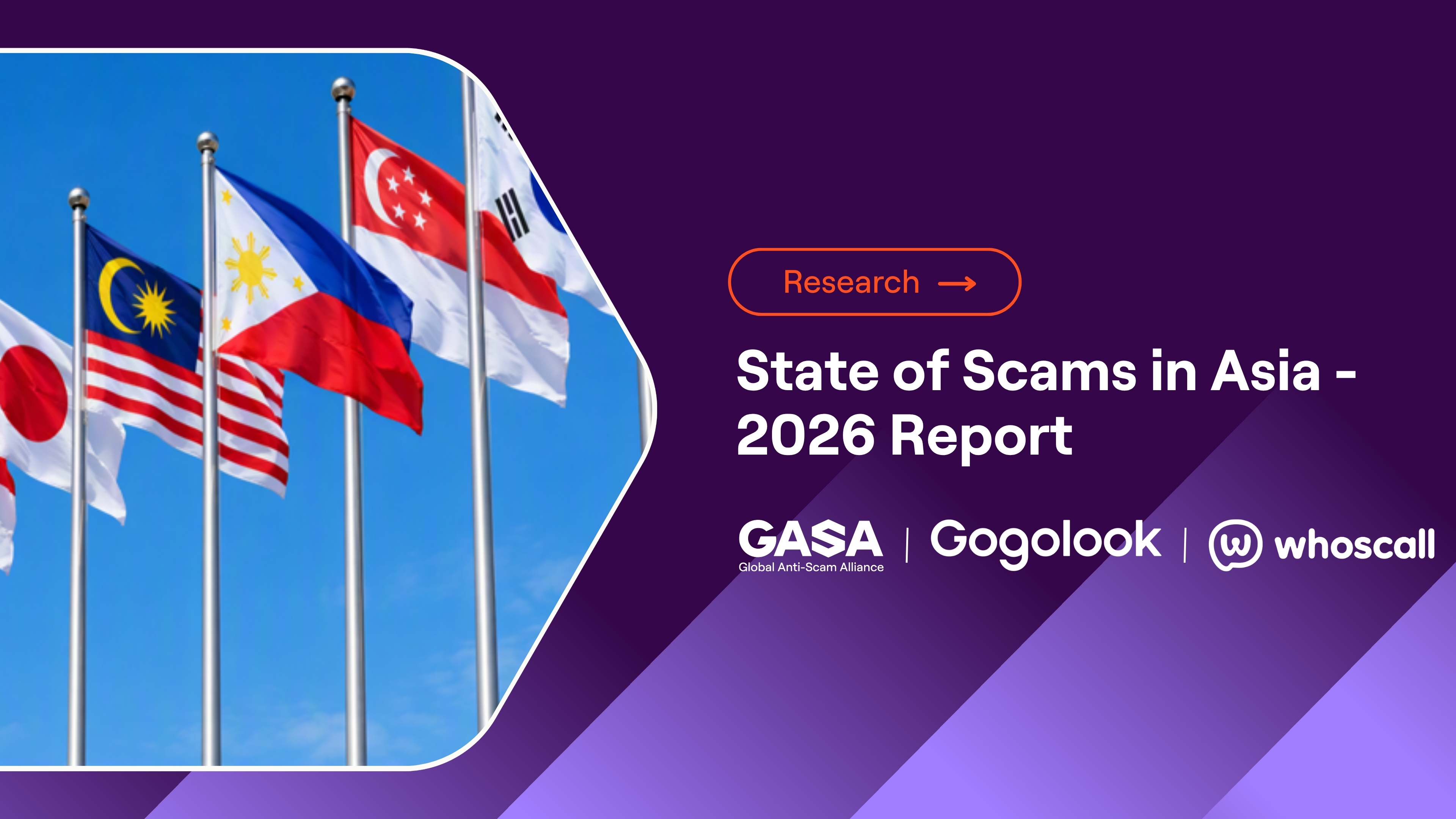
71% of Adults Surveyed Across 13 Asian Markets Encountered Scams, with Estimated Losses of US$136.5 Billion
This study of 17,460 adults across 13 Asian markets shows that scam exposure is widespread, with 71% of participants encountering a scam in the past year. While 66% say they are confident in recognizing scams, 62% of those exposed went on to interact with a scammer. Ultimately, 9% lost money or personal information that led to financial loss, while only 4% reported a scam to the authorities. The findings highlight a significant gap between perceived scam awareness and real-world resilience.
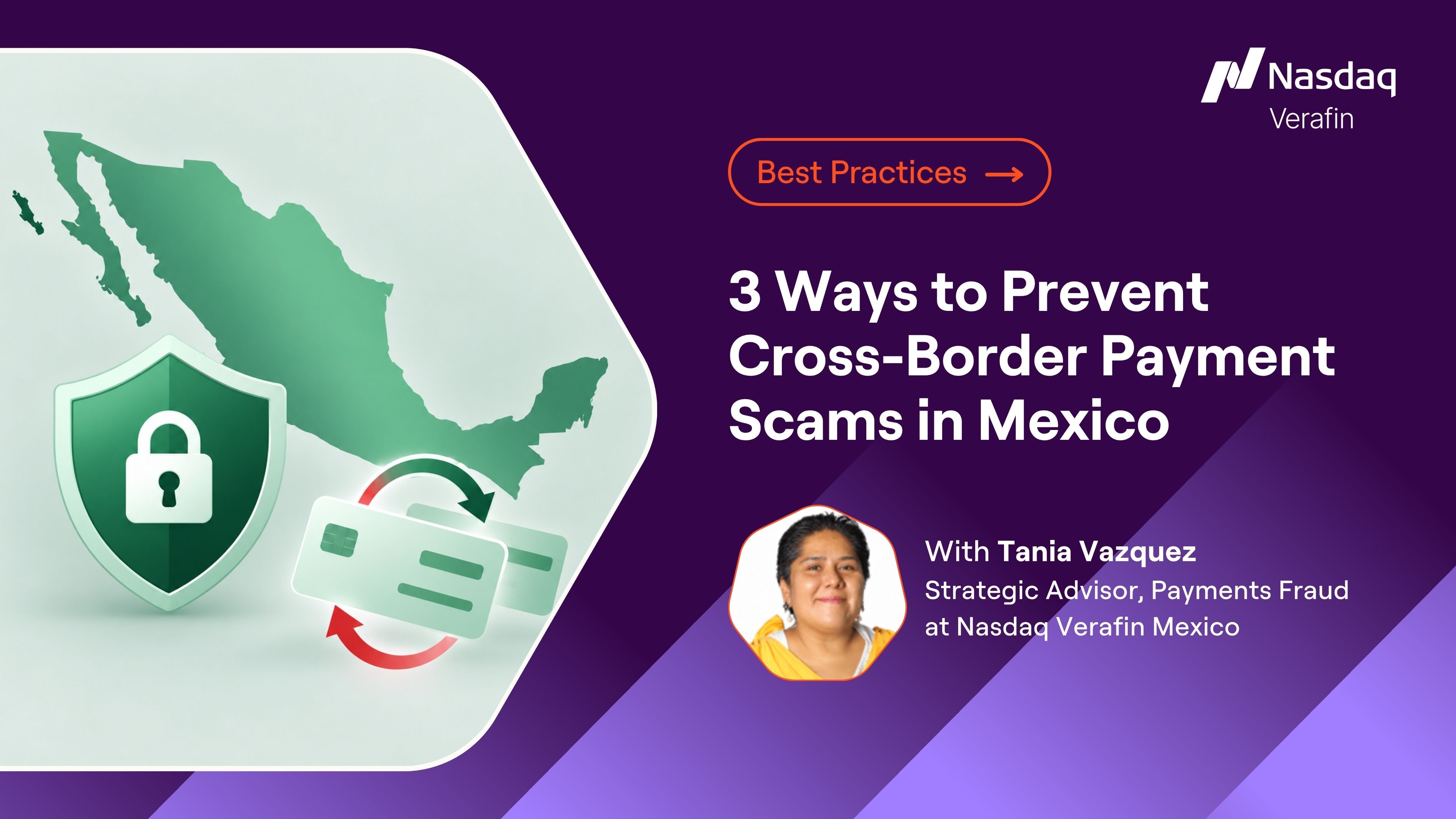
3 Ways to Prevent Cross-Border Payment Scams in Mexico
Learn three ways financial institutions can prevent cross-border payment scams in Mexico through intelligence sharing, payee transparency and real-time analysis.

Accra Trust & Safety Workshop Turns Collaboration into Action Against Scams and Fraud in West Africa
GASA Africa Chapter and Google South Africa brought anti-fraud leaders together to strengthen cross-border cooperation and scam prevention.
State of Scams in Nigeria 2026: A Comparative Review Across Africa
Nigerian experts examine scam trends, technology, consumer protection and the need for stronger cross-sector collaboration.
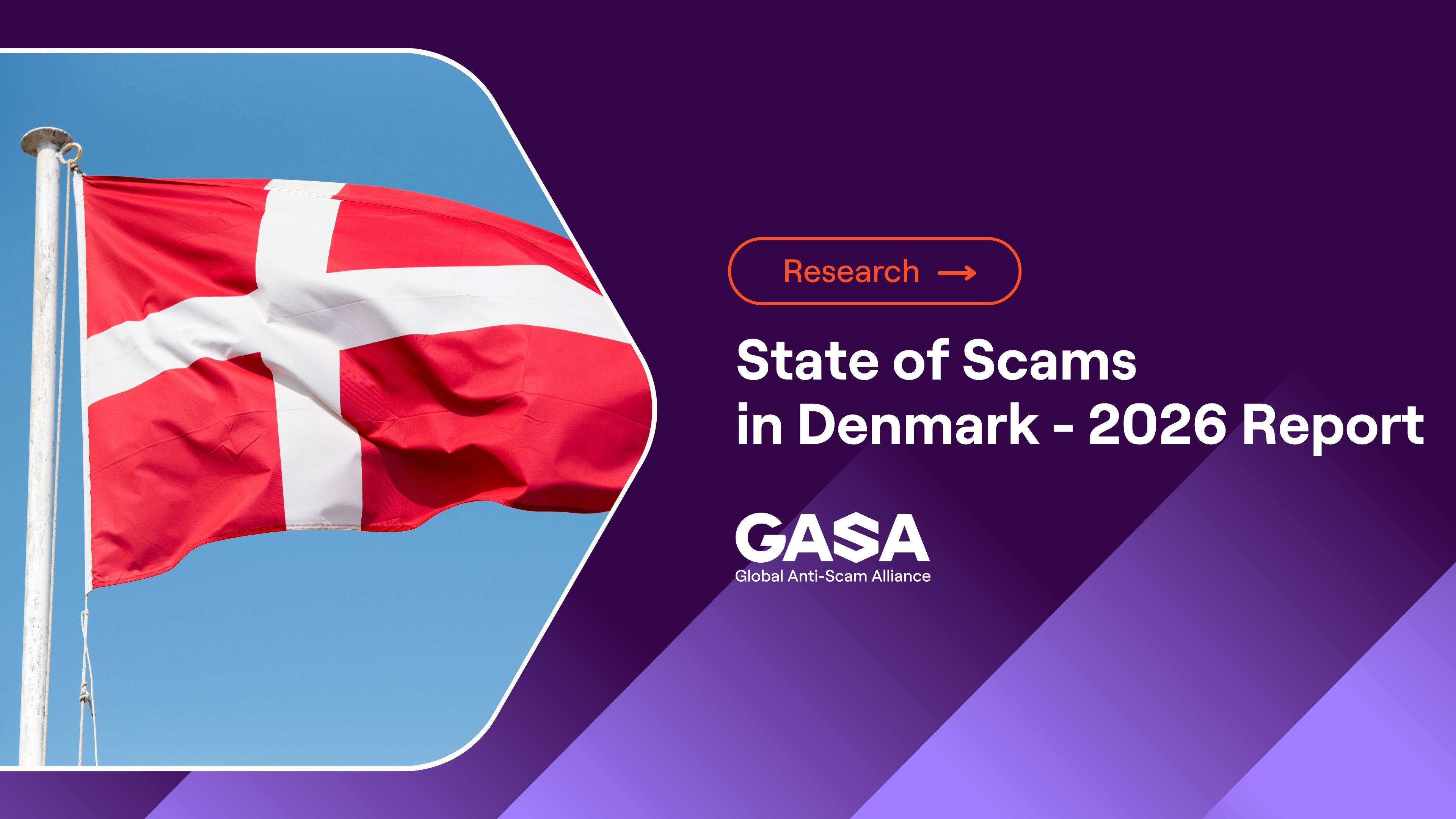
Nearly three in four Danish adults encountered scams as estimated losses reach DKK 10.1 billion
New State of Scams Denmark 2026 report finds scam exposure is rising, while victims face repeated financial and emotional harm.
Building a More Trusted Digital Philippines: New Report Underscores the Need for Collective Action as Scam Exposure Continues to Rise
GASA’s State of Scams in the Philippines 2026 Report, in collaboration with Mastercard and Gogolook, highlights the growing scale of the scam challenge in the Philippines.
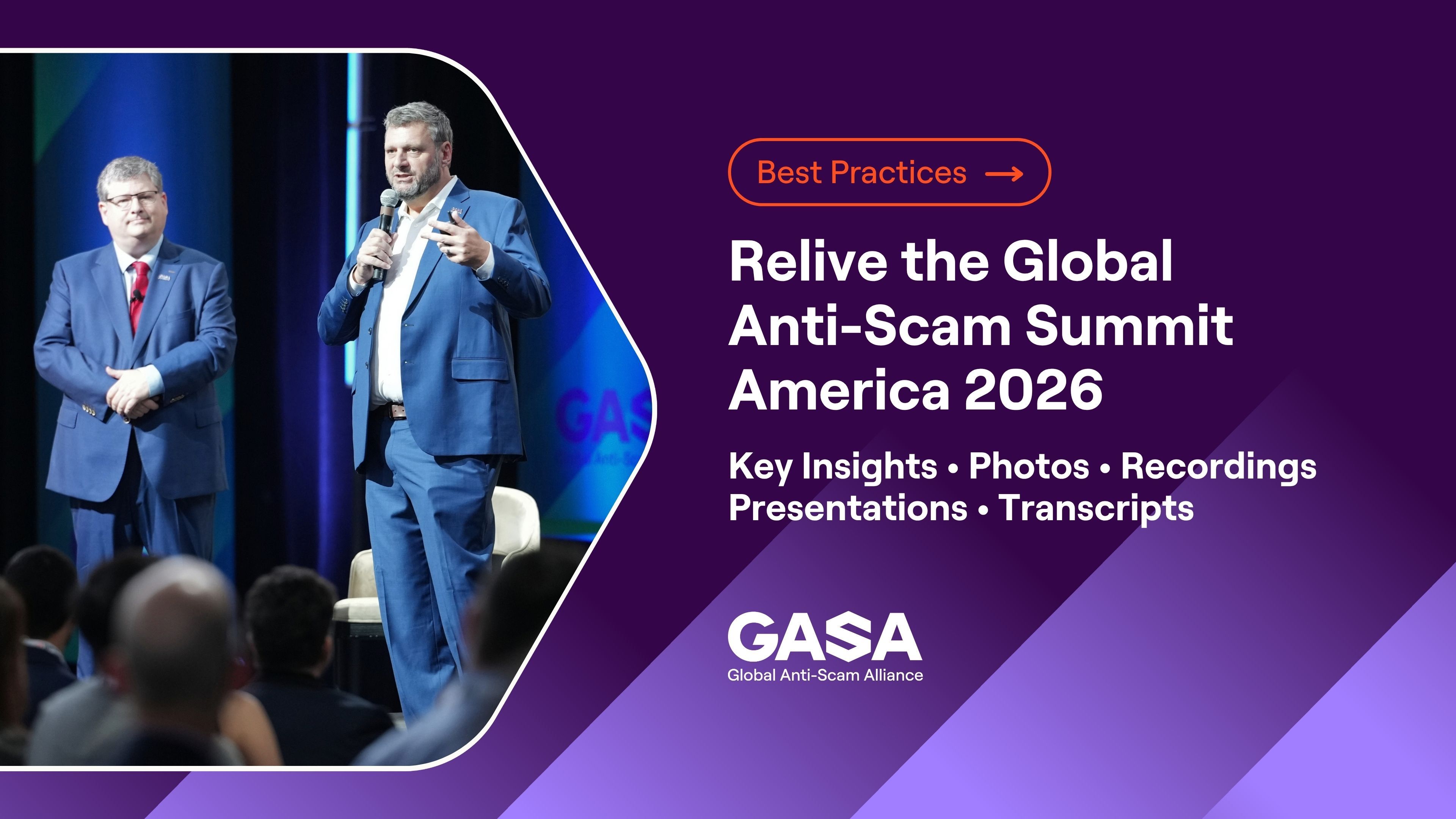
Global Anti-Scam Summit America 2026: Highlights, Insights and Resources
Explore GASS America 2026 highlights and insights, with the Summit summary, photos, presentation slides, transcripts and session recordings from San Francisco.
State of Scams in Kenya 2026: A Comparative Review Across Africa
Kenyan experts examine scam trends, data sharing, digital trust and the need for stronger cross-sector prevention.