
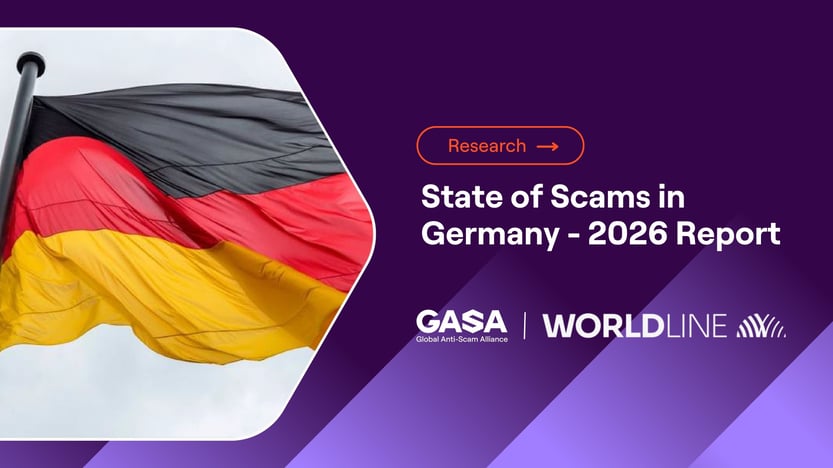
 THE HAGUE, NL / The Global Anti-Scam Alliance (GASA), in collaboration with Worldline, has released the State of Scams Germany 2026 Report, revealing that scam exposure continues to grow across Germany, with 66% of adults encountering a scam in the past year.
Based on a survey of 2,550 German adults, the report highlights how scam attempts have become a routine part of everyday life. On average, Germans reported experiencing approximately 130 scam attempts per year, demonstrating the scale and persistence of the threat.
"Scammers are adapting faster than many traditional defenses can keep up. The State of Scams Germany 2026 report highlights a clear warning sign: people are encountering more scams, engaging with them more frequently, and suffering significant financial and emotional consequences. The fight against scams cannot be won by any single organization. It requires a collective effort across the public and private sectors to strengthen detection, improve reporting mechanisms, and protect consumers before harm occurs." - Andrei Skorobogatov, Policy Director, Global Anti-Scam Alliance.
Despite rising exposure, 57% of German adults say they are confident they can recognize a scam. However, confidence does not always translate into protection. Among those who encountered a scam, 26% interacted with the scammer, and 7% ultimately lost money or personal data that led to financial loss.
"What stands out in the German data is how evenly losses fall across bank transfers, cards and cash, leaving no single channel to defend on its own. From the 16 billion transactions we handle each year in Europe across card issuing, acquiring and A2A, we see the same rail agnostic scam scripts move from one country to the next, and expert fraud teams are often first to connect those dots."- João Rijo Courinha, Global Product Manager for Fraud Management, Worldline
Scams are also affecting younger generations. 16% of parents report that their child has experienced a scam, highlighting the growing reach of fraud beyond adult populations.
The report shows that several scam categories are driving significant engagement. Shopping scams (14%), identity theft scams (14%), and unexpected money scams (14%) were among the most commonly reported scam types that consumers interacted with.
While only 7% of respondents reported losing money, the financial impact remains substantial. Victims reported an average loss of €2,619, contributing to an estimated €12 billion in annual losses across Germany. Most victims lost money via traditional bank transfers (28%) and debit or credit cards (27%), with cash accounting for a notable 18% — higher than the European average — underlining ongoing vulnerabilities across everyday payment methods.
The consequences extend far beyond financial harm. 70% of scam victims reported that the experience negatively affected their mental wellbeing, with many describing increased anxiety, reduced confidence, and greater distrust of digital platforms and online interactions.
Repeat victimization also remains a significant concern. Among those who were scammed, 56% reported experiencing more than one scam-related loss within the same year, demonstrating how fraud can become a recurring cycle for vulnerable consumers.
Reporting rates remain relatively low. Only 3% of all respondents reported a scam to authorities, although this rises to 41% among those who lost money. Among victims who reported their losses, 39% said they received reimbursement from the organization to which they reported the incident.
“Germany's payment landscape is diverse, and so are the scam tactics targeting consumers. Prevention can no longer sit only at the moment of payment — it must begin on the device and operate invisibly and frictionlessly for genuine customers. The challenge for the industry is to evolve fraud defense at the same speed scammers evolve their tactics, combining real-time intelligence, AI and human expertise to keep consumer trust intact.”- Dr. Samuel Goebert, Business & Solution Lead, DACH region, Worldline
The findings also reveal a clear shift in consumer expectations: nearly two in five Germans believe that banks (38%), credit card companies (38%), and payment service providers (34%) should always be responsible for reimbursing scam victims — placing the payments ecosystem at the heart of consumer protection expectations.
Overall, the data highlights the growing challenge of protecting consumers in an increasingly digital world. While scam awareness remains relatively high, fraudsters continue to evolve their methods faster than traditional prevention measures. GASA and Worldline call for stronger collaboration across sectors, improved reporting pathways, and more proactive consumer protection measures to reduce the impact of scams and strengthen resilience against emerging threats.
The report provides in-depth insights into scam exposure, victim behavior, financial losses, reporting practices, and prevention strategies across Germany.
The full report is available for download upon registration:
About GASA
The Global Anti-Scam Alliance (GASA) is a non-profit organization whose mission is to protect consumers worldwide from scams. We realize our mission by bringing together policy makers, law enforcement, consumer authorities, NGOs, the financial sector, telecom operators, internet platforms and service providers, cybersecurity and commercial organizations to share insights and knowledge surrounding scams. We build networks in order to find and implement meaningful solutions.
About Worldline
Worldline [Euronext: WLN] is Europe's leading operator of critical infrastructure and payment services. With a presence across the entire value chain, the Group offers its customers unique expertise in processing and securing their payments, thereby promoting their growth. Worldline is leveraging its 2030 strategic plan and its technological innovation capabilities to build the European reference payment partner for merchants and financial institutions. With over 1.2 million customers, Worldline achieved €4bn in revenue in 2025.
More information on Worldline Fraud Management: Payment Fraud Management Solutions | Worldline Global | Worldline Global

Scams Continue to Rise in Germany: Two in Three Adults Encountered a Scam in the Past Year
The Global Anti-Scam Alliance (GASA), in collaboration with Worldline, has released the State of Scams Germany 2026 Report.
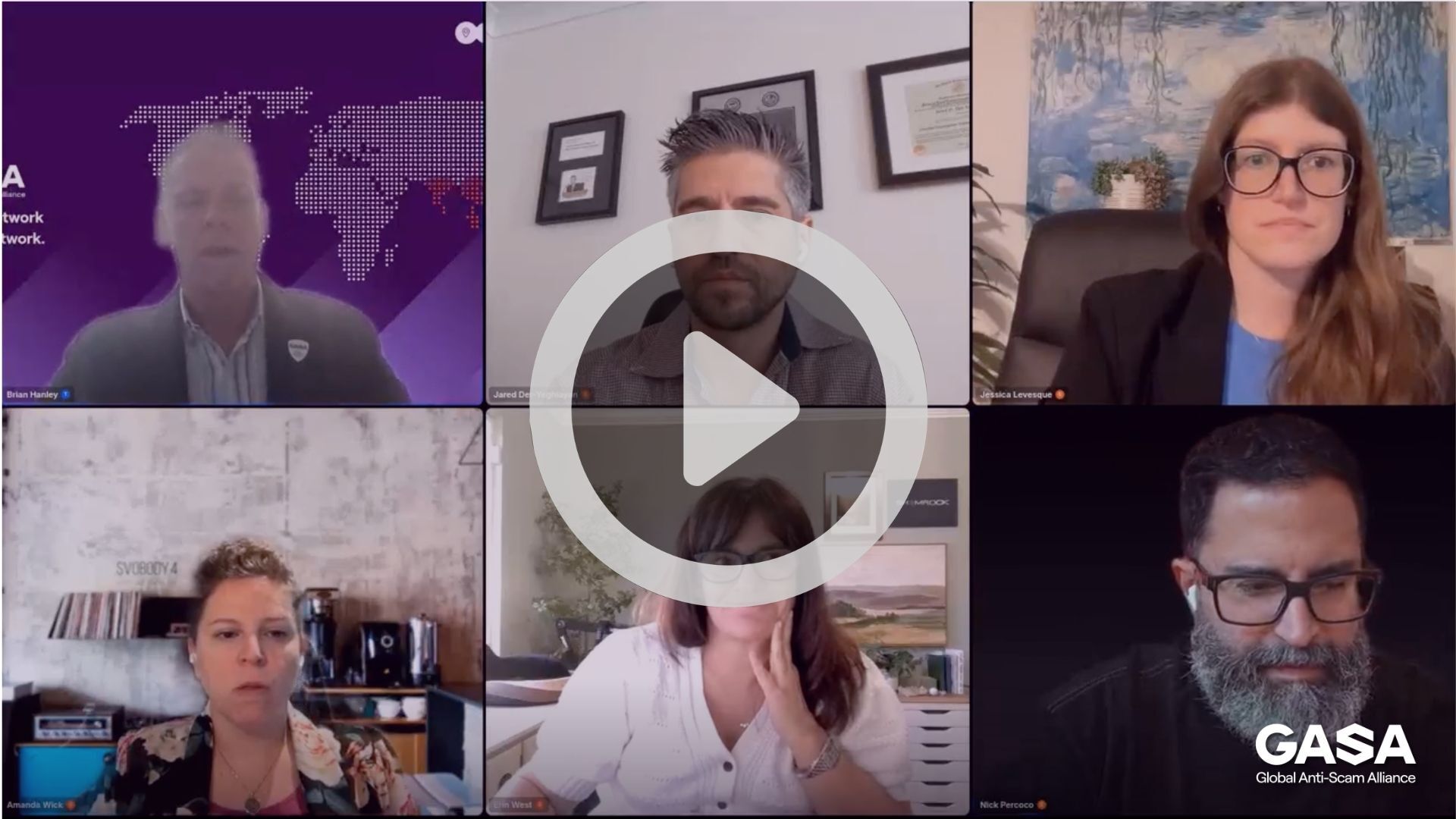
Anatomy of an Investment/Crypto Scam
On 21 May, the Global Anti-Scam Alliance (GASA) hosted a webinar bringing together leading voices from the crypto industry, law enforcement, compliance, and civil society.
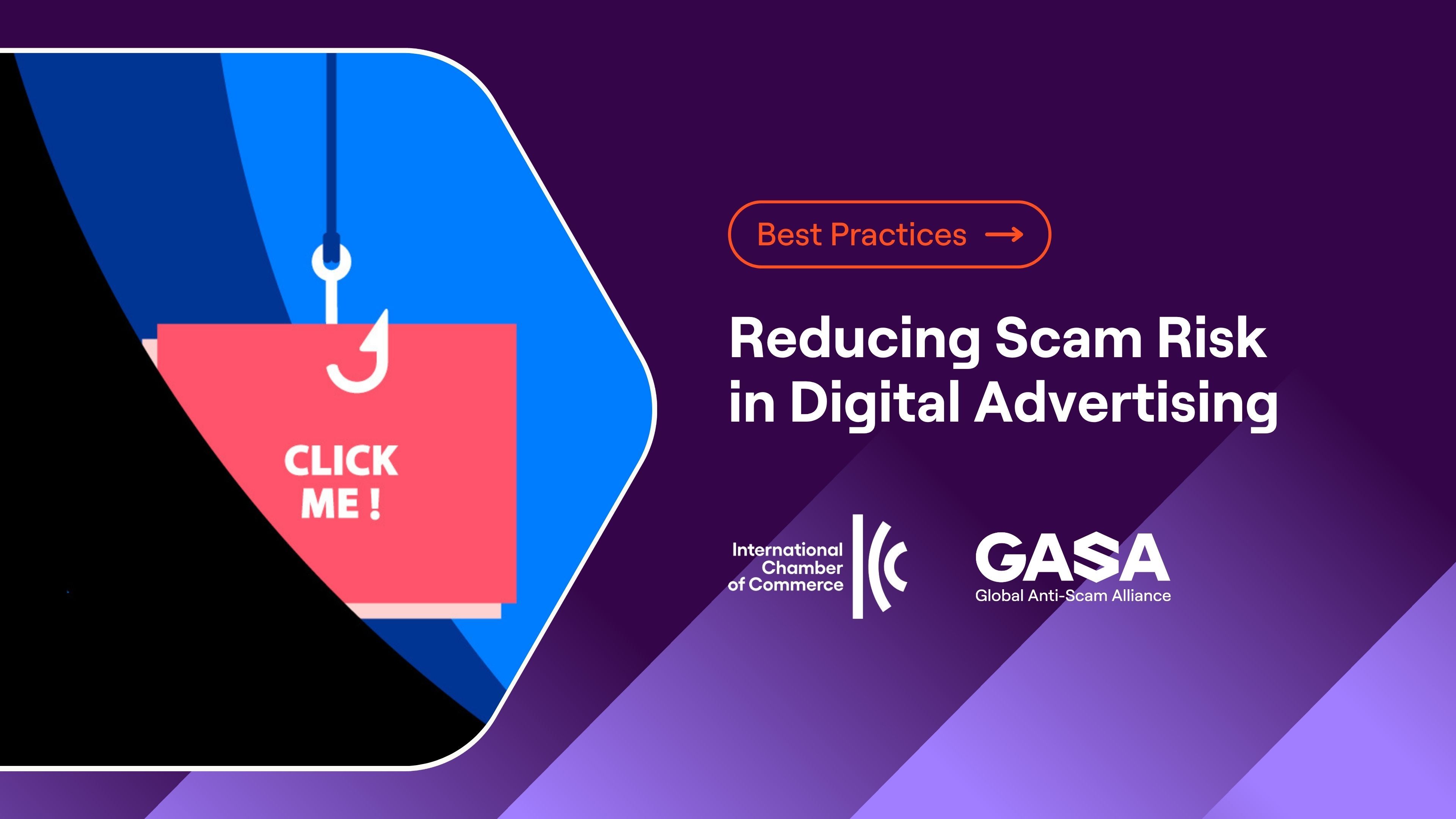
ICC and GASA Publish Best Practices Framework for Combating Scam Advertising
ICC and GASA have published a best practices framework for combating scam advertising, focusing on risk-based verification, transparency, reporting and collaboration.
Scams Surge Across the U.S.: 82% of Adults Targeted as Engagement and Losses Continue to Rise
The Global Anti-Scam Alliance (GASA), in collaboration with Iris® Powered by Generali, has released the State of Scams USA 2026 Report.

Disrupting RedVDS: A Case Study in Taking Down Scam Infrastructure
How Microsoft’s RedVDS takedown shows the value of legal, technical and law enforcement action against cybercrime infrastructure.
Policy Blind Spots in Cyber-Enabled Investment | GASA Africa
GASA Africa Chapter explores cyber risks, investor protection, and policy gaps in digital investment ecosystems.
Meet the Winners – Scam Fighter Awards at the Global Anti-Scam Summit Europe 2026
Meet the winners of the Scam Fighter Awards at the Global Anti-Scam Summit Europe 2026, recognising initiatives advancing scam prevention, research, policy, collaboration and technology.

OKX Joins Global Anti-Scam Alliance as Foundation Member
OKX will join both the GASA Global Advisory Board and the GASA North America Chapter Board.