
Identity Theft Remains Spain's Most Common Scam Type in The State of Scams in Spain 2024 Report
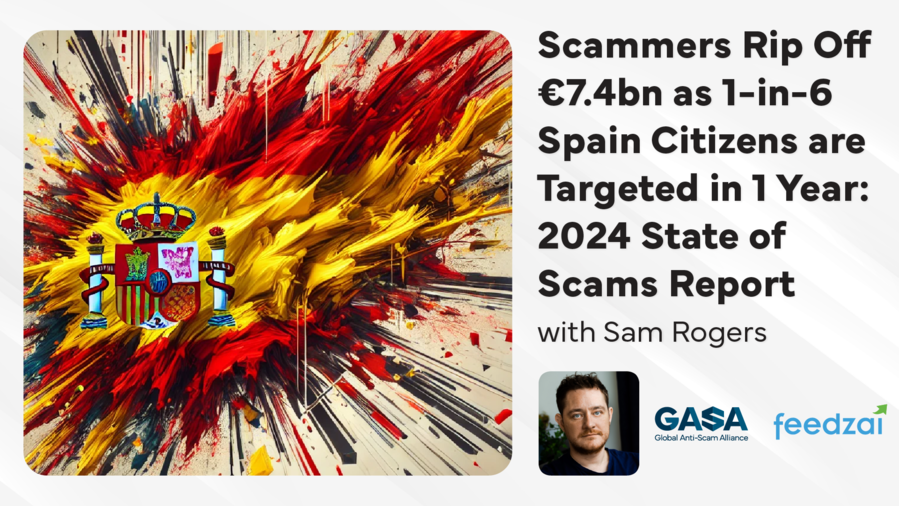
The Global Anti-Scam Alliance (GASA) , in partnership with Feedzai , has released its 2024 State of Scams in Spain report, offering a comprehensive analysis of the rising threats and tactics employed by scammers across Spain. Based on insights from 1,000 Spanish citizens, the findings reveal a troubling picture of increasing financial losses, declining trust in online platforms, and the emotional toll scams have on victims.
The report, available for download in both English and Spanish , highlights the urgent need for stronger public awareness, better reporting mechanisms, and improved collaboration between financial institutions, law enforcement, and technology platforms.
State of Scams in Spain 2024 Key Findings at a Glance
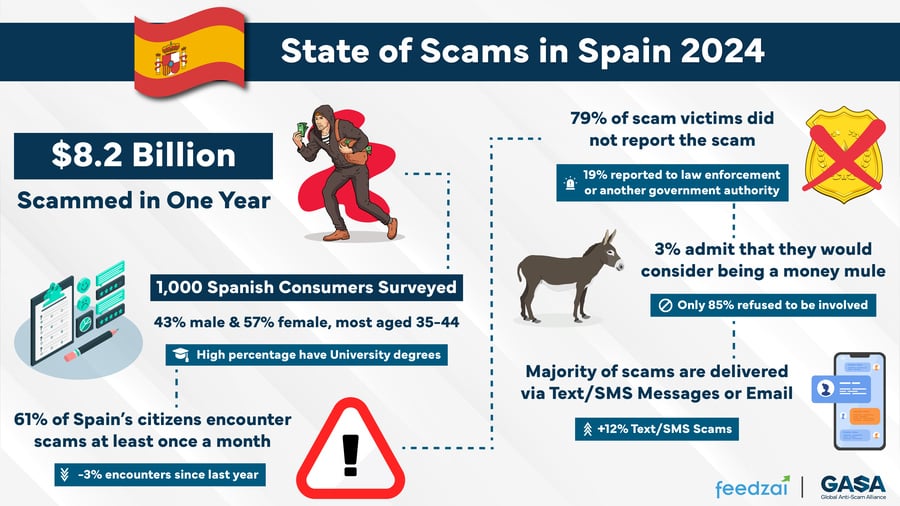
EUR 7.4 Billion (US$8.2 Billion) Lost in 2024 : Equivalent to 0.5% of Spain’s GDP, the financial impact of scams is significant. The average loss per victim is $1,279.
Low Recovery Rates : Only 17% of victims managed to recover their losses, with 57% unable to retrieve any funds at all.
High Scam Prevalence : 61% of respondents encounter scams monthly, and 60% report an increase in scam attempts over the past year.
Declining Trust : 72% of Spaniards report reduced trust in the internet due to scams.
Most Common Scam Types : Identity theft remains the leading type of fraud, with scammers frequently exploiting platforms like WhatsApp, Gmail, Instagram, and Facebook.
Emotional Toll : 62% of victims report a strong emotional impact, though this figure is down 9% from last year, indicating a worrying normalization of scams.
Sophistication of Scammers Enhanced by AI and Urgency Tactics
Fraudsters in Spain are leveraging AI-driven technologies to create convincing scams, such as fake chats, videos, and texts. This year saw a 12% increase in SMS scams , with messages impersonating trusted entities like banks, delivery companies, and government agencies.
The use of urgency tactics is a hallmark of modern scams. Offers such as “Limited-time discounts” or fake prizes push victims to act without thinking. Alarmingly, 56% of scams occur within 24 hours of initial contact , leaving little time for victims to verify authenticity.
Scam Underreporting Prevents Spain from Overcoming A Barrier to Progress
One of the most pressing challenges highlighted in the report is the 79% underreporting rate , with victims choosing not to inform authorities. This figure represents a 22% drop in reporting compared to the previous year. For those who did report scams, banks and the national police were the primary channels.
Dan Holmes , Director of Banking at Feedzai, emphasized the importance of reporting scams:
“Reporting incidents is critical not only for victim support but also for uncovering scam networks and shutting them down. Simplifying and streamlining this process can empower victims to come forward.”
The Rise of Money Mules and Other Emerging Threats
A growing concern in Spain is the increase in money mule activity , where individuals—knowingly or unknowingly—help criminals launder stolen funds. The report reveals that 15% of respondents are willing to consider acting as money mules , with 6% actively agreeing to participate. This trend provides scammers with a dangerous avenue to move funds, complicating recovery efforts.
Fraudulent job offers and home-based work scams are also on the rise, often preying on individuals seeking additional income. Victims are enticed with promises of easy money but end up losing funds or inadvertently participating in scams.
Recommendations for Building a Scam-Free Spain
To address the findings of the report, GASA recommends the following steps:
Strengthen Public Education : Launch nationwide campaigns to raise awareness about scam tactics, including AI-driven schemes and urgency traps.
Simplify Reporting Processes : Create a centralized, user-friendly system for reporting scams to encourage more victims to come forward.
Enhance Recovery Support : Improve mechanisms for victims to recover funds and receive emotional support.
Foster Collaboration : Encourage partnerships between banks, social media platforms, telecom providers, and law enforcement to tackle scams holistically.
Combat Money Mule Activity : Educate the public about the risks and legal consequences of becoming money mules.
Scams Are a Systemic Threat—But Collaboration Can Turn the Tide
The 2024 State of Scams in Spain report underscores that scams are more than individual crimes—they are attacks on trust, security, and the economy as a whole. By strengthening collaboration across industries and investing in consumer education, Spain can reduce the prevalence and impact of scams.
Scams should never be normalized as part of modern life. With the right tools, education, and partnerships, we can create a safer, more resilient digital ecosystem for all Spaniards.
Download the full report in English or Spanish to learn more.

Accra Trust & Safety Workshop Turns Collaboration into Action Against Scams and Fraud in West Africa
GASA Africa Chapter and Google South Africa brought anti-fraud leaders together to strengthen cross-border cooperation and scam prevention.
State of Scams in Nigeria 2026: A Comparative Review Across Africa
Nigerian experts examine scam trends, technology, consumer protection and the need for stronger cross-sector collaboration.
Nearly three in four Danish adults encountered scams as estimated losses reach DKK 10.1 billion
New State of Scams Denmark 2026 report finds scam exposure is rising, while victims face repeated financial and emotional harm.
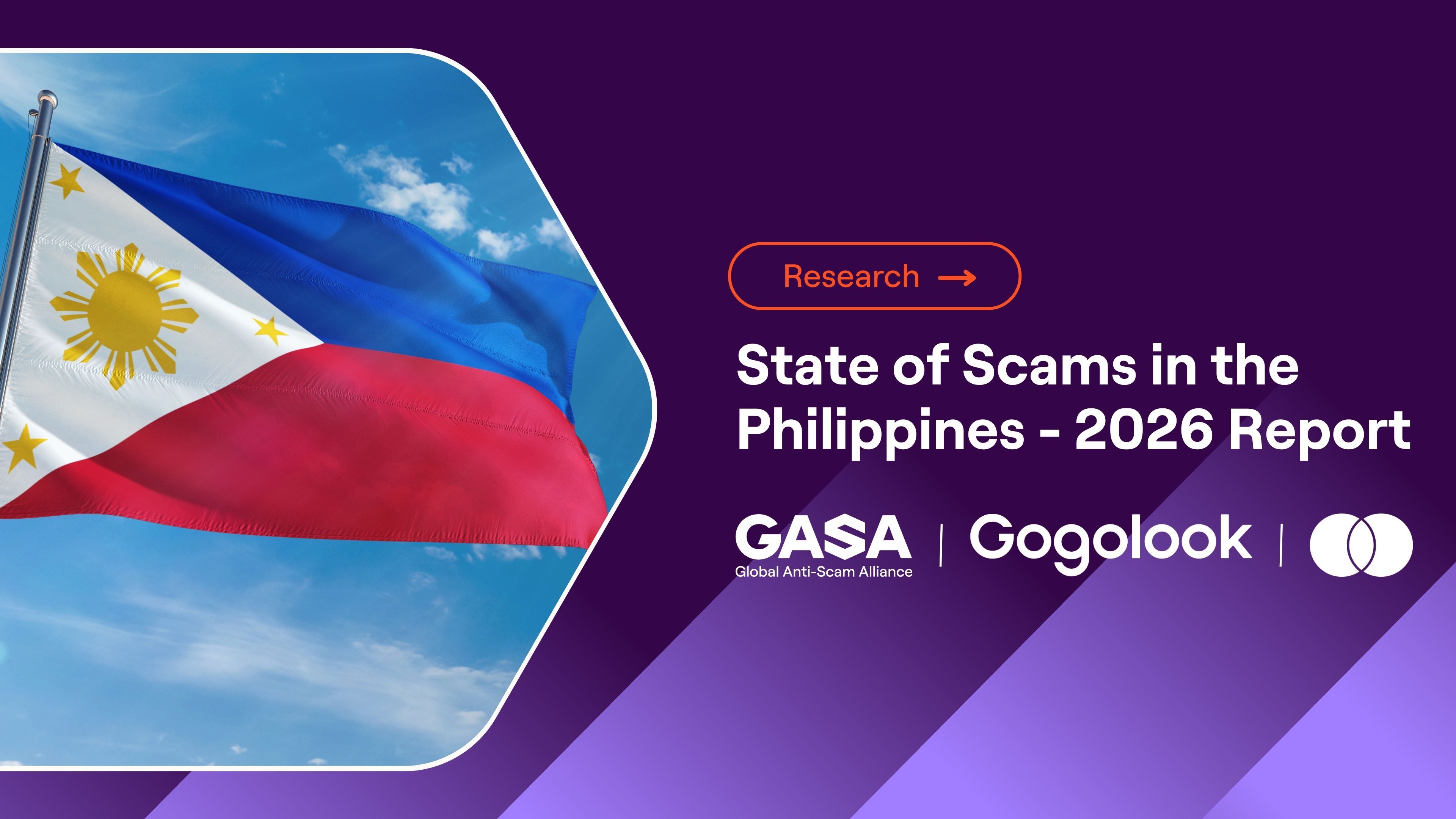
Building a More Trusted Digital Philippines: New Report Underscores the Need for Collective Action as Scam Exposure Continues to Rise
GASA’s State of Scams in the Philippines 2026 Report, in collaboration with Mastercard and Gogolook, highlights the growing scale of the scam challenge in the Philippines.
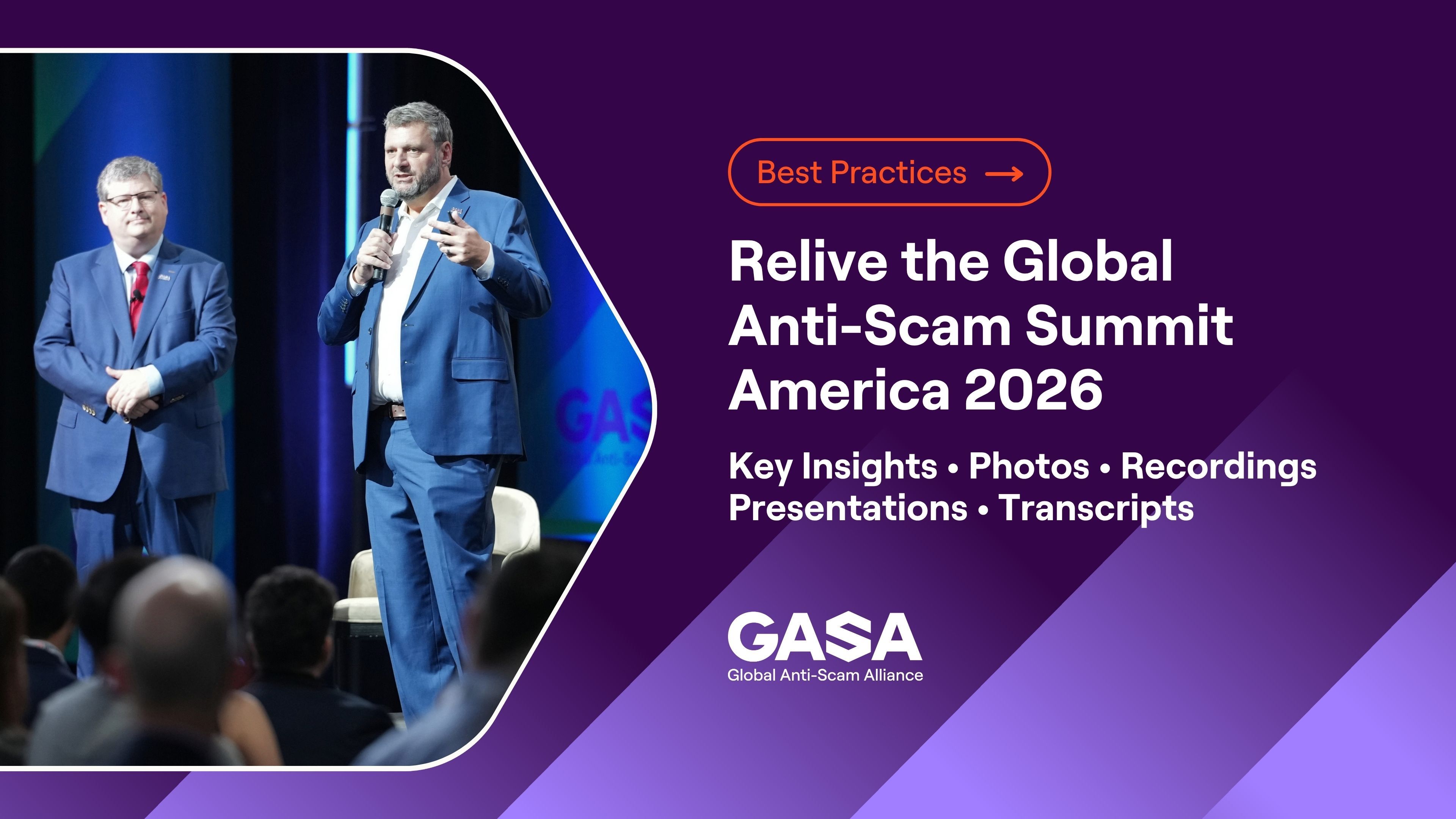
Global Anti-Scam Summit America 2026: Highlights, Insights and Resources
Explore GASS America 2026 highlights and insights, with the Summit summary, photos, presentation slides, transcripts and session recordings from San Francisco.
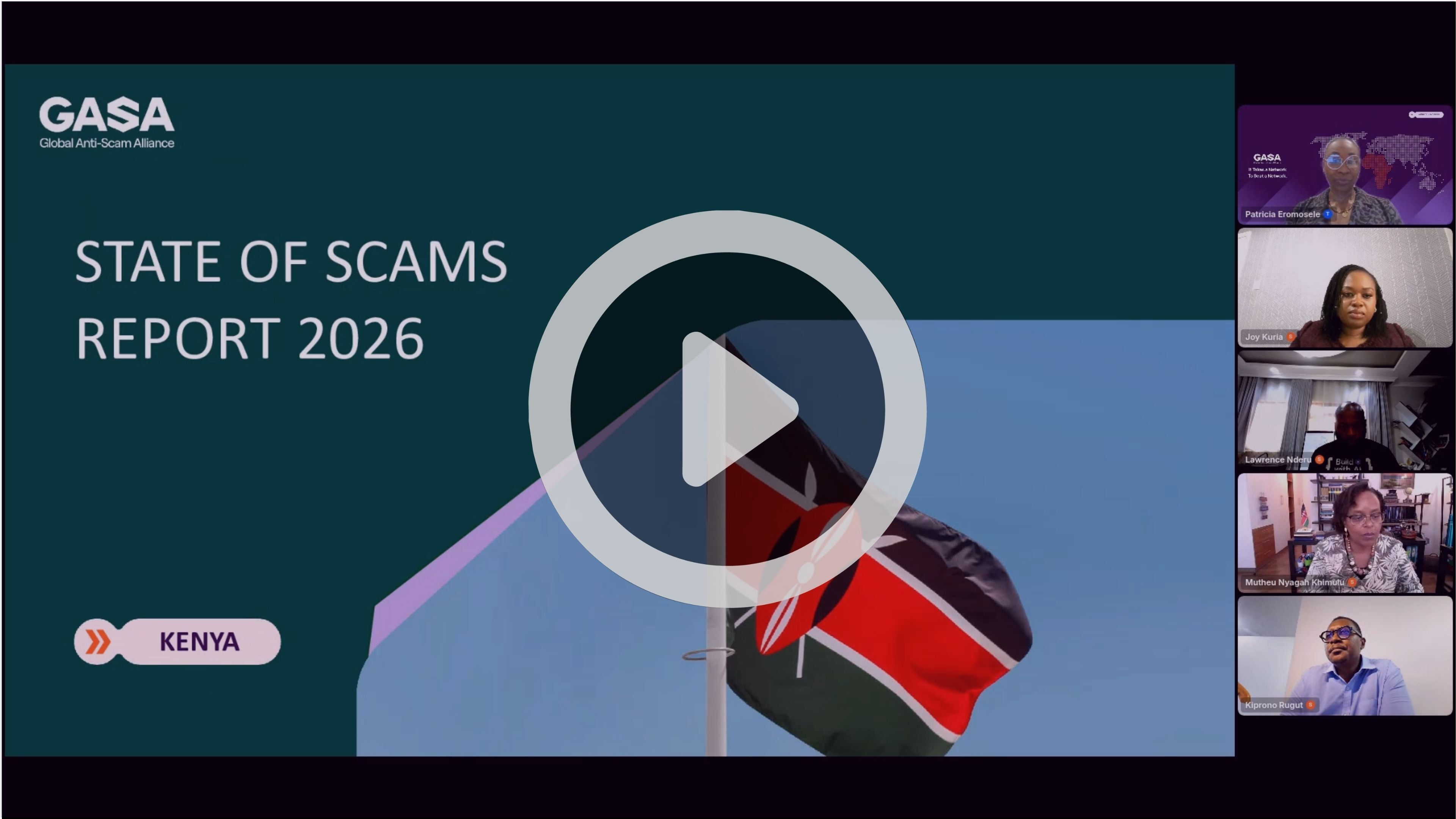
State of Scams in Kenya 2026: A Comparative Review Across Africa
Kenyan experts examine scam trends, data sharing, digital trust and the need for stronger cross-sector prevention.
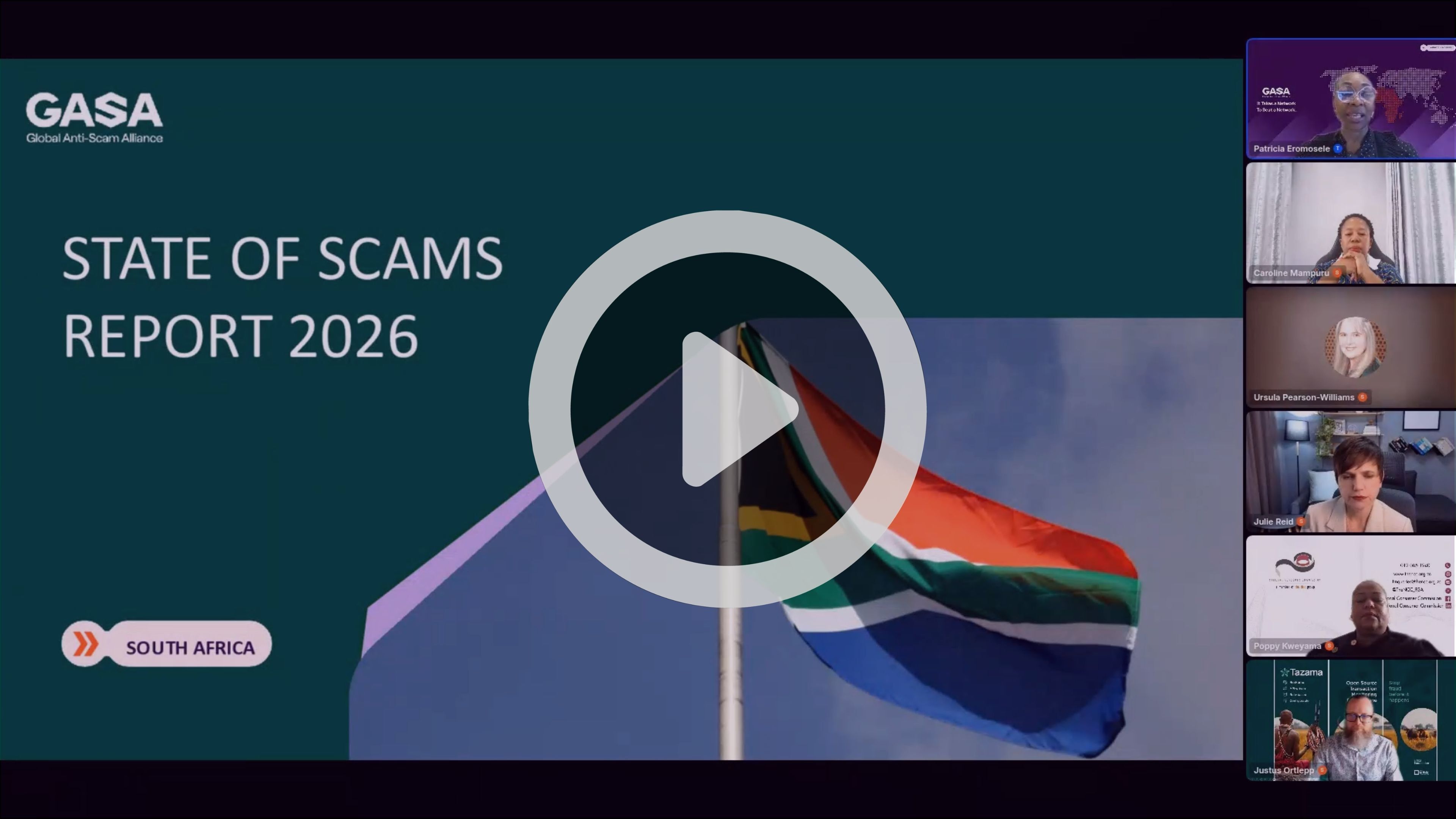
State of Scams in South Africa 2026: A Comparative Review Across Africa
South African experts examine scam trends, AI, consumer protection and the need for stronger cross-sector collaboration.
-3.jpg)
More than one in five adults in Japan encountered scams in the past year
New State of Scams Japan 2026 report examines how scams are reaching consumers and where stronger prevention and collaboration can make a difference