
UK’s Companies House facilitated the scam without any Due Diligence

Last year nearly 300 million consumers lost more than $55 billion according to the Global State of Scams 2022 report . Especially, Investment scams continued to rise caused by the accelerated rate of digitalization, high inflation, rapidly increasing cost of living, and, in some countries, high unemployment rates. This is forcing people to look for new ways to invest or simply make ends meet. Scammers have been capitalising on these trends by launching tens of thousands fake investment websites promising huge returns in short periods.
Particularly, investment scams are indirectly abetted by UK’s Companies House and big internet companies who provide the infrastructure for the scams to thrive. To prove how easy it is for anyone to launch a scam site, the Global Anti Scam Alliance and ScamAdviser launched ‘ScamAdviser Coin’ in the lead up to April Fool’s Day 2023.
Within a matter of days, a website was set up which promised investors 100% returns in 14 days, going up to 120% if the investor invites friends to join the program. The cost of setting up the site was just $250 which included purchasing a website template, registering the domain name ’ scamadviser.club ’ and purchasing website hosting.
UK’s Companies House Facilitated the Scam
To create a sense of trust, a fictitious company named ‘ ScamAdviser Coin Limited ’ was also successfully registered in the UK’s Companies House Registry, using as Directors names the notorious fraudsters Charles Ponzi and Bernard Madoff . Registering the company was just a matter of paying £12 ($15). Within one day the company certificate arrived in ScamAdviser’s mailbox.
This is possible as the Companies House website itself states, “Companies House does not verify the accuracy of the information filed”. However, few, if any people know that Companies House does not do any due diligence. Many people, especially from abroad, believe that if a company is registered in the United Kingdom, it must be legit. Like many scammers, ScamAdviser prominently displayed the certificate for this fake company on the ScamAdviser Coin website to create an illusion of legitimacy.
Promoting the Scam on Facebook and Google
ScamAdviser Coin was promoted on ScamAdviser.com’s website and social media channels. On social media, many users immediately spotted the scam. The results were mixed when it came to the users of ScamAdviser.com as many sent emails to ask “if it is for real.”
The fake investment website was even advertised on Facebook for a brief period using a brand new page with fake information and no post history, before being reported by users. Ads for ScamAdviser Coin were disapproved from Google’s search engine advertising platform citing their policies regarding ‘Unacceptable business practices’.
This does not mean it is impossible to promote scams on these platforms as there were several ‘experts’ on a popular freelancing platform who offered to help us advertise the scheme on Facebook for $300, with similar services being offered for Google Ads too. Their advice: You need to buy or “warm up” a Google Ads or Facebook account. After 3 weeks and not using specific keywords like “coin”, it’s easy to promote any kind of investment scam.
The Result: $11,000 earned in 10 days
ScamAdviser Coin only has been up for 10 days. However, many could not spot the signs of a scam as 144 users signed up in 10 days to join the waitlist for the program which was supposedly set to launch on 1st April 2023 - April Fool’s Day.
A few things were remarkable. Firstly the conversion ratio was high. With a mere 1,500 visitors the conversion was nearly 10%. Interestingly, 43 picked the Basic Plan ($50), 62 the Pro Plan ($80) and 39 the VIP Plan ($100). This confirms the marketing saying that if left to a choice, the option in the middle is chosen.
With the users pledging to invest a total of $11,010, the scheme would have generated a ROI of 4,400% for the scammer.
The goal of the ‘ScamAdviser Coin’ April Fool’s campaign was to highlight the importance of forming better policies to make it harder for scammers to defraud internet users. The scheme saw many doubters and few sign ups through ScamAdviser’s own channels, highlighting the success of the perennial awareness campaigns carried out by the organization.
Jorij Abraham, General Manager of GASA & ScamAdviser, said regarding the campaign, “For only $250 you cannot only set-up an investment scam but also promote it on social media and search engines. The way Companies House operates is hurting many consumers worldwide. Many believe that a company registered in the United Kingdom must be trustworthy. Instead, it seems to be the opposite.
We believe all providers, be it hosting companies, registrars, registries, social media or payment service providers share a responsibility to fight scams better. Next year, we will definitely organise a new scam and see whose infrastructure we can abuse without proper Due Diligence in place.”
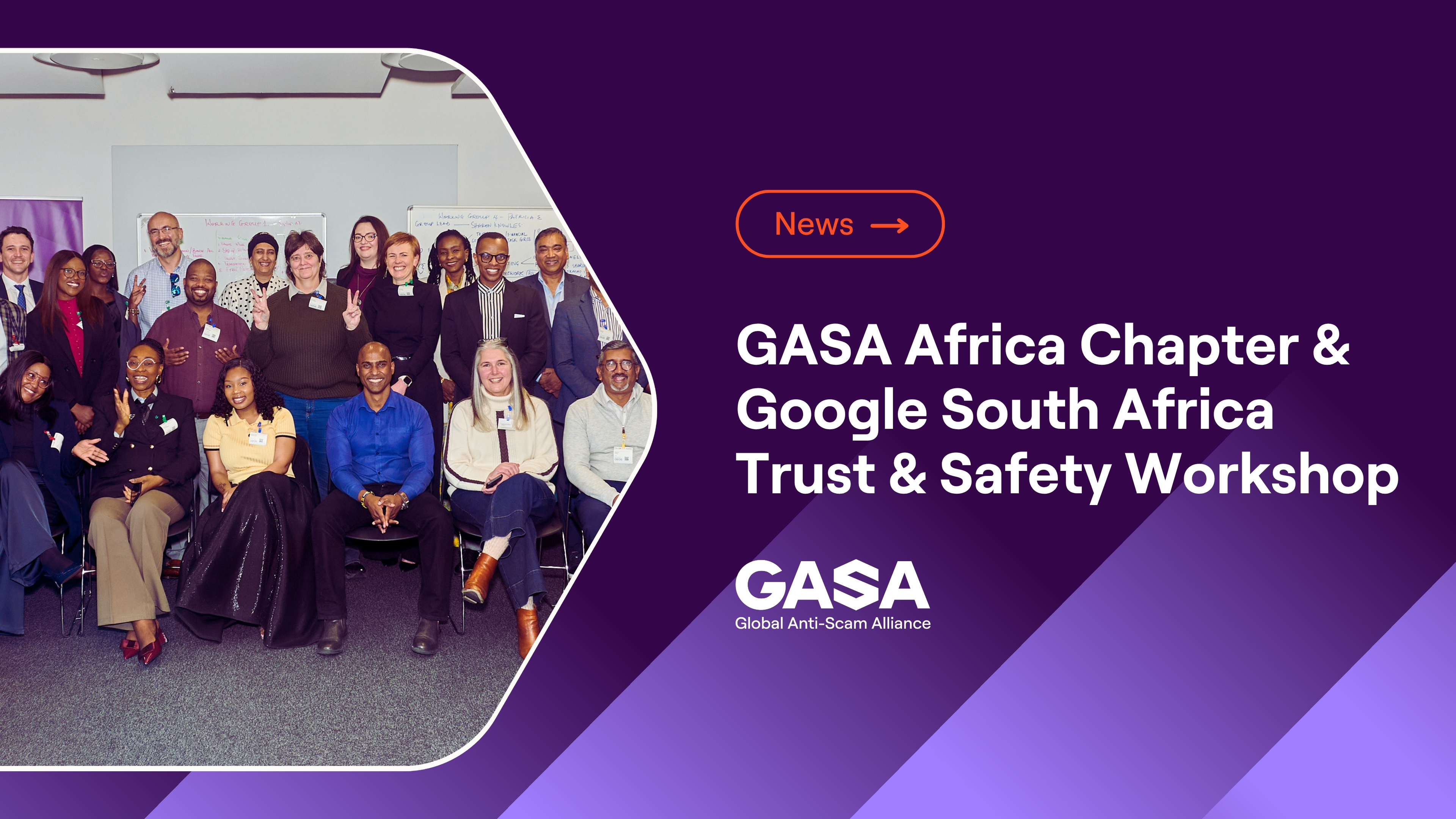
Accra Trust & Safety Workshop Turns Collaboration into Action Against Scams and Fraud in West Africa
GASA Africa Chapter and Google South Africa brought anti-fraud leaders together to strengthen cross-border cooperation and scam prevention.
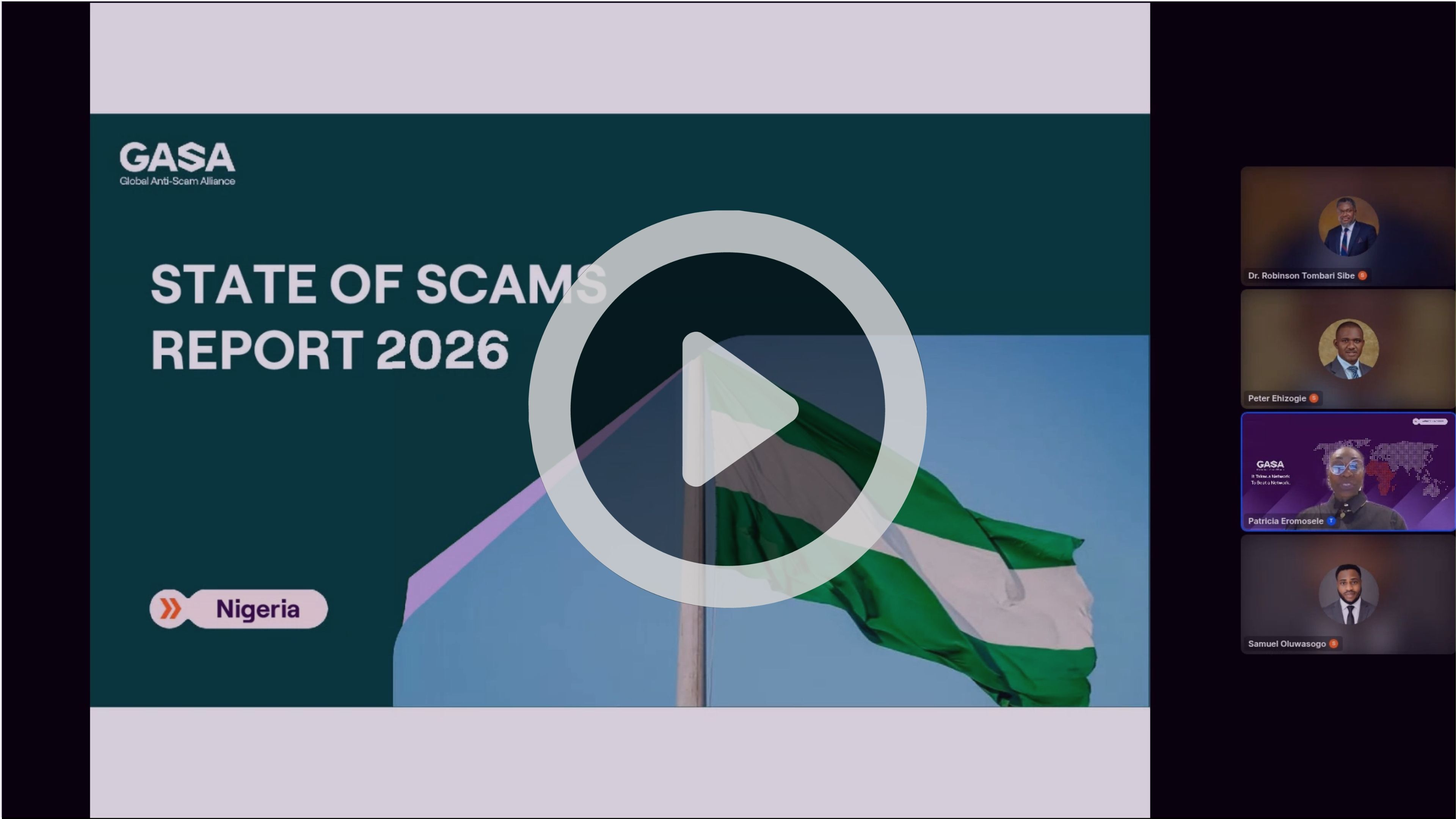
State of Scams in Nigeria 2026: A Comparative Review Across Africa
Nigerian experts examine scam trends, technology, consumer protection and the need for stronger cross-sector collaboration.
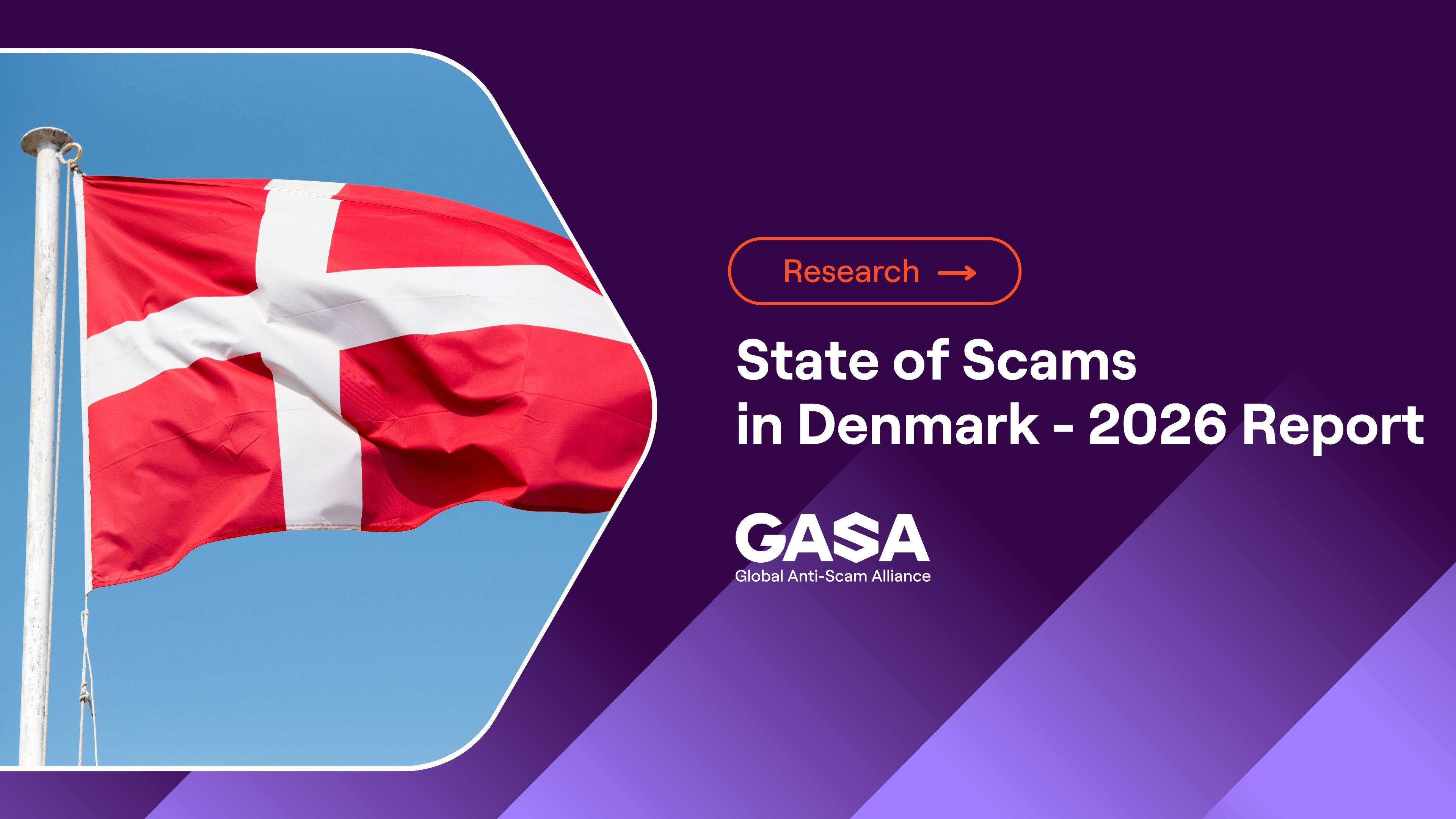
Nearly three in four Danish adults encountered scams as estimated losses reach DKK 10.1 billion
New State of Scams Denmark 2026 report finds scam exposure is rising, while victims face repeated financial and emotional harm.
Building a More Trusted Digital Philippines: New Report Underscores the Need for Collective Action as Scam Exposure Continues to Rise
GASA’s State of Scams in the Philippines 2026 Report, in collaboration with Mastercard and Gogolook, highlights the growing scale of the scam challenge in the Philippines.
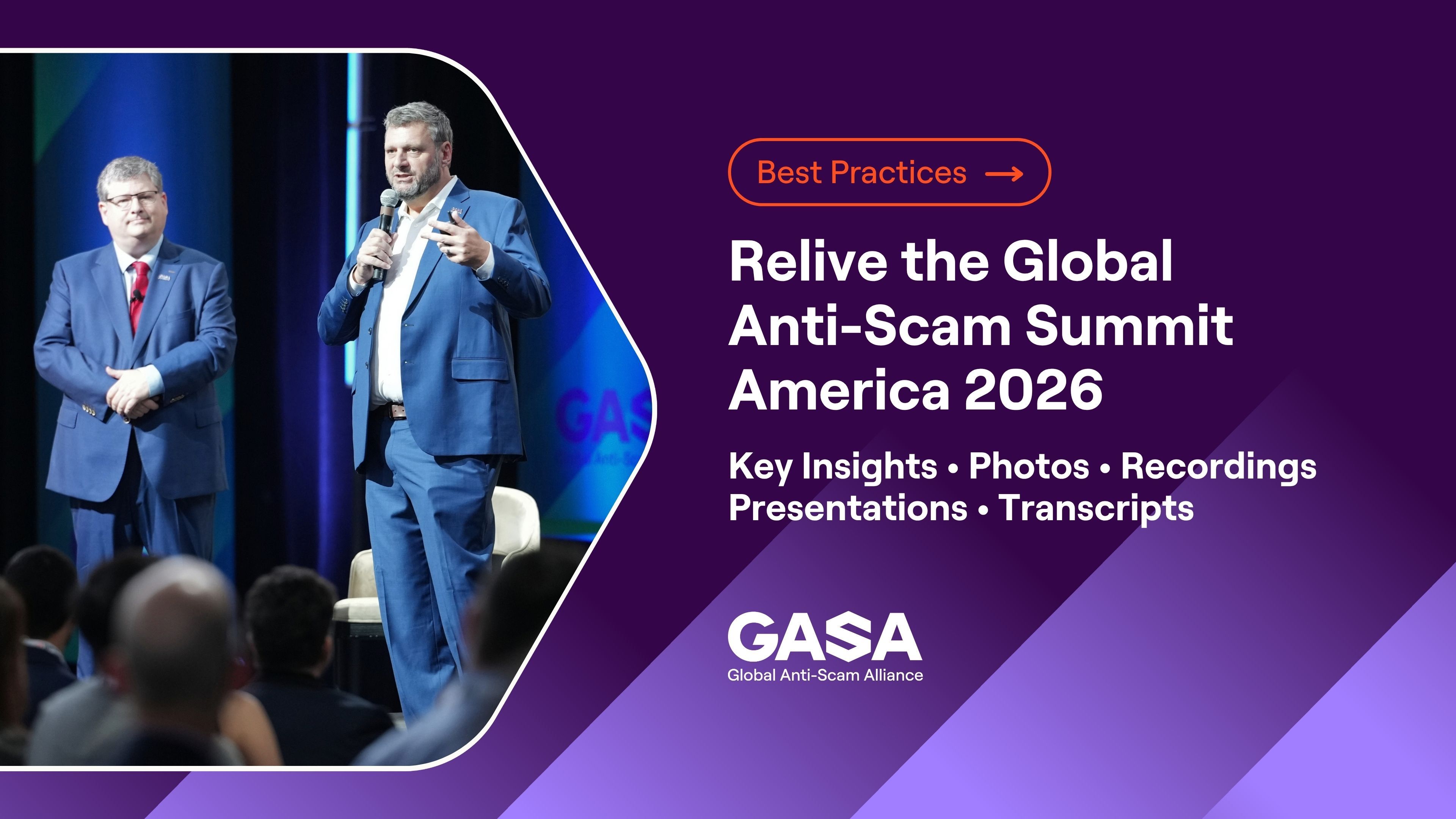
Global Anti-Scam Summit America 2026: Highlights, Insights and Resources
Explore GASS America 2026 highlights and insights, with the Summit summary, photos, presentation slides, transcripts and session recordings from San Francisco.
State of Scams in Kenya 2026: A Comparative Review Across Africa
Kenyan experts examine scam trends, data sharing, digital trust and the need for stronger cross-sector prevention.
State of Scams in South Africa 2026: A Comparative Review Across Africa
South African experts examine scam trends, AI, consumer protection and the need for stronger cross-sector collaboration.
-3.jpg)
More than one in five adults in Japan encountered scams in the past year
New State of Scams Japan 2026 report examines how scams are reaching consumers and where stronger prevention and collaboration can make a difference