
Across all areas, Appeals Centre Europe has so far received over 65,000 disputes from people and organisations in the EU looking to challenge platforms’ decisions
Across the EU people are standing up to social media companies by challenging their decisions:
-
So far, we have received more than 65,000 disputes in total from people and organisations across the EU, showing huge appetite for independent review.
-
We received 43,000 of these disputes during the period covered by this report (October 2025 to September 2026). On average, that’s one dispute every 12 minutes.
-
We initially assessed 19,600+ of these as eligible and reached out to the platform.
-
We received the most eligible disputes from France, followed by Belgium and Spain.
-
To accommodate this increase in disputes, our case review team in Dublin has doubled in the last three months.
In 10,000 decisions (mainly related to account suspensions), we did not receive the content from the platform and made a procedural decision in favour of the user. In a further 1,950 decisions, we determined, based on the platform’s response, that the case fell outside of the scope of Article 21 of the EU’s Digital Services Act and made a procedural decision in favour of the platform.
Sharing Content for Account Suspension Disputes
There has been some progress in platforms sharing content related to account suspensions, with the number of decisions we made after receiving the content increasing from around 10 in May 2026 to nearly 100 in September.
However, in the vast majority of cases, platforms are still not sharing the content that led to the suspension. As a result, many people are not getting the independent review they are entitled to.
This was most pronounced with Google, where despite requesting more than 850 pieces of content between October 2025 and September 2026 (mainly about YouTube cases), we only received two pieces of content. However, Google have recently stated that they will share more content related to pending disputes.
Google also contends that comments are outside the scope of the Digital Services Act.

About Appeals Centre Europe
We are an independent body, certified by the media regulator in Ireland under the EU’s Digital Services Act to resolve disputes about decisions made by social media platforms on the application of their terms and conditions. We currently cover Facebook, Google Maps, Instagram, Pinterest, Threads, TikTok and YouTube.
This new user right is called “out-of-court dispute settlement” and cases can be brought by people or organisations from across the EU at no cost, such as: wrongful account suspensions or deleted content, and violating content which has been left up. Over time, we will expand to other areas. While disputes can be about content in most languages spoken in the EU, users must complete our submission form in English, French, German, Dutch, Italian, Polish or Spanish.
We operate with an in-house team of experts, which includes expertise in specific regions, languages, and policy areas. Once we have made a decision, we communicate it to the user and platform. While our decisions are non-binding, platforms must engage in good faith.

Report Finds 86% of Reviewed Scam Content Left Online Broke Platform Rules
Appeals Centre Europe found that 86% of reviewed fraud and scam content left online after reporting violated social media platforms’ own rules.
Nearly three in four Danish adults encountered scams as estimated losses reach DKK 10.1 billion
New State of Scams Denmark 2026 report finds scam exposure is rising, while victims face repeated financial and emotional harm.
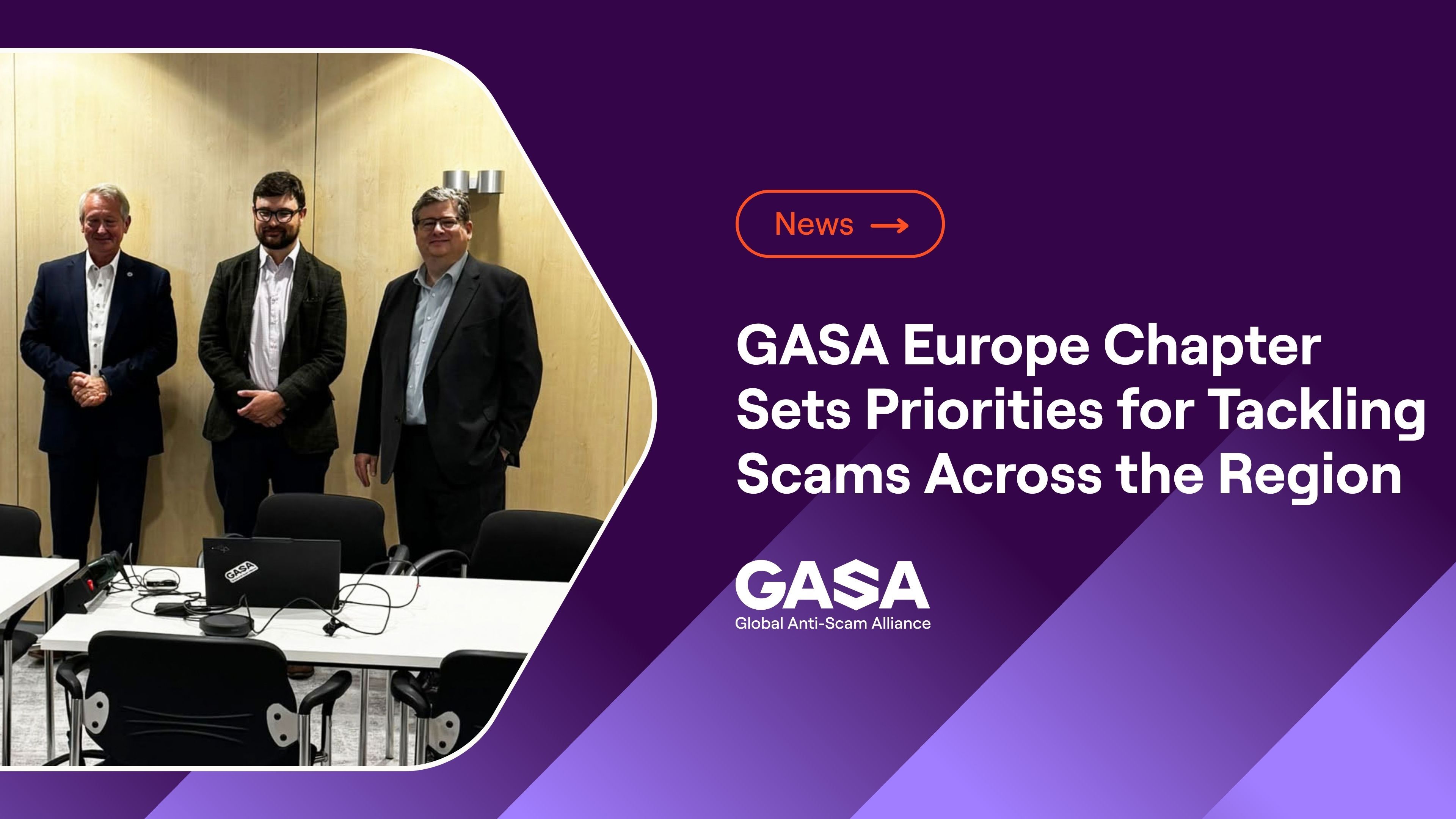
GASA Brings Stakeholders Together in Brussels for First Europe Chapter Meeting
GASA Europe brings 50+ stakeholders together in Brussels to discuss scam trends, data sharing and cross-sector priorities.
Appeals Centre Europe Report Points to Gaps in Social Media Scam Moderation
Appeals Centre Europe’s Transparency Report, covering April 2025 to March 2026, highlights early fraud and scam dispute findings relevant to social media moderation and scam prevention.
Bitdefender Report Reveals How Scams Operate Across Digital Channels
Bitdefender’s Global Scam Intelligence Report 2026 shows how organised scam campaigns move across advertising, websites, SMS, messaging apps and voice calls to exploit trust at scale.

Watch the Global Anti-Scam Summit Europe 2026 Session Recordings
Watch keynotes, panels, workshops, working group sessions and Scam Fighter Awards recordings from the Global Anti-Scam Summit Europe 2026 in Lisbon.
Global Anti-Scam Summit Europe 2026 Key Takeaways: Public-Private Partnerships in Action
Key takeaways from the Global Anti-Scam Summit Europe 2026 on how public-private partnerships can strengthen scam prevention, intelligence sharing, regulation and victim protection.
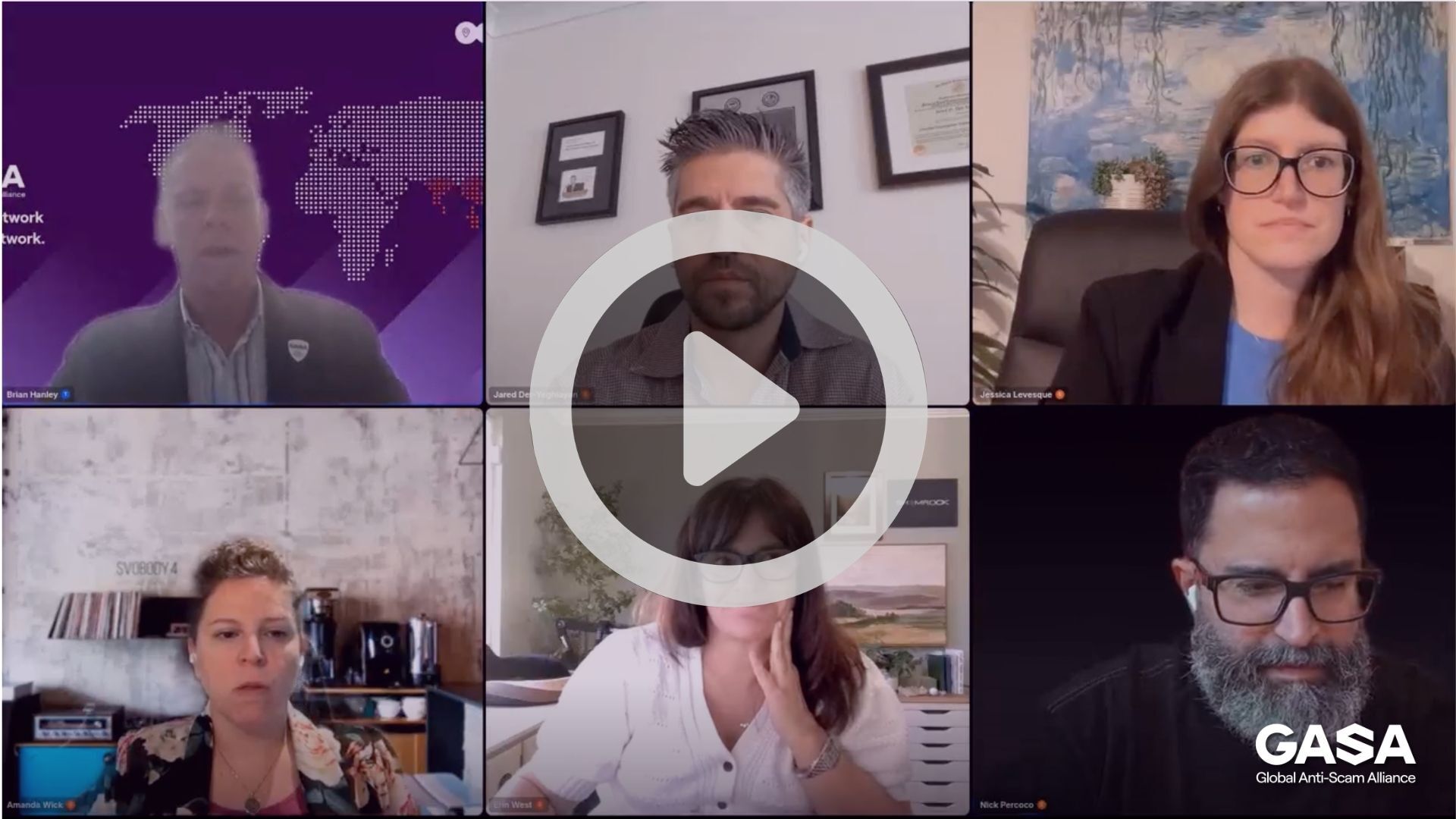
Anatomy of an Investment/Crypto Scam
On 21 May, the Global Anti-Scam Alliance (GASA) hosted a webinar bringing together leading voices from the crypto industry, law enforcement, compliance, and civil society.