
With imposter scams causing billions of dollars in losses each year, the FTC’s Never EVER campaign offers a practical approach to prevention. It uses clear examples of what legitimate organisations will never ask consumers to do and gives businesses, government agencies and community organisations adaptable resources to share these warnings widely.
The festive season is when money moves most across Africa, and when scams and fraud follow it. Pause Before You Pay, a scam.org campaign powered by the Global Anti-Scam Alliance (GASA), gives people one simple habit for the moment that matters most: the second before they send money or share a code.
Most scams don’t succeed because people are careless. They succeed because people are rushed.
One Pattern, One Habit
Our review of the most common scams across six African markets found the same pattern almost every time. Someone you trust appears to get in touch, creates urgency, then asks you to pay or share a PIN or code.
So the campaign comes down to one line:
Pause before you pay. A short check breaks the trick.
Check in your own app, call a number you already have, ask someone you trust, or check it at scam.org.
Creatives Built For Reality
The toolkit includes 14 creatives, in English and French. Four run everywhere: The New Number, The Call, The Deal and The Delivery. Each market also has two local stories, from a fake traffic fine in Nigeria to a cheap data bundle offer in Ghana and a fake loan app in French-speaking markets.
They come ready to use as WhatsApp video cards, short videos, social posts, status images, blog images, banners and ready-made copy, with a week-by-week plan.
Banks, telcos, fintechs, regulators, media and community groups can take part without a campaign team. Add your logo in the “Powered by GASA” strip, share the creatives on your channels until 16 January, and send your results by 22 January using a simple reporting template. Every partner receives the campaign results on 26 January 2027.
Scams and fraud depend on speed.
This season, let’s give people across Africa a reason to slow down
Reaching People Through Organisations They Trust
A warning is more likely to be noticed when it comes from a name people already know. That is why the campaign is delivered through partners: banks and mobile money providers who talk to customers every day, telcos with direct reach to millions of phones, retailers, regulators, media houses, churches, mosques, associations and community groups.
Each partner speaks to its own audience in its own voice, while the message and the next step stay the same everywhere.
Partners do not need a campaign team or a design budget. They choose the creatives that fit their audience, add their logo in the “Powered by GASA” strip, and post on their own channels.

No Child Should Face Online Harm Alone: Key Outcomes from COSPRA 2026
GASA joined the COSPRA Summit 2026 in Abuja. Here are the key outcomes on child online safety, scams and fraud, and cross-border cooperation.
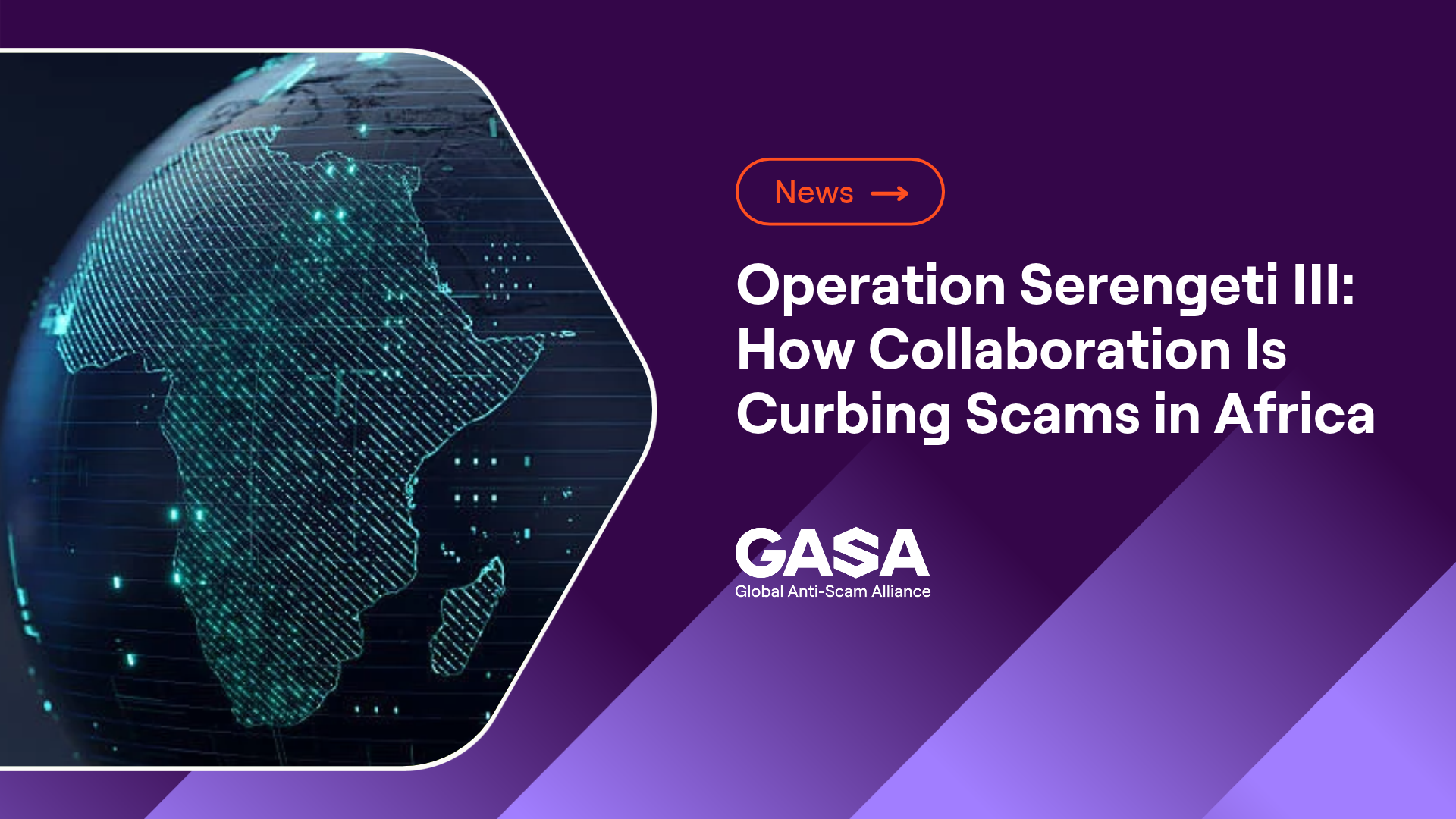
Operation Serengeti III: How Collaboration Is Curbing Scams in Africa
INTERPOL’s Operation Serengeti III led to 1,462 arrests and recovered USD 105M+ across 21 countries. GASA was proud to support it as a partner.
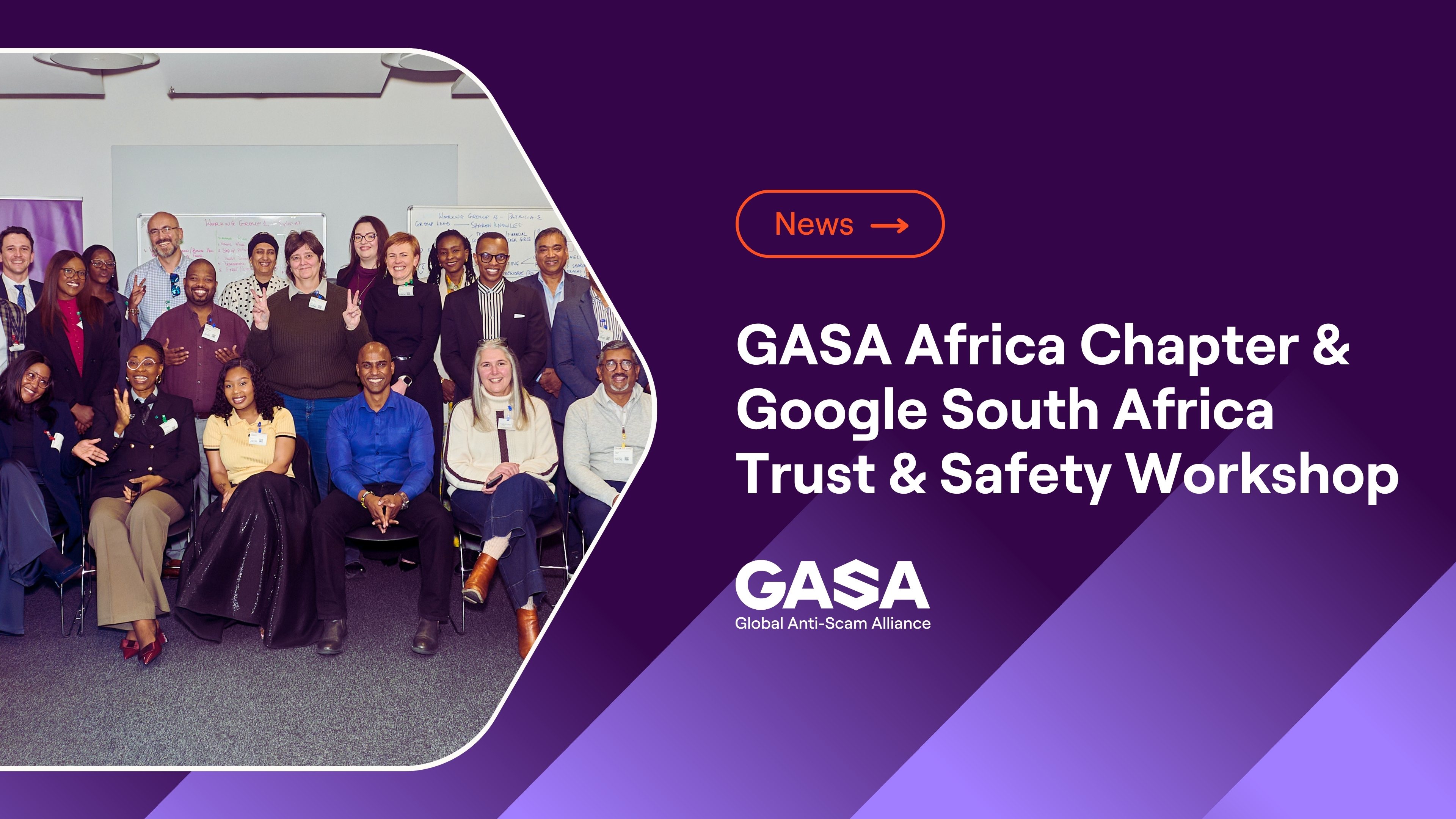
Accra Trust & Safety Workshop Turns Collaboration into Action Against Scams and Fraud in West Africa
GASA Africa Chapter and Google South Africa brought anti-fraud leaders together to strengthen cross-border cooperation and scam prevention.
State of Scams in Nigeria 2026: A Comparative Review Across Africa
Nigerian experts examine scam trends, technology, consumer protection and the need for stronger cross-sector collaboration.
State of Scams in Kenya 2026: A Comparative Review Across Africa
Kenyan experts examine scam trends, data sharing, digital trust and the need for stronger cross-sector prevention.
State of Scams in South Africa 2026: A Comparative Review Across Africa
South African experts examine scam trends, AI, consumer protection and the need for stronger cross-sector collaboration.
GASA and Google Trust & Safety Workshop Sets Priorities for Anti-Scam Cooperation Across Africa
GASA Africa Chapter and Google South Africa brought anti-fraud leaders together to strengthen cross-border cooperation and scam prevention.
What Uganda’s IVR Trial Shows About Practice-Based Scam Prevention
A Uganda IVR trial shows how practice-based fraud prevention helped mobile money users reduce losses and increase reporting.