

The Hague, The Netherlands – As scammers adopt increasingly sophisticated methods powered by artificial intelligence, global coordination and responsible innovation have become essential to protecting consumers. Today, the Global Anti-Scam Alliance (GASA) and OpenAI announce that OpenAI has joined GASA as a Foundation Member , marking a significant step forward in the shared mission to combat AI-enabled fraud and strengthen digital safety worldwide.
OpenAI is an AI research and deployment company whose mission is to ensure AI benefits all of humanity. The company heavily invests in safety and misuse prevention, including efforts to detect and disrupt malicious attempts to use AI systems for scams, phishing, fraud, and other harms. OpenAI also publicly shares lessons from this work to strengthen collective defenses and reinforce its commitment to transparency and responsible deployment.
“The rise of AI enabled scams demands coordinated action across technology, policy, and law enforcement. OpenAI’s efforts to detect and disrupt malicious use of AI systems align closely with our mission. Their decision to join GASA as a Foundation Member sends a strong signal that protecting consumers in the age of AI requires shared intelligence, shared responsibility, and shared purpose,” said Jorij Abraham, Managing Director of GASA.
“Scams are one of the fastest-growing threats people face online, and our tools are increasingly good at spotting them. That's why OpenAI is joining the Global Anti-Scam Alliance, where we can share insights, strengthen our collective defenses, and help people stay safe. This work fits squarely within our mission to build AI tools that benefit all of humanity,” said Will McCants, Head of Intelligence and Investigations at OpenAI.
By joining GASA as a Foundation Member, OpenAI will contribute to global research, the global advisory board, and cross-sector collaboration focused on reducing the impact of AI-enabled scams. This partnership strengthens the collective effort to build safer digital ecosystems and ensure that innovation is supported by safeguards, accountability, and shared intelligence.
About the Global Anti-Scam Alliance (GASA)
The Global Anti-Scam Alliance (GASA) is a non-profit organization dedicated to protecting consumers worldwide from online scams. GASA unites governments, law enforcement, telecommunication providers, tech leaders, consumer protection agencies, and cybersecurity experts to share knowledge, foster cross-sector and cross-border collaboration, and promote effective solutions in the fight against online fraud. Through research, advocacy, education, and global events, GASA works to build a safer digital world for everyone.
Learn more at https://www.gasa.org/ .
GASA Media Contact
Metje van der Meer
Marketing Director
About OpenAI
OpenAI is an AI research and deployment company dedicated to ensuring that general-purpose artificial intelligence benefits all of humanity. AI is an extremely powerful tool that must be created with safety and human needs at its core. OpenAI is dedicated to putting that alignment of interests first — ahead of profit. To achieve our mission, we must encompass and value the many different perspectives, voices, and experiences that form the full spectrum of humanity.
Our investment in diversity, equity, and inclusion is ongoing, executed through a wide range of initiatives, and championed and supported by leadership. At OpenAI, we believe artificial intelligence has the potential to help people solve immense global challenges, and we want the upside of AI to be widely shared. Join us in shaping the future of technology.
Learn more at : https://openai.com/

Allstate Identity Protection Joins the Global Anti-Scam Alliance to Strengthen the Fight Against Scams and Identity Theft
Allstate Identity Protection has joined the Global Anti-Scam Alliance (GASA) as a Corporate Member within the North America Chapter.
GASA and Whoscall Release 2026 Asia Scam Report – Taiwan
The 2026 Asia Scam Report – Taiwan, provides an in-depth look at scam exposure, channels, victim experiences, and scam awareness among people in Taiwan.
BanCoppel joins the Global Anti-Scam Alliance to bolster fraud prevention and safeguard individuals entering the banking system.
BanCoppel has joined the Global Anti-Scam Alliance (GASA) as a Corporate Member of the GASA Mexico Chapter.
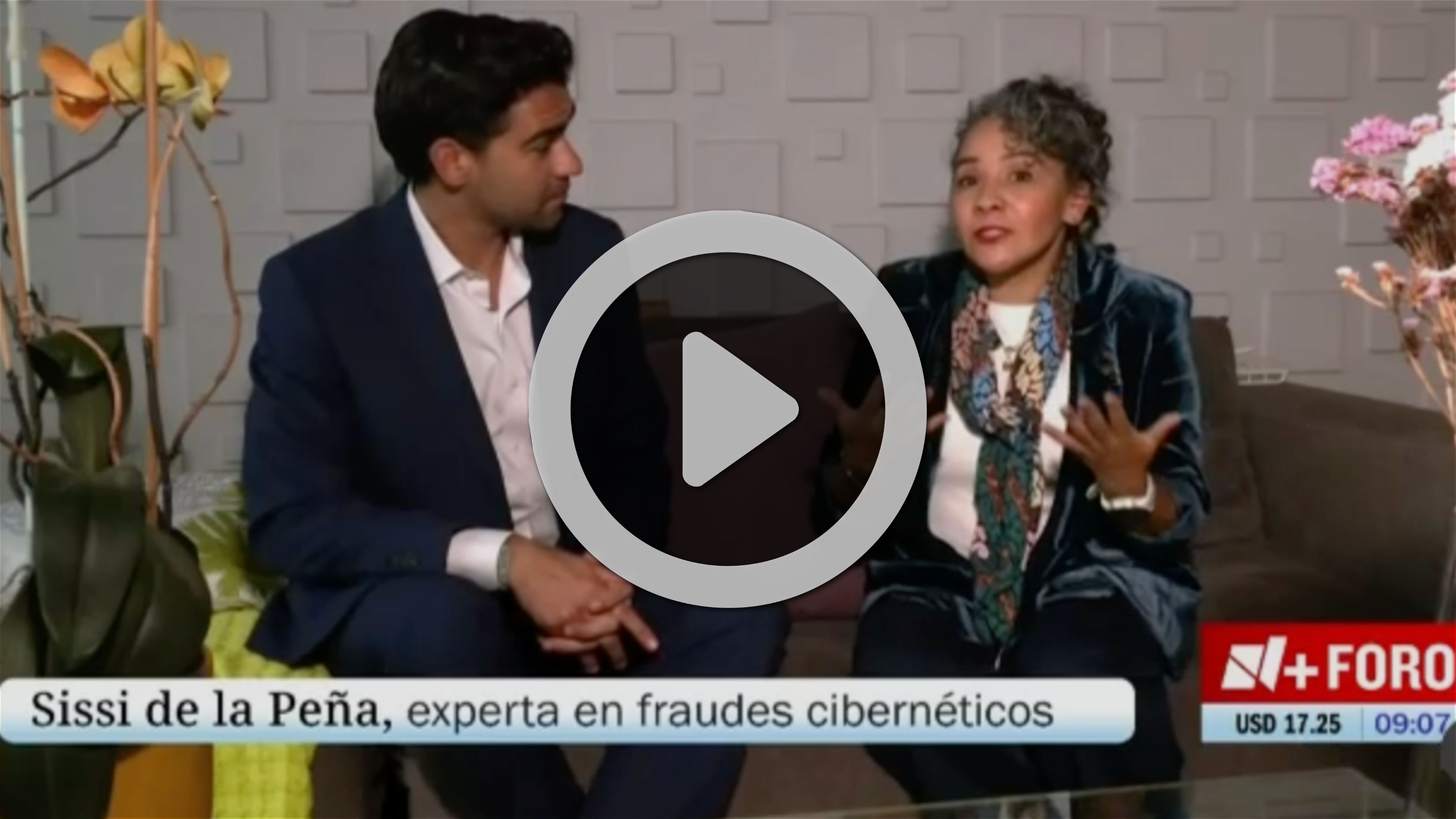
The emotions scammers exploit: how social engineering influences our decisions
How scammers use fear, urgency, excitement and trust to influence decisions, and how recognising these tactics can help people prevent fraud.

Global Anti-Scam Alliance Welcomes Mastercard as Founding Member of Its Mexico Chapter
The Global Anti-Scam Alliance (GASA) announces the membership of Mastercard as a Member of its Mexico Chapter.
What Uganda’s IVR Trial Shows About Practice-Based Scam Prevention
A Uganda IVR trial shows how practice-based fraud prevention helped mobile money users reduce losses and increase reporting.
FTC’s Never EVER Campaign Helps Prevent Elder Financial Abuse With Simple, Specific Scam Warnings
The FTC’s Never EVER campaign uses simple, specific imposter scam warnings to help prevent elder financial abuse and support coordinated consumer education.
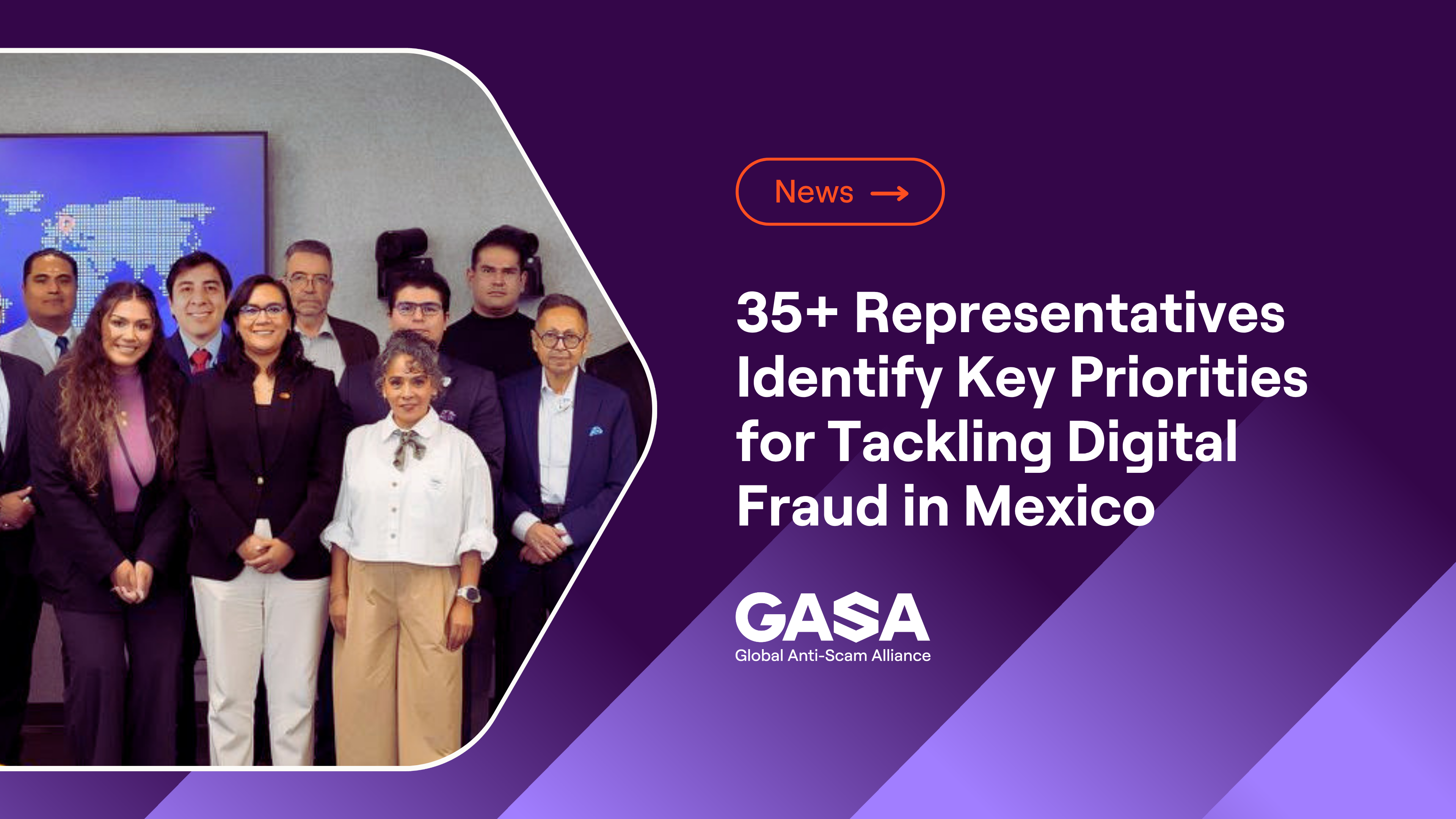
GASA Mexico's Second Roundtable Advances Coordinated Action Against Digital Fraud
GASA Mexico's second roundtable brought together more than 35 representatives to strengthen coordination across cybersecurity, fraud prevention and other sectors.