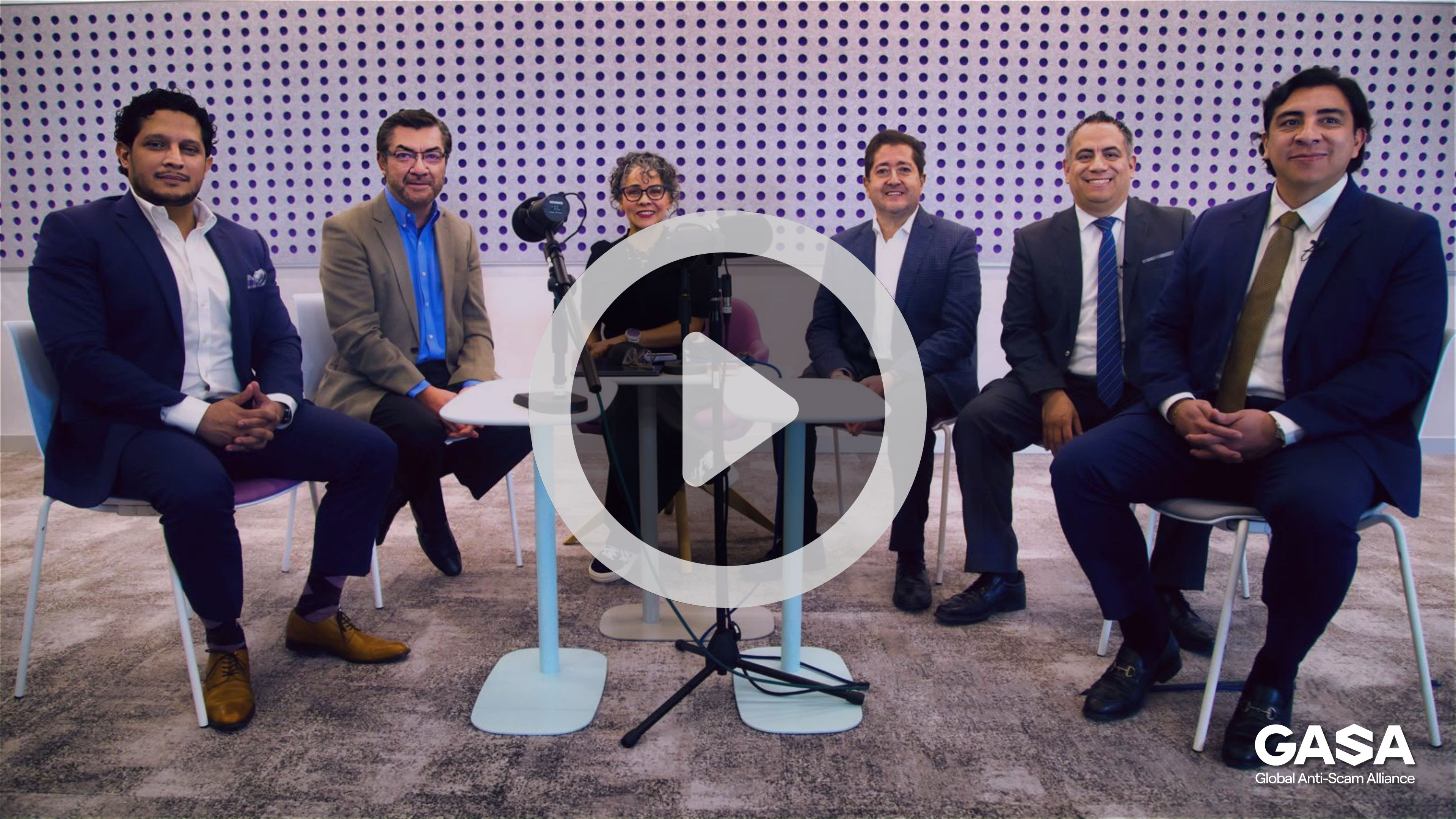
Netsafe NZ’s approach to remediation for scam victims, Andrea Leask, Netsafe NZ - Global Anti-Scam Summit Europe 2024
Netsafe NZ’s Approach to Remediation for Scam Victims
Date of recording: 2024-06-24
Event: Global Anti-Scam Summit Europe 2024
Andrea Leask from Netsafe New Zealand presented on their efforts in scam victim support at the Global Anti-Scam Summit Europe 2024 on June 24. Netsafe, a small charity with a team of 30, has been providing a helpline since 1998, focusing on consumer protection through education, awareness campaigns, and legislative lobbying.
Andrea highlighted Netsafe's status as a trusted flagger, allowing them to quickly get scam content removed from major platforms. In 2023, they received 15,000 scam reports with losses around $1 million USD. The most common scams included online shopping, fake investments, and romance scams.
Andrea introduced three key initiatives: Rescam, Netsafe AI Assistant, and their sextortion response. Rescam, an AI chatbot that imitates victims to waste scammers' time, was relaunched with ChatGPT technology in 2024. The Netsafe AI Assistant is a prototype that helps users verify the legitimacy of sites, emails, and images, providing advice based on Netsafe's database. Their sextortion response offers to contact offenders with the victim's consent, explaining the legal implications. This approach is particularly effective with local offenders motivated by revenge or bullying.
Andrea emphasized that combating scams requires collaboration among all stakeholders, including major platforms like Google and Meta. AI, while a tool for scammers, is also crucial for developing smarter countermeasures. Netsafe is committed to fighting scams through innovative tools and community collaboration, highlighting the need for a multifaceted approach to effectively protect consumers.
During the Q&A session, Anna Martin from the European Consumer Organization stressed the need for systemic players like Meta and Google to take more action under the Digital Services Act, rather than placing the responsibility solely on individual consumers. Andrea agreed on the shared responsibility and highlighted Netsafe's dual focus on prevention and victim remediation, stressing the importance of collective efforts in the ecosystem.
Latest blogs & research
Romance Scams in Brazil: Warning Signs and Prevention
Experts from Brazil discuss how romance scams work, their emotional impact, and how victims can protect themselves online.
De Viena a la Acción: GASA México y UNODC México Cierran Brechas Operativas
GASA México y UNODC México formalizan un Acuerdo de Intercambio de Comunicaciones, convirtiendo los compromisos globales de Viena en acción coordinada contra el fraude.
What the UN Global Fraud Summit Discussions Tell Us About What Comes Next
Watch expert discussions from the UN Global Fraud Summit on the industrialisation of fraud, global collaboration, public–private frameworks, and next steps for implementation.
Game Over for Scammers: Regional Defenses Against Online Gambling–Related Scams
Experts from INTERPOL, ACMA, and DGOJ examine how gambling-related scams operate and how global enforcement is responding.
What 22,000 Fraud & Cyber Crime Operator Signals Reveal About the State of Bank Attacks
Falkin's analysis of 22,661 fraud operator signals shows how bank attacks are evolving across regions, typologies, and AI-driven scam infrastructure.
Reinventing Fraud Detection Through Digital Fingerprinting and Link Analysis
A Microsoft white paper examines how digital fingerprinting and link analysis shift fraud detection from isolated events to connected, network-level intelligence.
On the Frontlines: Fighting AI-Powered Scams & Fraud
Experts from Microsoft, OpenAI, Google and C4ADS share how AI is shaping scams and how to fight back.
Telecoms on the Front Line: GASA at the Stimson Center Dialogue on Combating Scams
According to GASA’s Global State of Scams Report, telecommunications channels—voice and SMS in particular—remain a predominant “front door” for scams.