
-jpg-4.jpeg?width=3840&height=2160&name=Blog%20(2)-jpg-4.jpeg)
September 29, 2026 – The Global Anti-Scam Alliance (GASA) has released the State of Scams in Japan 2026 Report, providing new insights into how consumers across Japan encounter, recognize, and respond to scams.
The study surveyed 1,200 adults across Japan and found that 22% encountered a scam in the past year. While exposure remains relatively limited, the findings show that scammers continue to reach consumers through a growing range of digital channels and methods.
Despite the evolving threat, 57% of respondents said they are confident in their ability to recognize a scam. Among those who encountered scams, 53% interacted with the scammer, highlighting the importance of preventing suspicious communications from reaching consumers in the first place.
Impersonation scams were the most common type respondents interacted with, reported by 20%, followed by shopping scams at 15% and romance scams at 14%. The research also found that 10% of parents said their child had been scammed.
“Japan is at an important point in the fight against scams. While scam exposure is lower than in many other markets across Asia, criminals are constantly adapting how and where they reach people. Earlier intervention, faster information sharing, and stronger collaboration across sectors will be essential to staying ahead of these evolving threats.” - Brian D. Hanley, Chapter Director Asia-Pacific, GASA.
Yumi Akutsu, Japan Country Manager at Whoscall, added:
“This survey found that more than half of those who encountered a scam interacted with it in some way, such as by reading a message. It also found that many people rely on unnatural wording or spelling mistakes as clues to identify scams. However, as the misuse of AI makes scam messages increasingly sophisticated, it is becoming more difficult to determine whether something is genuine based on the impression of the text alone. When receiving suspicious communications, it is important to verify them through official apps or websites and to make use of anti-scam tools.
“News coverage was also the most commonly cited source of information that helped people recognize scams. Rather than leaving scam prevention to individual vigilance alone, it is important for media organizations, public authorities, and businesses to continuously share information about scam methods and trends, building knowledge across society.
“Whoscall provides services that help users check calls from suspicious phone numbers, SMS messages, and potentially dangerous URLs, while also carrying out awareness activities to help people understand scam tactics. We will continue working with GASA and other relevant organizations to create an environment where users can stop and verify suspicious communications when they receive them.”
The report points to collaboration as a key part of strengthening Japan’s response to scams. As criminals move across SMS, messaging apps, social media, calls, and other digital channels, faster information sharing and earlier intervention can help identify suspicious activity before it results in financial harm. The report also highlights the role of technology, reliable data, public education and awareness, and cooperation between the public and private sectors in building a more sustainable approach to scam prevention.
The State of Scams Japan 2026 forms part of GASA’s global research program examining the scale and impact of scams and the measures that can help consumers, governments, and businesses prevent them.
About the Global Anti-Scam Alliance (GASA)
The Global Anti-Scam Alliance (GASA) is a non-profit organization whose mission is to protect consumers worldwide from scams. GASA brings together policymakers, law enforcement, consumer authorities, NGOs, the financial sector, telecom operators, internet platforms and service providers, cybersecurity and commercial organizations to share insights and knowledge surrounding scams and implement meaningful solutions.
About Gogolook
Gogolook is a leading TrustTech company established in 2012. With “Build for Trust” as its core value, the company has expanded its business from Asia to Europe and America.
A Foundation Member of the Global Anti-Scam Alliance (GASA), Gogolook has also teamed up with a number of institutions, including the Taiwan National Police Agency, Thai Royal Police, the Philippines Cybercrime Investigation and Coordinating Center, Fukuoka City and Shibuya City governments, and the Royal Malaysia Police to fight scams, dedicated to creating a “scam-free environment.”
About Whoscall
Whoscall, developed by Gogolook, is a caller-ID and digital anti-scam tool designed to protect users from scams across various channels, including phone calls, text messages, social media, and links. With over 100 million downloads globally, it features the most comprehensive database in East and Southeast Asia, covering more than 2.6 billion phone numbers.
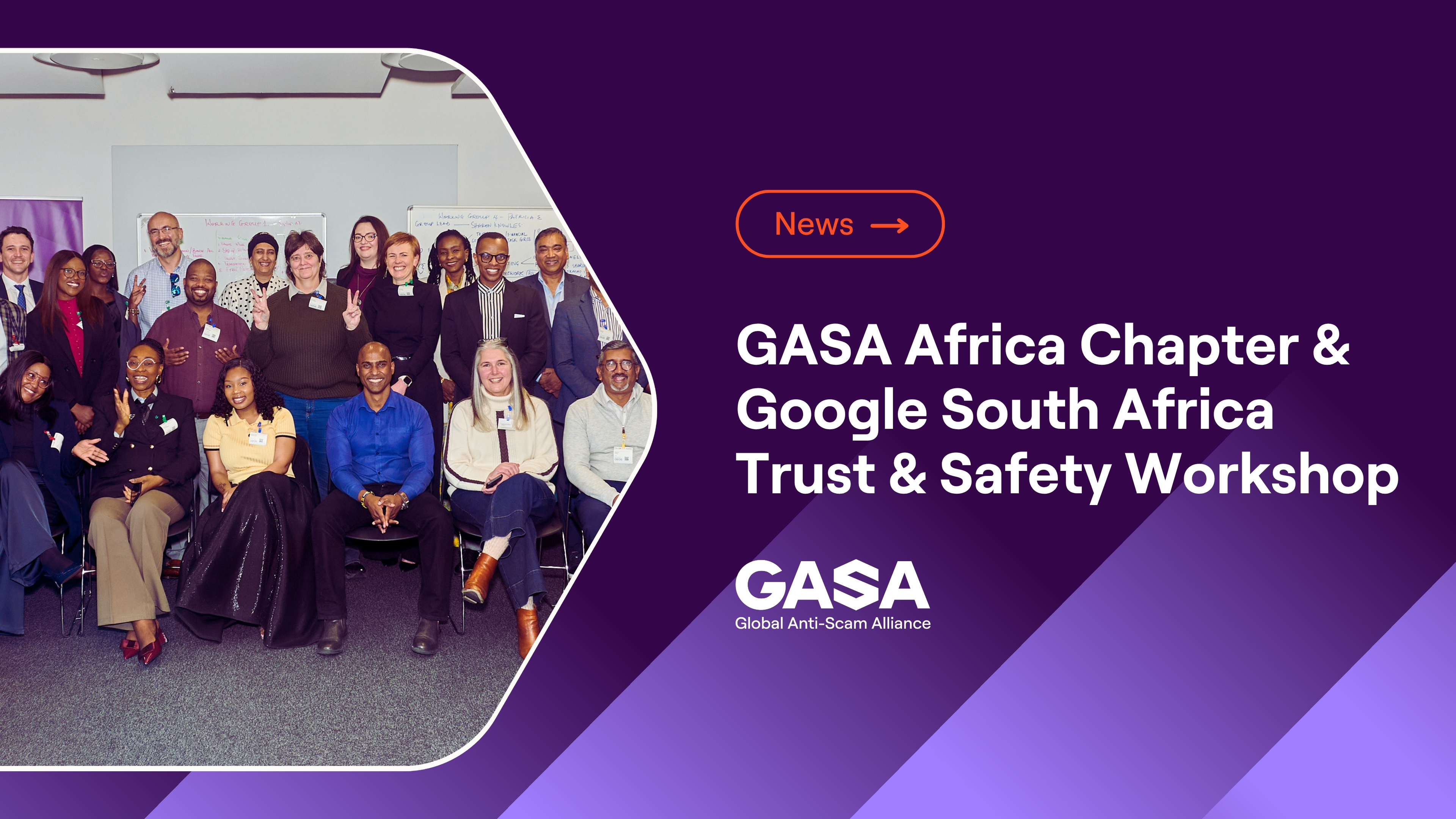
Accra Trust & Safety Workshop Turns Collaboration into Action Against Scams and Fraud in West Africa
GASA Africa Chapter and Google South Africa brought anti-fraud leaders together to strengthen cross-border cooperation and scam prevention.
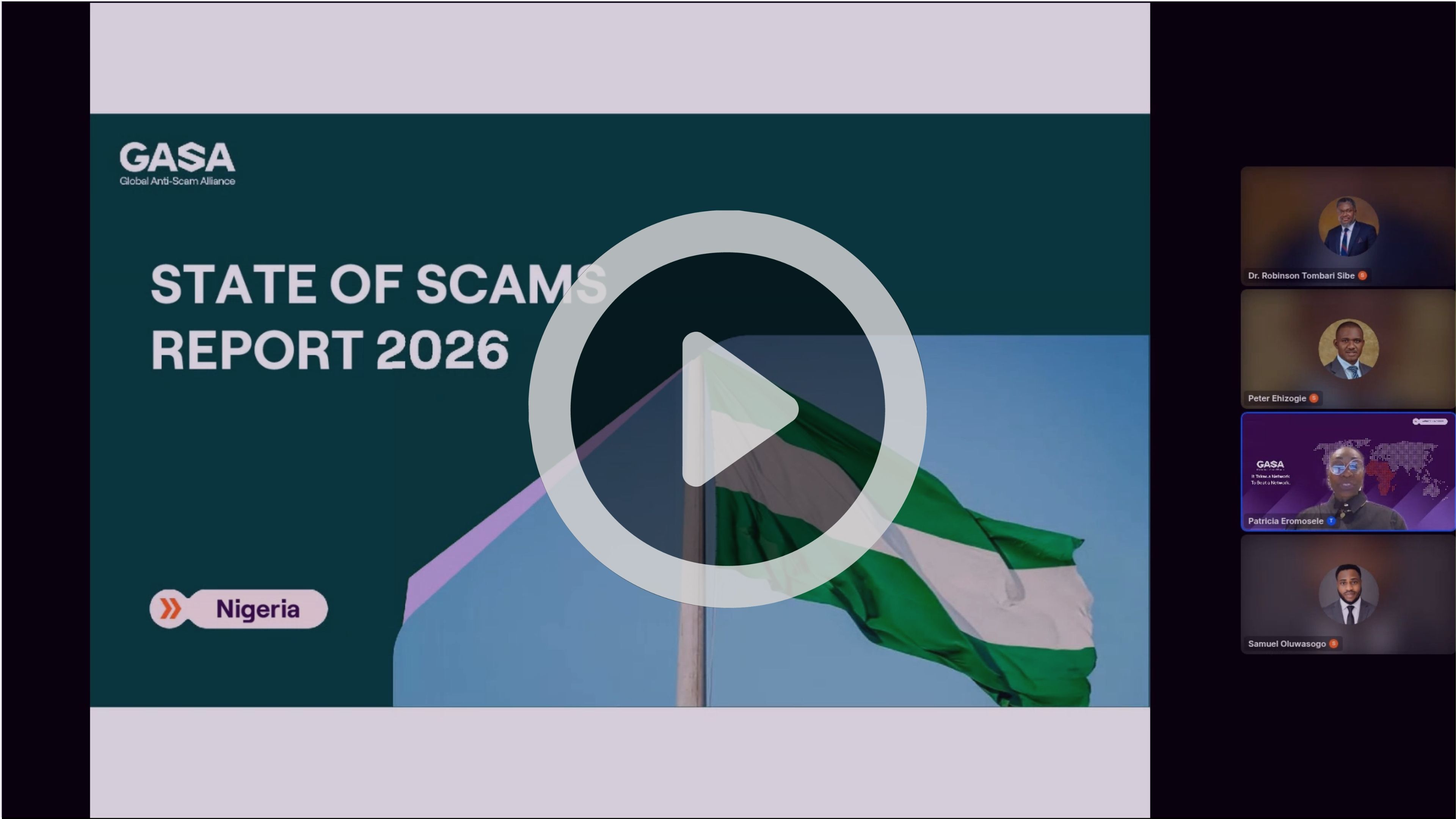
State of Scams in Nigeria 2026: A Comparative Review Across Africa
Nigerian experts examine scam trends, technology, consumer protection and the need for stronger cross-sector collaboration.
Nearly three in four Danish adults encountered scams as estimated losses reach DKK 10.1 billion
New State of Scams Denmark 2026 report finds scam exposure is rising, while victims face repeated financial and emotional harm.
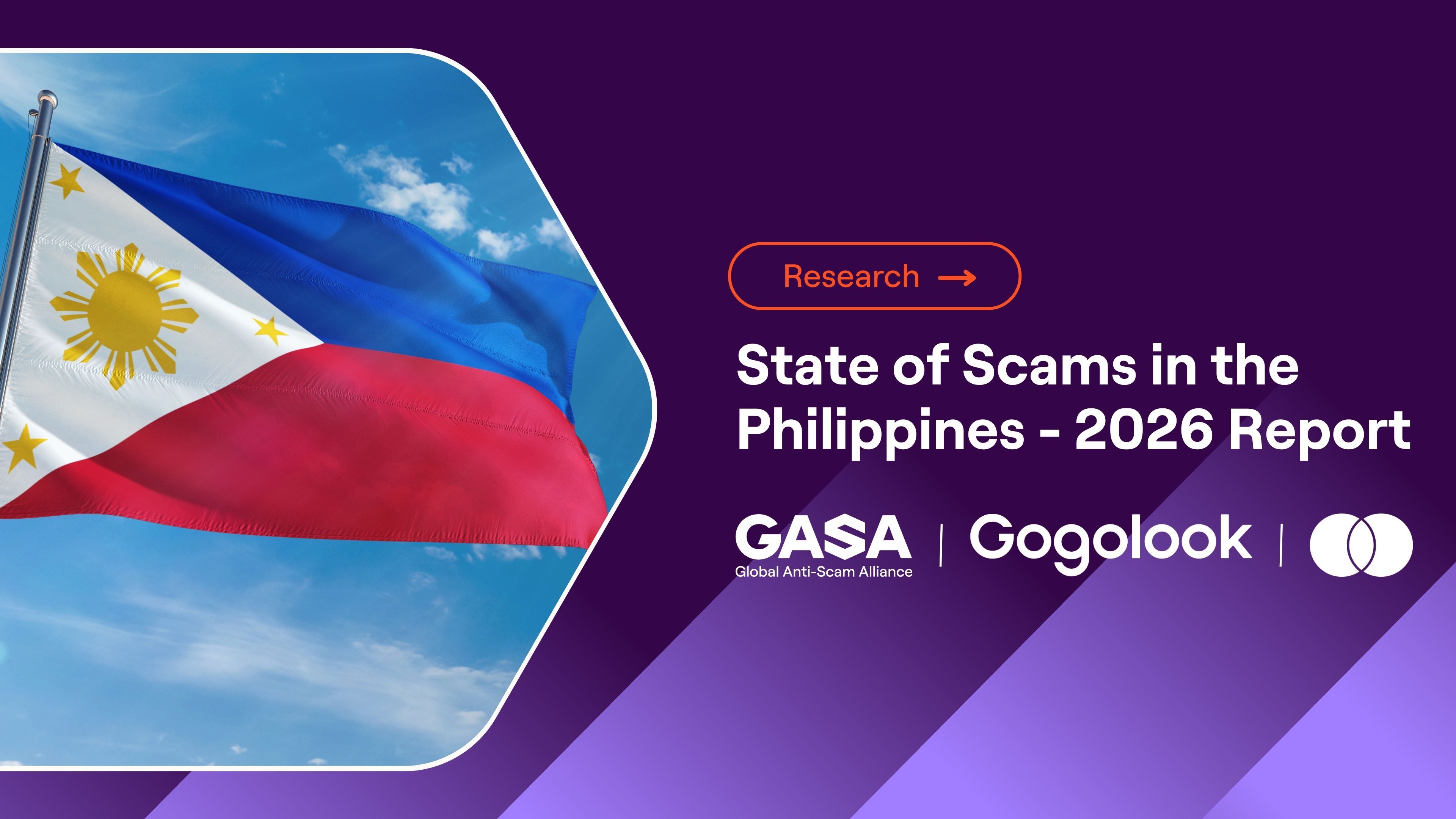
Building a More Trusted Digital Philippines: New Report Underscores the Need for Collective Action as Scam Exposure Continues to Rise
GASA’s State of Scams in the Philippines 2026 Report, in collaboration with Mastercard and Gogolook, highlights the growing scale of the scam challenge in the Philippines.
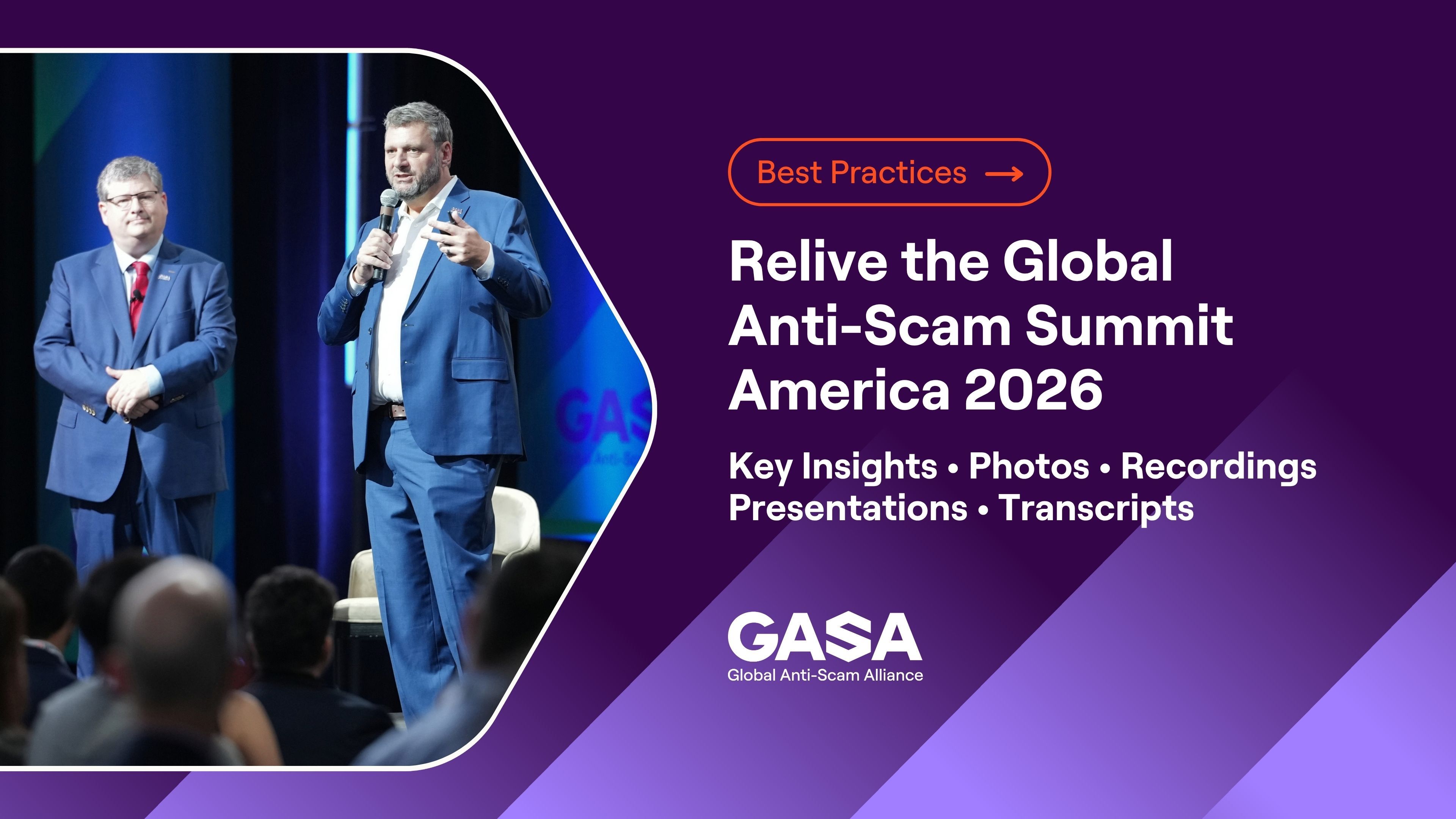
Global Anti-Scam Summit America 2026: Highlights, Insights and Resources
Explore GASS America 2026 highlights and insights, with the Summit summary, photos, presentation slides, transcripts and session recordings from San Francisco.
State of Scams in Kenya 2026: A Comparative Review Across Africa
Kenyan experts examine scam trends, data sharing, digital trust and the need for stronger cross-sector prevention.
State of Scams in South Africa 2026: A Comparative Review Across Africa
South African experts examine scam trends, AI, consumer protection and the need for stronger cross-sector collaboration.
-3.jpg)
More than one in five adults in Japan encountered scams in the past year
New State of Scams Japan 2026 report examines how scams are reaching consumers and where stronger prevention and collaboration can make a difference