
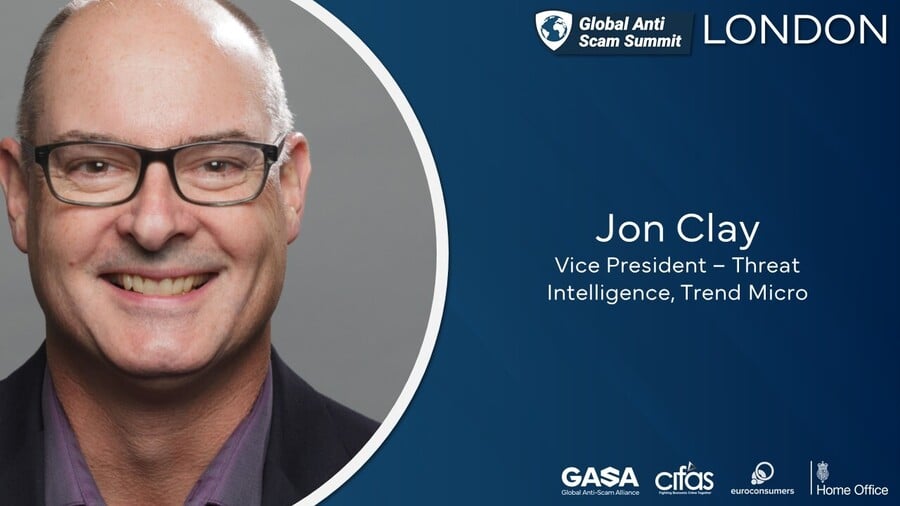
Date of Event: 26–27 March 2025
Event: Global Anti-Scam Summit London 2025
Jon Clay, Vice President of Threat Intelligence at Trend Micro, opened Day 2 of the Global Anti-Scam Summit London 2025 with a provocative keynote examining the next frontier in cyber-enabled fraud: agentic AI.
Building on decades of cyber threat research, Clay introduced the audience to a future where autonomous AI agents—capable of operating 24/7 without human oversight—could enable scammers to automate entire scam operations. These agents can analyse data, generate customised attacks, coordinate with other agents, and even purchase tools or services, creating a scalable criminal workforce.
Trend Micro warned that this evolution—from cybercrime-as-a-service to cybercrime-as-a-servant —could massively increase the speed and reach of scam campaigns, making them harder to detect and counter.
Clay outlined how Trend Micro is responding through research, public-private partnerships, and tools like Scam Check, which uses AI to scan messages, calls, and even video for potential scam indicators. He also highlighted Trend’s ongoing global education initiatives, including training programmes for children, families, and older adults.
The session urged attendees to prepare now for the AI-driven threats of tomorrow—and to build defences while legitimate technology is still ahead of the curve.

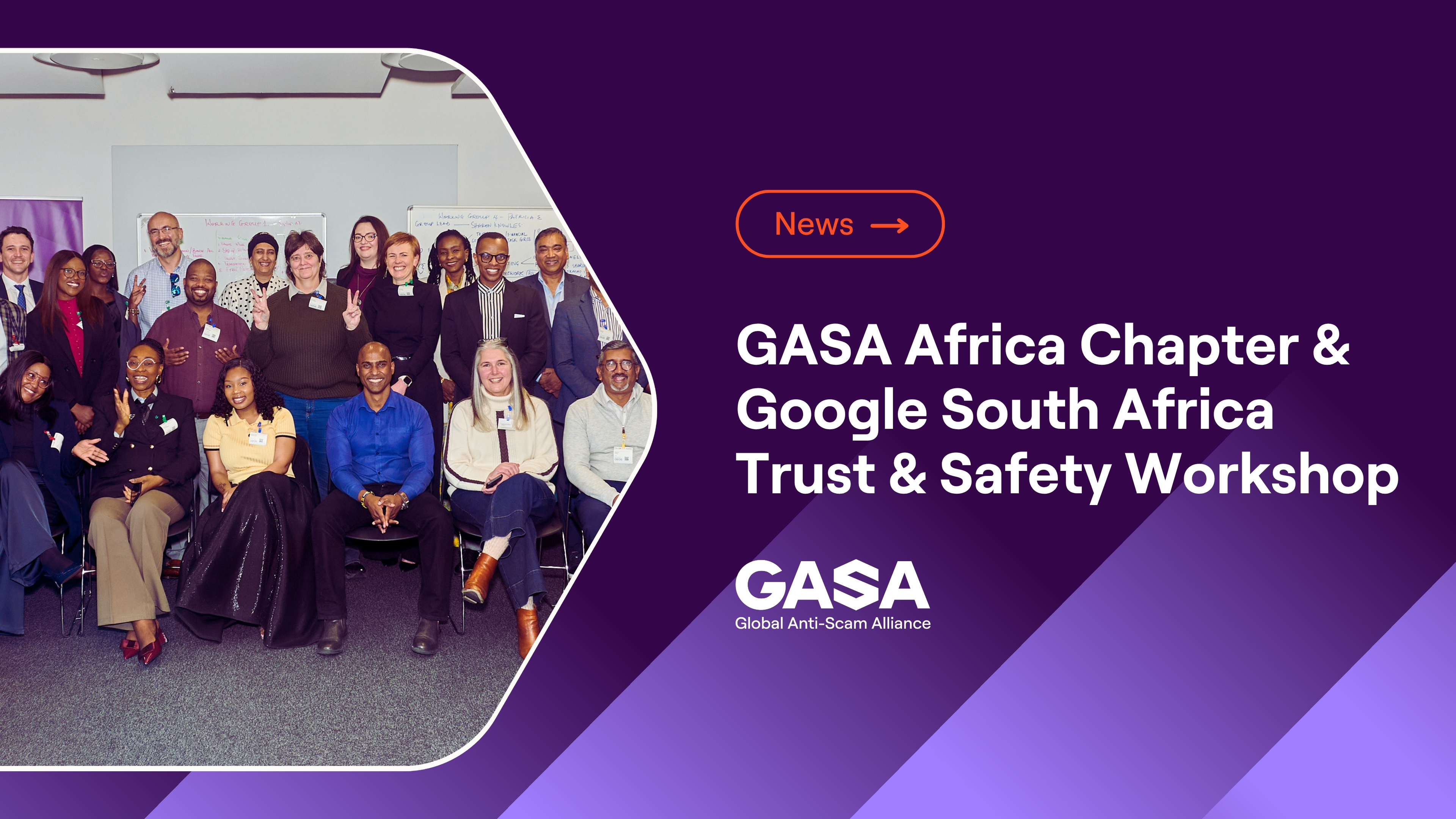
Accra Trust & Safety Workshop Turns Collaboration into Action Against Scams and Fraud in West Africa
GASA Africa Chapter and Google South Africa brought anti-fraud leaders together to strengthen cross-border cooperation and scam prevention.
State of Scams in Nigeria 2026: A Comparative Review Across Africa
Nigerian experts examine scam trends, technology, consumer protection and the need for stronger cross-sector collaboration.
Nearly three in four Danish adults encountered scams as estimated losses reach DKK 10.1 billion
New State of Scams Denmark 2026 report finds scam exposure is rising, while victims face repeated financial and emotional harm.
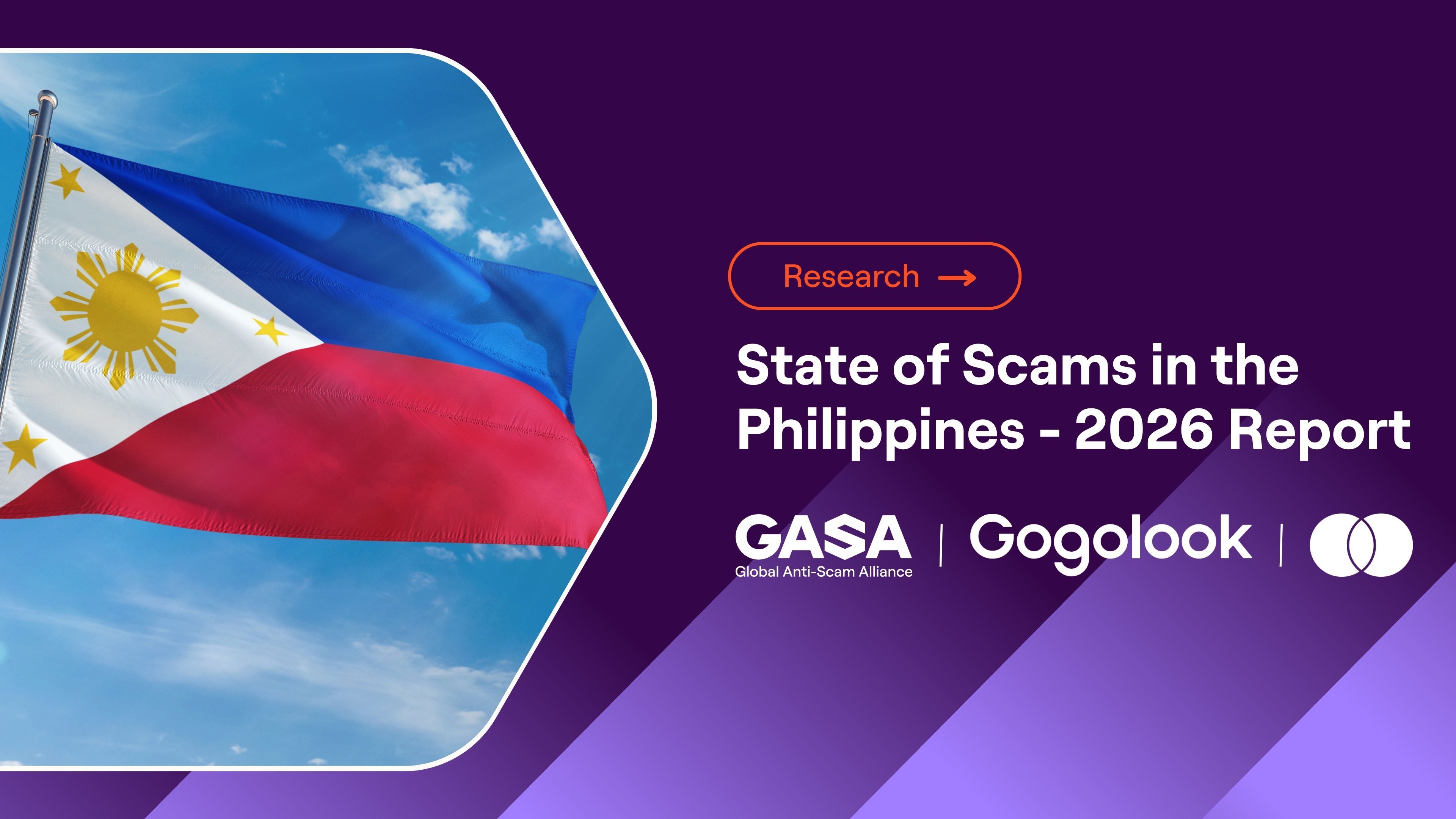
Building a More Trusted Digital Philippines: New Report Underscores the Need for Collective Action as Scam Exposure Continues to Rise
GASA’s State of Scams in the Philippines 2026 Report, in collaboration with Mastercard and Gogolook, highlights the growing scale of the scam challenge in the Philippines.
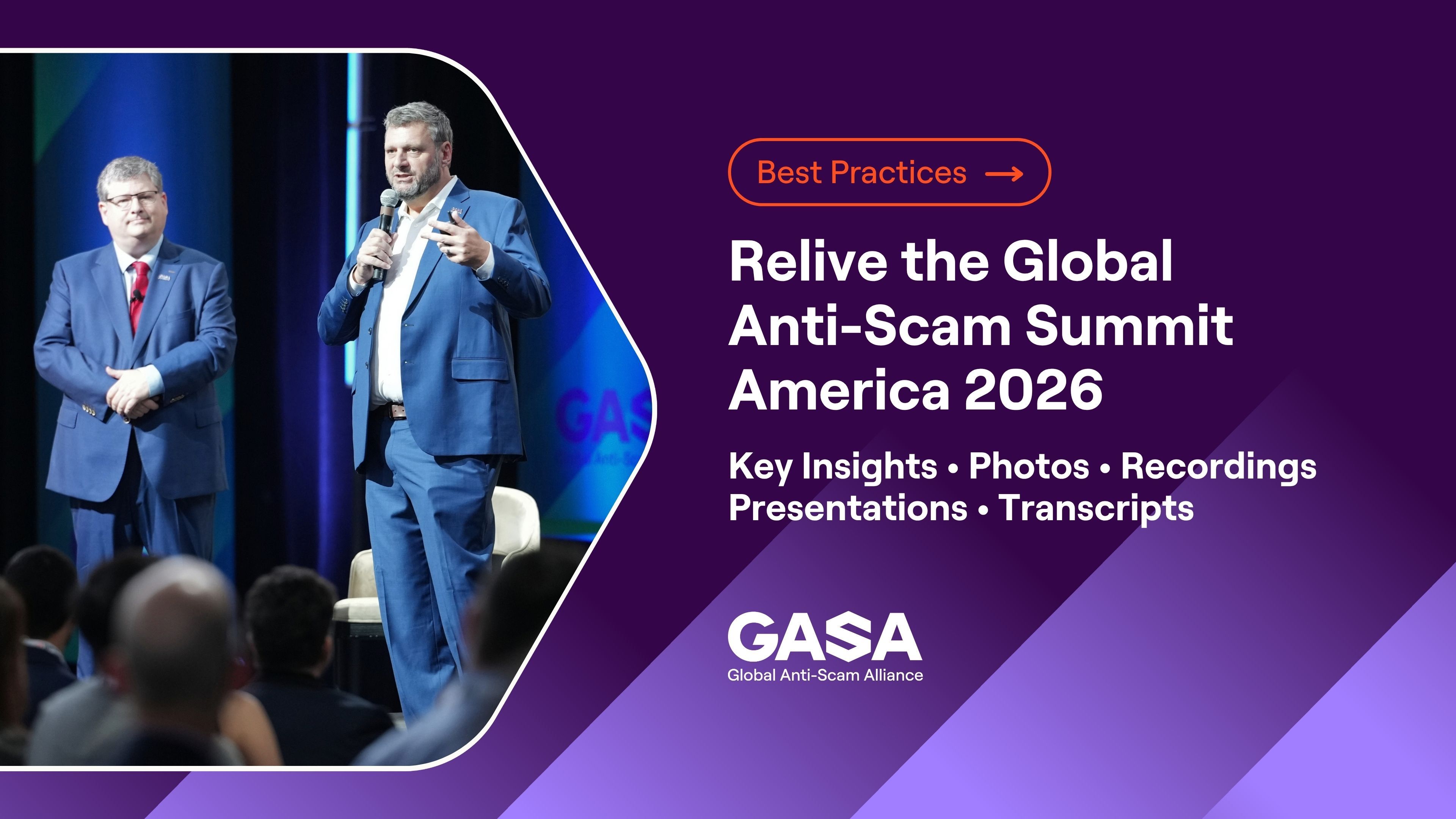
Global Anti-Scam Summit America 2026: Highlights, Insights and Resources
Explore GASS America 2026 highlights and insights, with the Summit summary, photos, presentation slides, transcripts and session recordings from San Francisco.
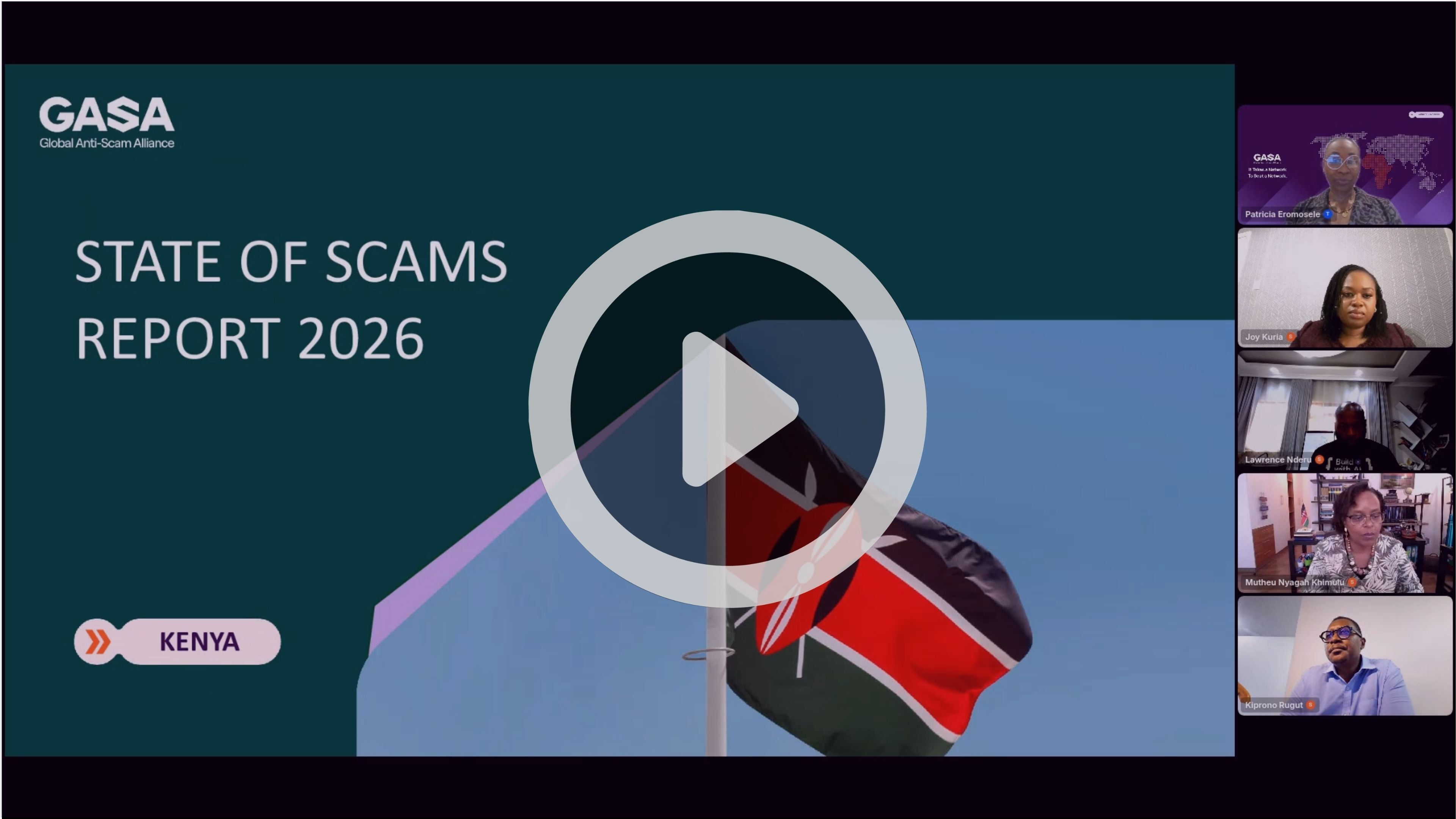
State of Scams in Kenya 2026: A Comparative Review Across Africa
Kenyan experts examine scam trends, data sharing, digital trust and the need for stronger cross-sector prevention.
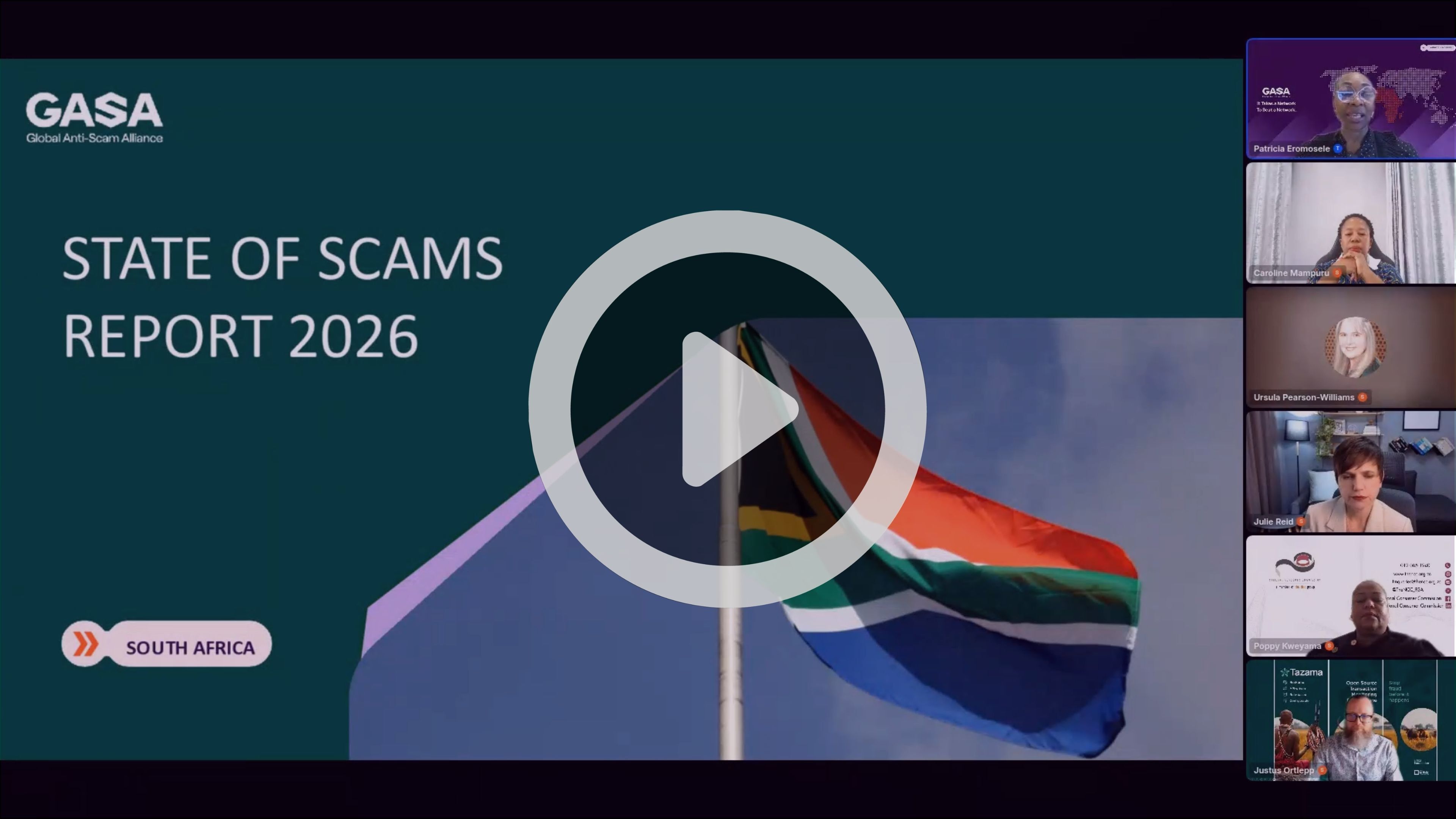
State of Scams in South Africa 2026: A Comparative Review Across Africa
South African experts examine scam trends, AI, consumer protection and the need for stronger cross-sector collaboration.
-3.jpg)
More than one in five adults in Japan encountered scams in the past year
New State of Scams Japan 2026 report examines how scams are reaching consumers and where stronger prevention and collaboration can make a difference