
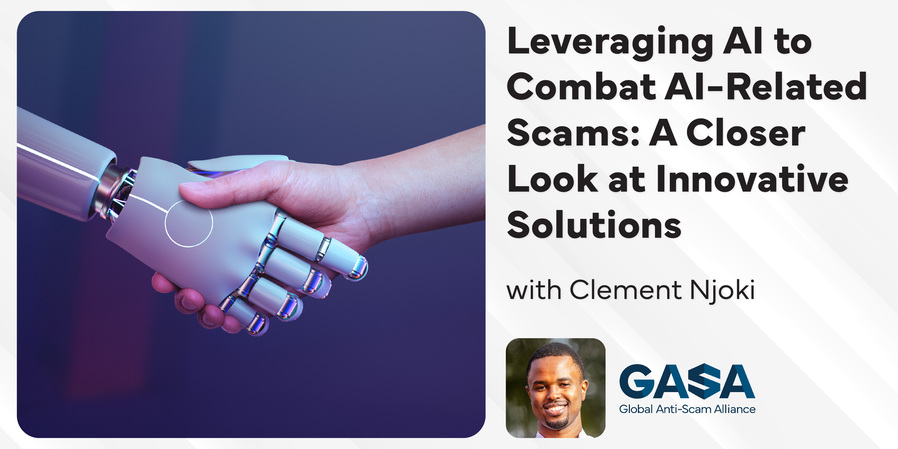
Artificial intelligence has exploded to greater proportions than many would have imagined only a year or two ago. We've observed the positive contributions of generative AI to the world, but unfortunately, we've also seen the darker side with the rise of AI-related scams. These scams exploit the very technologies designed to advance our digital capabilities. Intriguingly, the same generative AI technologies responsible for perpetrating fraud are now being repurposed to fight scams through advanced identity verification and management solutions. This paradoxical twist arms government agencies with a novel tool in their defense against fraud, waste, and abuse.
In this article, we will take a look at the applications and benefits of AI while taking the strategic mitigation of threats into account.
Biometric Authentication
One of the most promising developments in the fight against AI-related scams is the adoption of biometric authentication. Unlike traditional password-based systems, biometric authentication relies on unique physical or behavioral attributes to verify the identity of individuals.
The biggest advantage of biometric authentication is the elimination of the risk associated with stolen passwords. By using features like fingerprints, facial recognition, or iris scans, AI-powered systems ensure that only authorized users gain access to sensitive information.
While the concept of biometric authentication itself is not new, its significance has grown exponentially in the face of escalating AI-related scams, particularly those involving the creation of deepfakes. AI can be used to distinguish between man and machine. Using unique features such as voiceprints or gait analysis, AI-powered biometric authentication systems can effectively differentiate between human users and AI-generated entities. This capability adds an extra layer of security in an environment where deepfake technology is becoming increasingly sophisticated.
Pattern Recognition and Anomaly Detection
AI's prowess in pattern recognition and anomaly detection is harnessed to safeguard against fraudulent activities. By analyzing historical data, AI systems can learn the normal patterns associated with personally identifiable information (PII). Any deviation from these established patterns raises a red flag, triggering an alert for further investigation. Generative AI models, when trained, have the capability to flag emails with gibberish addresses, signaling a potential threat from bad actors. This proactive approach allows organizations to identify and mitigate potential threats before they escalate.
Voice Biometrics
Voice biometrics technology authenticates users based on their unique voiceprints, which include vocal range, talking speed, and speech patterns. By using these inherent characteristics, organizations can add an extra layer of security to verify the identity of callers. Voice biometrics not only enhances user authentication but also provides a seamless and natural experience, eliminating the need for complex passwords or additional verification steps.
Among the tools accessible in the market, Udentify stands out by employing artificial intelligence for facial and voice recognition, complemented by passive liveness detection.
Intelligent Risk Assessment
Intelligent risk assessment technologies possess the ability to discern contextual relationships between various inputs and other pertinent data, such as addresses, consumer history, and interrelationships. By utilizing this additional layer of intelligence, these technologies go beyond conventional risk assessment methods. Government agencies can now obtain a more comprehensive risk profile for each entity, allowing for a detailed understanding of potential threats. Gogolook , a forefront app development company, leverages artificial intelligence for worldwide digital fraud prevention and risk management services.
This enhanced capability allows agencies to focus their compliance efforts on high-risk entities, ensuring a targeted approach to security. Importantly, it helps minimize the common issue of false positives that often arise from overly cautious matching methods. By capitalizing on generative AI for intelligent risk assessment, government agencies can navigate the complexities of AI-related scams more effectively, making their defense strategies both nimble and precise.
Parting Reflection: AI Can Be a Strong Ally
As we conclude our exploration of combating AI-related scams, it becomes clear that innovation can indeed be a powerful ally in cybersecurity. Rather than being solely the source of threats, generative AI technologies are proving instrumental in our defense against fraud.
In this context, noteworthy advancements are being made to address the growing challenge of AI-generated content. In November 2023, GASA Marketing Director Sam Rogers visited the APWG eCrime Symposium held in Barcelona. At the forefront of innovation during this event stood Chema Alonso , the enigmatic keynote speaker from Telefonica who revealed the company's endeavors to tackle the convincing AI deepfake problem.
Inspired by the Voight-Kampff test featured in the dystopian future film, Blade Runner, Telefonica is developing AI-driven 'digital fingerprint' technology. This groundbreaking approach involves a sophisticated algorithm and a camera, enabling computers to discern the authenticity of individuals on screens by tracking their known mannerisms, eye movements, and even heart rhythms.
In simpler terms, the adoption of biometric authentication, voice recognition, and intelligent risk assessment represents a practical and effective strategy. Biometric authentication, with its emphasis on unique personal attributes, provides a secure alternative to traditional passwords. Voice biometrics, considering distinct vocal features, ensures a reliable user authentication process. Additionally, the combination of pattern recognition and anomaly detection, coupled with intelligent risk assessment, allows organizations to proactively identify and address potential threats.
While this is all very positive, these solutions that we are beginning to rely on, could themselves be threatened with obsolescence in the near future. As AI continues to rapidly evolve and new threats emerge, we cannot simply congratulate ourselves on a job well done. One day we may find the perfect solution, but until then, we must continue to develop new ways to protect ourselves. It's not just about fortifying our defenses; it's about doing so in a way that is adaptable, accurate, and aligns with a need to go about our digital lives in the knowledge that we are safe.
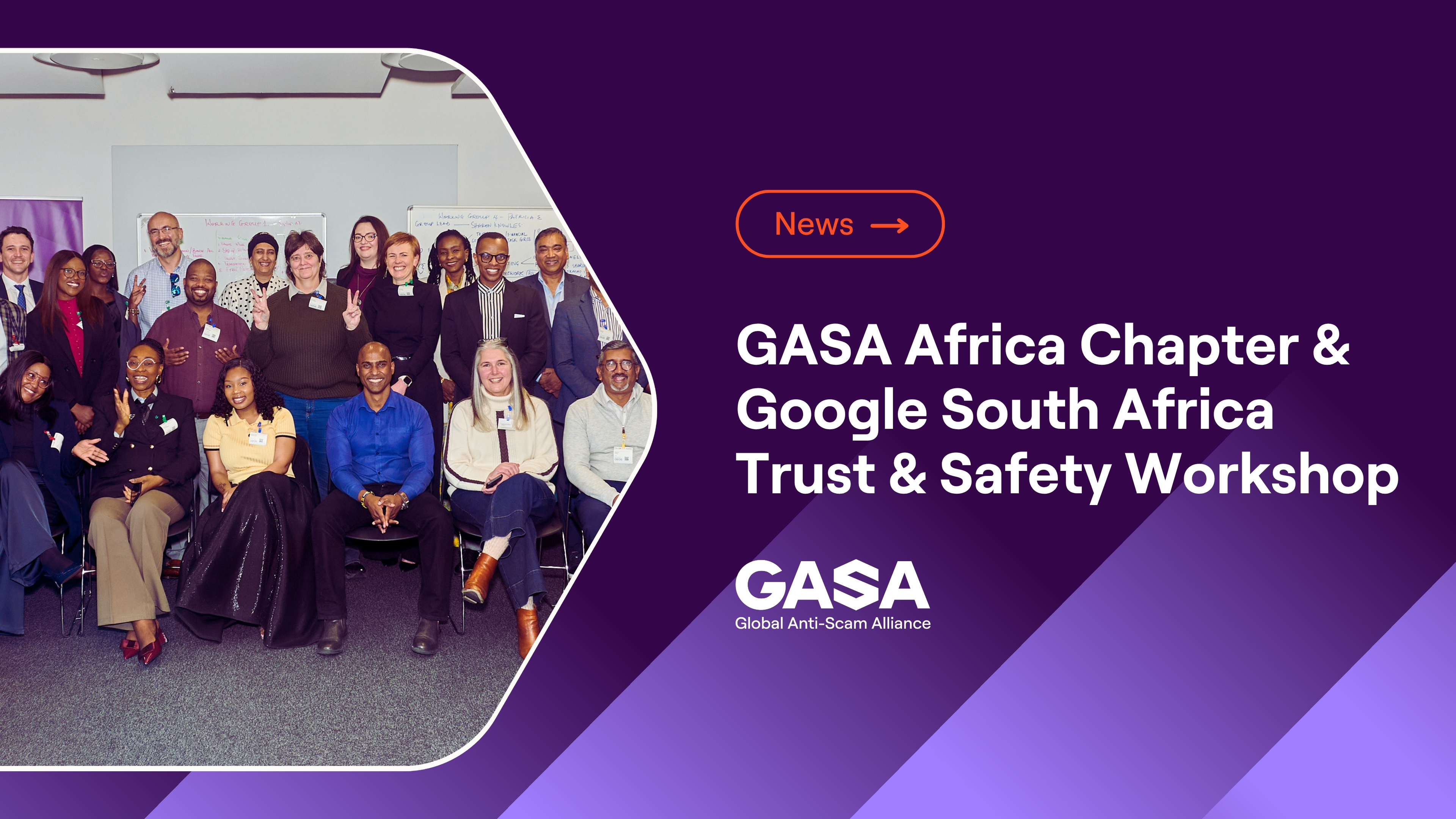
Accra Trust & Safety Workshop Turns Collaboration into Action Against Scams and Fraud in West Africa
GASA Africa Chapter and Google South Africa brought anti-fraud leaders together to strengthen cross-border cooperation and scam prevention.
State of Scams in Nigeria 2026: A Comparative Review Across Africa
Nigerian experts examine scam trends, technology, consumer protection and the need for stronger cross-sector collaboration.
Nearly three in four Danish adults encountered scams as estimated losses reach DKK 10.1 billion
New State of Scams Denmark 2026 report finds scam exposure is rising, while victims face repeated financial and emotional harm.

Building a More Trusted Digital Philippines: New Report Underscores the Need for Collective Action as Scam Exposure Continues to Rise
GASA’s State of Scams in the Philippines 2026 Report, in collaboration with Mastercard and Gogolook, highlights the growing scale of the scam challenge in the Philippines.
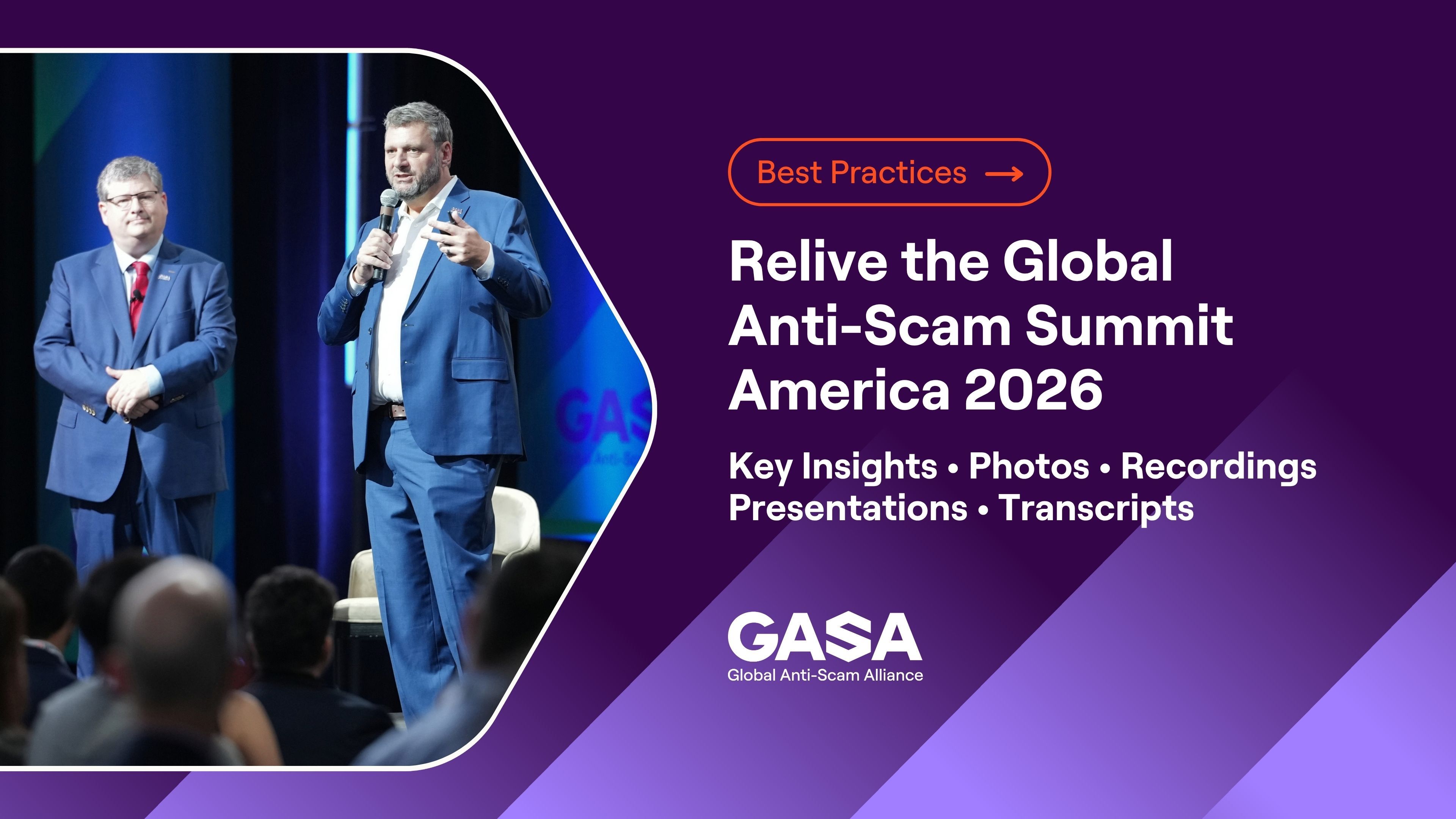
Global Anti-Scam Summit America 2026: Highlights, Insights and Resources
Explore GASS America 2026 highlights and insights, with the Summit summary, photos, presentation slides, transcripts and session recordings from San Francisco.
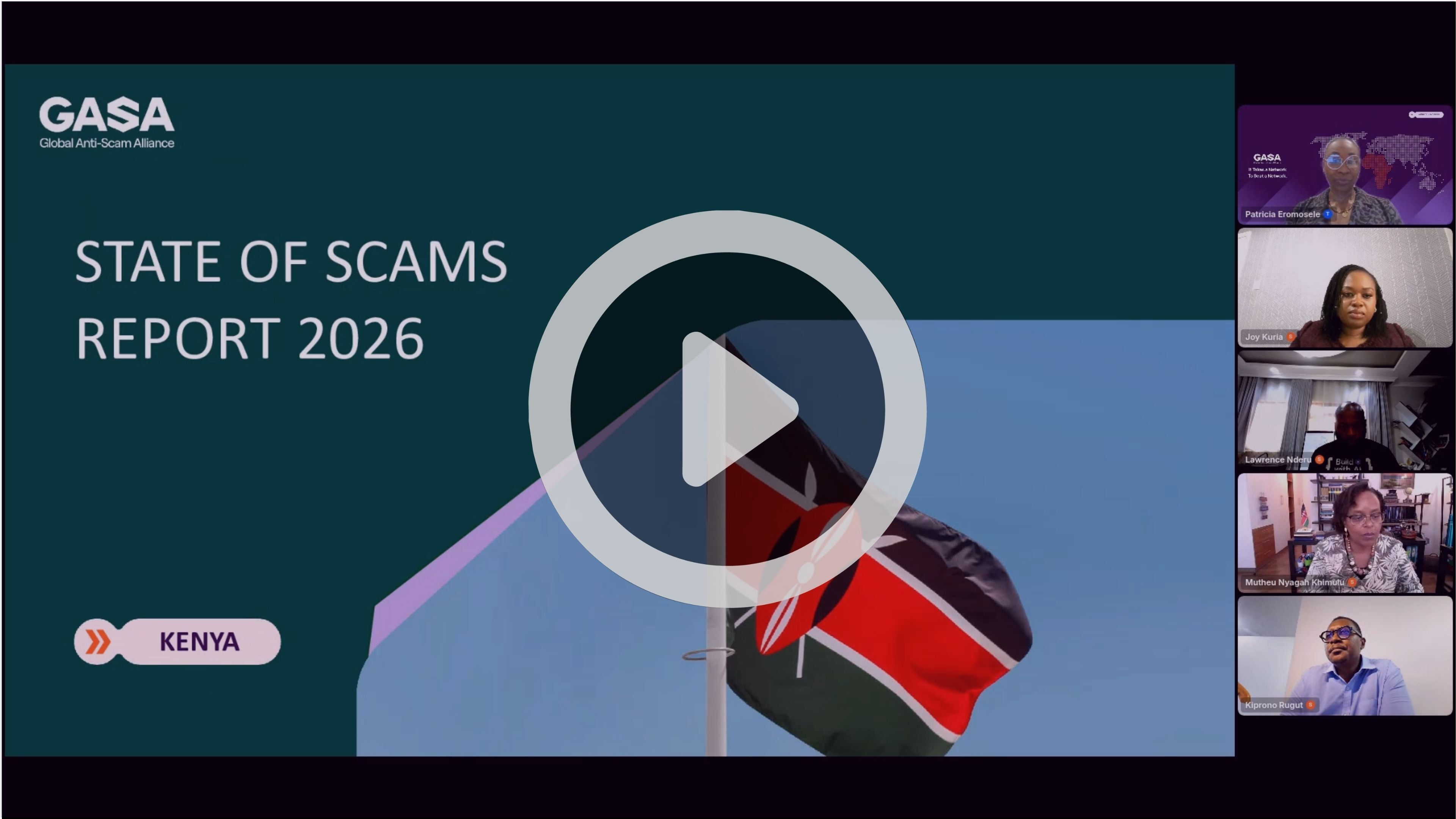
State of Scams in Kenya 2026: A Comparative Review Across Africa
Kenyan experts examine scam trends, data sharing, digital trust and the need for stronger cross-sector prevention.
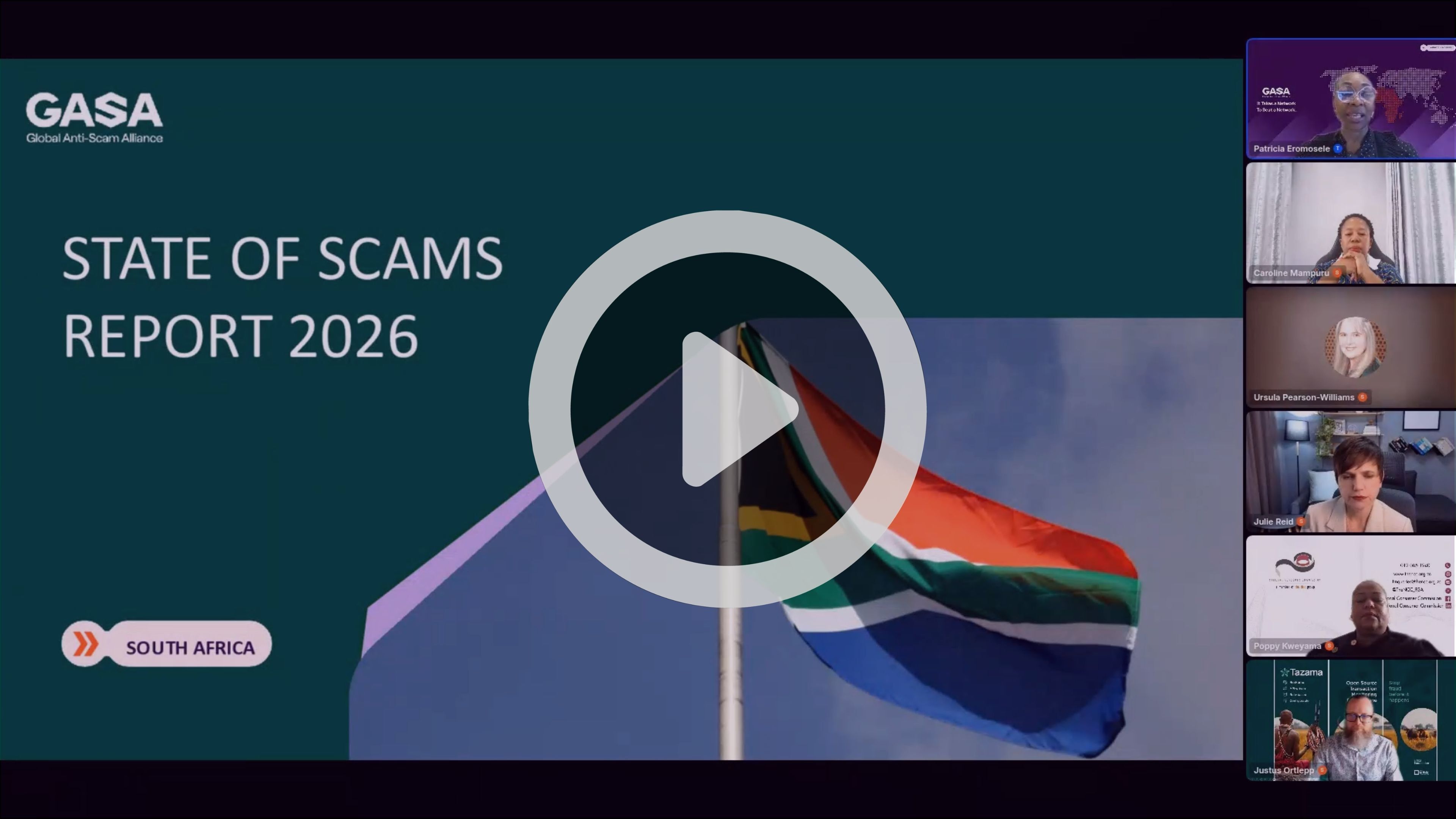
State of Scams in South Africa 2026: A Comparative Review Across Africa
South African experts examine scam trends, AI, consumer protection and the need for stronger cross-sector collaboration.
-3.jpg)
More than one in five adults in Japan encountered scams in the past year
New State of Scams Japan 2026 report examines how scams are reaching consumers and where stronger prevention and collaboration can make a difference