
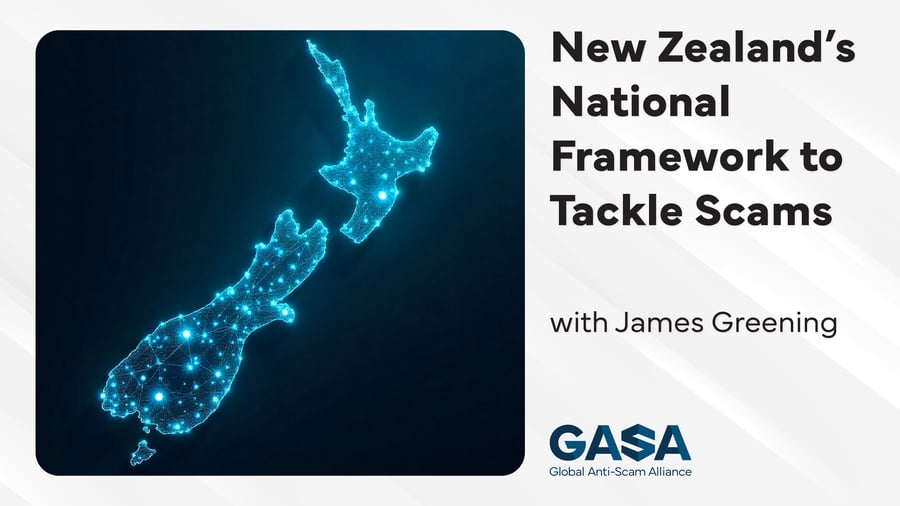
Across the Asia–Pacific region, governments are moving toward national, cross-sector alliances to combat scams more effectively. Australia’s Scam Safe Accord has established enforceable standards for banks and digital platforms, while Singapore’s Anti-Scam Centre brings together police, telcos and financial institutions for real-time response.
New Zealand has now joined this coordinated movement with the launch of the New Zealand Anti-Scam Alliance (NZASA) , announced by the Ministry of Business, Innovation and Employment (MBIE) in July 2025.
The initiative introduces a formal structure that connects regulators, banks, telecommunications providers, digital platforms and consumer organisations under one national framework. Its goal is to align prevention, disruption and public awareness across sectors that have traditionally acted separately.
What the Alliance Is and Why It Matters
The initiative responds to a growing threat: over 60 percent of New Zealanders now encounter online financial scams monthly , and annual losses are estimated in the hundreds of millions of dollars.
The alliance provides a structure for sharing real-time scam data, updating industry codes of practice, and supporting public education. Work is also under way to amend existing legislation to allow faster, lawful intelligence sharing between public and private partners under the Fair Trading Act .
A Framework Built Around Four Pillars
The alliance’s national work programme is structured around four pillars: Collaboration, Disruption, Education and Awareness, and Voluntary Codes.
Collaboration will formalise data sharing and coordination between agencies and industries.
Disruption will focus on shutting down active scam networks through joint action.
Education and Awareness will strengthen communication with consumers and businesses.
Voluntary Codes will encourage sectors to raise their own standards for scam detection and prevention.
The design phase runs until the end of 2025, after which implementation will begin in January 2026 under the coordination of MBIE.
Co-leads include the Bank of New Zealand, Department of Internal Affairs, Telecommunications Forum, Police, ASB Bank, and the National Cyber Security Centre, supported by major banks, telcos, platforms, and consumer groups.
Early Progress
Even before full implementation, alliance members have advanced several complementary initiatives. The New Zealand Banking Association completed the national rollout of Confirmation of Payee , allowing customers to verify account names before transferring funds. The Financial Markets Authority (FMA) has issued more than a hundred new scam warnings and intensified disruption of fraudulent websites.
Other actions outlined in the alliance framework are already active. Google New Zealand requires verification for financial advertisers to prevent unlicensed promotions, building on the Financial Services Verification programme introduced in 2024 and now aligned with the alliance’s goals.
The Department of Internal Affairs is developing an all-of-government app that enables agencies to send authenticated messages to citizens, reducing impersonation scams. The telecommunications sector has introduced stricter SIM-swap verification and joint blocking of malicious domains, while banks and telcos share intelligence on scam websites to coordinate takedowns.
Linking National Efforts to Global Collaboration
Because scams increasingly cross national borders, the NZASA includes plans to share intelligence with overseas counterparts and to participate in international disruption efforts. Its approach is consistent with global initiatives coordinated by the Global Anti-Scam Alliance (GASA) , which connects governments, financial institutions, telcos, and platforms working together to combat scams.
New Zealand’s involvement is also reflected through the GASA Oceania Chapter , chaired by Netsafe and comprising organisations from across the Asia–Pacific region, including Meta , Mastercard , AusPayNet , and the New Zealand Telecommunications Forum (TCF) . The chapter promotes regional collaboration on data sharing, research, and coordinated disruption of scams, helping ensure that New Zealand’s national framework evolves in step with global best practices.
These links give the alliance access to international best practices in data sharing and disruption, ensuring New Zealand’s national framework evolves in step with broader Asia–Pacific and global efforts to fight scams.
State of Scams in New Zealand: The Case for Coordination
Findings from the Global Anti-Scam Alliance and Netsafe’s State of Scams in New Zealand 2025 Report reinforce the need for a coordinated national response.
The study found that 82 percent of New Zealanders have encountered a scam, and 23 percent have lost money, with average losses of NZ$3,352 (US$1,915) . National losses are estimated at nearly NZ$3 billion , equivalent to 0.75 percent of GDP .
The most common scams involve online shopping and unexpected money offers , often spread through email and SMS channels. While most victims report incidents to their banks or payment providers, only a third recover any funds, and many choose not to report at all, citing uncertainty about where to go or lack of confidence that action will be taken.
These patterns highlight the gaps that the New Zealand Anti-Scam Alliance seeks to close – by improving data sharing, aligning industry standards and creating clearer reporting pathways for consumers. They also emphasise the urgency of a national approach that connects prevention, disruption and victim support under one framework.
Read the Report - State of Scams in New Zealand 2025
What to Expect Next
The alliance’s national work plan is expected to be completed by the end of 2025, marking the close of its design phase and the transition to full implementation in early 2026. Each of the four pillars, Collaboration , Disruption , Education and Awareness , and Voluntary Codes , will move from planning to delivery, with sector-specific initiatives led by banks, telcos, digital platforms and regulators.
The coming year will test how effectively these pillars translate into operational results such as faster data sharing, coordinated disruption of active scams and stronger consumer protections. It will also show whether proposed legislative updates and voluntary code revisions can create a lasting framework for cross-sector cooperation.
By turning strategy into measurable action, the New Zealand Anti-Scam Alliance aims to demonstrate how a national, coordinated approach can raise the country’s resilience to scams.
About the Author
James Greening , operating under a pseudonym, brings a wealth of experience to his role. Formerly the sole driving force behind Fake Website Buster, James leverages his expertise to raise awareness about online scams. He currently serves as a Content Specialist for the Global Anti-Scam Alliance (GASA).
James’s mission aligns with GASA’s mission to protect consumers worldwide from scams. He is committed to empowering professionals with the insights necessary to detect and mitigate online scams, ensuring the security and integrity of their operations and digital ecosystems.

Accra Trust & Safety Workshop Turns Collaboration into Action Against Scams and Fraud in West Africa
GASA Africa Chapter and Google South Africa brought anti-fraud leaders together to strengthen cross-border cooperation and scam prevention.
State of Scams in Nigeria 2026: A Comparative Review Across Africa
Nigerian experts examine scam trends, technology, consumer protection and the need for stronger cross-sector collaboration.
Nearly three in four Danish adults encountered scams as estimated losses reach DKK 10.1 billion
New State of Scams Denmark 2026 report finds scam exposure is rising, while victims face repeated financial and emotional harm.
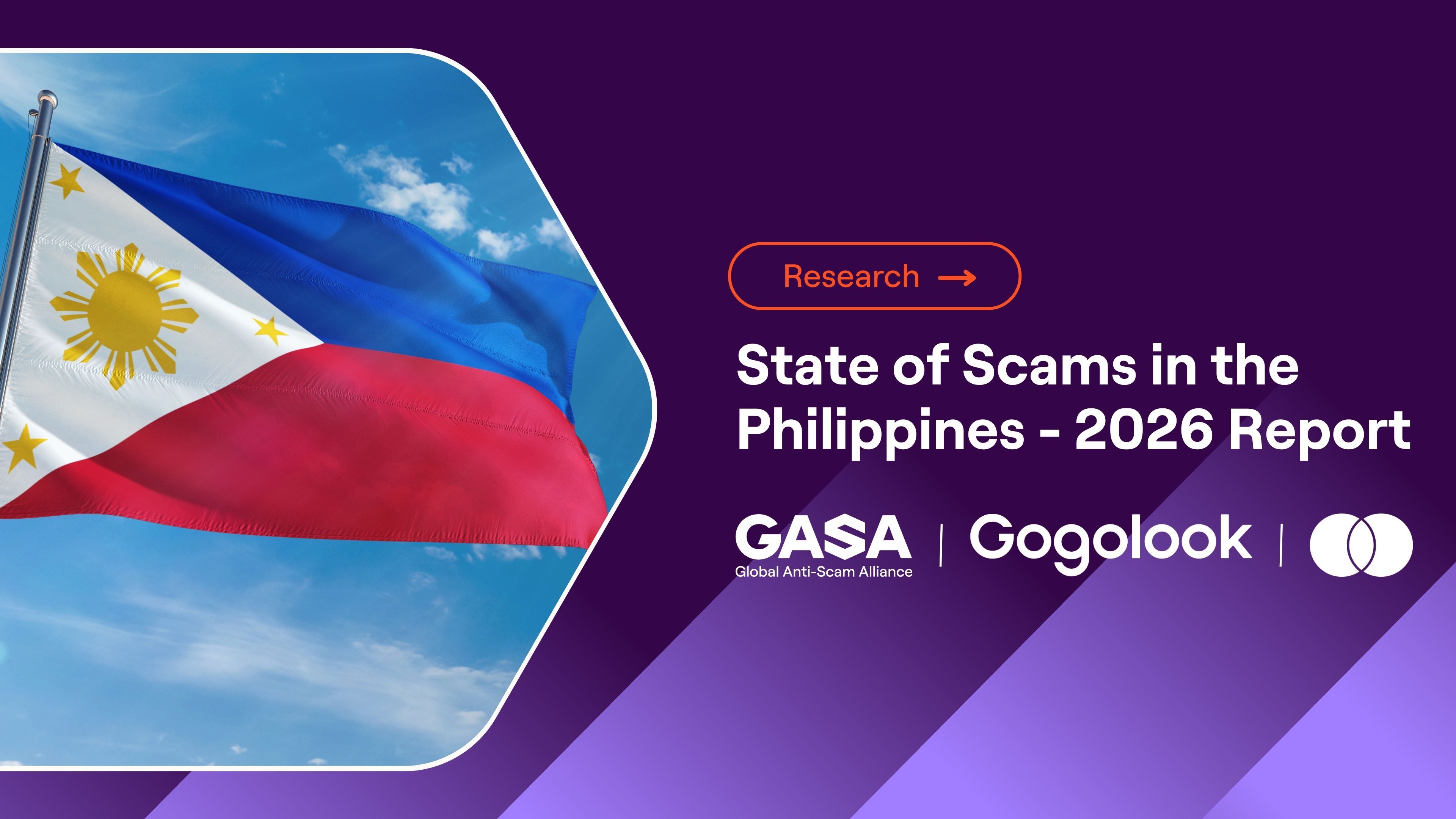
Building a More Trusted Digital Philippines: New Report Underscores the Need for Collective Action as Scam Exposure Continues to Rise
GASA’s State of Scams in the Philippines 2026 Report, in collaboration with Mastercard and Gogolook, highlights the growing scale of the scam challenge in the Philippines.
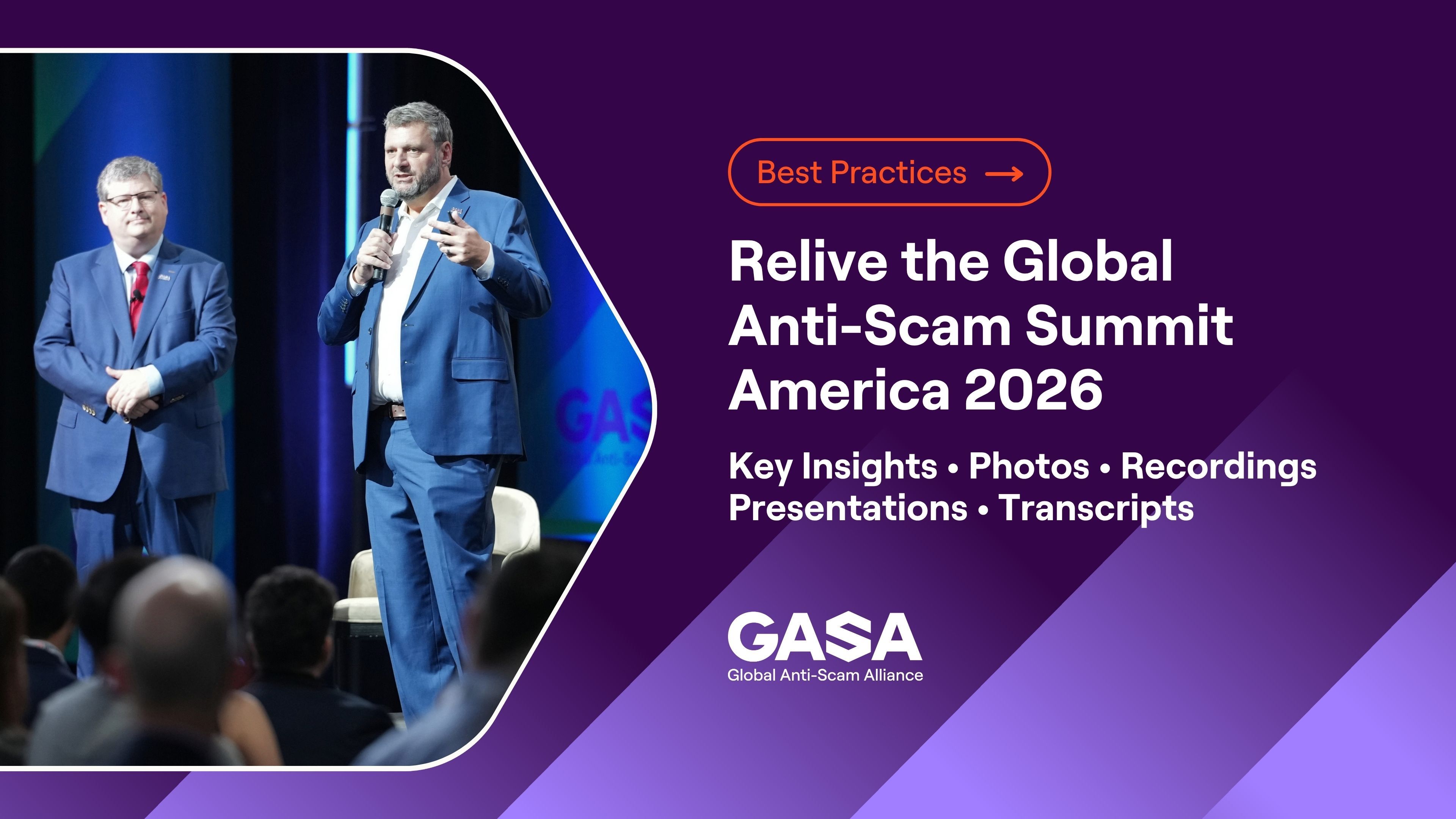
Global Anti-Scam Summit America 2026: Highlights, Insights and Resources
Explore GASS America 2026 highlights and insights, with the Summit summary, photos, presentation slides, transcripts and session recordings from San Francisco.
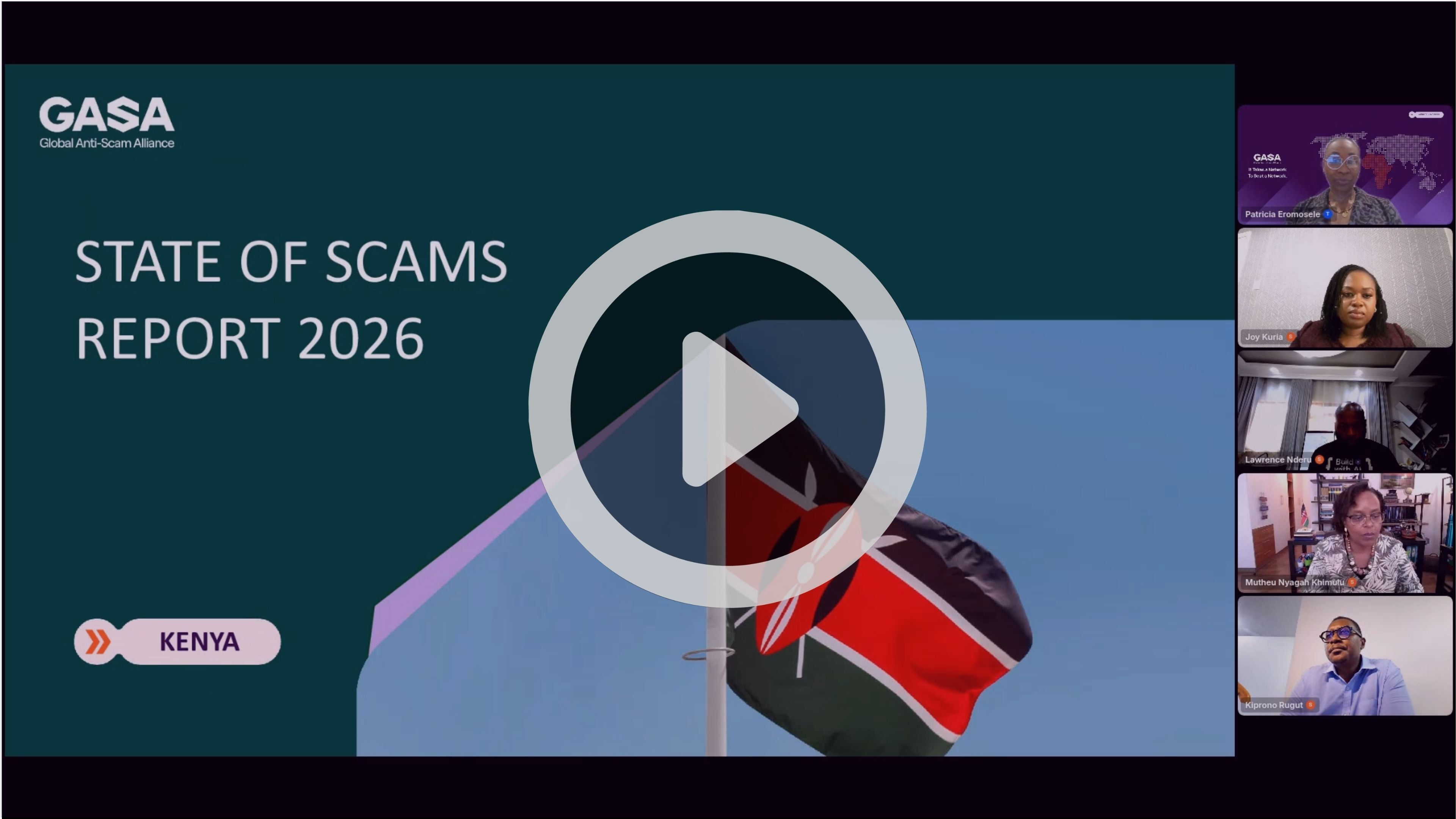
State of Scams in Kenya 2026: A Comparative Review Across Africa
Kenyan experts examine scam trends, data sharing, digital trust and the need for stronger cross-sector prevention.
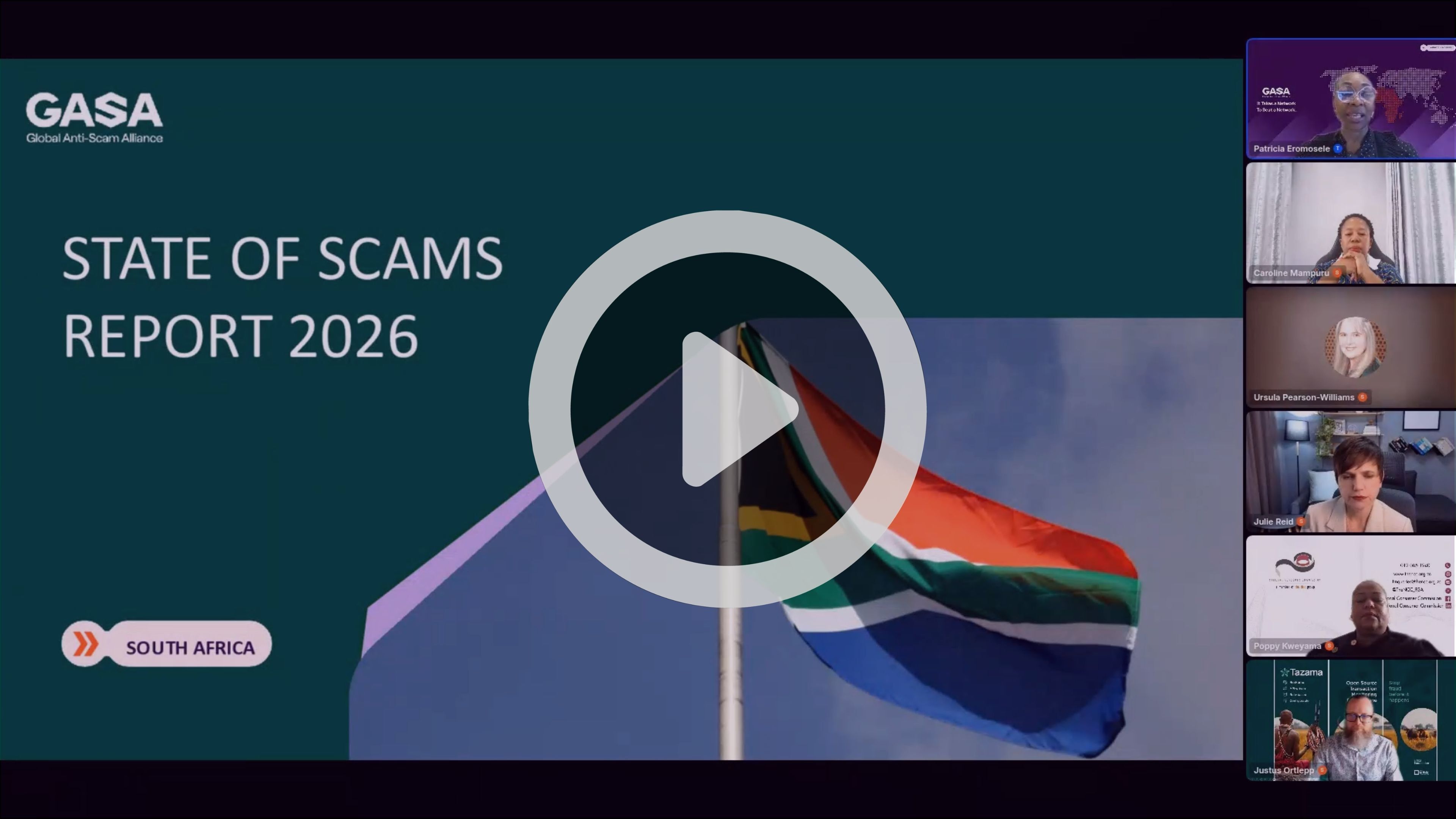
State of Scams in South Africa 2026: A Comparative Review Across Africa
South African experts examine scam trends, AI, consumer protection and the need for stronger cross-sector collaboration.
-3.jpg)
More than one in five adults in Japan encountered scams in the past year
New State of Scams Japan 2026 report examines how scams are reaching consumers and where stronger prevention and collaboration can make a difference