
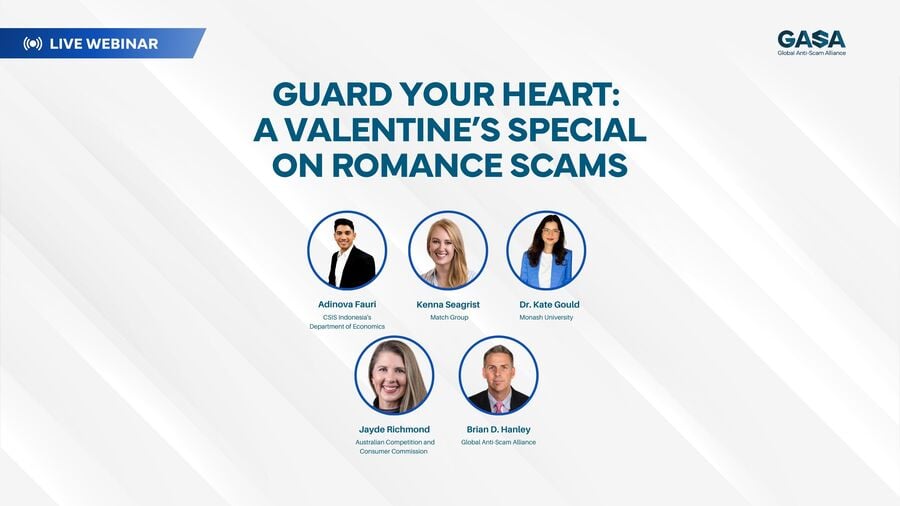
Date of Event:
20 February 2026
Event:
GASA Meet-Up
Romance scams are one of the most emotionally destructive forms of fraud, causing not only financial loss but long-term psychological harm. In Guard Your Heart , GASA Asia-Pacific convened experts to examine how romance scams operate, why their impact extends beyond money, and what coordinated action is required to prevent and disrupt them.
Hosted by the Global Anti-Scam Alliance (GASA) Asia-Pacific, the session focused on practical disruption, responsible platform safeguards, and trauma-informed recovery. The discussion reinforced that romance scams sit at the intersection of technology, finance, platforms, and mental health, requiring cross-sector collaboration rather than isolated responses.
Speakers
Adinova Fauri , Researcher – Centre for Strategic and International Studies (CSIS) Indonesia
Jayde Richmond , General Manager – National Anti-Scam Centre, Australian Competition and Consumer Commission
Dr Kate Gould , Clinical Neuropsychologist & Senior Research Fellow – Monash University
Kenna Seagris t, Sr. Manager, Trust & Safety Operations – Match Group
Brian Hanley , Director, Asia Pacific – Global Anti-Scam Alliance (Moderator)
Speakers outlined how romance scams typically begin on dating or social platforms before quickly moving to private messaging channels. Scammers escalate emotional intensity, build dependency, and eventually request funds under the guise of emergencies, travel expenses, or investment opportunities. Increasingly, criminal networks are deploying AI-generated identities and sophisticated payment channels, including cryptocurrency, to enhance credibility and scale operations.
The discussion highlighted that vulnerability is not confined to one demographic group. Younger dating app users, older individuals, and highly educated professionals are all targeted. From an operational standpoint, Australia’s Romance Scam Fusion Cell demonstrated how banks, cryptocurrency exchanges, law enforcement, and platforms can share de-identified risk signals to interrupt financial flows and disrupt scam networks.
Speakers also emphasised the importance of stigma reduction, frontline response guidance, and trauma-informed care to support victims who often experience shame, isolation, and long-term psychological harm.
The meet-up concluded with a clear call for stronger public–private partnerships, responsible AI deployment, cross-border cooperation, and victim-centred recovery frameworks to address the growing complexity of romance scams.
Watch the full discussion below to learn how Asia-Pacific leaders are strengthening their defences against romance scams.

FTC’s Never EVER Campaign Helps Prevent Elder Financial Abuse With Simple, Specific Scam Warnings
The FTC’s Never EVER campaign uses simple, specific imposter scam warnings to help prevent elder financial abuse and support coordinated consumer education.
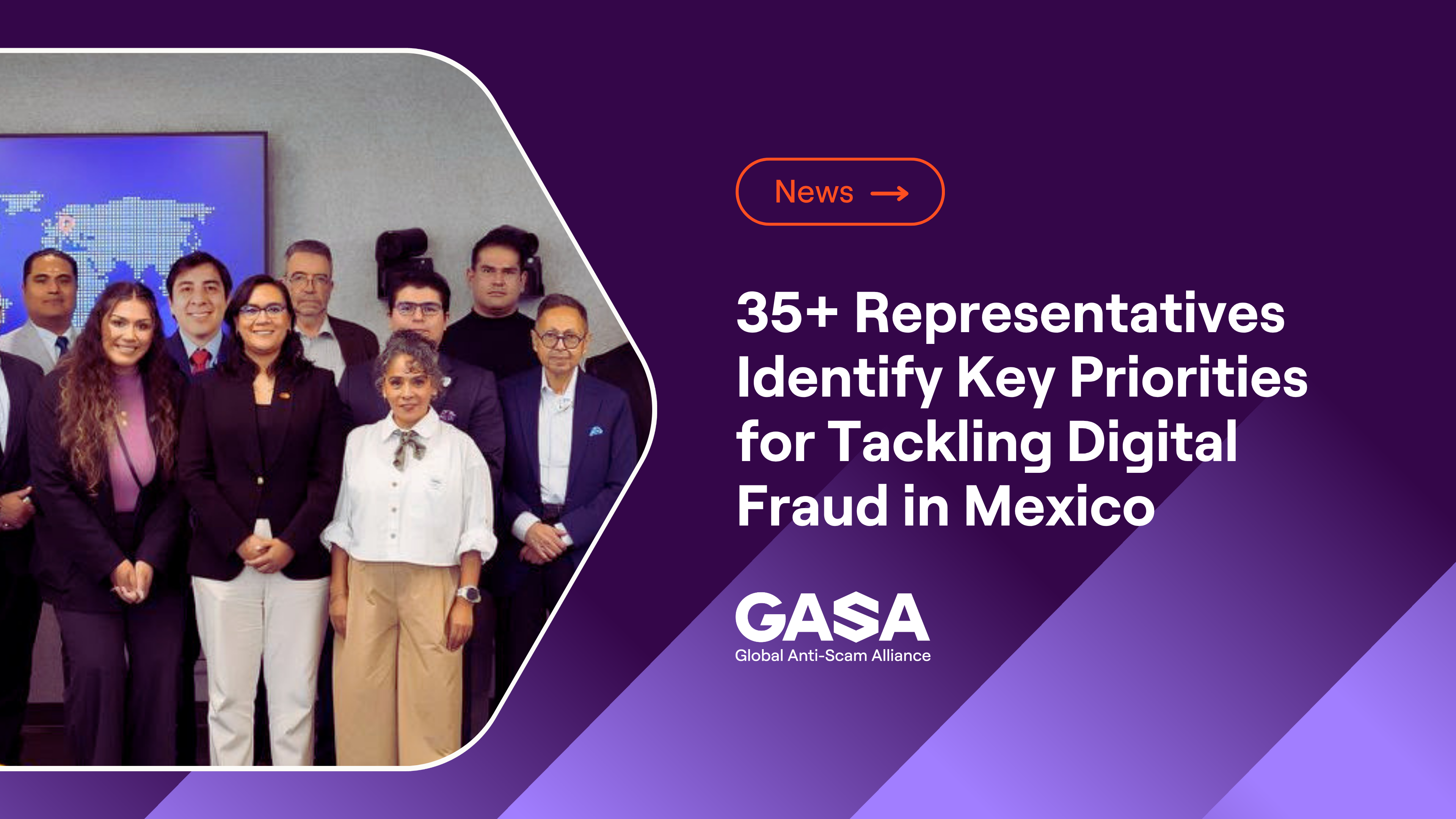
GASA Mexico's Second Roundtable Advances Coordinated Action Against Digital Fraud
GASA Mexico's second roundtable brought together more than 35 representatives to strengthen coordination across cybersecurity, fraud prevention and other sectors.
Cognyte Joins Global Anti-Scam Alliance to Fight Financial Fraud Threats
Cognyte, a global leader in investigative analytics software, today announced its membership in the Global Anti-Scam Alliance (GASA).
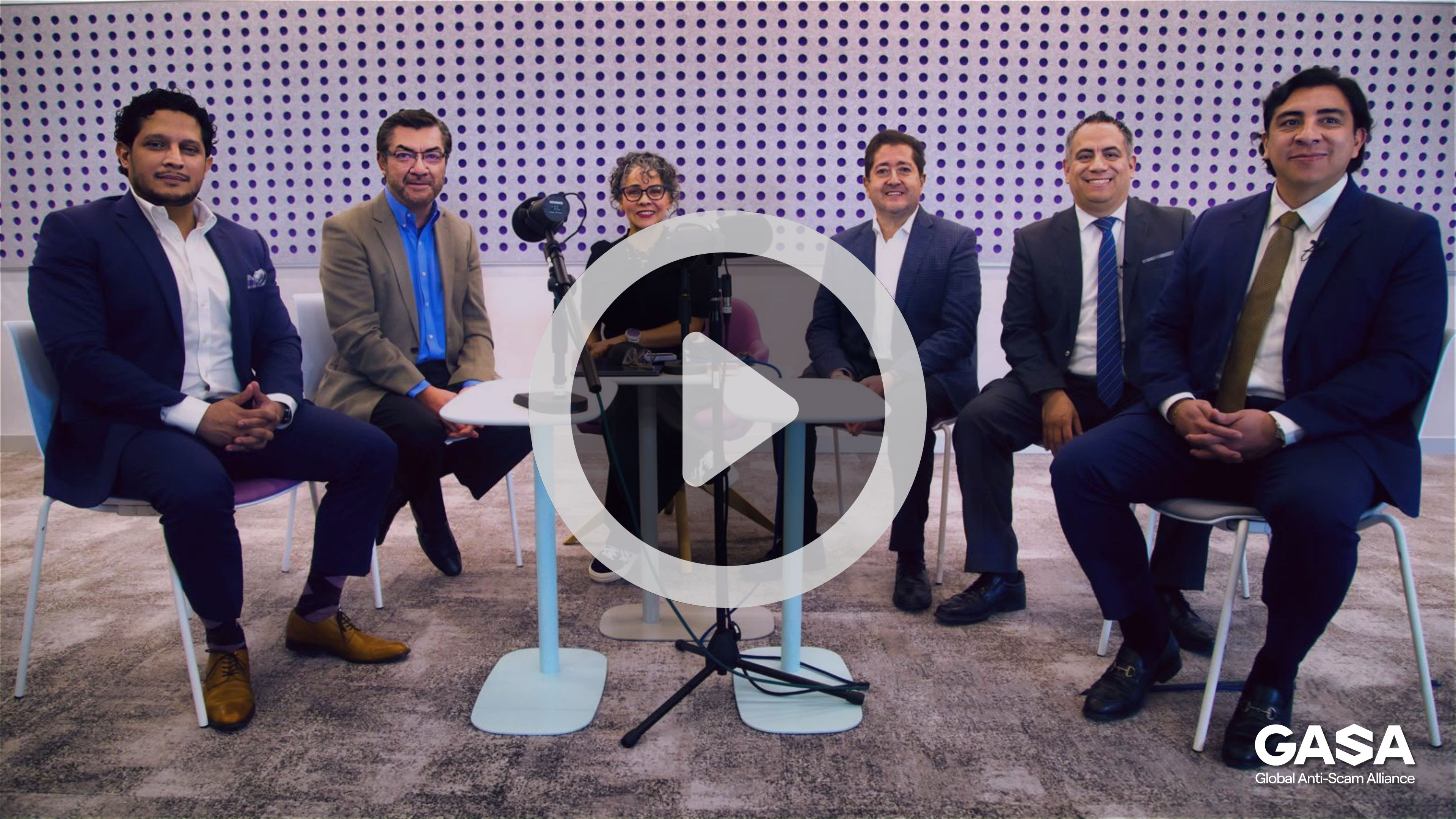
A network is beaten by a network: Mexico's banks move from remediation to prevention
GASA convened the ABM Fraud Committee and Mexican banks to advance the enriched agreement and strengthen coordinated fraud prevention across the sector.
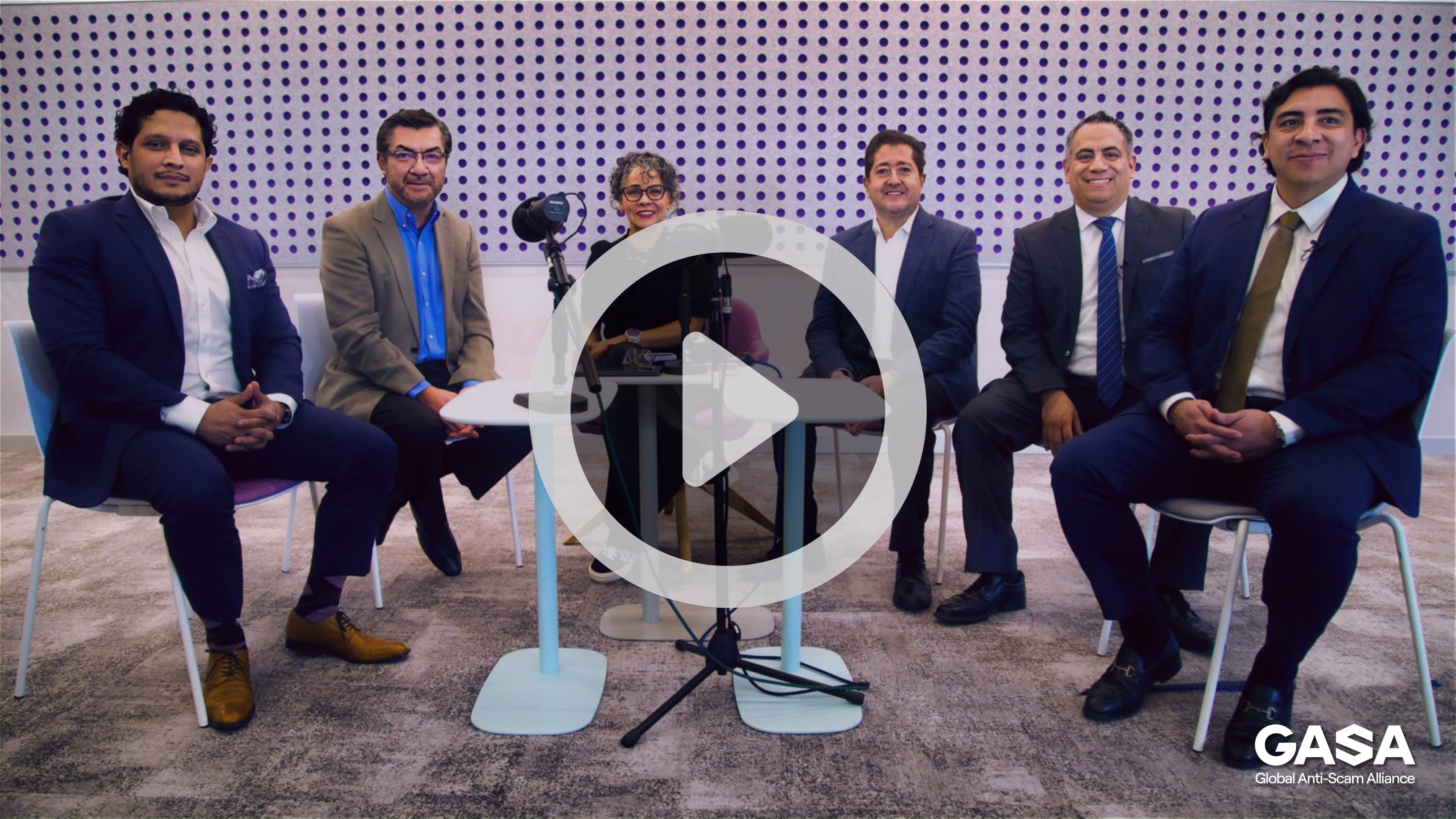
Una red se combate con una red: la banca mexicana avanza de la remediación a la prevención
GASA reunió al Comité de Fraudes de la ABM y a bancos mexicanos para avanzar el convenio enriquecido y fortalecer la prevención coordinada del fraude.
Appeals Centre Europe Report Points to Gaps in Social Media Scam Moderation
Appeals Centre Europe’s Transparency Report, covering April 2025 to March 2026, highlights early fraud and scam dispute findings relevant to social media moderation and scam prevention.
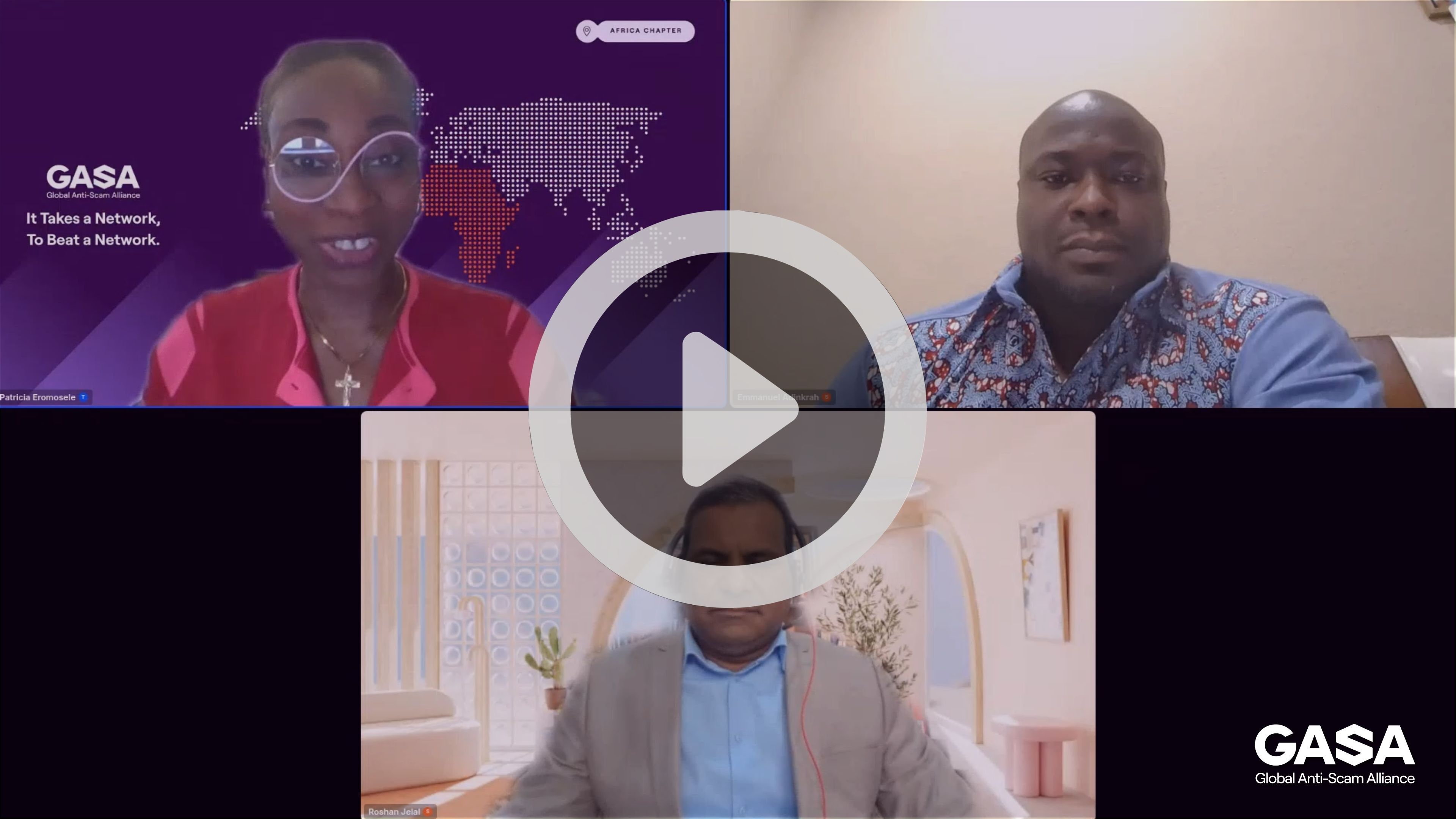
Protecting Seniors and Vulnerable Communities from Fraud
Experts from financial services, internet safety and policy explore how families, banks and communities can better protect vulnerable groups from fraud.
Fenasbac and GASA Report Outlines a Cross-Sector Response to Digital Scams in Brazil
Fenasbac and GASA’s Brazil Blueprint examines how finance, telecoms, technology and regulators can share intelligence to strengthen protection against digital scams.