
As the 2026 FIFA World Cup continues, scammers are using the excitement around the tournament to target fans, travellers and consumers. Fraud risks linked to ticket purchases, resale platforms, travel bookings, digital payments and fake websites remain active throughout the tournament, especially as fans look for last-minute tickets, accommodation or viewing options.
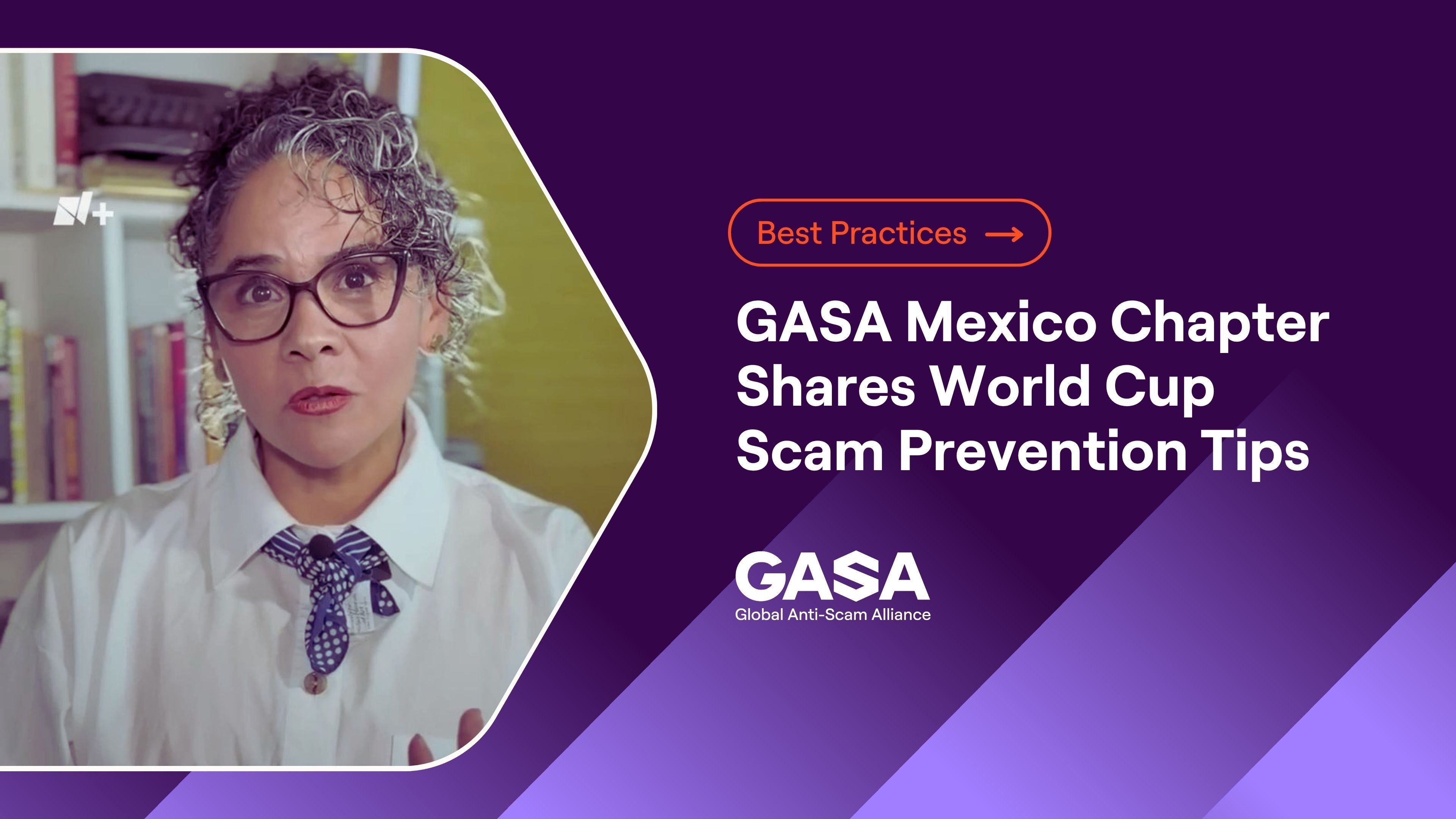
GASA Mexico Chapter recently joined N+’s Expreso de la Mañana to discuss how football fans can protect themselves from scams and fraud during major sporting events. In the segment, Sissi De La Peña, Director of the GASA Mexico Chapter, shared practical steps people can take before buying tickets, booking travel or sharing personal and payment information online.
Common Scam Risks During Major Sporting Events
Scammers often use major events to create urgency. Fans may be pushed to act quickly on ticket offers, discounted travel packages, accommodation deals, resale listings or online promotions that appear legitimate.
Common warning signs include websites that closely copy official branding, sellers who pressure buyers to pay quickly, offers that seem unusually cheap and payment requests through channels that offer little protection. Fraudulent websites and phishing messages may also be used to steal login details, payment information or personal data.
Five Practical Tips for Staying Safer
Football fans should take extra care when buying tickets, booking accommodation or responding to online offers. Practical steps include:
- Use official sources where possible. Check event, ticketing and travel information through official channels before making a purchase.
- Look closely at website details. Fake websites may use similar logos, names or layouts, but small differences in URLs, spelling or payment pages can reveal that something is wrong.
- Be cautious with resale offers. Scammers may advertise fake tickets through social media, messaging apps or unofficial resale platforms.
- Protect personal and payment details. Avoid sharing sensitive information through links in unsolicited messages or unfamiliar websites.
- Talk to others about warning signs. Friends, family members and colleagues may be exposed to the same scams, especially when an event receives widespread attention.
Why Awareness Still Matters During the Tournament
Scams linked to major sporting events do not stop once the event begins. Fraudulent ticket listings, phishing messages, fake travel offers, counterfeit merchandise and suspicious streaming links can continue throughout the tournament, particularly around high-profile matches and the final stages.
Awareness helps consumers slow down, verify information and avoid acting under pressure. It also helps organisations, platforms, financial institutions and consumer protection groups identify common patterns and share warnings while the risk is still active.
The advice shared by GASA Mexico focuses on a simple but important message for football fans: verify where information is coming from, be cautious with urgent offers and take extra care before sending money or sharing personal details online.
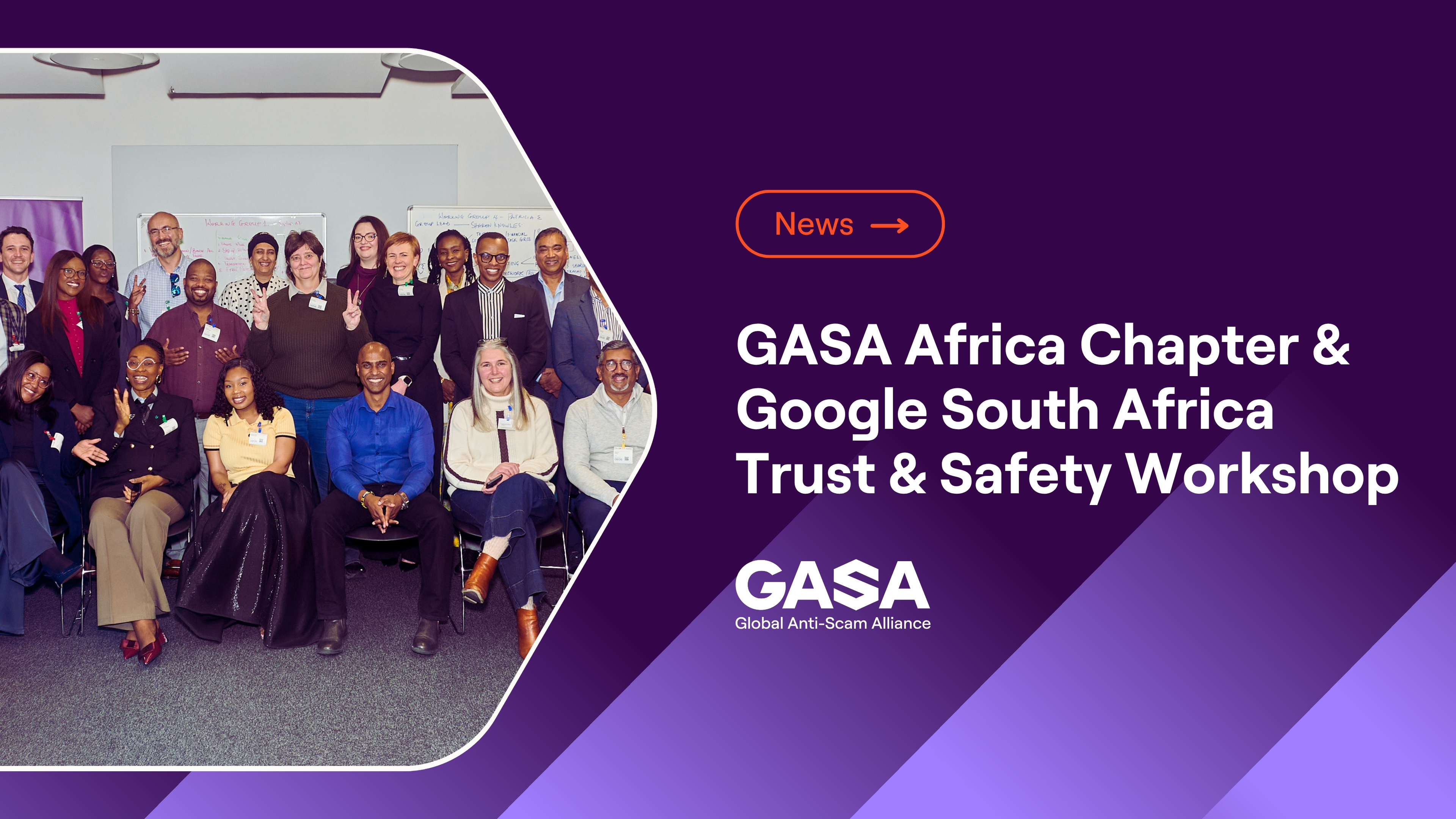
Accra Trust & Safety Workshop Turns Collaboration into Action Against Scams and Fraud in West Africa
GASA Africa Chapter and Google South Africa brought anti-fraud leaders together to strengthen cross-border cooperation and scam prevention.
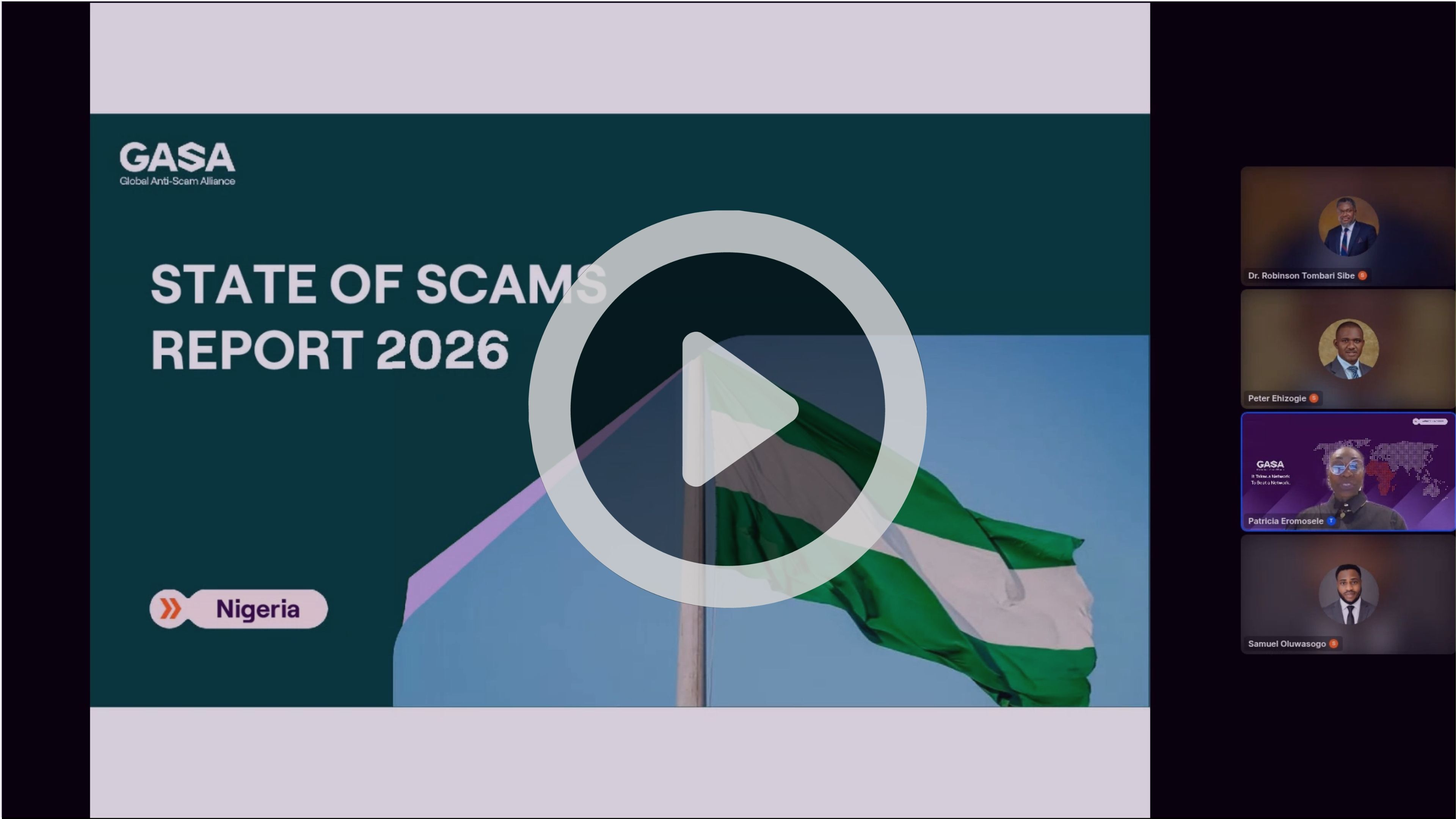
State of Scams in Nigeria 2026: A Comparative Review Across Africa
Nigerian experts examine scam trends, technology, consumer protection and the need for stronger cross-sector collaboration.
Nearly three in four Danish adults encountered scams as estimated losses reach DKK 10.1 billion
New State of Scams Denmark 2026 report finds scam exposure is rising, while victims face repeated financial and emotional harm.
Building a More Trusted Digital Philippines: New Report Underscores the Need for Collective Action as Scam Exposure Continues to Rise
GASA’s State of Scams in the Philippines 2026 Report, in collaboration with Mastercard and Gogolook, highlights the growing scale of the scam challenge in the Philippines.
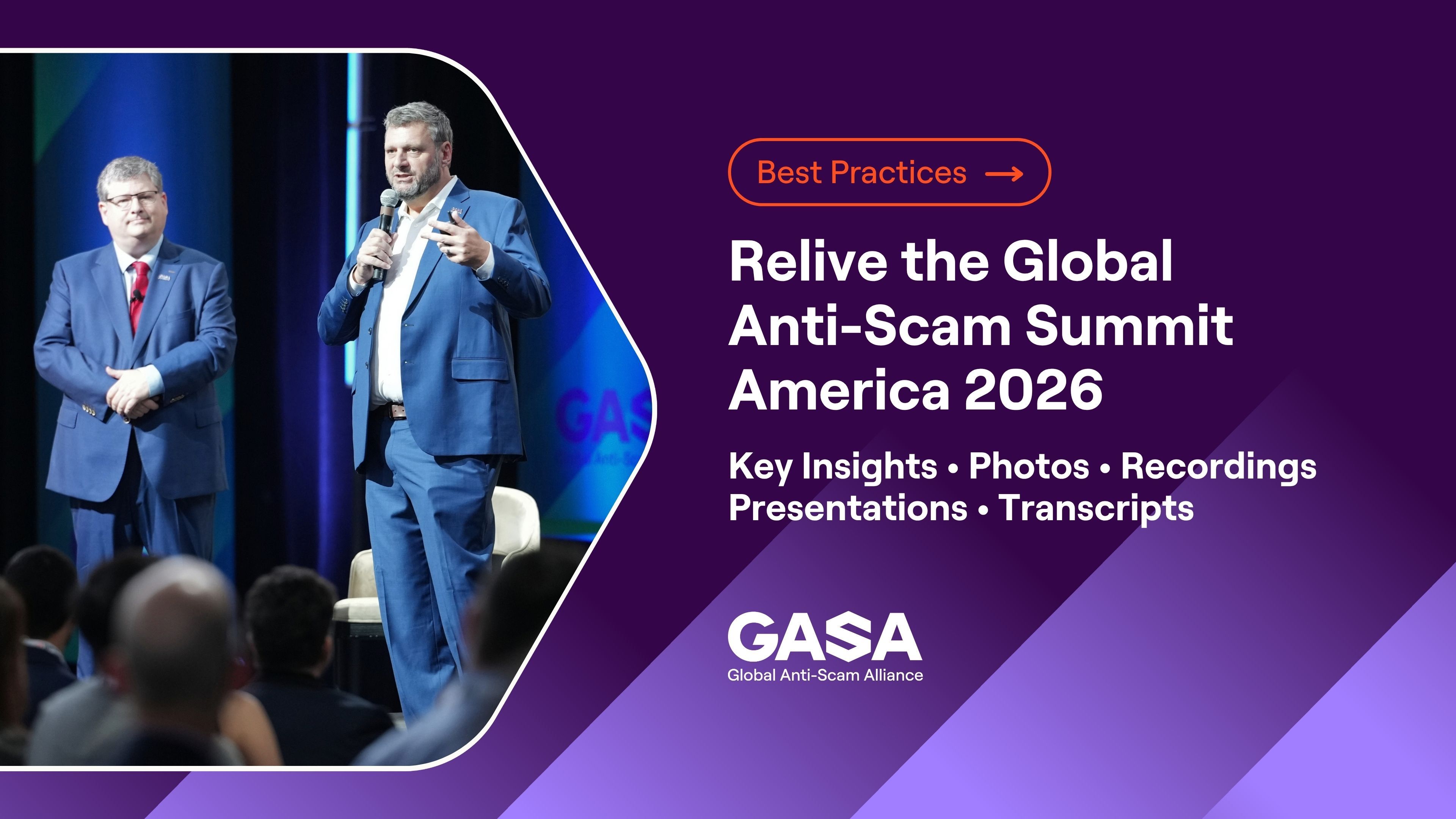
Global Anti-Scam Summit America 2026: Highlights, Insights and Resources
Explore GASS America 2026 highlights and insights, with the Summit summary, photos, presentation slides, transcripts and session recordings from San Francisco.
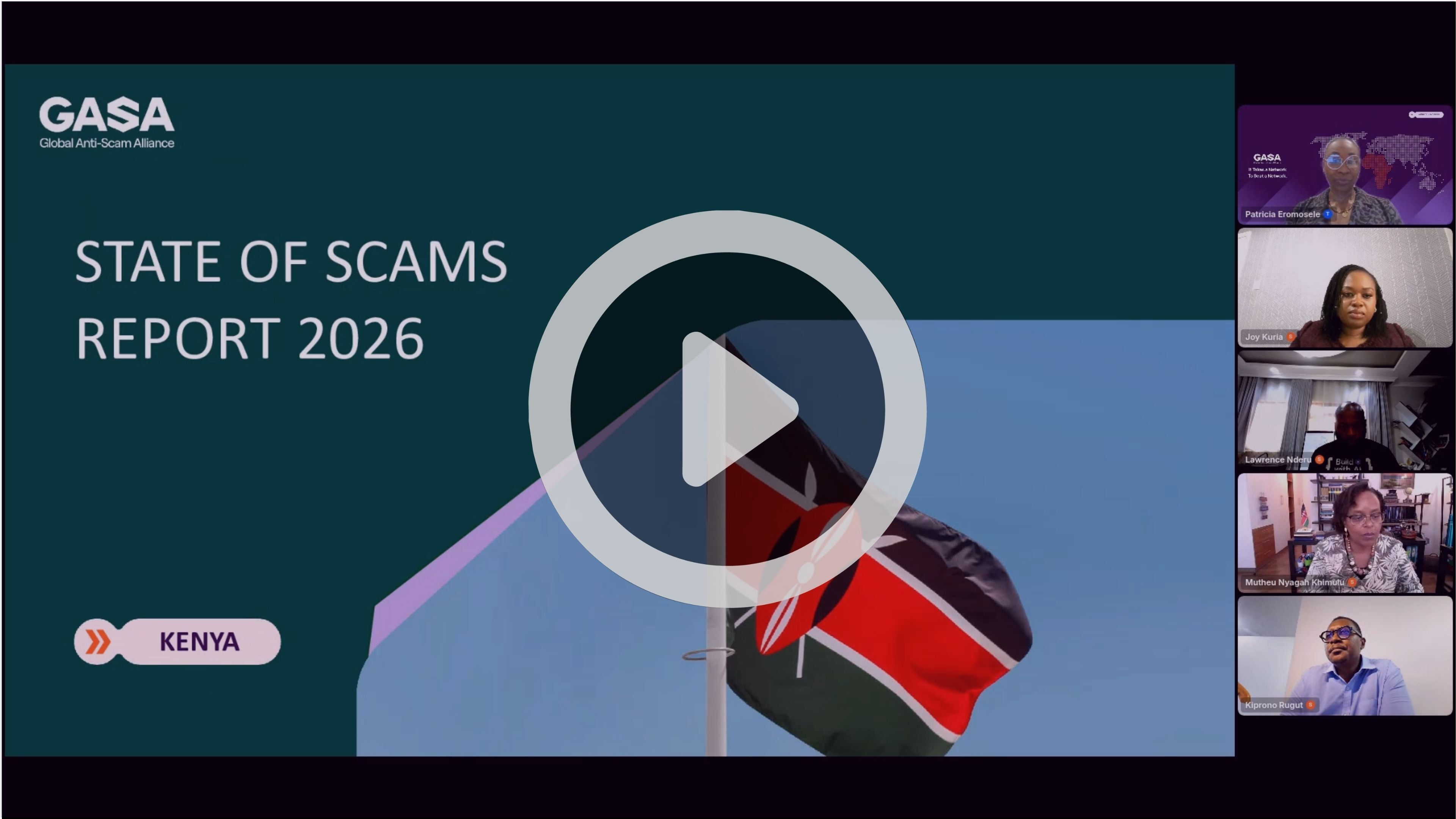
State of Scams in Kenya 2026: A Comparative Review Across Africa
Kenyan experts examine scam trends, data sharing, digital trust and the need for stronger cross-sector prevention.
State of Scams in South Africa 2026: A Comparative Review Across Africa
South African experts examine scam trends, AI, consumer protection and the need for stronger cross-sector collaboration.
-3.jpg)
More than one in five adults in Japan encountered scams in the past year
New State of Scams Japan 2026 report examines how scams are reaching consumers and where stronger prevention and collaboration can make a difference