

Date of Event: 26–27 March 2025
Event: Global Anti-Scam Summit London 2025
This session of the Global Anti-Scam Summit London 2025 focused on how countries and organisations can turn strategic intentions into global coordination to disrupt scams more effectively.
Chaired by Angélique Miet of the European Commission, the panel addressed three core challenges: breaking down intelligence-sharing barriers, disrupting scam enablers across finance and telecoms, and evolving public awareness and victim support frameworks.
Jayde Richmond from Australia’s National Anti-Scam Centre presented the country’s world-first scam prevention framework, citing the need to move beyond domestic strategies and foster real-time global coordination. Fran Dowling of the UK Home Office echoed this, emphasising execution and practical collaboration between nations, regulators, and platforms.
Manie van Schalkwyk from SAFPS proposed a global ‘war room’ model for rapid action, while Philippe Millet outlined The Restore Trust Initiative’s global telecom collaboration to enable cross-border trace-back and number verification. Each speaker pointed to the urgency of industry-driven innovation backed by supportive regulation.
The discussion concluded with a call to reframe public education around scams, shifting the focus from individual responsibility to criminal accountability. Participants stressed that global momentum now exists—it’s time to turn coordination into lasting impact.
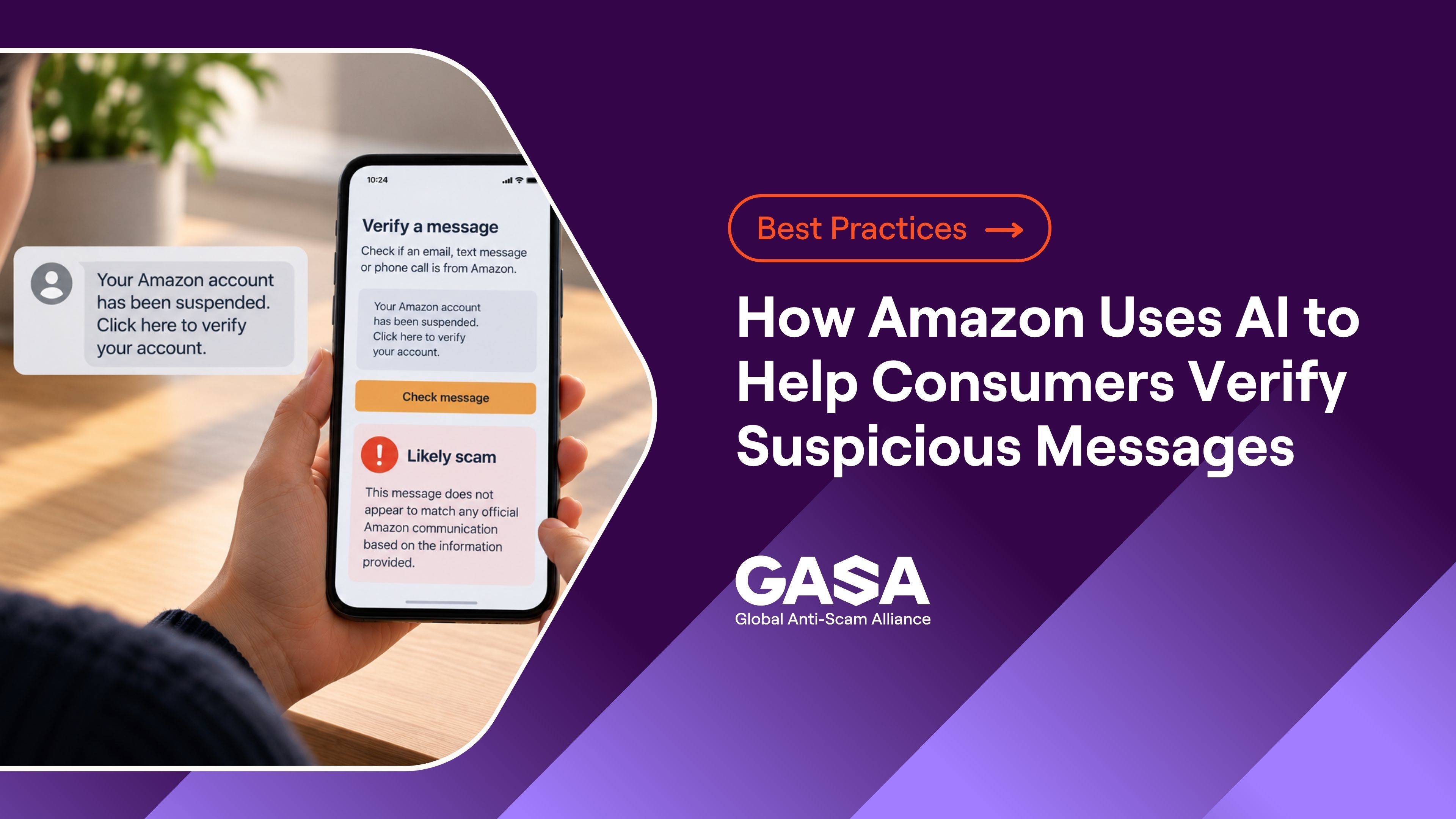
How Amazon Is Helping Consumers Verify Messages and Avoid Impersonation Scams
Explore how Amazon uses AI and outgoing communication records to verify suspicious messages and inform approaches to impersonation scam prevention.
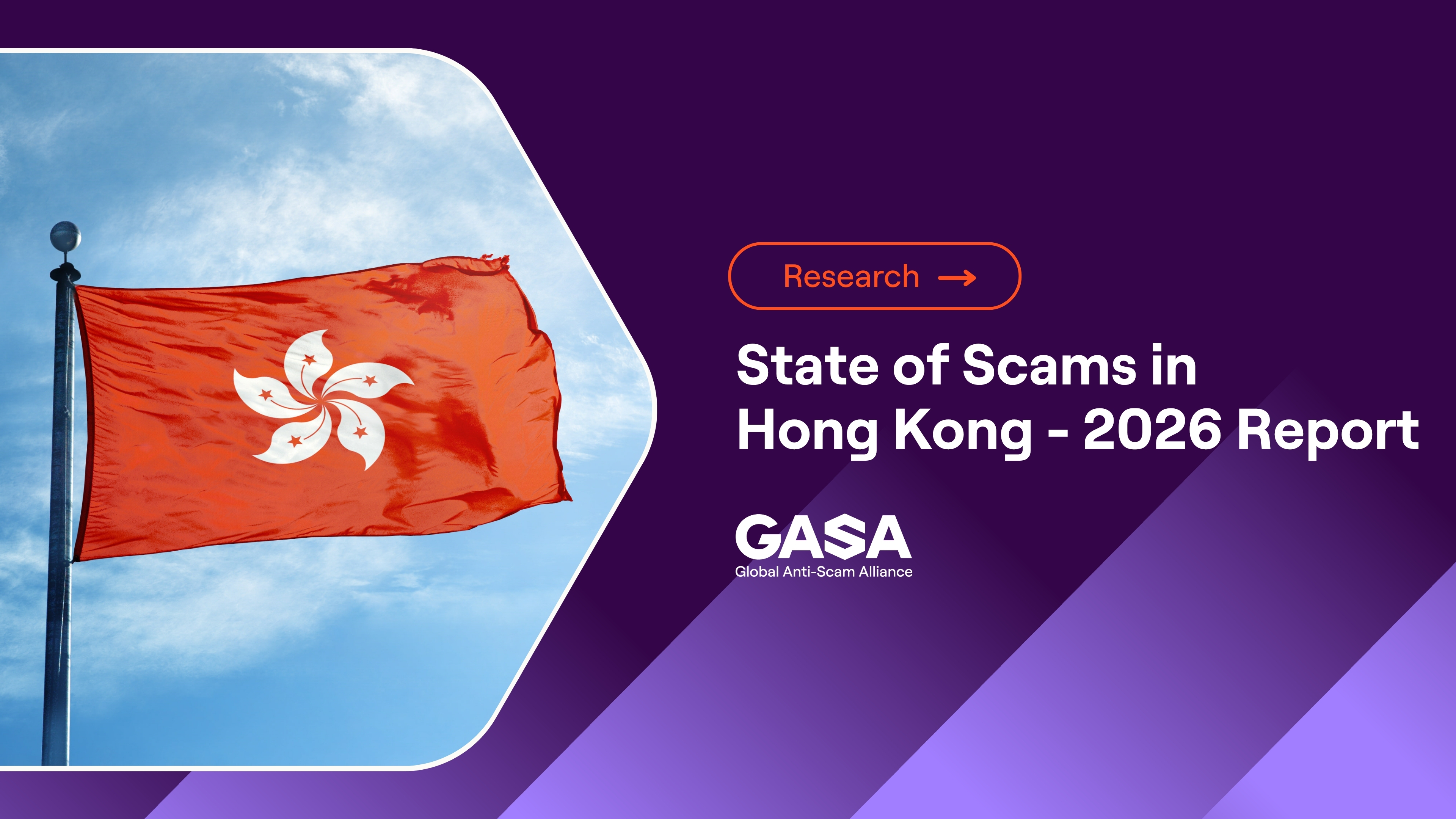
Whoscall, GASA and Mastercard Release the 2026 Asia Scam Report: Hong Kong
More Than 80% of Hong Kong Respondents Encountered Scams; Phone Calls and SMS Remain the Leading Channels
71% of Adults Surveyed Across 13 Asian Markets Encountered Scams, with Estimated Losses of US$136.5 Billion
This study of 17,460 adults across 13 Asian markets shows that scam exposure is widespread, with 71% of participants encountering a scam in the past year. While 66% say they are confident in recognizing scams, 62% of those exposed went on to interact with a scammer. Ultimately, 9% lost money or personal information that led to financial loss, while only 4% reported a scam to the authorities. The findings highlight a significant gap between perceived scam awareness and real-world resilience.
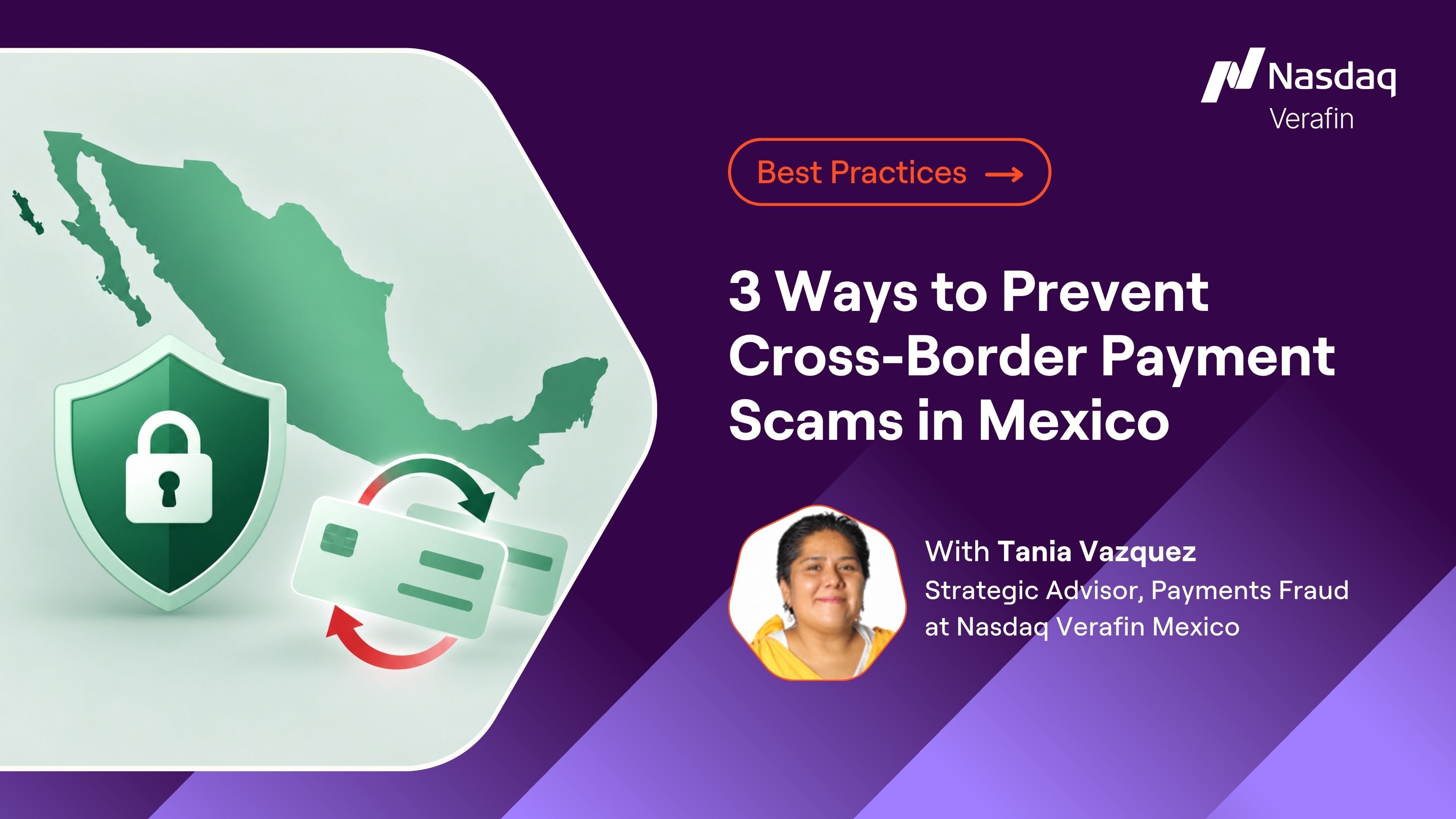
3 Ways to Prevent Cross-Border Payment Scams in Mexico
Learn three ways financial institutions can prevent cross-border payment scams in Mexico through intelligence sharing, payee transparency and real-time analysis.
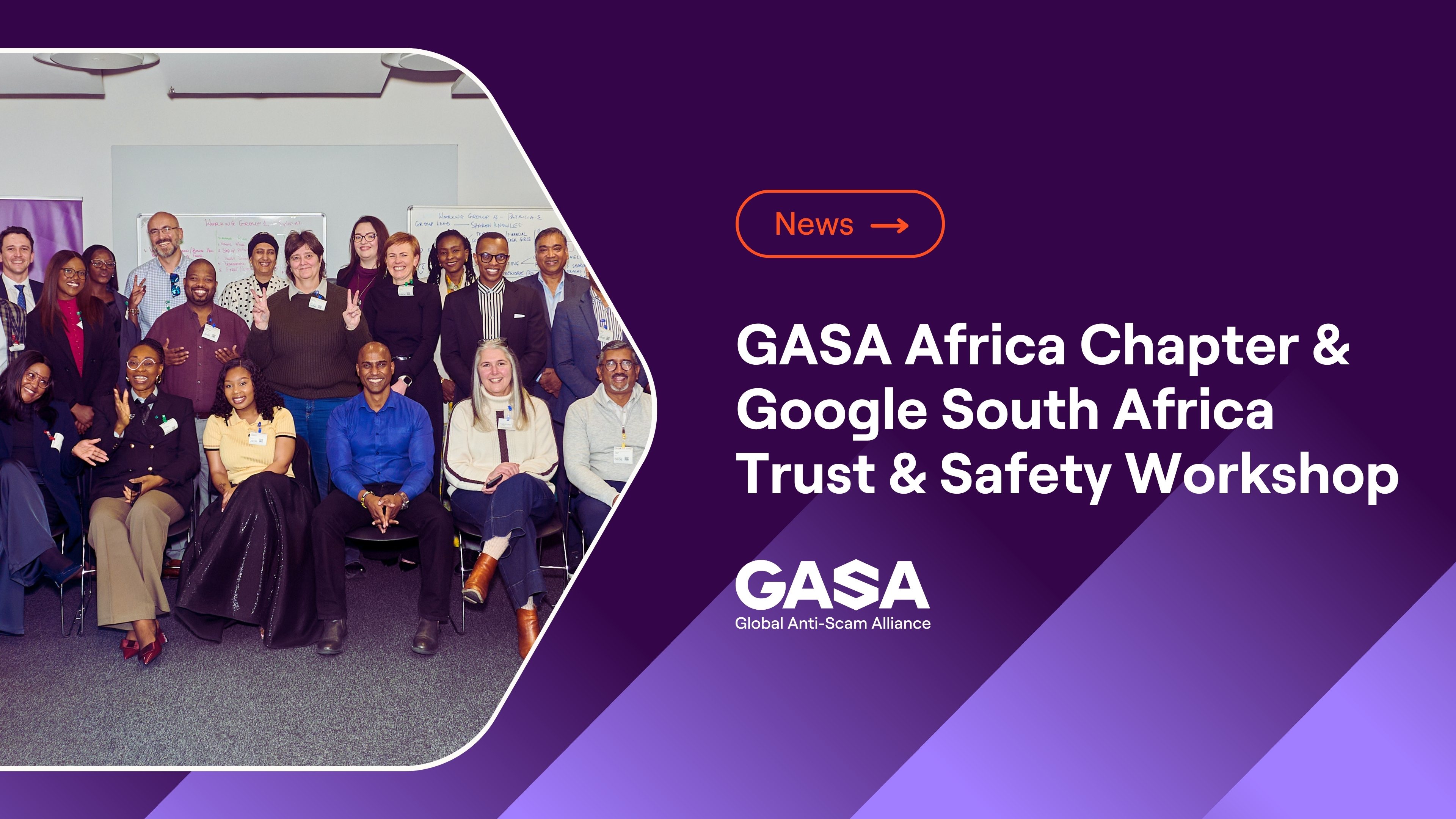
Accra Trust & Safety Workshop Turns Collaboration into Action Against Scams and Fraud in West Africa
GASA Africa Chapter and Google South Africa brought anti-fraud leaders together to strengthen cross-border cooperation and scam prevention.
State of Scams in Nigeria 2026: A Comparative Review Across Africa
Nigerian experts examine scam trends, technology, consumer protection and the need for stronger cross-sector collaboration.
Nearly three in four Danish adults encountered scams as estimated losses reach DKK 10.1 billion
New State of Scams Denmark 2026 report finds scam exposure is rising, while victims face repeated financial and emotional harm.
Building a More Trusted Digital Philippines: New Report Underscores the Need for Collective Action as Scam Exposure Continues to Rise
GASA’s State of Scams in the Philippines 2026 Report, in collaboration with Mastercard and Gogolook, highlights the growing scale of the scam challenge in the Philippines.