
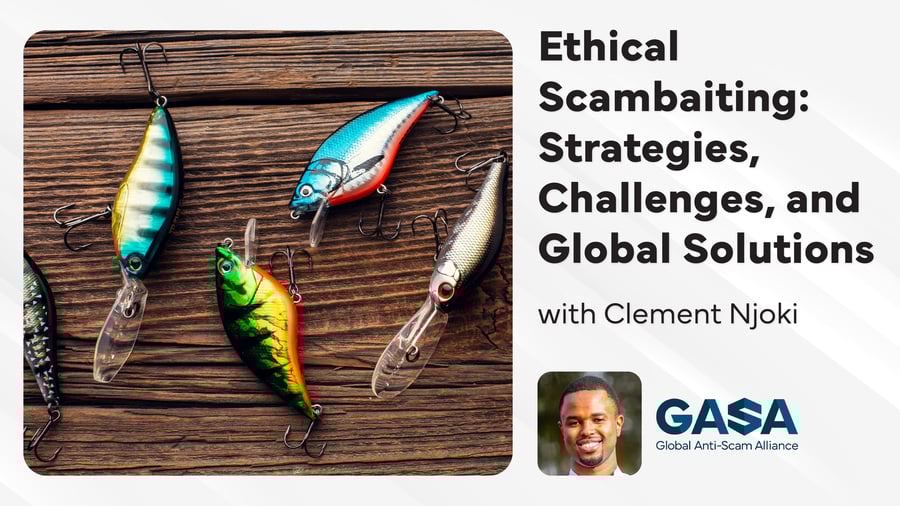
During the Global Anti-Scam Summit in Lisbon 2023 , one speaker stole the limelight with a moving presentation. Renowned as "Pierogi”, the speaker shed light on the fast-growing industry of scambaiting. With his team who runs a popular YouTube channel, " Scammer Payback, " Pierogi gave into detail, the years of hard work that goes into going after scammers.
Drawing inspiration from the extensive and brilliant work of Nicholas Crouch in his article, Introduction to the World of Scambaiting , and the presentation of Pierogi, this article seeks to shed even more light on a job that is fighting scammers in its own right.
Trolling for Protection: What is Scambaiting?
Scambaiting simply means tricking scammers and reeling them in a classic case of the hunter becoming the hunted. Scambaiters put themselves in harm's way by posing as actual victims to prevent innocent victims from being defrauded. They do so by playing along with the scammers, even picking up fake personas to lead the scammers on and exposing them.
The main aim of scambaiting is to waste the scammers' time, take all the information they can about the scammers' operations, and in the long run, prevent them from victimizing vulnerable people. In some cases, like those of Scammer Payback, scambaiters can lead to police arrests.
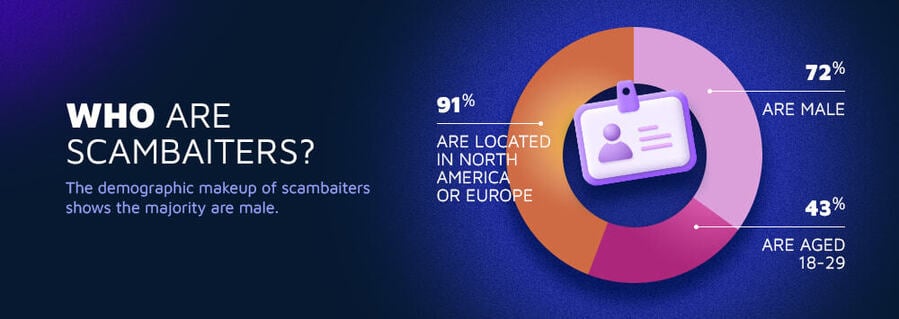
A recent study by Scams.info shows that scambaiters are predominantly male (72) aged between 18 to 29 (43%) and residing in North America or Europe (91%).
Why Do ScamBaiters Do It?
Scambaiting can be a long and tiresome job, often running for months. Pierogi admitted that one of their operations lasted for over 14 months which begs the question, why do they do it?
Social Activism
Many scambaiters see it as a form of enacting justice and protecting victims who are otherwise left exposed to the relentless scammers. Scammer Payback noted that the loss of $10 billion attributed to Indian call centers was one of the catalysts in going after the scammers.
Mood Boost
39% of scambaiters noted that going after scammers gives them great joy and a mood boost. Seeing scammers get frustrated gives a lot of people great satisfaction, especially knowing that they have lost valuable time that they would have used to go after victims.
Entertainment
Perhaps the biggest reason why scambaiters go after scammers is for entertainment purposes. Scambaiting has emerged as a popular social media genre with Twitch and YouTube creators garnering tens of millions of views. To make it more interesting, scambaiters will often use software to alter their voices to someone more conspicuous like the elderly dragging the scammers for hours. The creators stop at nothing, often using eccentric personas to make it more entertaining.
Rosie Okumura , a scambaiter told the Guardian , “A lot of it is entertainment – it’s funny, it’s fun to do, it makes people happy,” She continues to say, “I think just educating people and preventing it from happening in the first place is easier than trying to get all the scammers put in jail.”
Professional Timewasters: How do Scambaiters do it?
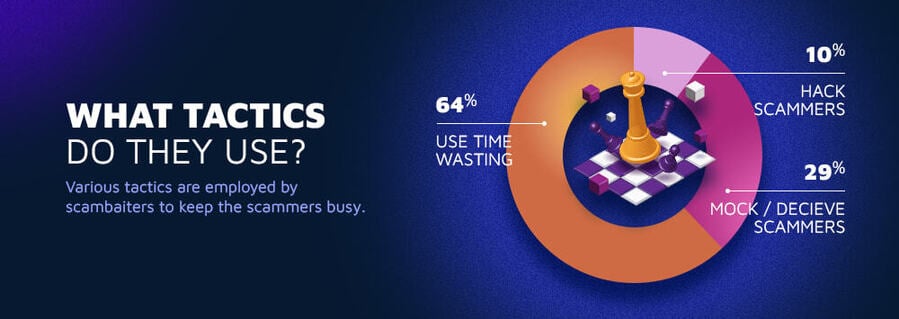
One of the biggest tricks used is wasting scammers' time with a whopping 64% admitting to this. Another 29% try to mock and/or deceive scammers and this is common with content creators who are in it for entertainment . Interestingly, 10% go all Robin Hood and hack the scammers collecting all the valuable information they can get.
Scambaiting takes tremendous effort with more than half of the scambaiters dedicating between 1-5 hours per week to going after scammers. Others, especially those doing it for entertainment purposes, dedicate over 10 hours per week to scambaiting.
Law Enforcement Authorities and Scambaiting - Where to Draw the Line
It’s common knowledge that the vigilante approach done by scambaiters can do some real good in society. However, some of the skills they use are unethical and illegal as hacking into someone’s computer is against the law. So, how can scambaiters do real good without crashing with law enforcement?
Jack Whittaker , a PhD candidate in criminology at the University of Surrey notes, “I’m someone who quite firmly believes that we should live in a system where there’s a rule of law.” He continues to say it's troubling to use “humiliation tactics” and an “eye for an eye” mentality which is common in the scambaiting communities. Whittaker also notes scambaiters have to move past unethical and illegal actions, like hacking into a scammer’s computer and deleting all their files for them to have credibility.
Doing things right is no mean feat, which is why police spend countless hours going after scammers as they must collect evidence that is admissible in a court of law. It also means there is a possibility that Scambaiters can crash with law enforcement authorities by interfering with ongoing investigations.
Picture this, police spend months correcting information and evidence against scammers only for scambaiters to sweep in at the last minute with an expose forcing the scammers to go into hiding. Even though the baiters are doing it for the right reasons, there is need for more control and guidelines in the scambaiting space.
Whittaker notes, “scambaiters have all the right skills to do some real good in the world. However, they’re directionless. I think there has to be some soul-searching in terms of how we can better utilize volunteers within the policing system as a whole.”
South African anti-scammers Artists Against 419 (AA419) were keen to stress that scambaiters need to know when to show restraint, in their GASA Best Practices article “Ethical Scam Baiting as an Intelligence Tool” . AA419’s spokesperson said, “Baiting plays an extremely vital role in the fight against fraud. There are certain dangers involved if the wrong type of baiter does baiting for the wrong reasons. One such type of baiter would be somebody attracted to it for the glory, where the glory is the ultimate goal.
“However, baiting as a tool in the hands of an ethical scam baiter, delivers vital intelligence that fulfills an extremely important role in consumer alerts and education. Further, it identifies money laundering channels to mitigate and as leads for law enforcement to use for arrests.”
Collaboration is Key: Scambaiters and Law Enforcement need each other to beat the fraudsters
It's evident that scambaiting is a serious tactic that, when used correctly, can help win the fight against scammers . Scambaiting is still in its infancy, and though there are success stories like Pierogi’s Scammer Payback getting a kingpin arrested , it's clear the industry can do so much more.
One of the biggest challenges in scambaiting is cross-border and jurisdiction issues. Scambaiters, who are mostly based in Europe and North America, face a daunting task trying to get law enforcement involved, especially when scammers are scattered all around the world.
Pierogi noted that despite spending months and countless hours collecting evidence against a call center kingpin in India, the scammers were tipped off hours before the police raid. It took more time getting the scammers arrested which could have been used to do more good in society.
This serves as a signal to government agencies, law enforcement, policymakers, and others in the industry to join forces and create frameworks that enable more international collaborations. The policing system across the whole world must do better to utilize the skills and resources of scambaiters. On the other hand, scambaiters must look beyond entertainment and mood-boosting in their work to put scammers behind bars. Scambaiting must rise beyond wasting scammers' time to more collaboration with law enforcement to push scammers behind bars where they belong.

71% of Adults Surveyed Across 13 Asian Markets Encountered Scams, with Estimated Losses of US$136.5 Billion
This study of 17,460 adults across 13 Asian markets shows that scam exposure is widespread, with 71% of participants encountering a scam in the past year. While 66% say they are confident in recognizing scams, 62% of those exposed went on to interact with a scammer. Ultimately, 9% lost money or personal information that led to financial loss, while only 4% reported a scam to the authorities. The findings highlight a significant gap between perceived scam awareness and real-world resilience.
3 Ways to Prevent Cross-Border Payment Scams in Mexico
Learn three ways financial institutions can prevent cross-border payment scams in Mexico through intelligence sharing, payee transparency and real-time analysis.

Accra Trust & Safety Workshop Turns Collaboration into Action Against Scams and Fraud in West Africa
GASA Africa Chapter and Google South Africa brought anti-fraud leaders together to strengthen cross-border cooperation and scam prevention.
State of Scams in Nigeria 2026: A Comparative Review Across Africa
Nigerian experts examine scam trends, technology, consumer protection and the need for stronger cross-sector collaboration.
Nearly three in four Danish adults encountered scams as estimated losses reach DKK 10.1 billion
New State of Scams Denmark 2026 report finds scam exposure is rising, while victims face repeated financial and emotional harm.

Building a More Trusted Digital Philippines: New Report Underscores the Need for Collective Action as Scam Exposure Continues to Rise
GASA’s State of Scams in the Philippines 2026 Report, in collaboration with Mastercard and Gogolook, highlights the growing scale of the scam challenge in the Philippines.
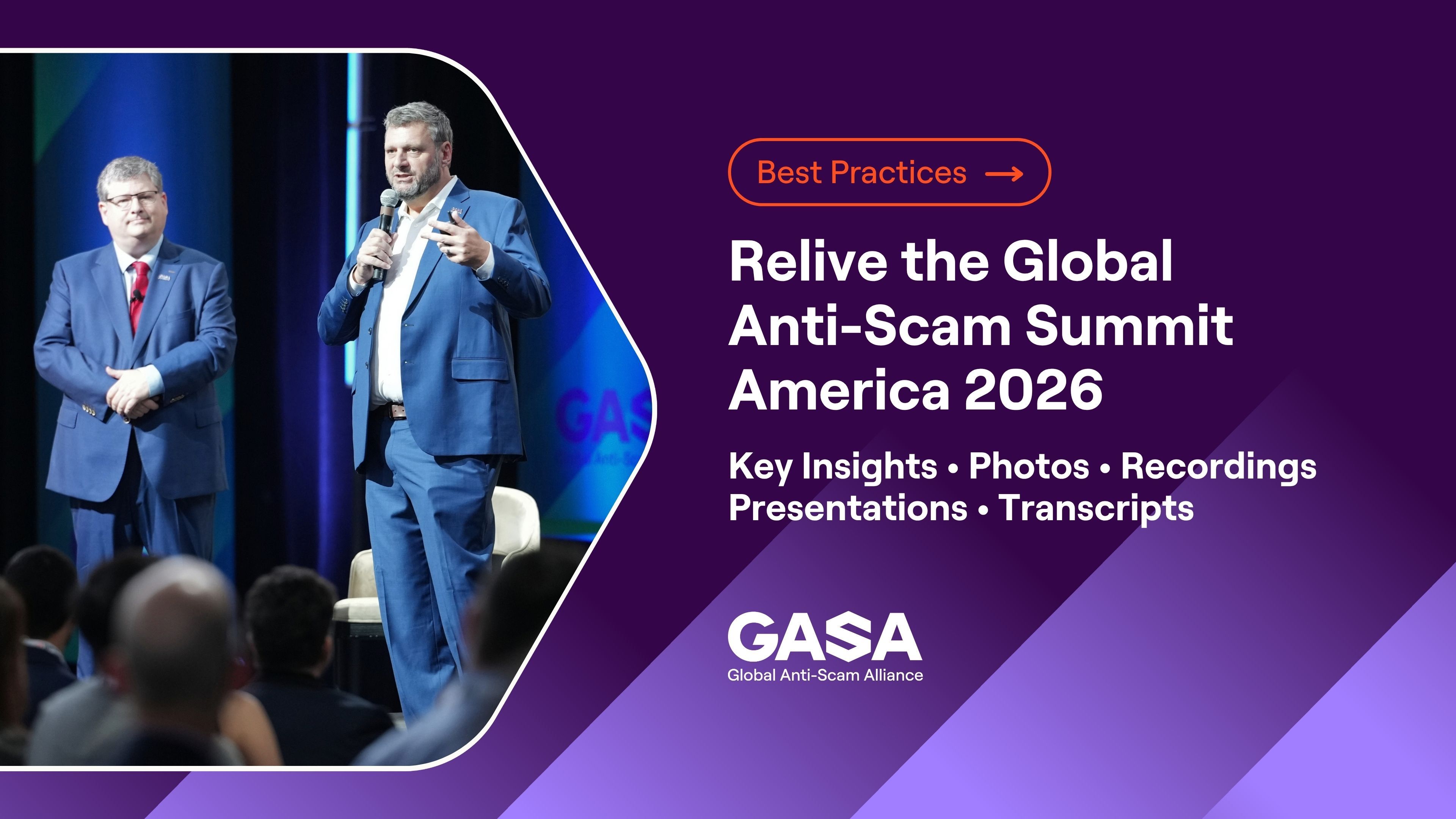
Global Anti-Scam Summit America 2026: Highlights, Insights and Resources
Explore GASS America 2026 highlights and insights, with the Summit summary, photos, presentation slides, transcripts and session recordings from San Francisco.
State of Scams in Kenya 2026: A Comparative Review Across Africa
Kenyan experts examine scam trends, data sharing, digital trust and the need for stronger cross-sector prevention.