
The Global Anti Scam Alliance and ScamAdviser.com interviewed both 200 cybercrime experts as well as 4,430 consumers to determine which country is the best at fighting online scams. Moral of the story: it seems no country really deserves to be called “Best Scam Fighting Country of the World”.
The experts on LinkedIn, in general, believe their country is doing nothing (35%) or only a bit (48%). Only 7% consider their nation the best scam fighting country. Participants were mainly from the USA, Canada and India.
The 4,430 consumers likewise rated the performance of their country poorly. Remarkably, the top three best-performing countries are all developing nations: Indonesia, Bangladesh and Philippines. Consumers from Indonesia were the only ones who gave their country a “sufficient” 6.1 out of 10. The United Kingdom is listed in the fifth place followed by Canada and the USA fall in eleventh place.
Country |
Count |
Score |
Indonesia |
96 |
6,1 |
Bangladesh |
42 |
5,6 |
Philippines |
101 |
5,5 |
Pakistan |
186 |
5,1 |
United Kingdom |
212 |
5 |
Canada |
155 |
5 |
Germany |
93 |
5 |
India |
449 |
4,9 |
France |
89 |
4,8 |
Spain |
45 |
4,8 |
United States of America |
1002 |
4,6 |
Mexico |
57 |
4,6 |
Italy |
61 |
4,5 |
Nigeria |
116 |
4,6 |
Australia |
125 |
4,3 |
Malaysia |
53 |
4,3 |
Brazil |
45 |
4,3 |
Romania |
73 |
4 |
Kenya |
34 |
4 |
South Africa |
153 |
3,6 |
Consumers could also rate their country on different aspects of scam fighting, including:
· Awareness building
· Offering tools to identify scams
· Ease of scam reporting
· Enforcement of scammers
The scoring differs little per category. Indonesia, Bangladesh and the Philippines listed each time in the top 3. Australia was given a 5.9 for ‘Ease of scam reporting’, deserving second place in this category with Indonesia rated as #1 and Bangladesh and the Philippines sharing third place.
The survey participants listed several reasons for the general poor scoring of their countries. When asked how their country can improve, five main areas for improvement were named.
The first focusses on building more scam awareness , especially via mass media such as TV and radio. Consumers especially want to see more concrete examples of the latest kinds of scams.
“Why can’t we have a proactive global police force that
is eliminating these scam websites all together?”
A second improvement often named, is offering consumers more tools to identify or block scams, be it via phone (especially robocalls), email or websites. While in some countries commercial tools are being offered, not all participants have the financial resources to buy these or believe that these should be offered by the government to protect all citizens.
“Why do we not have a national firewall protecting us
from scams when companies already have these?”
Easier and more centralized reporting of scams is likewise often name as improvement. Several respondents state that reporting of scams cannot be done online in their country. Likewise, they have the feeling that the police focus on protecting businesses and rich citizens from scams and is not taking consumer scams seriously. Some report being laughed at by the police or being told that getting scammed is their own fault. Finally, apart from easier reporting, actions taken should also become more visible.
“We can report scams to the authorities but we never
get any feedback and we don’t know what is being done.”
The fourth action named is
more strict, international, legislation
. In several countries, the penalties for scams are considered very light or are even non-existing. Many participants call for a
global dedicated police force
combating online scams, especially regarding cryptocurrency schemes. Now, national police lack the authority to apprehend scammers as they operate outside their jurisdiction.
“The government and banks turn a blind eye to scams using their letterhead and logo.
Even the bloody tax office! One wonders if they are not in bed with scammers.”
Finally, consumers state that social media , especially Google and Facebook, should be held more accountable for advertisements of scammers, refunding money lost. The same applies for banks which should be held more responsible for tracking and refunding unusual money transfers. Finally, hosting companies and registrars should be named and shamed more publicly for supporting and even protecting scam sites, or be forced to apply Know Your Customer (KYC) processes.

3 Ways to Prevent Cross-Border Payment Scams in Mexico
Learn three ways financial institutions can prevent cross-border payment scams in Mexico through intelligence sharing, payee transparency and real-time analysis.
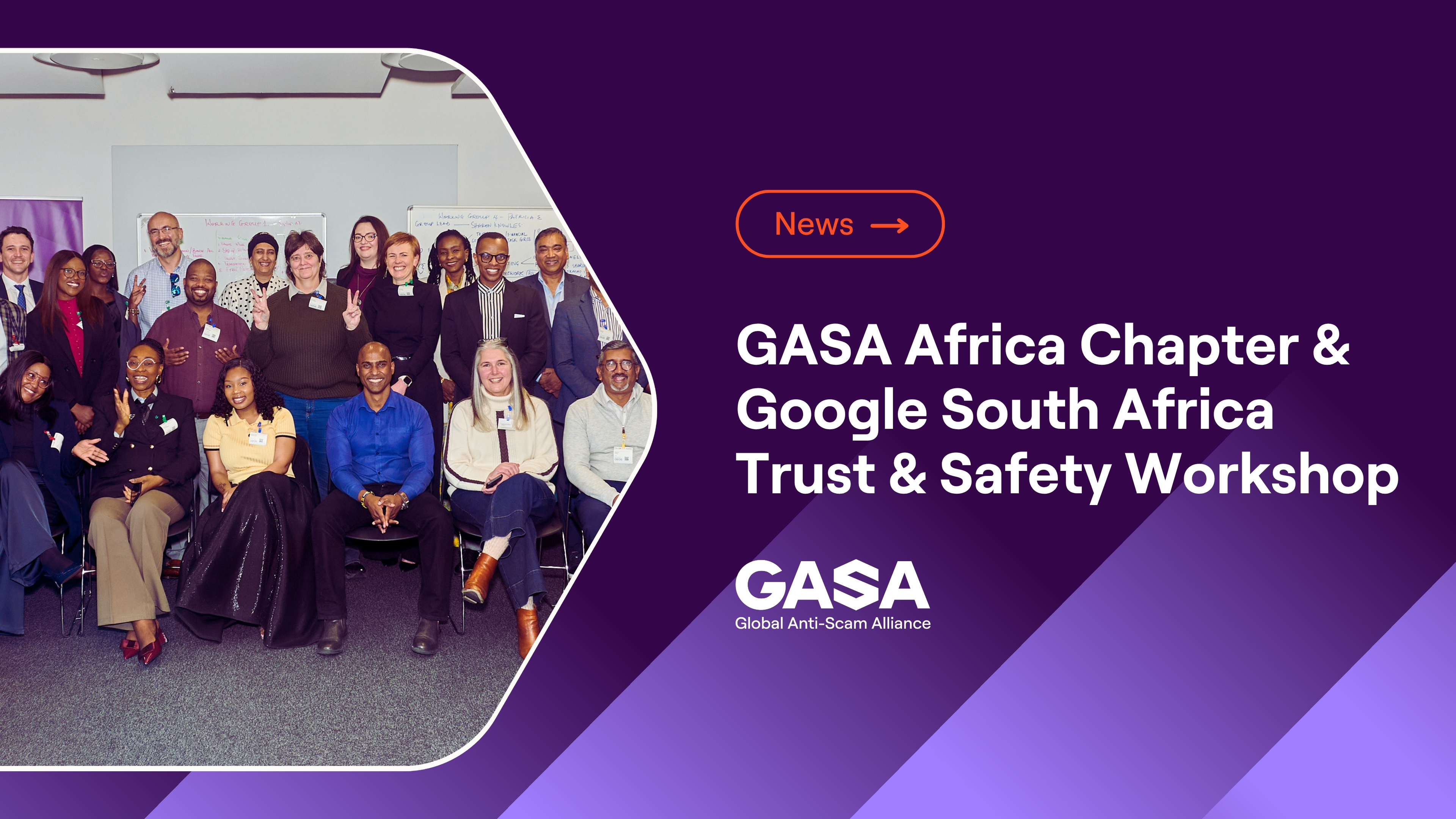
Accra Trust & Safety Workshop Turns Collaboration into Action Against Scams and Fraud in West Africa
GASA Africa Chapter and Google South Africa brought anti-fraud leaders together to strengthen cross-border cooperation and scam prevention.
State of Scams in Nigeria 2026: A Comparative Review Across Africa
Nigerian experts examine scam trends, technology, consumer protection and the need for stronger cross-sector collaboration.
Nearly three in four Danish adults encountered scams as estimated losses reach DKK 10.1 billion
New State of Scams Denmark 2026 report finds scam exposure is rising, while victims face repeated financial and emotional harm.
Building a More Trusted Digital Philippines: New Report Underscores the Need for Collective Action as Scam Exposure Continues to Rise
GASA’s State of Scams in the Philippines 2026 Report, in collaboration with Mastercard and Gogolook, highlights the growing scale of the scam challenge in the Philippines.
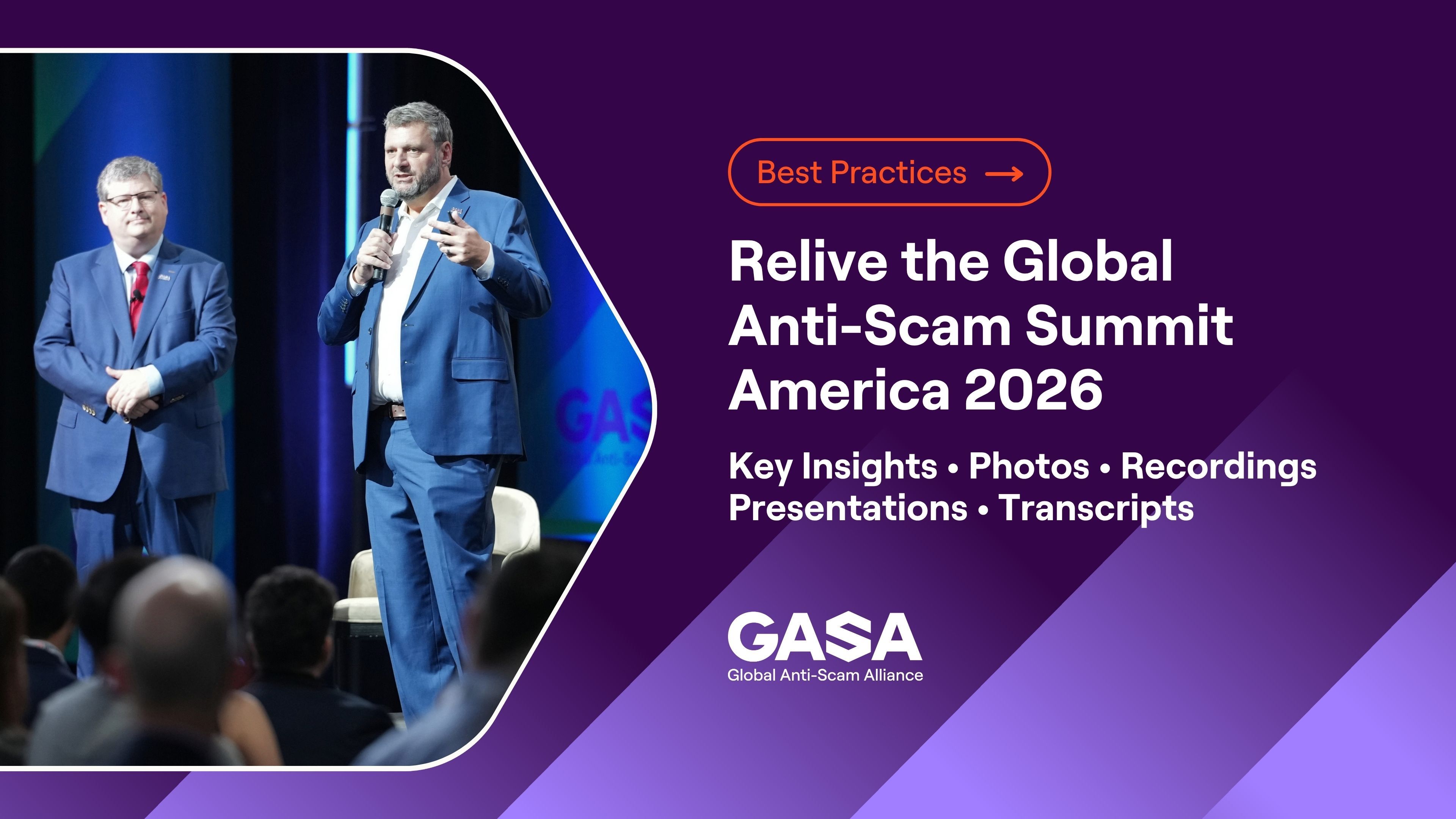
Global Anti-Scam Summit America 2026: Highlights, Insights and Resources
Explore GASS America 2026 highlights and insights, with the Summit summary, photos, presentation slides, transcripts and session recordings from San Francisco.
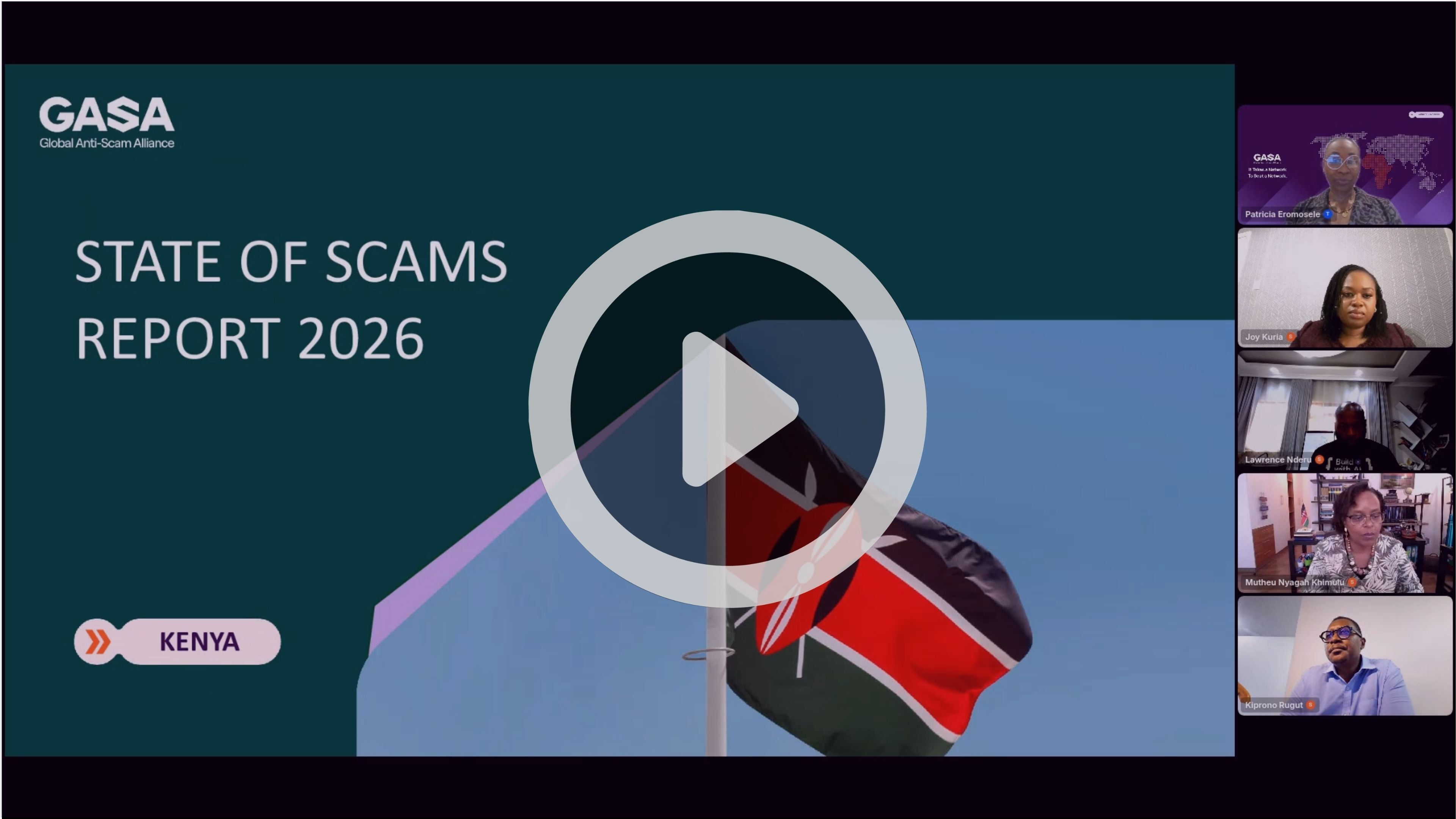
State of Scams in Kenya 2026: A Comparative Review Across Africa
Kenyan experts examine scam trends, data sharing, digital trust and the need for stronger cross-sector prevention.
State of Scams in South Africa 2026: A Comparative Review Across Africa
South African experts examine scam trends, AI, consumer protection and the need for stronger cross-sector collaboration.