
Global Anti-Scam Alliance and Cifas Release the State of Scams in the UK 2026 report
- More than 1 in 5 (22%) of those who interacted with a scam had money stolen
- Majority of victims report a ‘significant’ impact on their wellbeing
- 12% of parents say their child aged 7–17 has already experienced a scam
Over eight in ten UK adults encountered a scam in the last year, as new research reveals a sharp rise in the number of people facing scam attempts nationwide. The Global Anti-Scam Alliance’s (GASA) State of Scams in the UK 2026 report, co-sponsored by fraud prevention service Cifas, found exposure to scams had climbed from 76% to 85% in just 12 months.
With Black Friday around the corner and an anticipation that more scams will arrive in consumer inboxes during the global sales event, the majority of UK consumers said they can comfortably spot red flags, but the reality tells a different story. While 87% said they were ‘confident’ they could recognise a scam, 42% of those who encountered one still interacted with it, and more than one in five (22%) had money stolen after engaging. On average, victims each had £777 taken by scammers in the last year.
Behind the financial losses lies a much wider human cost too. Nearly three in five (59%) victims said being scammed had a ‘significant’ or ‘moderate’ impact on their wellbeing, while 15% were pushed into taking on additional debt or loans to make up for criminals stealing their money.
Additionally, UK victims were found to be less likely to report scams to authorities – like the police, a financial regulator or national reporting website – than their European counterparts. Just over a quarter (26%) said they alerted authorities compared with 39% across Europe.
In contrast, nearly two-thirds (61%) of UK victims reported the scam to commercial organisations – such as their bank, mobile operator or anti-scam app – compared with 56% across Europe.
The research figures further reinforced the need for scam education to begin early, as one in eight (12%) parents with children aged 7–17 revealed that at least one of their children had already experienced a scam.
Jorij Abraham, Managing Director of GASA, said:
Mike Haley, CEO of Cifas, added:
About GASA
The Global Anti-Scam Alliance (GASA) is a non-profit organisation dedicated to protecting consumers worldwide from online scams. GASA unites governments, law enforcement, telecommunication providers, tech leaders, consumer protection agencies, and cybersecurity experts to share knowledge, foster cross-sector and cross-border collaboration, and promote effective solutions in the fight against online fraud. Through research, advocacy, education, and global events, GASA works to build a safer digital world for everyone
About Cifas
Cifas is the UK’s leading not-for-profit fraud prevention service, protecting businesses and individuals through the sharing of data and intelligence across the private, public and third sectors. With more than 800 members spanning key areas of the economy, including banking, retail, insurance, telecommunications and the public sector, Cifas plays a vital role in the fight against fraud and scams.
Alongside its products and services, which helped organisations prevent more than £2.4 billion in fraud losses in 2025, Cifas also delivers specialist training and professional development through the Cifas Fraud and Cyber Academy and its Digital Learning programme. Visit: Website | LinkedIn | X
Additionally, Cifas has partnered with the PSHE Association, the national body for Personal, Social, Health and Economic education, to develop educational resources helping 11-18-year-old schoolchildren build their knowledge in recognising fraud and scam risks early. Visit here.
For media inquiries, interviews, or access to the full dataset, please contact:
Metje van der Meer
Marketing Director
metje.vandermeer@gasa.org

Scam exposure surges to 85% among UK adults, new research reveals
This study of 58,900 adults across 42 markets found that three in four adults (75%) encountered a scam in the past 12 months. Overall, 35% interacted with a scammer, 9% lost money, and 3% reported a scam to the authorities.
Global Scams Remain Widespread: Nearly Two in Three Adults Worldwide Report Scam Encounters, 9% Lost Money
This study of 58,900 adults across 42 markets found that three in four adults (75%) encountered a scam in the past 12 months. Overall, 35% interacted with a scammer, 9% lost money, and 3% reported a scam to the authorities.
A Scam Victim's First Call: The Accidental Front Line Against Scams
Explore why US scam victims turn to banks and brands first, and how organisations can support them. Watch the GASA and Iris OnWatch webinar replay.
Meet the Winners – Scam Fighter Awards at the Global Anti-Scam Summit Asia 2026
Meet the five Scam Fighter Awards winners and runners-up from the Global Anti-Scam Summit Asia 2026 in Bangkok, and see which initiatives were recognised.

From fake tolls to romance scams: How fraudsters tailor their tactics to different platforms
Malwarebytes research explores how scam tactics vary across email, texts, social media and the web, including peak times and commonly impersonated brands.
No Child Should Face Online Harm Alone: Key Outcomes from COSPRA 2026
GASA joined the COSPRA Summit 2026 in Abuja. Here are the key outcomes on child online safety, scams and fraud, and cross-border cooperation.
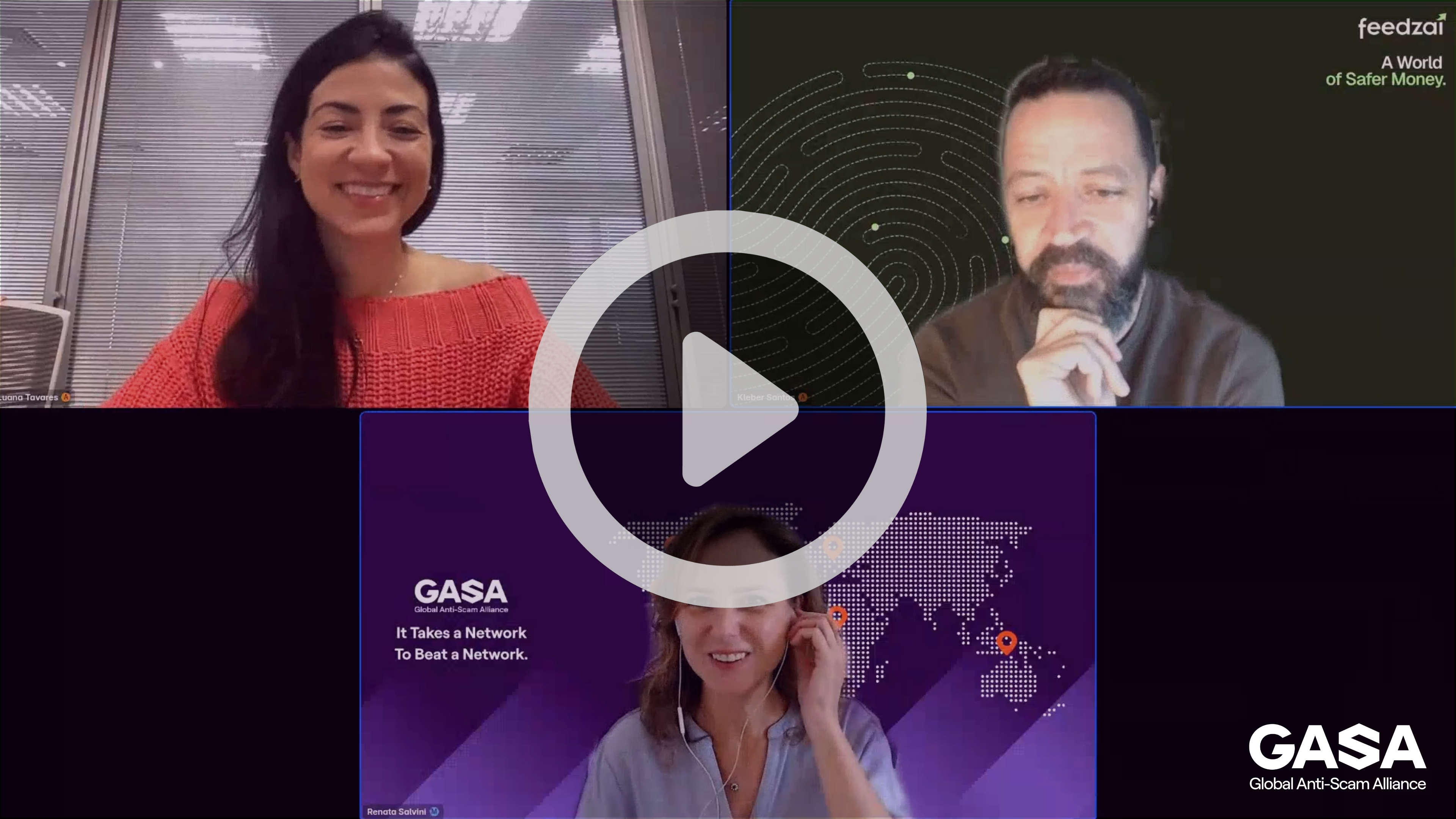
From Cyberattack to Scam: How Cybersecurity Protects Businesses and People
GASA Brazil experts discuss how cybersecurity, better data and cross-sector cooperation can prevent scams and disrupt criminal networks.
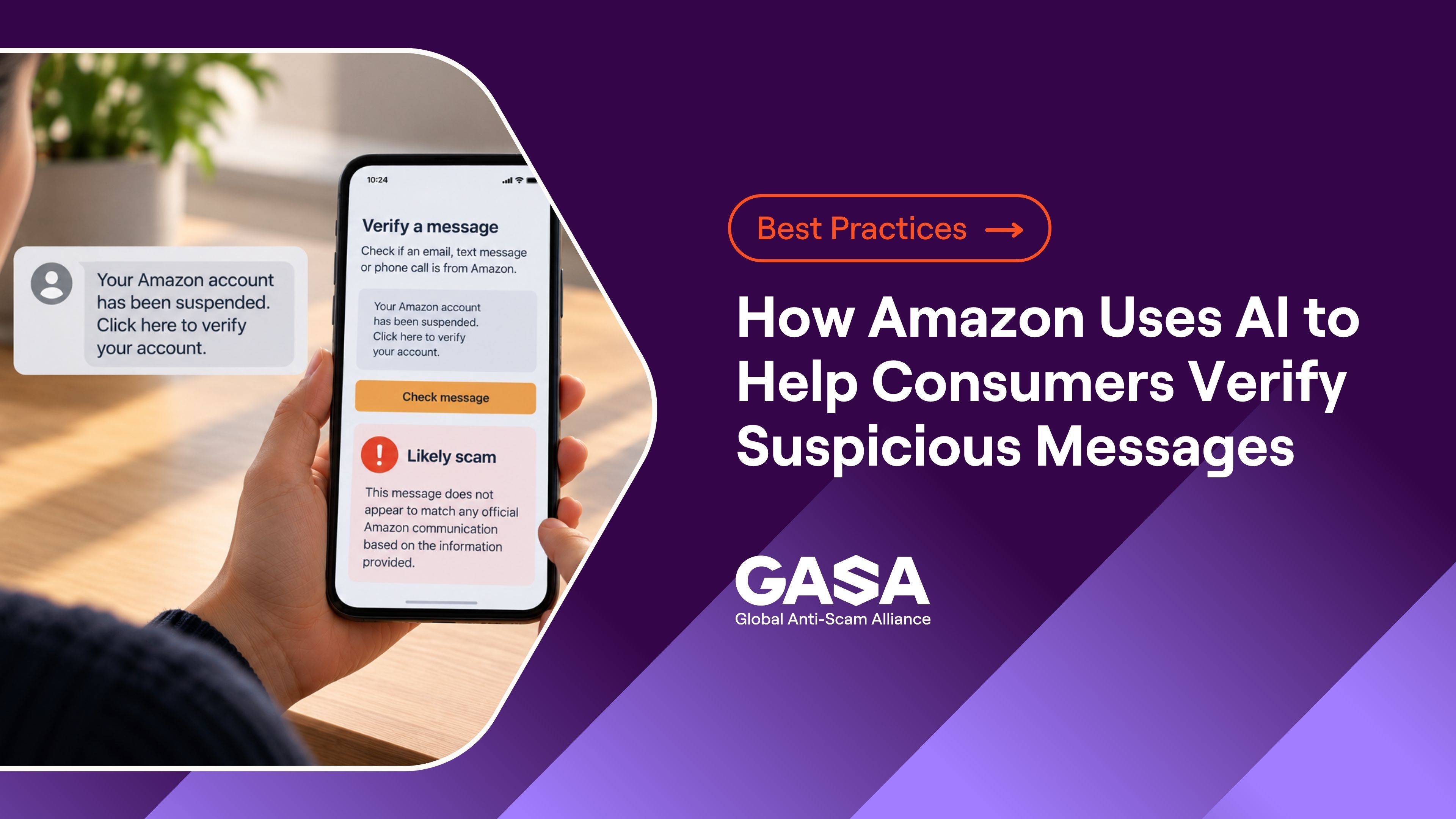
How Amazon Is Helping Consumers Verify Messages and Avoid Impersonation Scams
Explore how Amazon uses AI and outgoing communication records to verify suspicious messages and inform approaches to impersonation scam prevention.