Can You Spot the Real One: Consumers’ Ability to Detect Real vs. Fraudulent Tickets
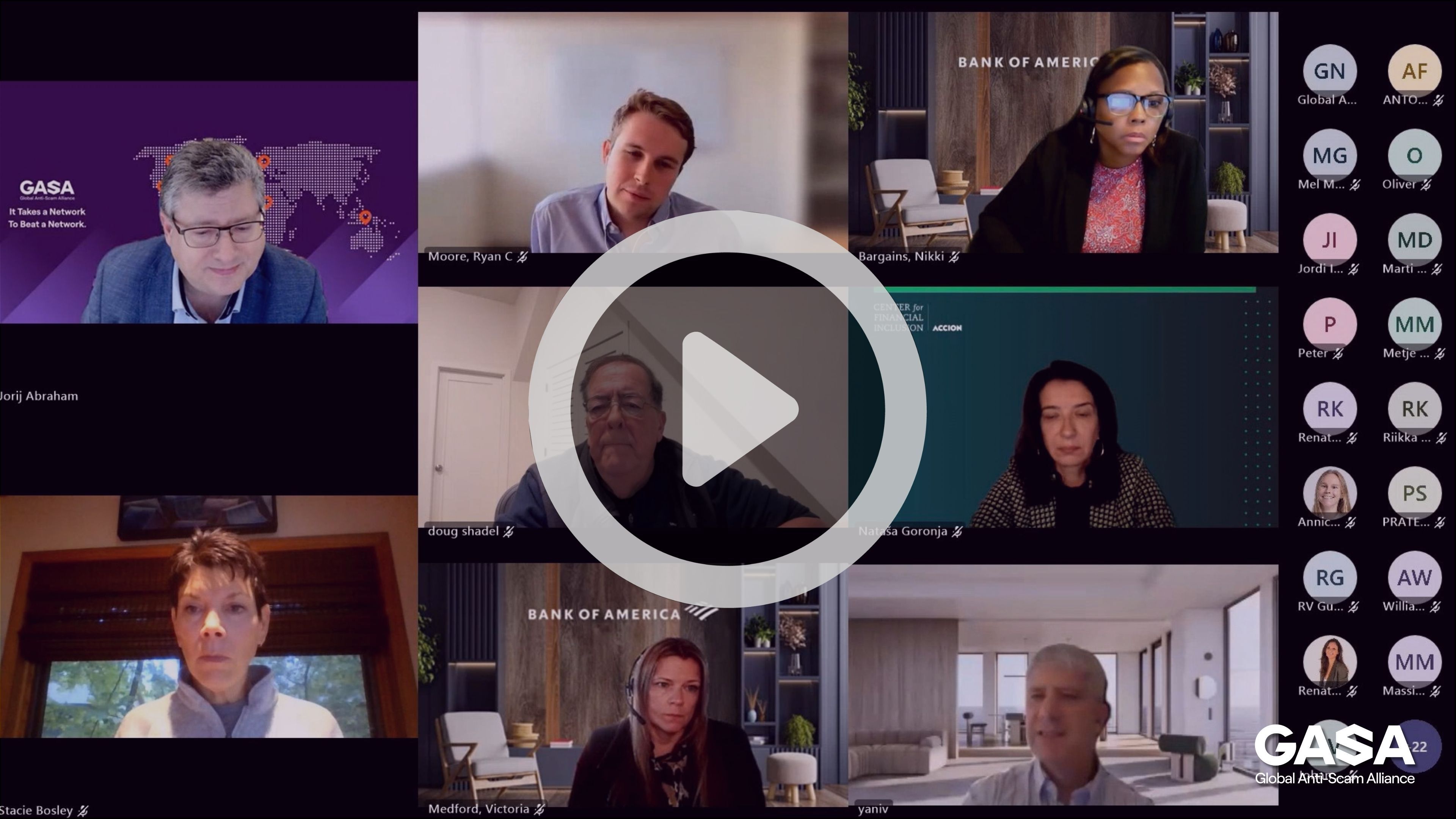
Prof. Yaniv Hanoch presented research examining how accurately consumers can distinguish genuine event tickets from fraudulent ones.
Across three studies involving 604 participants, researchers tested participants’ ability to identify real and fraudulent tickets, including scams featuring misspelt text and non-existent seating.
The first study found that participants correctly identified only 42% of fraudulent tickets, while 36% of genuine tickets were incorrectly classified as fraudulent. Participants had particular difficulty detecting scams involving non-existent seating.
A second study examined whether time pressure and ticket scarcity affected participants’ ability to identify fraudulent tickets, but found no significant effect.
The third study examined whether simple interventions could help consumers identify fraudulent tickets. One group was taught how to recognise warning signs, including misspelt words, and worked through an example before assessing the tickets. A second group received the same guidance but was also encouraged to go back and re-examine a ticket if they were uncertain about their initial decision.
Both approaches produced substantial improvements. The first intervention improved detection by close to 25%, while the second resulted in an improvement of slightly over 30% compared with the control group. For fraudulent tickets containing misspelt words, the improvement was almost 40%. However, the interventions did not improve detection of tickets featuring non-existent seats, where consumers had no straightforward way to verify whether the seating information was genuine.
The findings highlight both the difficulty consumers face in identifying fraudulent tickets and the potential for relatively simple interventions to improve detection. However, their effectiveness depends on consumers having warning signs they can recognise or information they can verify.
A Computational Analysis of Millions of Scam and Spam Robocalls Targeting Older Adults and the General Public
Ryan Moore and Dr Doug Shadel presented research analysing 4.49 million robocall transcripts collected through a honeypot of 295,749 decoy phone lines between 2018 and 2022. The calls represented robocall pitches rather than interactions between scammers and consumers.
The researchers used computational text analysis to compare scam robocalls with spam calls and examine how scams targeting older adults differed from those targeting the general public.
The analysis found that scam robocalls used greater emotional arousal, time pressure, threats of loss and appeals to authority than spam calls. Scams targeting older adults showed even greater emotional arousal and use of time pressure and threat-of-loss language and were more likely to contain language relating to health, illness and risk.
The research also found a substantial difference in the use of authority. Appeals to authority appeared in 73.8% of scams targeting older adults, compared with 7.1% of scams targeting the general public.
Because the calls were collected between 2018 and 2022, the dataset largely predates the widespread availability of generative AI. Moore therefore also presented early findings from new research comparing these calls with AI-generated scam pitches.
The researchers prompted five generative AI models to produce 600 robocall scam pitches. Compared with the earlier robocall scams, the AI-generated pitches showed substantially higher emotional arousal and greater use of all four fraud tactics examined: time pressure, appeals to authority, threats of loss and promises of gain.
The researchers are now examining what this means for consumers. Greater use of these tactics could potentially make AI-generated scams more persuasive, but their heightened emotional intensity could also make them easier to recognise as scams.
About the Research Working Group
The GASA Research Working Group brings together GASA members and scientific researchers to help develop a stronger evidence base for global anti-fraud policy and interventions.
Its work aims to strengthen global baseline research, identify gaps in current knowledge and improve collaboration between academia and industry. Researchers interested in presenting their work at a future meeting are invited to contact GASA.


-3.jpg)