

The Global Anti-Scam Alliance (GASA) announces that Nomorobo, the leading call and text blocking platform, has joined Scam.org as a member partner. The collaboration brings Nomorobo's real-time robocall and scam text blocking technology directly into the Scam.org ecosystem, giving consumers a powerful new line of defence against unwanted and fraudulent communications.
Phone calls and SMS remain among the most common channels scammers use to reach their victims. Through this partnership, Scam.org users can actively block fraudulent communications before they even reach them, moving the fight against scams from reactive reporting to proactive protection.

Nomorobo joins a growing coalition of GASA members supporting Scam.org, including OpenAI, AnyTech365, CUBE AI, Falkin, Malwarebytes, Netcraft, ReasonLabs, ScamAdviser, Scamnetic, Seraph Secure and Spamhaus.
About Nomorobo
About Scam.org
Scam.org is a global public-interest platform launched by the Global Anti-Scam Alliance (GASA) together with leading government, financial, telecom, cybersecurity and consumer-protection organisations. Free, multilingual, and designed for everyone, it helps people recognise, report, and protect themselves from online scams — with verified threat information, a suspicious website checker, country-specific reporting channels, and an AI-powered chatbot. With an estimated US $442 billion lost to scams globally in 2024, Scam.org exists to ensure no one faces fraud alone. www.scam.org


How Amazon Is Helping Consumers Verify Messages and Avoid Impersonation Scams
Explore how Amazon uses AI and outgoing communication records to verify suspicious messages and inform approaches to impersonation scam prevention.
Whoscall, GASA and Mastercard Release the 2026 Asia Scam Report: Hong Kong
More Than 80% of Hong Kong Respondents Encountered Scams; Phone Calls and SMS Remain the Leading Channels
71% of Adults Surveyed Across 13 Asian Markets Encountered Scams, with Estimated Losses of US$136.5 Billion
This study of 17,460 adults across 13 Asian markets shows that scam exposure is widespread, with 71% of participants encountering a scam in the past year. While 66% say they are confident in recognizing scams, 62% of those exposed went on to interact with a scammer. Ultimately, 9% lost money or personal information that led to financial loss, while only 4% reported a scam to the authorities. The findings highlight a significant gap between perceived scam awareness and real-world resilience.
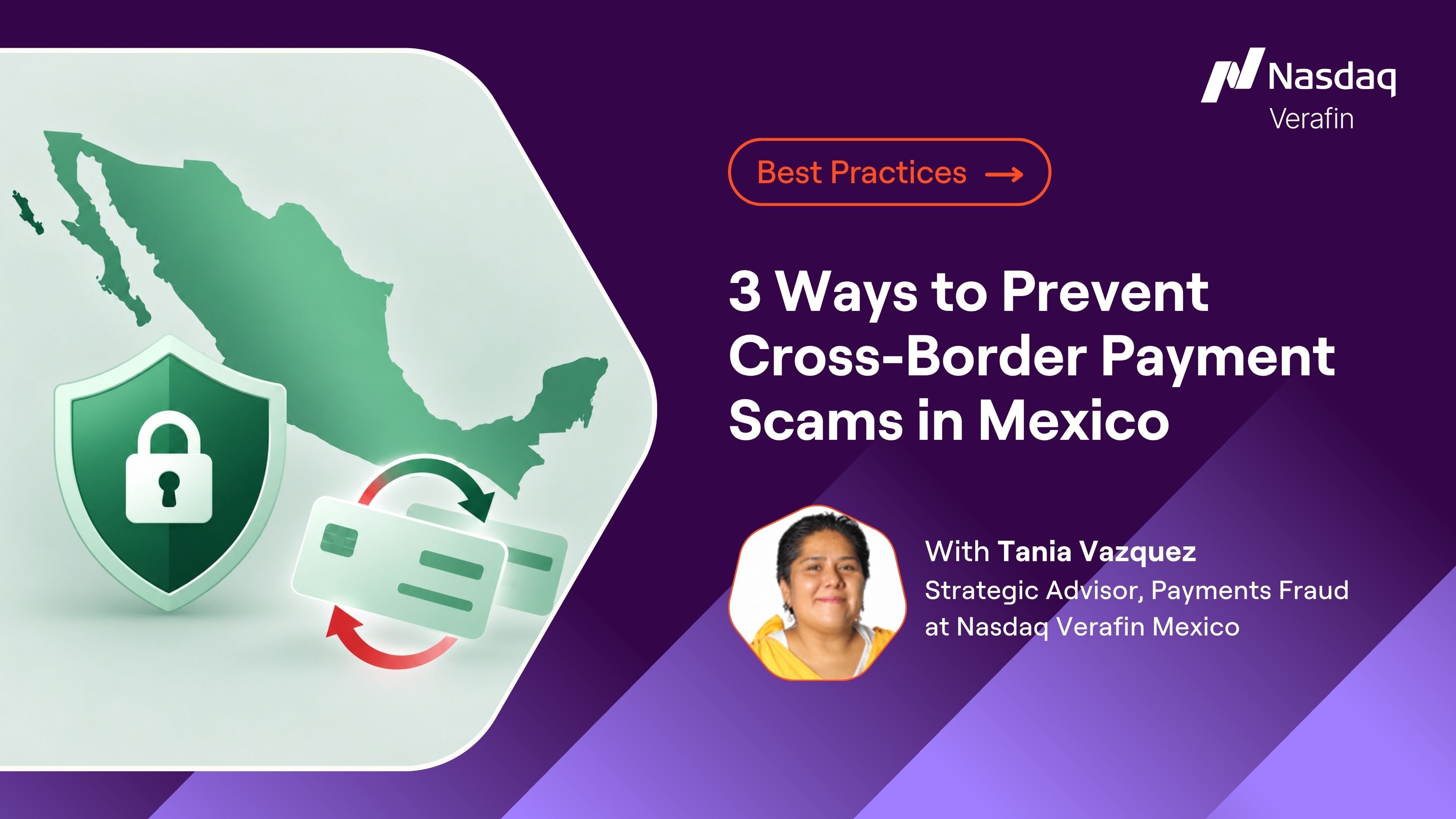
3 Ways to Prevent Cross-Border Payment Scams in Mexico
Learn three ways financial institutions can prevent cross-border payment scams in Mexico through intelligence sharing, payee transparency and real-time analysis.
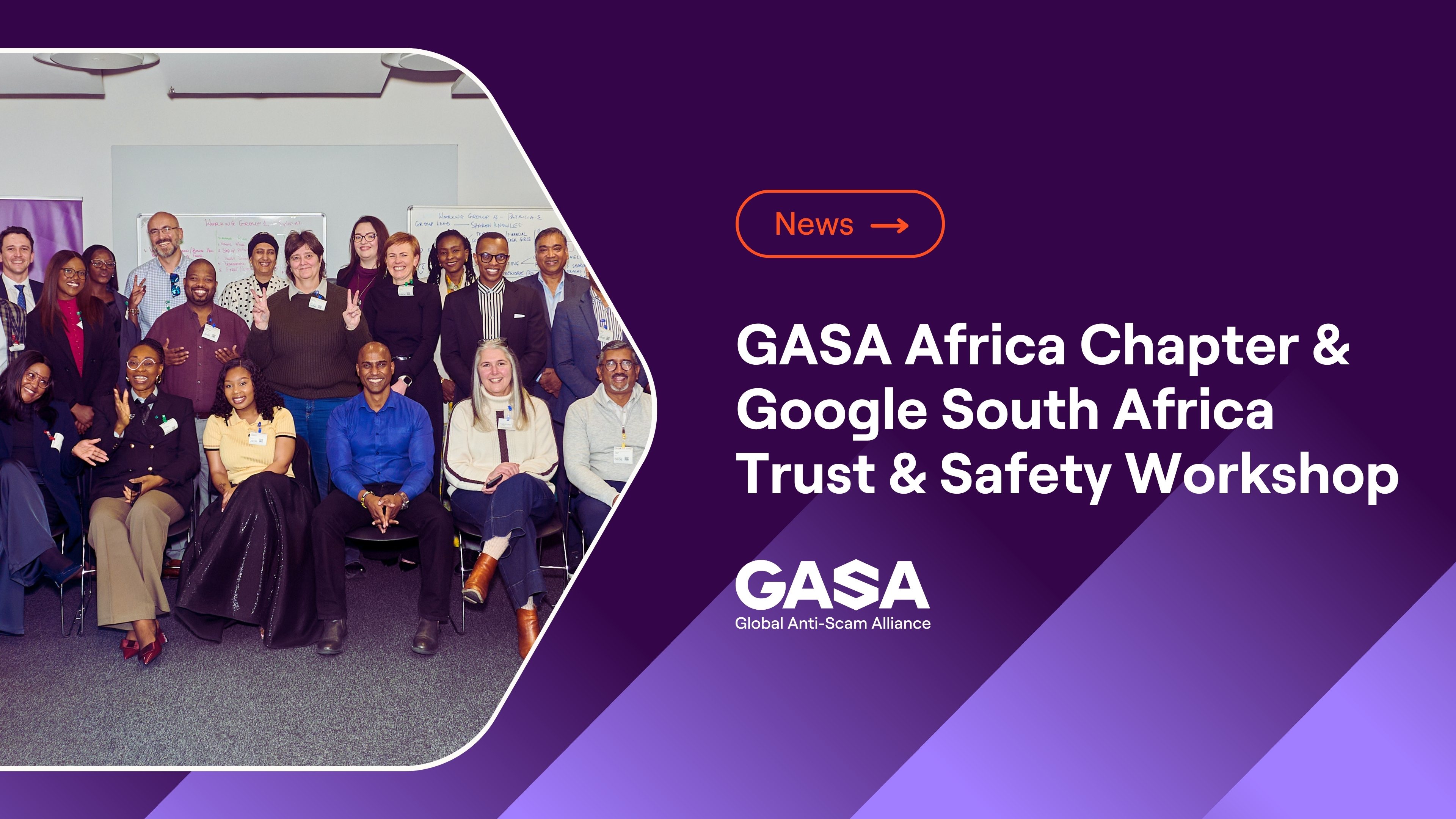
Accra Trust & Safety Workshop Turns Collaboration into Action Against Scams and Fraud in West Africa
GASA Africa Chapter and Google South Africa brought anti-fraud leaders together to strengthen cross-border cooperation and scam prevention.
State of Scams in Nigeria 2026: A Comparative Review Across Africa
Nigerian experts examine scam trends, technology, consumer protection and the need for stronger cross-sector collaboration.
Nearly three in four Danish adults encountered scams as estimated losses reach DKK 10.1 billion
New State of Scams Denmark 2026 report finds scam exposure is rising, while victims face repeated financial and emotional harm.
Building a More Trusted Digital Philippines: New Report Underscores the Need for Collective Action as Scam Exposure Continues to Rise
GASA’s State of Scams in the Philippines 2026 Report, in collaboration with Mastercard and Gogolook, highlights the growing scale of the scam challenge in the Philippines.